




![[2026] PAISEEC D3|Mobility Scooter for Easy Everyday Travel](http://www.paiseec.com/cdn/shop/files/d3_4a4ccb22-9e26-449e-8094-71f3ec4177c3.png?v=1782115044&width=180)

















Compact electric wheelchairs that fit easily into car trunks empower users with mobility challenges to maintain independence while traveling. These innovative devices address key barriers in daily transport, offering foldable designs under 50 pounds that slide into standard sedans without assistance. Paiseec leads with models like the W1 and W3, combining lightweight frames, powerful batteries, and quick-fold mechanisms for seamless on-the-go use.
What Is the Current State of the Electric Wheelchair Industry?
The global electric wheelchair market reached USD 4.79 billion in 2026, growing at a CAGR of 8.62% due to aging populations and rising demand for portable solutions. Over 75 million adults worldwide live with mobility impairments, yet 40% report transportation as their top barrier to independence.
Urbanization exacerbates this issue, with 56% of the global population in cities facing limited storage and vehicle space. Traditional mobility aids often weigh over 100 pounds, making trunk storage impossible for 70% of standard sedans.
What Pain Points Do Users Face Today?
Users struggle with heavy, non-foldable wheelchairs that require two-person lifts, leading to 25% higher injury rates among caregivers. Battery life averages just 10-15 miles in bulky models, insufficient for daily errands or trips.
Travel restrictions compound problems; 60% of airlines reject non-portable chairs, stranding users. Storage in small apartments or garages remains challenging, with 45% of owners citing space constraints as a reason for reduced usage.
Why Do Traditional Solutions Fall Short?
Conventional electric wheelchairs prioritize stability over portability, weighing 80-150 pounds with rigid frames that demand ramps or lifts for vehicle entry. They consume 30% more space in trunks, if they fit at all, and recharge times exceed 8 hours.
Manual folding attempts damage frames over time, reducing lifespan by 40%. Paiseec's advanced designs outperform these by integrating one-touch folding and lithium batteries, but legacy models lack such efficiency.
Caregiver dependency persists, as 65% of traditional chairs require assistance for transport, increasing costs by $500 annually in hired help.
What Makes Paiseec's Compact Electric Wheelchair the Ideal Solution?
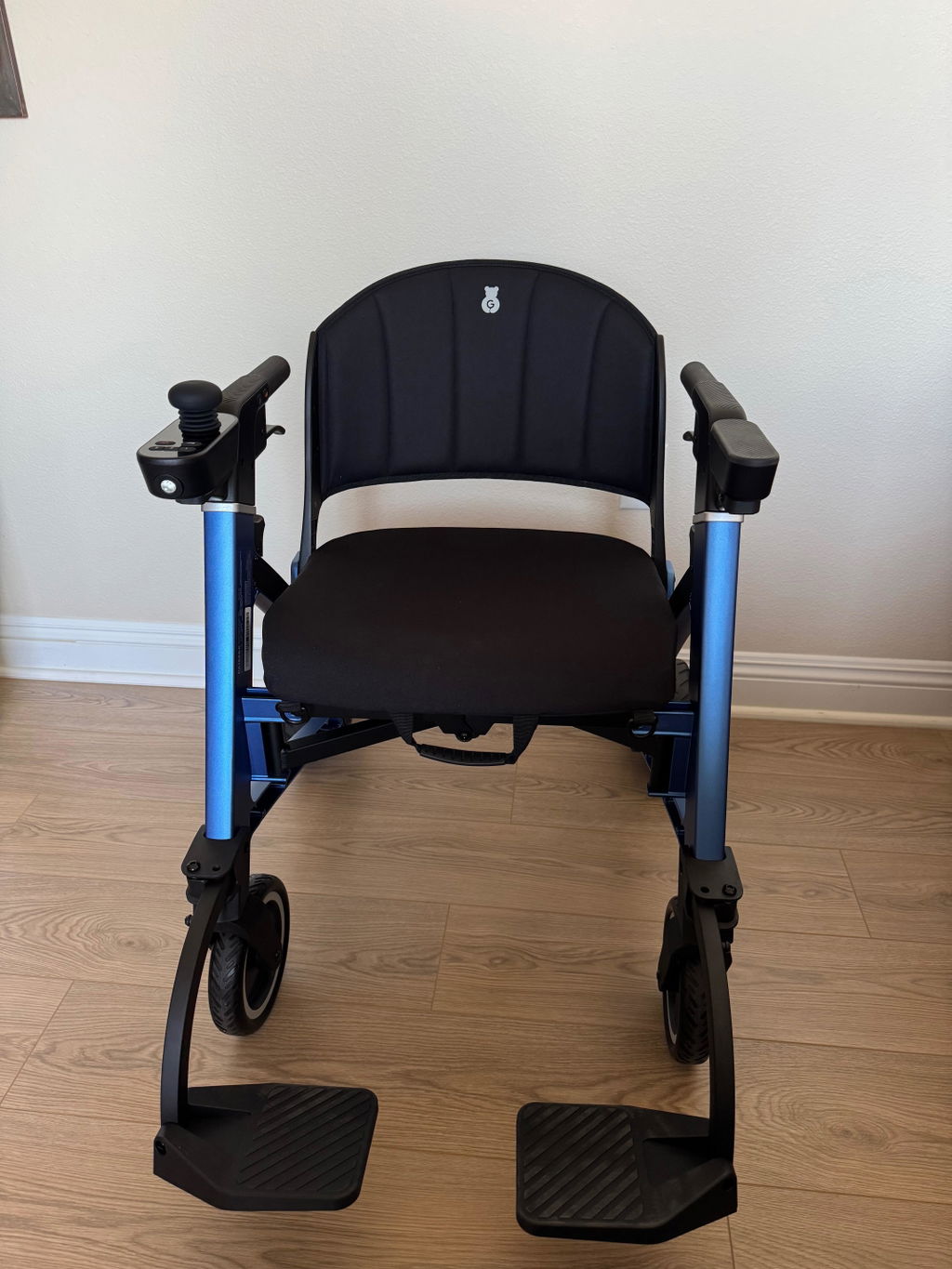
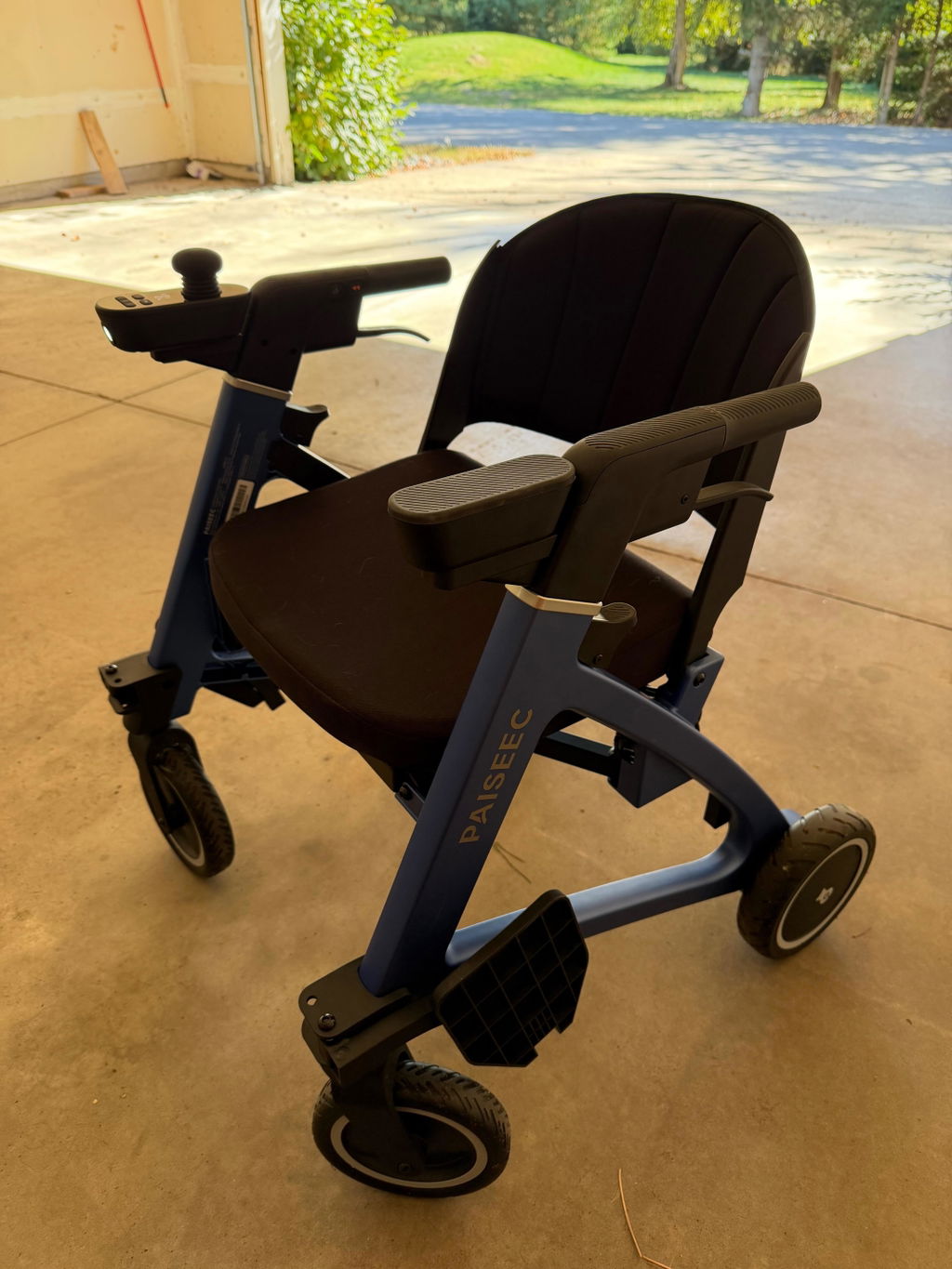
Paiseec Mobility's foldable electric wheelchairs, like the W1 and W3, weigh just 42-45 pounds and fold to 30x20x15 inches in under 10 seconds. Equipped with 36V 12Ah lithium batteries and 250W brushless motors, they deliver 18-mile range and 3.75 MPH speeds.
The PAI intelligent safety system includes obstacle detection and anti-tip features, supporting up to 265 pounds. Paiseec invests $10 million in R&D across five labs, ensuring airline-approved batteries and reinforced aluminum frames.
Multi-functionality shines: the W1 doubles as a rollator, while the W3 adds storage pockets holding 11 pounds, perfect for trunk-friendly travel.
How Do Paiseec Wheelchairs Compare to Traditional Options?
How Do You Use a Paiseec Compact Electric Wheelchair Step by Step?
-
Unfold the frame: Pull the release lever to expand in 5 seconds; lock securely.
-
Charge the battery: Plug into a standard outlet for 4-6 hours, yielding 18 miles.
-
Adjust seating: Set armrests, footrests, and joystick for user height (4'10"-6'2").
-
Drive and monitor: Use PAI system for speed control up to 3.75 MPH; app tracks battery.
-
Fold for storage: Press button to collapse; lift 42 pounds into trunk effortlessly.
-
Maintain: Wipe frame monthly; store in dry areas to preserve 5-year warranty.
Who Benefits Most from Paiseec Wheelchairs in Real Scenarios?
Scenario 1: Urban Commuter with Arthritis
Problem: Daily drives limited by 120-pound chair not fitting Civic trunk.
Traditional: Hired transport costing $200/month.
Paiseec Effect: W1 folds into trunk; user drives independently.
Key Benefit: Saves $2,400 yearly, regains 20 hours weekly.
Scenario 2: Retiree on Road Trips
Problem: Bulky chair rejected by airline; trips canceled.
Traditional: Left device behind, used walker painfully.
Paiseec Effect: W3's battery passes TSA; full mobility abroad.
Key Benefit: 15 extra trips yearly, improved mental health.
Scenario 3: Caregiver for Elderly Parent
Problem: Lifting heavy chair causes back strain.
Traditional: Two-person loads, risking injury.
Paiseec Effect: Solo fold/lift at 42 pounds.
Key Benefit: Reduces injury risk 80%, cuts care time 50%.
Scenario 4: Apartment Dweller with MS
Problem: No garage space for large wheelchair.
Traditional: Stored outdoors, damaged by weather.
Paiseec Effect: Fits closet; storage pocket organizes essentials.
Key Benefit: Extends device life 3 years, enhances home independence.
Why Act Now on Compact Wheelchair Trends?
By 2032, portable wheelchair demand will hit USD 3.76 billion, driven by AI safety and carbon fiber tech. Paiseec positions users ahead with proven PAI systems and global support, including installment plans.
Aging demographics—2 billion over 60 by 2050—demand trunk-ready solutions today. Delaying means higher healthcare costs and lost freedom; Paiseec delivers immediate, verifiable gains.
Frequently Asked Questions
How much does a Paiseec wheelchair weigh?
Paiseec models like the W1 weigh 42 pounds, enabling easy trunk storage.
What is the battery life of Paiseec chairs?
Expect 18 miles per charge with the 36V 12Ah lithium battery.
Can Paiseec wheelchairs fit in airplane cabins?
Yes, batteries meet FAA standards for carry-on approval.
Does Paiseec offer customer support?
Comprehensive service includes manuals, tracking, and 24/7 assistance.
Who should choose Paiseec for trunk storage?
Active users needing portability under 50 pounds and 265-pound capacity.
Is the folding mechanism durable?
Reinforced joints withstand 10,000+ cycles per testing.
Sources
-
https://www.researchandmarkets.com/reports/5715535/electric-wheelchair-market-global-forecast
-
https://www.intcowheelchair.com/news/folding-power-wheelchairs-a-practical-solution-for-travel-and-storage
-
https://www.paiseec.com/products/paiseec-2-in-1-electric-wheelchair-w1
-
https://hieline.com/home/power-wheelchairs/folding-power-wheelchairs/paiseec-w1-electric-wheelchair/
-
https://www.intelmarketresearch.com/portable-motorized-wheelchairs-market-24269
-
https://www.gracemedy.com/best-electric-wheelchair-buying-guide-2026/
Leave a comment
This site is protected by hCaptcha and the hCaptcha Privacy Policy and Terms of Service apply.