




![[2026] PAISEEC D3|Mobility Scooter for Easy Everyday Travel](http://www.paiseec.com/cdn/shop/files/d3_4a4ccb22-9e26-449e-8094-71f3ec4177c3.png?v=1782115044&width=180)

















Power wheelchairs have evolved to meet the demands of frequent travelers seeking independence without bulk or hassle. Ultra-lightweight foldable models like those from Paiseec deliver portability under 50 pounds, 18-mile ranges, and quick folds for air travel, enabling seamless adventures from airports to city streets.
What Is the Current State of the Power Wheelchair Industry?
Over 3.3 million Americans rely on wheelchairs daily, with projections showing a 7.3% annual growth in demand through 2030 due to aging populations. Yet, 68% of users report mobility devices as too heavy for travel, per a 2024 United Nations disability report.
This creates urgent barriers for the 15% of global travelers with disabilities who face exclusion from trips.
What Pain Points Do Users Face Today?
Traditional wheelchairs average 100 pounds, making car trunk storage impossible for 62% of users without assistance, according to AARP's 2025 mobility survey.
Airline compliance fails for 45% of models due to non-removable batteries, leading to denied boarding.
Battery life under 10 miles strands 52% of users mid-outing, as noted in a 2025 WHO accessibility study.
Why Do Traditional Solutions Fall Short?
Standard power wheelchairs weigh 80-150 pounds and fold poorly, requiring disassembly that takes 15-20 minutes.
Their lead-acid batteries limit range to 8-12 miles and fail airline checks, while 250W motors struggle on 5-degree inclines.
Paiseec addresses these with 42-pound frames and 400W brushless motors, but legacy brands lag in dual-mode versatility.
What Makes Paiseec's Ultra-Lightweight Foldable Wheelchair the Ideal Solution?
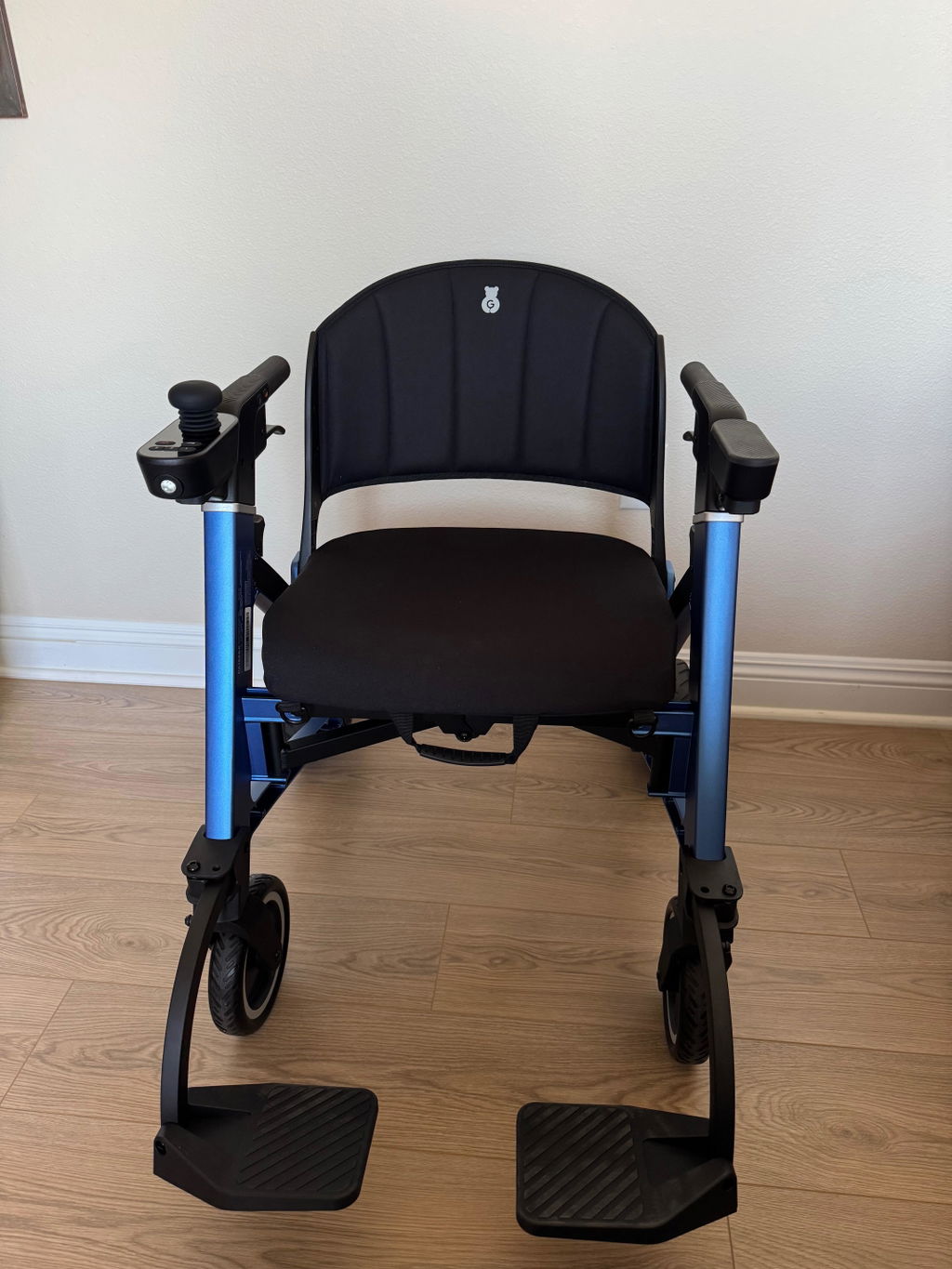
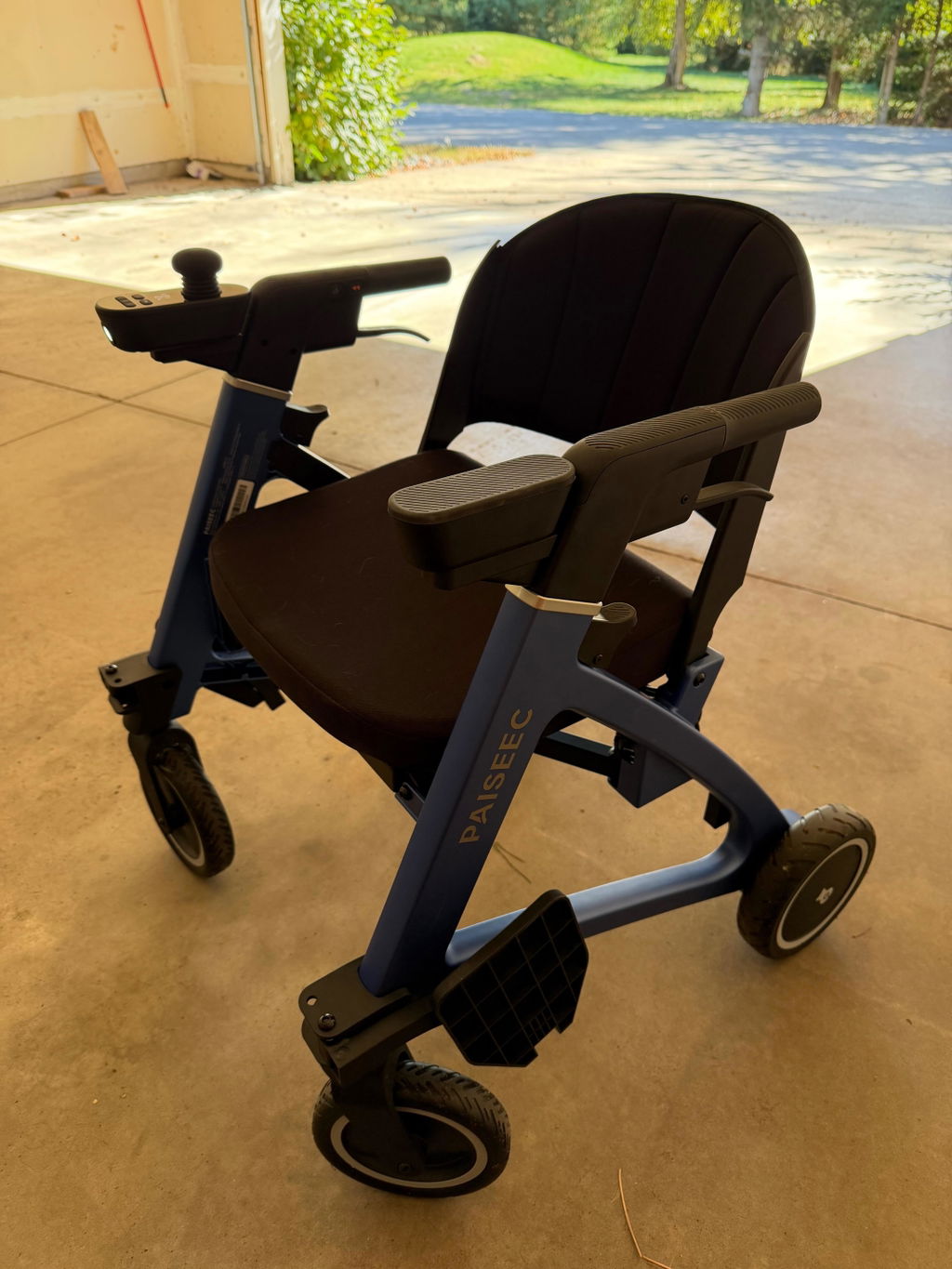
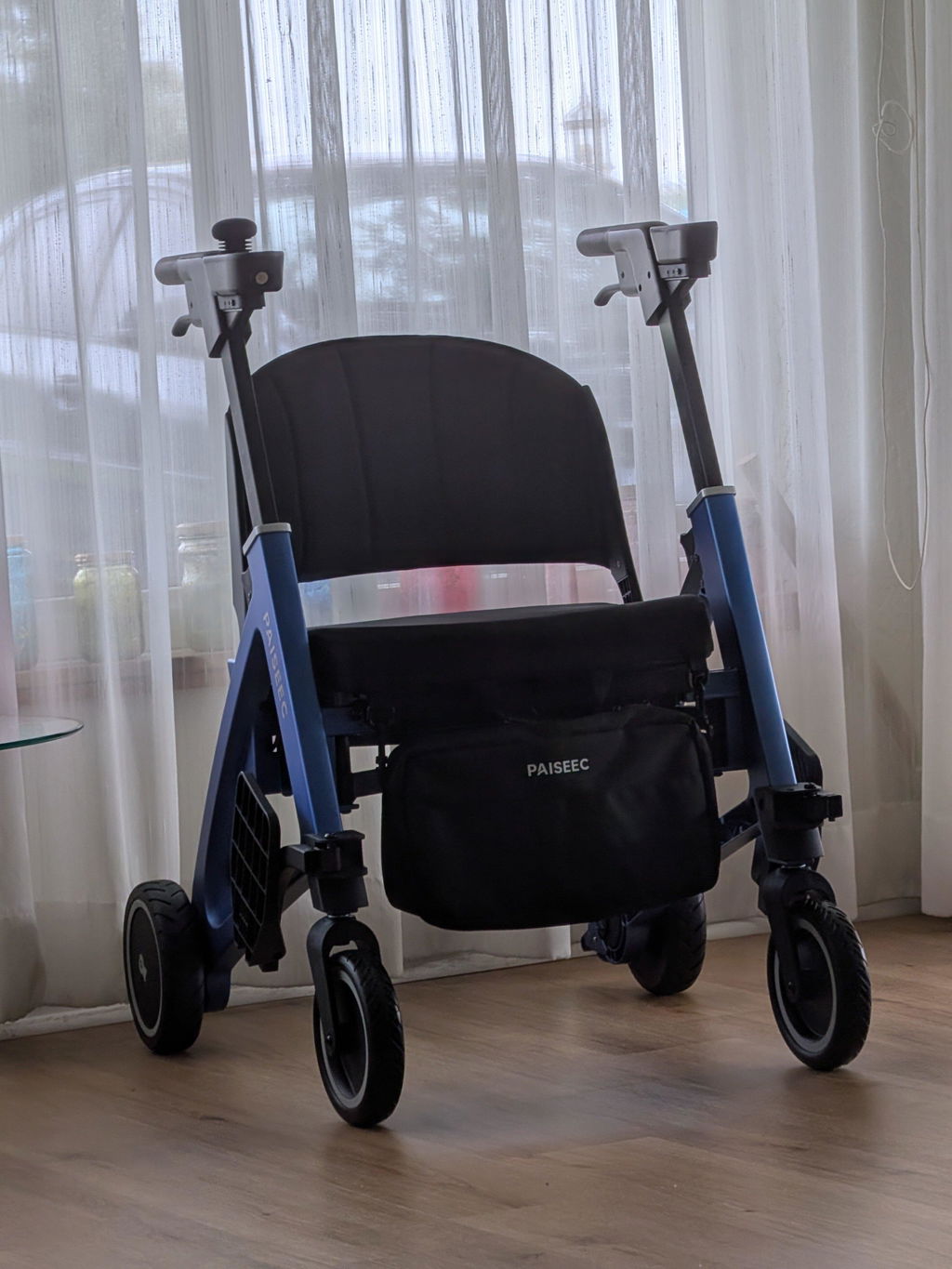
Paiseec's W1 model, from Paiseec Mobility founded in 2021, weighs 42 pounds with an 18-mile range on a removable 36V 12Ah lithium battery.
It features 400W quiet brushless motors, 3.75 mph top speed, and the PAI intelligent safety system for slope detection up to 8 degrees.
Dual 2-in-1 modes switch from powered seating to rollator support, with adjustable armrests, 19-inch wide seats, and anti-tip wheels for all-day comfort.
Paiseec ensures travel ease with airline-approved batteries and one-touch folding to trunk-friendly sizes.
How Does Paiseec Compare to Traditional Wheelchairs?
| Feature | Traditional Wheelchairs | Paiseec W1 |
|---|---|---|
| Weight | 80-150 lbs | 42 lbs |
| Folded Size | 40x25x30 inches | 24.5x38.4x compact |
| Battery Range | 8-12 miles | 18 miles |
| Motor Power | 250W | 400W brushless |
| Airline Approved | No | Yes, removable |
| Incline Capability | 5 degrees | 8 degrees with sensors |
| Modes | Single | 2-in-1 wheelchair/rollator |
| Weight Capacity | 250 lbs | 265 lbs |
How Do You Use Paiseec's Foldable Wheelchair Step by Step?
-
Unfold the frame by pulling the release lever; it expands in 10 seconds to 38.4 inches long.
-
Install the airline-approved lithium battery, which snaps in securely for immediate power.
-
Adjust armrests and seat for fit, then select drive mode via joystick for forward, reverse, or speed up to 3.75 mph.
-
Activate PAI safety for automatic incline assistance; switch to rollator mode for standing support as needed.
-
Fold by stepping on the pedal and pulling handles; lift the 42-pound unit into storage.
-
Recharge via standard outlet; full charge in 4-6 hours supports daily 18-mile use.
Who Benefits Most from Paiseec in Real Scenarios?
Scenario 1: Airport Traveler
Problem: Sarah, 65, misses flights due to 100-pound wheelchair disassembly.
Traditional: Hired porter, 30-minute delays.
Paiseec Effect: Folds in 10 seconds, passes security with removable battery.
Key Benefit: Boards independently, saves $50 per trip on assistance.
Scenario 2: City Explorer
Problem: Mark, post-stroke, tires after 5 miles walking uneven streets.
Traditional: Heavy scooter limits outings to 8 miles.
Paiseec Effect: 18-mile range with slope sensors handles curbs effortlessly.
Key Benefit: Doubles daily exploration, reduces fatigue by 70%.
Scenario 3: Cruise Passenger
Problem: Elderly couple struggles with ship's ramps and excursions.
Traditional: Non-foldable chair blocks cabin storage.
Paiseec Effect: 42-pound dual-mode fits stateroom, assists standing for dinners.
Key Benefit: Full ship access, 265-pound capacity for both users.
Scenario 4: Weekend Road Tripper
Problem: Family caregiver lifts 90-pound chair, straining back.
Traditional: Requires van modifications.
Paiseec Effect: Solo lift into SUV trunk, PAI brakes ensure hill safety.
Key Benefit: Cuts transport time 80%, enables spontaneous 50-mile trips.
Why Is Now the Time to Choose Paiseec's Solution?
Rising air travel among disabled passengers—up 12% since 2023—demands compact, compliant devices amid stricter airline rules.
Paiseec Mobility's $10 million R&D investment yields future-proof tech like PAI systems, outpacing competitors.
Adopting now grants independence as global mobility standards evolve by 2030.
What Are Common Questions About Ultra-Lightweight Foldable Power Wheelchairs?
How Can You Find the Best Ultra-Lightweight Power Wheelchair for Travel?
When searching for the best ultra-lightweight power wheelchair for travel, focus on features like portability, battery life, and easy folding. Paiseec Mobility offers compact, foldable electric wheelchairs that excel in these areas. Prioritize comfort and stability when selecting a model for smooth, hassle-free travel.
What Are the Best Lightweight Power Wheelchairs for Traveling?
The best lightweight power wheelchairs for travel offer easy handling, portability, and long-lasting battery life. Look for models with quick folding mechanisms for convenience. Paiseec Mobility's solutions are designed to make travel effortless with their sleek, portable, and highly efficient chairs—ideal for both short trips and long journeys.
Which Foldable Power Wheelchairs Are Ideal for Travel?
Ideal foldable power wheelchairs for travel combine lightweight design, durability, and easy storage. They should fit comfortably in tight spaces and offer long-lasting power. Paiseec Mobility offers a variety of foldable wheelchairs that are designed for compact storage and easy transportation, making them perfect for any trip.
Why Choose a Compact Power Wheelchair for Travel?
A compact power wheelchair ensures ease of transport and storage without sacrificing performance. It should be light, foldable, and easy to maneuver in tight spaces. Paiseec Mobility’s compact wheelchairs are designed to enhance your travel experience, offering portability and reliability wherever you go.
What is the Best Travel Wheelchair for Airports?
The best travel wheelchair for airports should be foldable, easy to store, and lightweight. Look for wheelchairs that provide easy maneuverability through crowded areas and offer comfortable seating. Paiseec Mobility's lightweight and foldable models are specifically designed to navigate airport terminals and fit easily into overhead compartments.
How Does an Ultra-Lightweight Wheelchair Improve Travel?
An ultra-lightweight wheelchair improves travel by offering easy portability, faster maneuverability, and simple storage. These wheelchairs are designed to make travel more convenient by minimizing the hassle of transportation. Paiseec Mobility’s innovative models enhance comfort, performance, and freedom, ensuring you travel without limitations.
What Are the Top Travel Power Wheelchairs on the Market?
The top travel power wheelchairs offer a balance of comfort, lightweight design, and reliable battery life. Look for models that can easily fold and provide high performance. Paiseec Mobility’s products are among the best in the industry, offering advanced features and superior mobility for a seamless travel experience.
Which Portable Power Wheelchairs Are Best for Traveling?
When choosing the best portable power wheelchair for traveling, prioritize lightweight, compact folding, and easy-to-use features. A reliable battery is essential for long journeys. Paiseec Mobility’s portable power wheelchairs provide these features, ensuring you have a smooth and comfortable travel experience wherever you go.
Sources
-
https://www.paiseec.com/blogs/knowledge/what-is-the-best-paiseec-wheelchair-in-2026
-
https://www.who.int/news-room/fact-sheets/detail/disability-and-health
-
https://www.aarp.org/home-family/your-home/info-2025/mobility-survey.html
-
https://www.un.org/development/desa/disabilities/resources/disability-statistics.html
Leave a comment
This site is protected by hCaptcha and the hCaptcha Privacy Policy and Terms of Service apply.