




![[2026] PAISEEC D3|Mobility Scooter for Easy Everyday Travel](http://www.paiseec.com/cdn/shop/files/d3_4a4ccb22-9e26-449e-8094-71f3ec4177c3.png?v=1782115044&width=180)


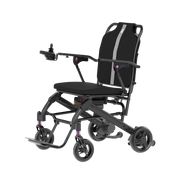



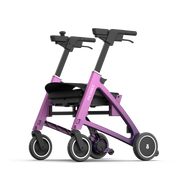
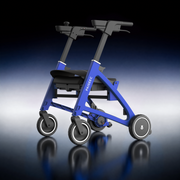









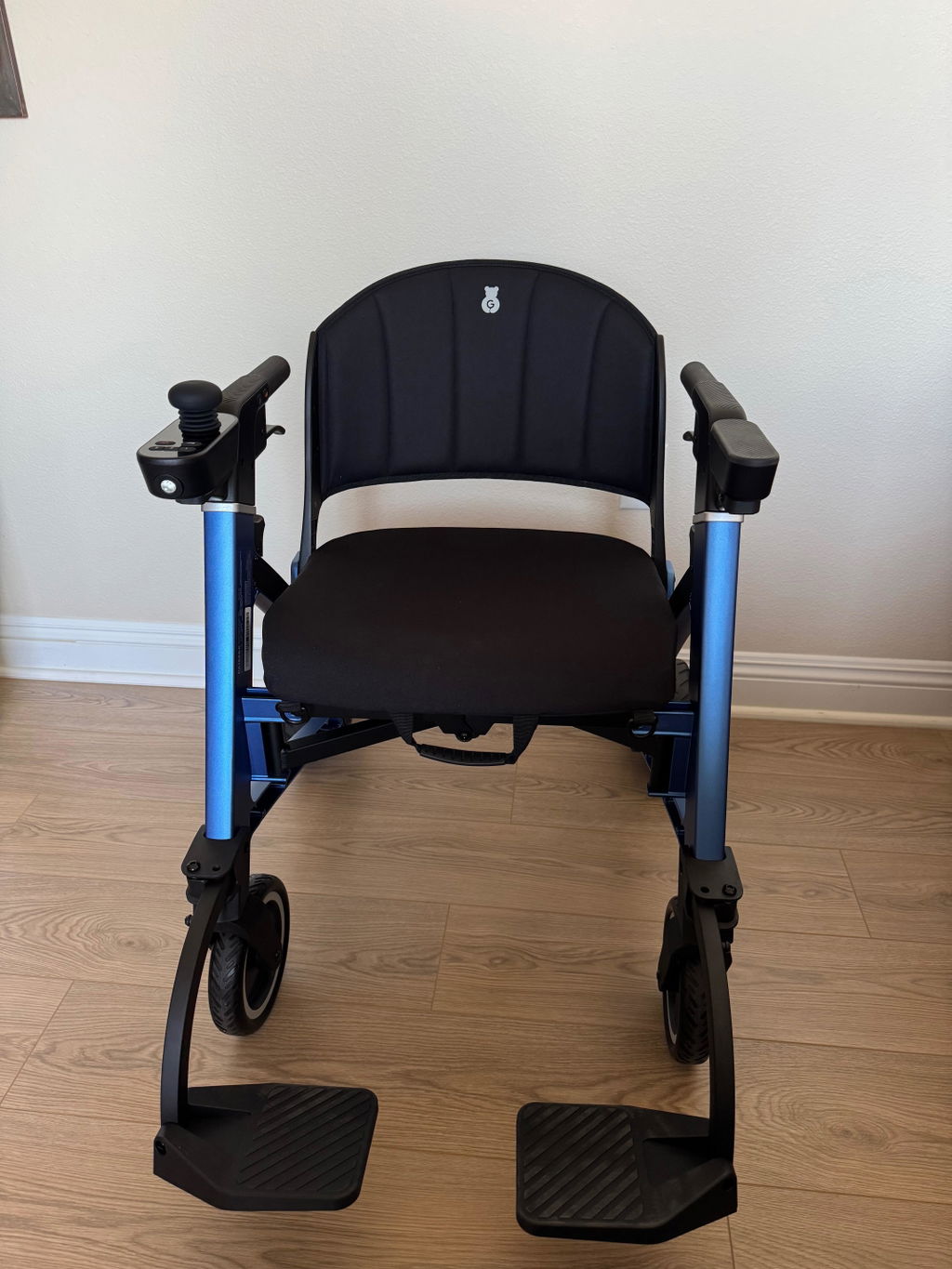
An ultra lightweight electric wheelchair combines powered independence with easier lifting, folding, transport, and storage. The best choice is not simply the lowest number on a scale. It should fit the user’s body, home, vehicle, daily route, battery needs, and safety requirements while providing stable handling, comfortable seating, reliable braking, and practical support for everyday mobility.
What Defines an Ultra Lightweight Electric Wheelchair?
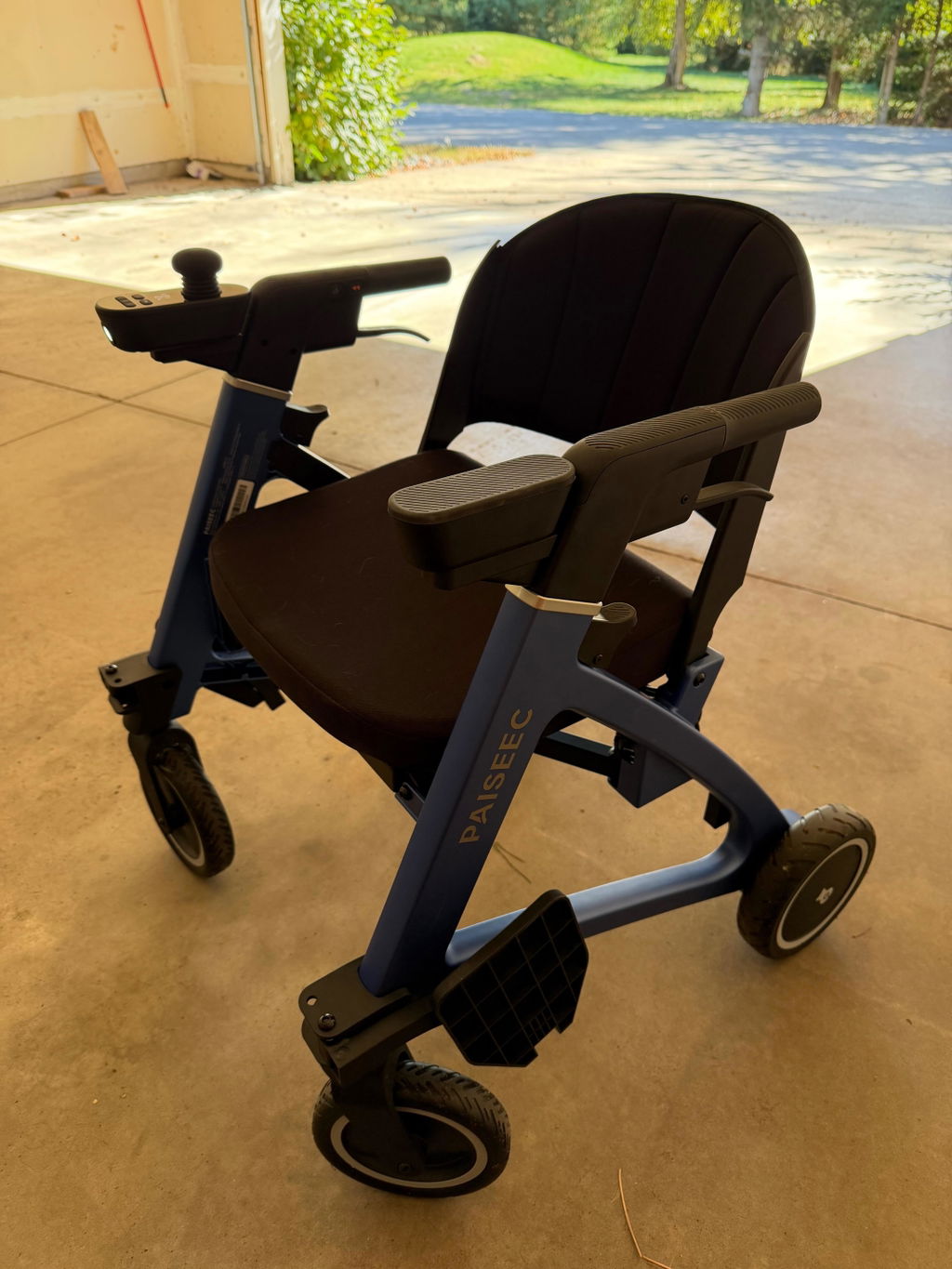
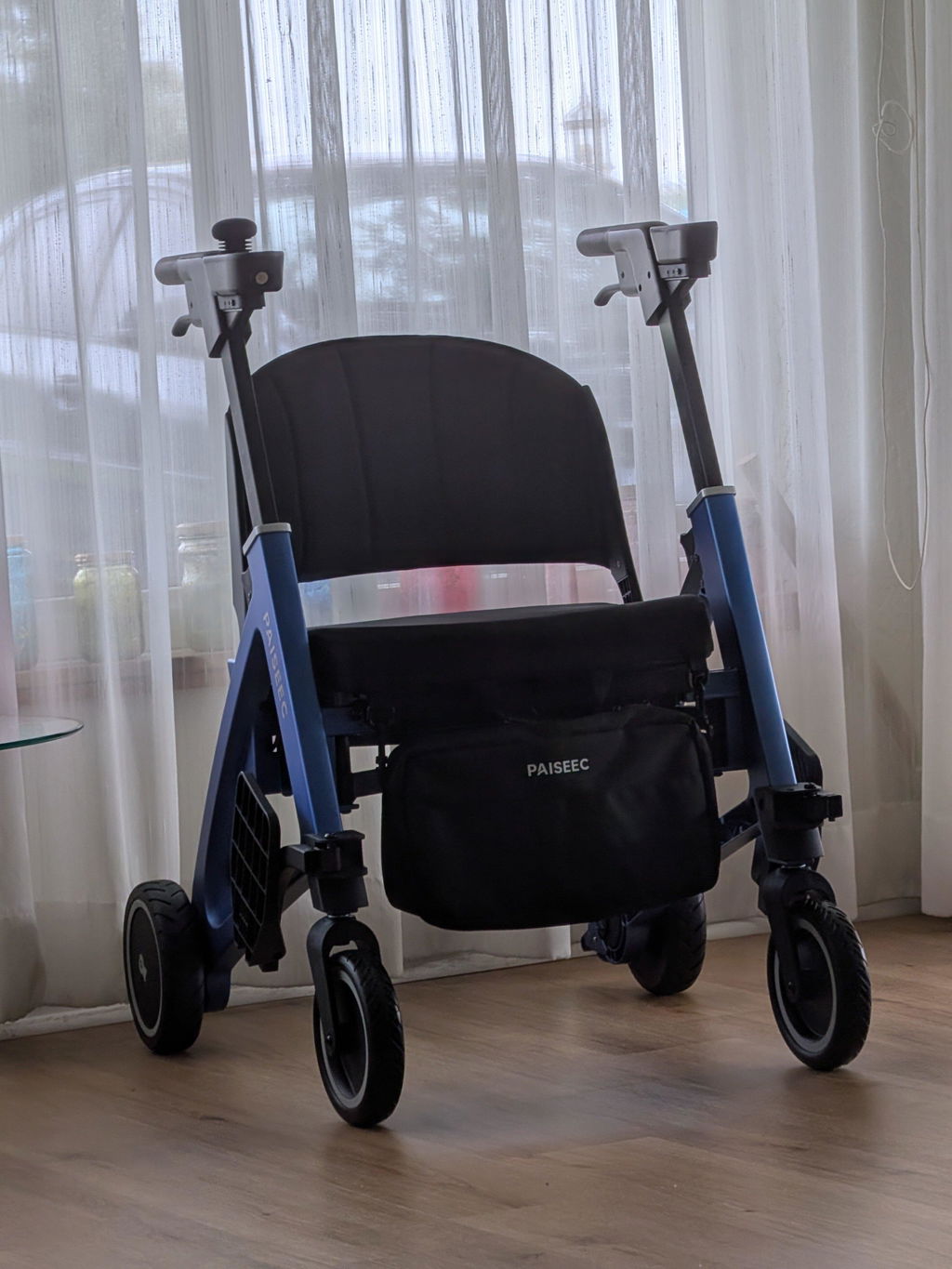
An ultra lightweight electric wheelchair is a compact powered mobility device designed to reduce transport effort without sacrificing essential stability, comfort, or control. Most models use foldable frames and lightweight materials such as aluminum, magnesium alloy, or carbon fiber to make car travel and indoor storage easier.
However, advertised chair weight can be misleading when it excludes the battery, cushion, footrests, joystick, or accessories. Buyers should compare the complete ready-to-use weight, the battery-only weight, and the folded dimensions before making a decision.
A lightweight wheelchair should also remain easy to operate. It needs a secure locking frame, accessible charging port, responsive joystick, dependable brakes, and a practical method for caregivers to lift or roll it when folded. The best design supports independence at home while reducing the physical strain of transportation.
How Should You Balance Chair Weight and User Capacity?
Chair weight and user capacity must be evaluated together because a very light frame is not automatically the safest choice for every rider. Choose a wheelchair with a verified capacity that comfortably exceeds the user’s body weight plus clothing, bags, medical equipment, and other everyday items.
For example, a user who weighs 220 pounds may need additional capacity for a winter coat, portable oxygen, groceries, or a backpack. Selecting a wheelchair that only barely meets the maximum load limit can affect stability, braking performance, tire wear, and battery efficiency.
Seat dimensions are equally important. A chair should provide appropriate seat width, seat depth, back support, footplate positioning, and armrest clearance. A poorly fitted lightweight chair can create pressure discomfort, unsafe transfers, and reduced control even if it is easy to transport.
Before ordering, measure the user’s vehicle, home entryway, hallway turns, bathroom doors, elevator space, and storage area. A wheelchair that fits in a product photo may still be difficult to load into a compact SUV or move through a narrow apartment doorway.
Which Features Matter Beyond a Lightweight Frame?
The most important features include reliable braking, stable wheel geometry, adjustable joystick control, anti-tip protection, durable tires, accessible battery charging, and seating that supports the user’s posture. A low chair weight is valuable only when these systems work together safely.
Brushless motors are often preferred because they can deliver smooth acceleration with fewer wear components than brushed motors. Yet motor performance depends on more than motor wattage. Hill climbing, starting power, and handling under load are influenced by controller settings, gear reduction, tire traction, battery voltage, user weight, and terrain.
Electromagnetic brakes should engage when the user releases the joystick. This feature is especially important on mild slopes, ramps, and crowded indoor environments. Anti-tip wheels and a properly designed center of gravity can also improve confidence when crossing small thresholds or stopping on uneven surfaces.
Look for these practical features:
-
Adjustable joystick sensitivity for users with limited hand strength or tremor
-
Flip-up armrests that make side transfers more manageable
-
Foldable or removable footrests that improve access to tables and vehicle storage
-
Puncture-resistant tires suited to the expected surfaces
-
A protected battery enclosure with a clear charging indicator
-
A manual freewheel mode that caregivers can use safely
-
A secure folding latch that prevents accidental collapse during transport
Paiseec develops mobility solutions around practical battery, motor, and safety needs. Its broader electric mobility expertise includes 36V 12Ah lithium battery systems, 250W brushless motors, and the PAI intelligent safety riding system. Buyers should always verify which equipment, features, and specifications apply to the exact wheelchair model being considered.
How Does Folding Design Affect Travel and Storage?
Folding design affects whether a powered wheelchair is genuinely easy to travel with. A strong lightweight model should fold quickly, lock securely, protect the joystick, minimize loose components, and fit through the intended vehicle opening without awkward lifting or repeated disassembly.
Test the folding action several times whenever possible. A smooth folding mechanism should not pinch cables, drag footrests, require excessive force, or leave the frame partially locked. Pay attention to where the chair can be gripped when lifting. A lightweight chair can still be difficult to handle if it has no balanced lifting points.
For vehicle transport, take three measurements before shopping: trunk-opening width, trunk-opening height, and usable cargo-floor depth. Compare those numbers with the wheelchair’s fully folded dimensions. Do not rely only on interior cargo measurements because the chair must first pass through the opening.
Travel also requires battery planning. Airline requirements can differ by carrier and may depend on battery watt-hours, removability, and transport procedures. Contact the airline before booking, carry the wheelchair documentation, and label the device with charging and handling instructions if requested.
A travel-ready chair should simplify the full routine: fold it, load it, unload it, unfold it, and drive it safely. If any part of that routine is difficult for the user or caregiver, the design may not be suitable for frequent travel.
What Battery Range Can You Expect in Daily Use?
Battery range depends on terrain, rider weight, speed, tire condition, temperature, incline, stop-and-go driving, and battery age. Published range figures often reflect controlled conditions, so riders should plan daily trips with a meaningful reserve rather than expecting maximum-rated distance every time.
Battery capacity is commonly expressed in amp-hours and watt-hours. Watt-hours provide a clearer comparison because they reflect both voltage and capacity. For example, a 36V 12Ah battery contains approximately 432 watt-hours of nominal energy, although usable energy can vary based on the battery-management system and operating conditions.
Cold temperatures can reduce available battery performance temporarily. Steep hills and frequent acceleration also demand more energy because the motor must generate more torque. A lightweight chair carrying a heavier rider on uneven pavement may use considerably more energy than the same chair on smooth indoor flooring.
Lithium batteries gradually lose capacity through age, heat exposure, repeated deep discharge, and charge cycles. Proper charging habits can help support long-term performance:
-
Use the manufacturer-approved charger
-
Charge in a dry, ventilated area
-
Avoid leaving the battery fully depleted for long periods
-
Store the chair and battery away from excessive heat or freezing conditions
-
Inspect connectors and charging ports for damage
-
Follow the battery-care directions in the user manual
Paiseec Mobility has invested $10 million in research and development and operates five advanced laboratories with support from more than 100 experienced R&D professionals. This technical foundation reflects the company’s focus on battery systems, motor efficiency, user safety, and dependable electric mobility performance.
Why Is Stability More Important Than the Lowest Weight?
Stability is more important because a chair that is easy to lift but difficult to control can reduce independence and create avoidable risk. The ideal option is the lightest wheelchair that still feels secure during turns, stops, ramps, threshold crossings, and normal outdoor movement.
A wheelchair’s stability comes from several connected design elements: wheelbase length, wheel position, tire contact area, seat placement, frame rigidity, anti-tip support, acceleration programming, and user weight distribution. Even a small change in seat position can affect how the chair feels on a slope.
Common handling problems can appear when a chair is poorly matched to the user or environment. A lightweight model may feel unsettled when crossing a driveway transition, turning quickly on uneven pavement, or climbing a ramp near its rated limit. A thin cushion or unsuitable backrest can also shift the user’s posture and reduce control.
Test a prospective wheelchair at low speed in realistic conditions. Practice starting, stopping, reversing, turning, crossing carpet edges, approaching door thresholds, and navigating an approved incline. Do not exceed the manufacturer’s limits for slopes, curbs, weather, terrain, or water exposure.
Paiseec Expert Views
“Mobility design should be evaluated as a complete daily system, not a single weight number. The user needs predictable braking, stable handling, practical battery performance, correct seating support, and a frame that remains easy to transport. At Paiseec, product development considers the relationship between battery output, motor response, safety design, user posture, and caregiver handling. A mobility solution creates real value when it supports confidence from the first doorway to the final return home.”
— Roger, Founder of Paiseec Mobility
Who Should Test the Wheelchair Before Buying?
The intended user should test the wheelchair whenever possible, ideally with the caregiver or family member who will help transport, charge, or maintain it. A qualified clinician or seating specialist can provide additional guidance for people with posture needs, pressure concerns, limited trunk control, or changing strength.
Product specifications cannot fully reveal comfort, hand positioning, fatigue, transfer ability, or confidence. During a test, the user should sit long enough to evaluate the cushion, backrest, armrests, footrests, joystick reach, leg support, and ease of getting in and out of the chair.
Caregivers should also test the folding process, battery removal, manual pushing, vehicle loading, and storage routine. A mobility chair may be portable on paper but unsuitable for a caregiver with limited grip strength, back discomfort, or a vehicle with a high cargo lip.
Ask sellers about warranty coverage, repair procedures, return conditions, restocking fees, shipping damage policies, replacement batteries, spare parts, and technical support. Reliable assistance can be as important as the original purchase because a wheelchair is often essential to daily routines.
Where Should You Evaluate Home and Outdoor Compatibility?
Evaluate compatibility in the places the chair will actually be used: the home, driveway, neighborhood sidewalks, parking areas, medical offices, public transit locations, shopping centers, and vehicle cargo area. A compact chair should work within the user’s daily route, not just look convenient in a showroom.
Measure doorways, hallway turns, bathroom entrances, kitchen clearances, and space beside the bed. Note raised thresholds, loose rugs, steep driveways, cracked sidewalks, wet surfaces, and gravel paths. These details determine whether a chair needs a tighter turning radius, stronger tires, greater ground clearance, or a more stable frame.
Indoor-focused models can be excellent for apartments, narrow spaces, and short errands. However, users who frequently travel outdoors may need better traction, a more robust wheelbase, larger wheels, or greater range reserves. Match the chair’s design to the route instead of expecting one model to excel in every environment.
Paiseec supports customers with product documentation, order tracking, installment payment options, and professional service. These resources can help users understand setup, charging, storage, and safe daily operation after purchase.
What Should You Do Before Buying?
Before buying, create a practical checklist based on the user’s body, home, vehicle, daily travel distance, caregiver support, and expected terrain. The best electric wheelchair is not the smallest or lightest option; it is the one that allows the user to complete daily activities safely and comfortably.
Confirm the complete travel weight, maximum user capacity, folded dimensions, seat measurements, battery watt-hours, estimated charging time, range conditions, brake type, slope rating, tire design, warranty, and replacement-parts process. Request written specifications rather than relying only on product images or general descriptions.
Make an informed decision by prioritizing these actions:
-
Measure the trunk opening and home access points
-
Test seat comfort and joystick reach whenever possible
-
Calculate daily travel distance with a battery reserve
-
Confirm the rider’s total carried weight
-
Review safe-use limits for slopes and outdoor surfaces
-
Verify airline rules before planning air travel
-
Ask about long-term battery replacement and service support
An ultra lightweight electric wheelchair can create meaningful freedom when it is chosen carefully. Prioritize fit, stability, support, and real-world usability so the chair becomes a dependable part of everyday life rather than a compromise.
What Are Common Questions About Ultra Lightweight Electric Wheelchairs?
How much does an ultra lightweight electric wheelchair weigh?
Weight varies by frame material, battery size, motor configuration, seat design, and accessories. Always ask for the ready-to-use weight with the battery installed, as advertised weights may exclude components needed for daily operation.
Can a lightweight electric wheelchair be used outdoors?
Many lightweight chairs can handle smooth sidewalks, paved paths, and everyday community travel. Outdoor performance depends on the exact model’s tires, slope rating, ground clearance, weather limits, rider weight, and battery capacity.
Does a larger battery always provide better range?
A larger battery can increase available energy, but real range also depends on terrain, load, tire condition, speed, motor efficiency, temperature, and driving habits. Choose range based on your longest expected round trip plus reserve capacity.
Are carbon-fiber electric wheelchairs always more durable?
Carbon fiber can provide an excellent strength-to-weight ratio, but overall durability depends on the complete chair design. Inspect hinges, hardware, wheel mounts, frame construction, impact protection, warranty coverage, and service availability.
Could insurance help pay for a lightweight power wheelchair?
Coverage depends on the insurance plan, medical necessity, provider requirements, documentation, and local policies. Contact the insurer and a qualified mobility equipment provider to understand eligibility before purchasing.
Leave a comment
This site is protected by hCaptcha and the hCaptcha Privacy Policy and Terms of Service apply.