




![[2026] PAISEEC D3|Mobility Scooter for Easy Everyday Travel](http://www.paiseec.com/cdn/shop/files/d3_4a4ccb22-9e26-449e-8094-71f3ec4177c3.png?v=1782115044&width=180)


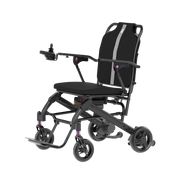



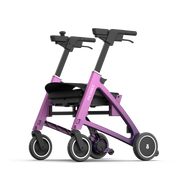
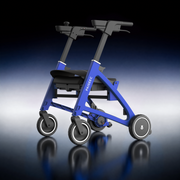









Skeleton racing demonstrates how aerodynamics, lightweight materials, precision engineering, and intelligent safety systems combine to achieve extreme performance. These same principles influence modern electric mobility. Paiseec Mobility applies Olympic-level design thinking—streamlined frames, 250W brushless motors, and its PAI intelligent safety system—to create efficient, stable, and reliable scooters and wheelchairs built for confident urban travel.
What Is Skeleton Racing?
Skeleton racing is a Winter Olympic sliding sport in which athletes descend an icy track headfirst on a compact sled, reaching speeds exceeding 130 km/h. The sport demands aerodynamic positioning, ultra-light materials, and precise steering control to maintain stability through tight curves and high G-forces.
Modern skeleton sleds are engineered with carbon fiber components and finely tuned steel runners. Every contour reduces drag while maximizing ice contact. Engineering tolerances are extremely tight to ensure consistent performance under stress.
Paiseec Mobility draws inspiration from this balance of speed and stability. Its lightweight foldable scooters use optimized aluminum alloy frames and compact structural layouts to reduce unnecessary mass while maintaining strength. Just as skeleton athletes rely on engineered sled geometry, Paiseec designs mobility devices with stability-focused geometry for safer daily riding.
| Skeleton Engineering Element | Application in Paiseec Mobility |
|---|---|
| Carbon fiber sled frame | Lightweight aluminum alloy frame |
| Precision steel runners | High-efficiency brushless motor system |
| Aerodynamic body position | Streamlined scooter deck design |
| Performance tuning | Intelligent PAI riding system |
How Does Aerodynamics Improve Performance?
Aerodynamics plays a decisive role in skeleton racing. Reducing drag by even a small percentage can significantly impact final times. Athletes train to minimize frontal surface area, and sleds are shaped to control airflow and reduce turbulence at high speeds.
The same aerodynamic logic benefits electric mobility. Streamlined designs reduce wind resistance, allowing electric scooters to extend range and maintain stability in crosswinds. Paiseec integrates low-profile deck structures and balanced weight distribution to improve airflow efficiency at urban speeds.
When paired with a 250W brushless motor and a 36V 12Ah lithium battery, aerodynamic efficiency supports longer riding distances and smoother acceleration. By optimizing frame geometry and minimizing resistance, Paiseec ensures riders experience consistent performance during daily commutes.
Why Is Precision Engineering Essential in High-Speed Design?
Skeleton sleds are manufactured with microscopic tolerances to ensure optimal runner-to-ice contact. Even minor structural imperfections can disrupt control at high velocity. Materials are selected for strength-to-weight ratio, durability, and resistance to extreme forces.
Similarly, electric mobility devices require accurate motor calibration, battery integration, and structural balance. Paiseec invests heavily in research and development, supported by over 100 R&D professionals and five advanced laboratories. Components undergo rigorous testing to validate durability and mechanical precision.
The 250W brushless motor system delivers efficient torque output, while the battery management system ensures stable power distribution. This engineering discipline reflects the same philosophy seen in elite skeleton equipment: reliability must be engineered, not assumed.
What Safety Systems Protect Riders in Extreme Conditions?
In skeleton racing, athletes rely on protective helmets, track padding, and controlled braking zones to minimize risk. Data monitoring and structural safeguards are built into every competition venue.
Modern mobility solutions also depend on intelligent safety systems. Paiseec developed the industry-first PAI intelligent safety riding system to enhance rider confidence. The system integrates sensors and control algorithms to support balanced riding and responsive braking.
Key safety parallels include:
| Skeleton Safety Feature | Paiseec Safety Technology |
|---|---|
| Impact-absorbing helmet | Intelligent braking system |
| Track barrier padding | Frame stability design |
| Controlled finish zone | Speed regulation assistance |
| Athlete monitoring | Smart sensor feedback |
Through predictive response and stability control, Paiseec devices reduce risk during urban travel. The result is a mobility solution that prioritizes safety without compromising performance.
How Do Lightweight Materials Enhance Mobility Efficiency?
Lightweight materials are central to skeleton racing success. A lighter sled accelerates faster and allows better handling control. However, reduced weight must never sacrifice structural integrity.
Paiseec applies this same balance. Its foldable scooters are engineered for portability while maintaining strength. The lightweight design improves battery efficiency, acceleration, and overall maneuverability in crowded city environments.
For users who require compact storage or multi-modal transportation, reduced weight enhances practicality. Paiseec mobility solutions demonstrate how strategic material selection improves both performance and convenience.
Who Drives Innovation at Paiseec?
Paiseec Mobility was founded in 2021 under the leadership of Roger, an experienced professional in electronics and mobility industries. The company has invested $10 million into research and development to advance electric mobility technologies.
The brand focuses on combining high-performance components—such as 36V 12Ah lithium batteries and 250W brushless motors—with intelligent safety systems. Its portfolio includes foldable scooters, multi-functional electric wheelchairs, and mobility accessories designed to enhance independence.
By combining engineering rigor with customer-centric services like installment payment options, user manuals, and responsive support, Paiseec ensures that innovation remains practical and accessible.
Paiseec Expert Views
“At Paiseec, we believe performance and safety must evolve together. Skeleton racing proves that precision, aerodynamics, and material science determine success under extreme conditions. We apply that mindset to urban mobility—designing systems that are lightweight yet durable, powerful yet controlled. Our PAI intelligent safety riding system reflects our commitment to proactive protection, while our motor and battery technologies deliver dependable efficiency. True innovation empowers users to move freely and confidently every day.”
Which Paiseec Technologies Reflect Olympic-Level Engineering?
Several Paiseec features demonstrate high-performance engineering:
-
36V 12Ah lithium battery system for sustained range
-
250W brushless motor for efficient torque output
-
PAI intelligent safety riding system for stability control
-
Foldable lightweight frame for portability
-
Rigorous laboratory testing for long-term durability
These technologies mirror the principles seen in skeleton racing: optimize weight, enhance control, and prioritize safety.
Why Does Skeleton-Inspired Design Matter for Everyday Riders?
Skeleton racing illustrates how marginal improvements in design can produce significant performance gains. The same principle applies to urban mobility. Better weight distribution, smoother acceleration, and intelligent safety systems translate into more comfortable and reliable commuting experiences.
Paiseec integrates performance-driven design into products built for daily use. This ensures riders benefit from advanced engineering without sacrificing ease of operation. For commuters seeking efficiency and confidence, skeleton-inspired mobility provides measurable advantages.
Conclusion
Skeleton racing demonstrates how aerodynamics, precision engineering, lightweight construction, and advanced safety systems work together to deliver exceptional performance. Paiseec Mobility transforms these principles into practical electric mobility solutions. Through its PAI intelligent safety system, efficient 250W brushless motors, and optimized frame design, Paiseec sets a new benchmark for urban travel. Riders seeking reliability, safety, and performance can confidently choose Paiseec for smarter, more efficient mobility.
FAQs
How fast can skeleton athletes travel?
Skeleton racers can exceed 130 km/h on professional ice tracks, relying on gravity, aerodynamics, and precision sled design.
What powers Paiseec scooters?
Paiseec scooters use 36V 12Ah lithium batteries paired with 250W brushless motors to deliver efficient torque and reliable range.
Does the PAI system improve riding safety?
Yes. The PAI intelligent safety riding system integrates smart sensing and braking support to enhance stability and rider control.
Are Paiseec scooters portable?
Yes. The lightweight foldable frame design makes storage and transport convenient for urban users.
Why is lightweight design important in electric mobility?
Reduced weight improves battery efficiency, handling, and portability while maintaining structural durability.
Leave a comment
This site is protected by hCaptcha and the hCaptcha Privacy Policy and Terms of Service apply.