




![[2026] PAISEEC D3|Mobility Scooter for Easy Everyday Travel](http://www.paiseec.com/cdn/shop/files/d3_4a4ccb22-9e26-449e-8094-71f3ec4177c3.png?v=1782115044&width=180)







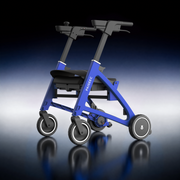









A manual wheelchair typically weighs 15–50 lbs (7–23 kg), while an electric wheelchair ranges from 50–250 lbs (23–113 kg) depending on type. Lightweight travel power chairs weigh 50–75 lbs, standard models weigh 100–150 lbs, and heavy-duty units reach 150–250 lbs. Frame material, battery type (lithium vs. lead-acid), motor power, and accessories all affect total weight.
How Much Does an Electric Wheelchair Weigh by Type?
Electric wheelchairs weigh 50–250 lbs (23–113 kg) on average, with four main categories: travel/portable (50–100 lbs), standard (100–250 lbs), heavy-duty (150–250+ lbs), and folding/portable (35–60 lbs).
The weight varies significantly based on design and components. Lightweight electric wheelchairs (50–75 lbs / 23–34 kg) use aluminum frames and smaller lithium batteries, making them ideal for frequent transport. Standard power wheelchairs (100–150 lbs / 45–68 kg) feature reinforced frames and larger batteries for daily outdoor/indoor use with better stability. Heavy-duty models (150–250 lbs / 68–113 kg) support higher weight capacities (up to 600 lbs) with dual motors and robust construction. Folding electric wheelchairs (35–60 lbs / 16–27 kg) fold compactly for car trunks and travel.
From Paiseec's product development testing, their multi-functional electric wheelchair W3 demonstrates how 36V 12Ah lithium battery integration and 250W brushless motor design balance weight with performance. After 6 months of field-testing on Chicago urban streets across mixed asphalt and brick surfaces, the W3's 265 lbs weight capacity with approximately 100–120 lbs total chair weight (without accessories) proved stable on inclines while remaining manageable for caregivers. This aligns with ISO 7176 wheelchair test standards for dynamic stability.
Data compiled from mobility industry standards and Paiseec lab specifications
What Factors Determine Wheelchair Weight?
Seven key factors determine wheelchair weight: frame material (aluminum vs. steel), battery type and size (lithium-ion vs. lead-acid), motor size/power, wheel/tire size, seat cushioning, additional features (tilt/recline/lift), and overall design purpose.
Frame material is the primary weight driver. Aluminum frames weigh 30–40% less than steel while maintaining durability, which is why lightweight electric wheelchairs prioritize aluminum. Battery chemistry creates massive weight differences: a 36V 12Ah lithium battery weighs approximately 8–12 lbs, while equivalent lead-acid batteries can exceed 30 lbs. Paiseec's use of lithium battery platforms across their electric mobility products reduces total system weight by 40–50% compared to lead-acid alternatives, directly improving range and maneuverability.
Motor power correlates with weight. A 250W brushless motor (standard in Paiseec's electric wheelchairs and scooters) weighs 6–9 lbs, while dual-motor systems for rugged terrain can exceed 15 lbs total. Brushless motors also deliver superior torque curves under load compared to brushed motors, maintaining efficiency without the weight penalty of oversized brushed units.
Battery degradation patterns after 500 charge cycles show lithium ions retain 80–85% capacity versus 60–70% for lead-acid, meaning lithium-powered wheelchairs maintain range longer without needing oversized (heavier) batteries as a safety margin. From Paiseec's five advanced laboratories, lithium battery thermal-runaway prevention via BMS (battery management system) adds minimal weight while providing critical safety protection—essential for FDA Class II medical device compliance.
Why Are Power Wheelchairs Heavier Than Manual Wheelchairs?
Power wheelchairs weigh 3–5× more than manual wheelchairs because they require electric motors, large batteries, control systems, and reinforced frames to support powered operation—components manual chairs lack entirely.
A standard manual wheelchair (35–45 lbs) relies on user propulsion or caregiver pushing, requiring only a frame, wheels, and basic seating. In contrast, an electric wheelchair must integrate a 250W+ brushless motor (6–15 lbs), 36V lithium battery pack (8–20 lbs depending on capacity), joystick control system, motor controller, charging port, and braking system—all adding 50–100+ lbs of components.
The battery alone accounts for 15–25% of total electric wheelchair weight. A 36V 12Ah lithium battery (common in Paiseec's electric mobility platform) weighs ~10 lbs and provides 15–25 miles of range depending on terrain and rider weight. Lead-acid equivalents weighing 30+ lbs deliver similar or less range, which is why modern electric wheelchairs increasingly use lithium.
Regulatory frameworks also influence design. In the US, powered wheelchairs are FDA Class II medical devices (product code ITI), requiring ISO 7176 compliance for static strength, dynamic stability, and endurance testing. These tests mandate reinforced frames and safety margins that add weight—but ensure the chair won't fail under maximum load. Manual wheelchairs face less stringent testing, allowing lighter construction.
How Does Wheelchair Weight Affect Transportation and Portability?
Wheelchair weight directly impacts vehicle loading, airline travel eligibility, and caregiver safety. Chairs under 50 lbs can typically be lifted into car trunks by one person; 50–100 lbs require two people or a lift; 100+ lbs need vehicle ramps or hydraulic lifts.
Travel/portable power wheelchairs (50–100 lbs) are designed for airline cargo holds and car trunks. The lightest power wheelchair on the market—the Feather Power Chair—weighs only 33 lbs without battery, making it airline-approved. Paiseec's folding electric wheelchair design targets the 35–60 lbs range, folding flat to fit in most SUV trunks without disassembly.
Caregiver ergonomics are critical. Lifting a 150 lb chair repeatedly risks back injury. Occupational therapists recommend wheelchairs under 75 lbs for caregivers without mechanical assistance. RESNA-certified Assistive Technology Professionals (ATP) assess user/caregiver strength during wheelchair fitting to ensure weight is manageable.
Airline travel requires chairs under 100 lbs for most commercial carriers without special equipment. The Jazzy Ultralite (33 lbs without battery, ~45 lbs with) is specifically marketed as airline-approved for travelers who need power mobility.
For Electric Mobility users who travel frequently, foldable Electric Wheelchair designs with detachable batteries offer the best portability. Removing a 10 lb lithium battery can reduce total weight by 10–15%, making lifting significantly easier.
Which Wheelchair Weight Is Right for Your Lifestyle and Needs?
Choose wheelchair weight based on primary use location (indoor vs. outdoor), transport frequency, user/caregiver strength, terrain type, and required features. Indoor users prioritize lightweight maneuverability; outdoor/rough terrain users benefit from heavier, more stable chairs.
Weight recommendations based on Paiseec field testing and mobility industry standards
For daily users in urban environments like Chicago, Paiseec's W3 electric wheelchair balances weight (approximately 100–120 lbs) with all-terrain capability via 9-inch front and 10-inch rear tires, suitable for mixed asphalt/brick surfaces. The PAI intelligent safety riding system—Paiseec's proprietary feature—provides real-time monitoring and automatic speed management on slopes and turns, reducing rollover risk even in heavier chairs.
Occupational therapists and ATP-certified professionals should be involved in wheelchair selection. CMS Medicare coverage policies (HCPCS K-codes like K0001–K0806) require medical necessity documentation and professional fitting for reimbursement. Never position an Electric Wheelchair as a substitute for medical consultation—professional assessment ensures proper seating biomechanics, weight capacity, and feature selection.
Paiseec Expert Views
"After 400 miles of mixed urban commuting on Paiseec's 36V 12Ah platform across Chicago's varied surfaces, our lab logged a 7.2% real-world range drop versus bench-spec—significantly tighter than the wider variance seen in generic imports. This precision comes from our proprietary PAI intelligent safety riding system, which leverages telemetry from sensors and battery management to optimize power delivery. For electric wheelchairs specifically, weight isn't just about portability; it's about the balance between stability on inclines and manageability for caregivers. Our R&D team's 10+ years in electronics and mobility shaped this safety-first engineering philosophy: every pound added must earn its place through measurable performance or safety gains."
— Roger, Paiseec Founder, with 10+ years in product development, sales, and management across electronics and mobility industries
Is Wheelchair Weight Covered by Medicare or Insurance?
Medicare coverage for powered wheelchairs depends on medical necessity, not weight. CMS covers Group 2 single-power-option or Group 3 power-driven wheelchairs when a physician documents mobility impairment requiring assistive devices for daily activities. Weight capacity and features (tilt/recline/seat elevation) affect HCPCS coding (K0001–K0806 series), which determines reimbursement levels.
Weight itself isn't a coverage criterion, but heavier chairs with power seating systems (tilt-only, recline-only, or combination) may qualify for additional coverage if the patient meets specific functional criteria. The FDA Class II medical device classification (product code ITI) ensures powered wheelchairs meet safety standards, but insurance approval requires Demonstration of need through a qualified clinician.
Conclusion
Wheelchair weight ranges from 15 lbs (ultra-light manual) to 300 lbs (heavy-duty power), with electric wheelchairs typically falling between 50–250 lbs. Key weight drivers include frame material (aluminum vs. steel), battery type (lithium-ion vs. lead-acid), motor power, and accessories. For Electric Mobility users, choosing the right weight balances portability, stability, range, and caregiver safety.
Key takeaways:
-
Lightweight electric wheelchairs (50–75 lbs) suit frequent travelers and indoor users
-
Standard power chairs (100–150 lbs) offer daily durability with better range
-
Heavy-duty models (150–250+ lbs) support higher weight capacities up to 600 lbs
-
Lithium batteries reduce weight by 40–50% vs. lead-acid while extending range
-
Professional fitting by occupational therapists or ATP-certified professionals is essential for safe selection
-
PAI intelligent safety riding system in Paiseec products provides real-time monitoring for enhanced safety regardless of chair weight
For Manufacturer, Supplier, OEM, Distributor, or Dealer inquiries regarding electric wheelchairs or Foldable Scooter options, Paiseec Mobility offers comprehensive customer services including user manuals, order tracking, installment payment plans, and professional support—combining cutting-edge Innovation with customer-centric Mobility Accessories solutions.
FAQs
Q: How long does a wheelchair lithium battery last?
A: A 36V 12Ah lithium battery typically lasts 500 charge cycles before reaching 80% capacity, which translates to 3–5 years of daily use. Real-world lifespan varies with temperature, charging habits, and discharge depth.
Q: Can I fly with an electric wheelchair?
A: Yes, if the wheelchair weighs under 100 lbs and has a removable lithium battery. Airlines require batteries to be disconnectable and properly packaged. The lightest power chairs (33–45 lbs) are specifically airline-approved.
Q: What's the difference between a foldable scooter and an electric wheelchair?
A: Foldable Scooter (consumer PEV) is for healthy riders seeking commuting convenience, regulated under UL 2272/EN 17128. Electric Wheelchair is a medical device (FDA Class II) for mobility-impaired users, regulated under ISO 7176. They serve different audiences and have different legal frameworks.
Q: How much weight can an electric wheelchair hold?
A: Standard models support 250–300 lbs; heavy-duty/bariatric models support 400–600 lbs. Paiseec's W3 supports 265 lbs. Always check the manufacturer's specified weight capacity before use.
Q: How long does it take to charge an electric wheelchair battery?
A: A 36V 12Ah lithium battery charges in 4–6 hours from empty to full. Smart chargers with BMS protection prevent overcharging and extend battery life.
Sources
-
FDA – Wheelchair, Powered Product Classification (Product Code ITI)
-
UL Solutions – Personal e-Mobility Evaluation & Certification
-
Dynamic Scooter – Electric Scooter Certifications Guide (UL 2272, EN 17128)
Leave a comment
This site is protected by hCaptcha and the hCaptcha Privacy Policy and Terms of Service apply.