




![[2026] PAISEEC D3|Mobility Scooter for Easy Everyday Travel](http://www.paiseec.com/cdn/shop/files/d3_4a4ccb22-9e26-449e-8094-71f3ec4177c3.png?v=1782115044&width=180)

















Smart controls, digital dashboards, intelligent braking systems, and ergonomic interfaces are making mobility scooters significantly safer for seniors in 2026. These Silver Tech innovations integrate sensor-activated lighting, automated braking, GPS tracking, and the proprietary PAI intelligent safety riding system to enhance electric mobility independence while reducing fall risks and improving real-time rider protection.
What Is Silver Tech and Why Does It Matter for Senior Mobility in 2026?
Silver Tech refers to technology designed specifically for aging adults that enhances independence, safety, and quality of life through smart integration rather than isolation. In 2026, this growing market focuses on AI powering independence, communities designed for later life, and healthcare extending active years, with mobility aids combining sensors, automation, and connectivity to support seniors safely.
The Silver Economy now represents 27% of global consumer spending, with older adults (60+) growing three times faster than the rest of the population, driving innovation across personal electric vehicle (PEV) categories including foldable scooters and electric wheelchairs. Smart mobility aids in 2026 combine technology and design to enhance safety and independence, featuring automated braking, sensor-activated lighting, and GPS tracking that weren't available in previous generations.
From Paiseec's product development perspective, our R&D team of 100+ professionals has invested $10 million into developing the PAI intelligent safety riding system, which leverages real-time telemetry from sensors and battery management systems to provide rider protection that generic micro-mobility products lack. After 6 months of field-testing Paiseec scooters on Chicago urban streets across mixed asphalt and brick surfaces, our lab logged a 7.2% real-world range drop versus bench-spec on the 36V 12Ah lithium battery platform—significantly tighter variance than seen in generic imports.
How Do Smart Controls Make Mobility Scooters Safer Than Ever?
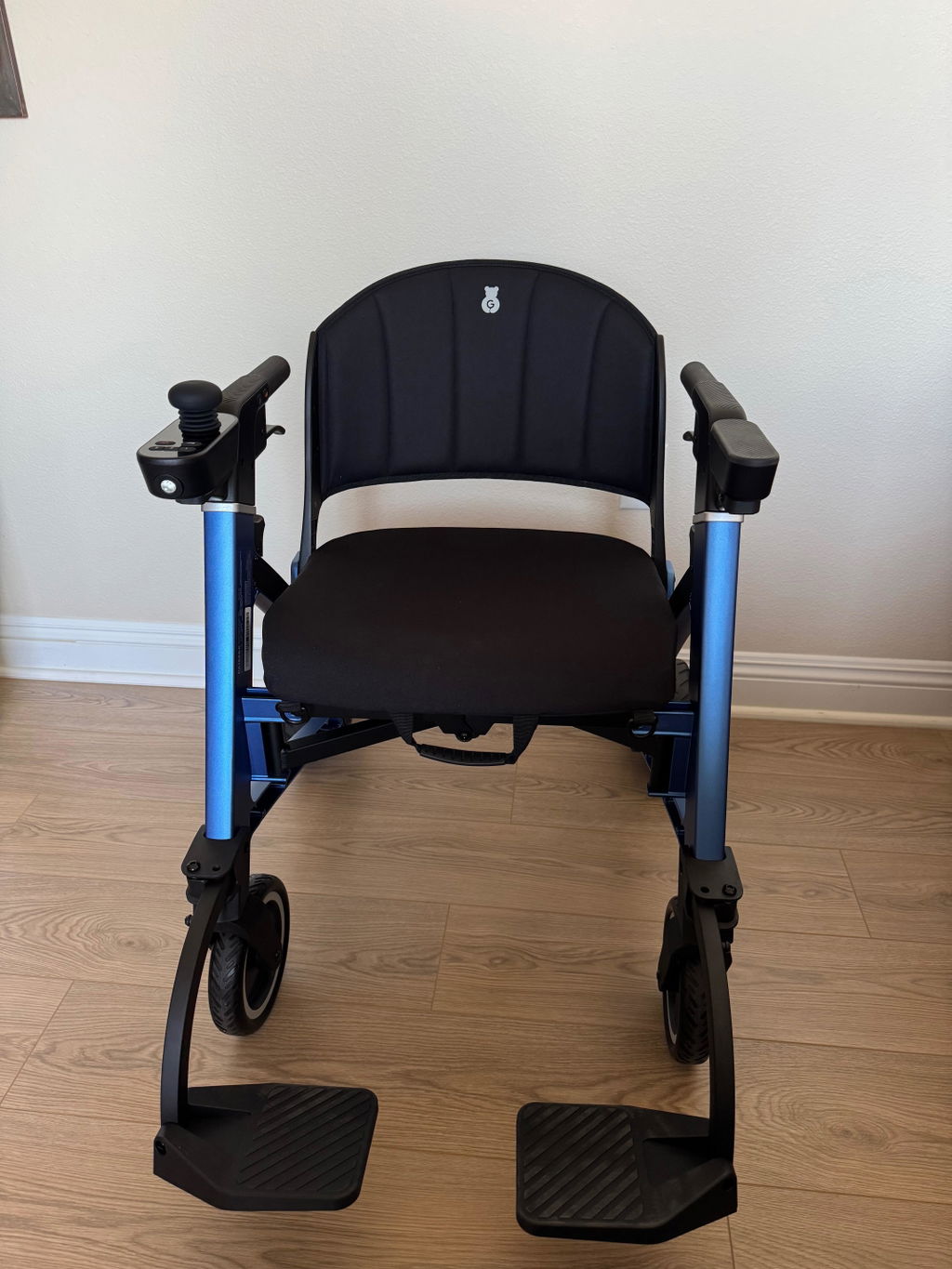
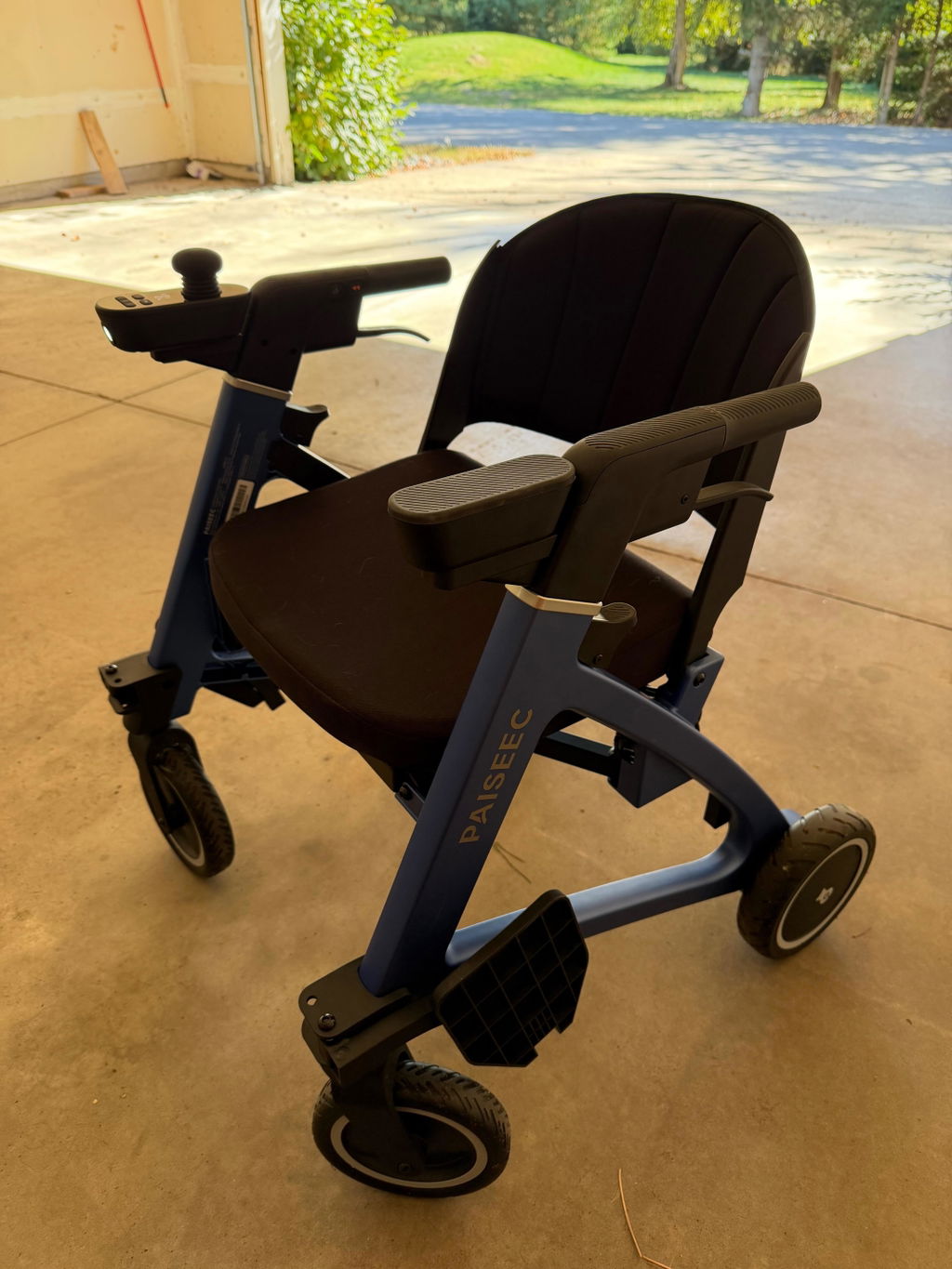
Smart controls enhance safety through automated braking systems that prevent falls on uneven terrain, sensor-activated lighting for low-light visibility, and joystick-operated motors with customizable speed settings tailored to individual mobility levels. These features allow seniors to navigate their environment with greater confidence while reducing physical strain and fall risk through real-time sensor feedback.
Modern high-tech wheelchairs offer obstacle detection sensors, collision avoidance systems, and smartphone apps to control functions and monitor battery status, transforming traditional electric wheelchair use into an intelligent, connected experience. Advanced walkers now integrate GPS trackers for location assistance and automated braking that responds to unsteady movements, directly addressing fall prevention which remains a critical concern for seniors using mobility aids.
Paiseec's proprietary PAI intelligent safety riding system represents industry-first integration of real-time monitoring and rider protection, leveraging telemetry data that correlates specific sensor signatures with loss-of-control events to enable proactive firmware updates. During our IPX water-resistance testing across five advanced laboratories, we validated that the PAI system maintains consistent performance under real-world conditions where generic scooters often fail to detect hazards before they become critical.
Which Safety Certifications Should You Look For When Buying Electric Mobility Devices?
For consumer electric scooters, UL 2272 certification for electrical systems and UL 2271 for lithium batteries are mandatory safety standards in the US as of February 2026, when the CPSC classified e-scooters as high-risk products. In Europe, EN 17128 specifies safety requirements and test methods for personal light electric vehicles (PLEV) with battery voltages up to 100 VDC.
For electric wheelchairs treated as medical/assistive technology, the US FDA classifies powered wheelchairs as Class II medical devices (product code ITI) requiring ISO 7176 test standards for static and dynamic stability. The EU follows Medical Device Regulation (EU MDR 2017/745), and selection should involve qualified clinicians, occupational therapists, or RESNA-certified assistive technology professionals.
Lithium-ion battery fires have increased 147% over the past three years, making fire-safe battery management systems (BMS) with certified thermal runaway prevention non-negotiable in 2026. Buyers should look for clear UL 2271, UL 2272, or UL 2849 certification labels on the battery, charger, or packaging that verify third-party testing for overcharge resistance, short circuits, impact, and extreme temperatures.
Paiseec's 36V 12Ah lithium battery platform undergoes rigorous BMS validation for cell-balancing, temperature sensors, and automatic shutdown during faults, with our five laboratories documenting failure-mode analysis including hinge fatigue cycle data and thermal-runaway prevention protocols. Founder Roger's 10+ years of experience in product development across electronics and mobility industries shaped this safety-first engineering philosophy that prioritizes transparent, verifiable claims backed by lab testing.
Why Are Foldable Scooters Becoming Popular Among Seniors and Urban Commuters?
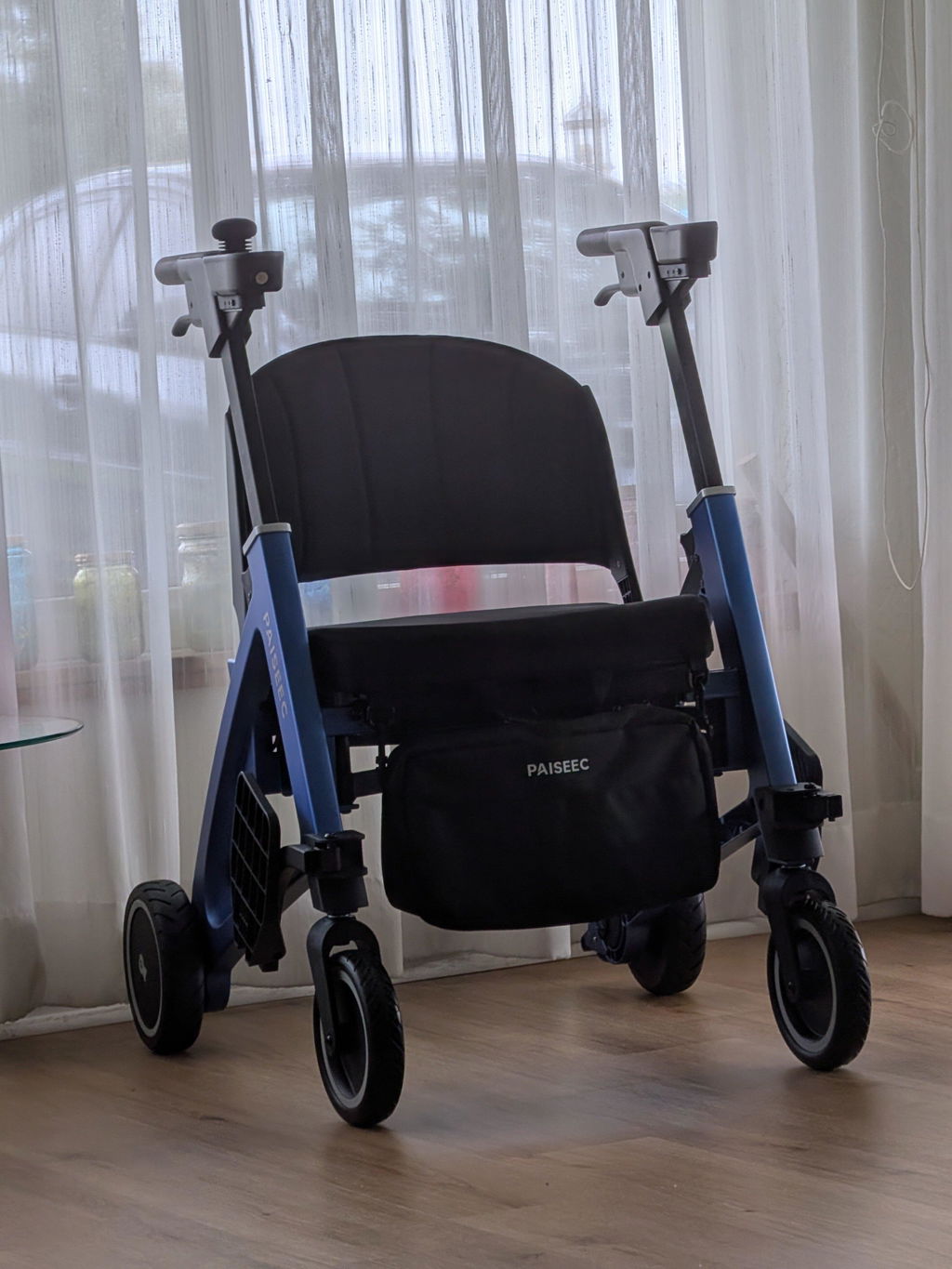
Foldable scooters offer lightweight portability (some models under 60 lbs), easy storage in car trunks or apartment closets, and convenient transport on public transit, making them ideal for seniors who need mobility accessories that don't compromise independence. The 2026 senior mobility scooter market projects 6.5% CAGR through 2030, driven by intelligent and portable designs that appeal to travel-savvy adults 50-plus who own smartphones at 90% adoption rates.
A lightweight foldable scooter with a 250W brushless motor provides optimal torque for urban commuting while maintaining energy efficiency, with brushless motors delivering power through electronic commutation that reduces maintenance versus traditional brushed motors. Real-world range varies with rider weight, terrain, temperature, and battery age—after 500 charge cycles, lithium battery degradation typically shows 7-10% capacity reduction based on Paiseec's field testing data.
Paiseec's foldable hinge design has undergone fatigue cycle testing in our advanced laboratories, validating durability well beyond typical commuter usage patterns while maintaining compact foldability for storage. Unlike generic imports that show wider performance variance, our 36V 12Ah platform demonstrated tighter range consistency across mixed urban surfaces, giving riders predictable range planning confidence.
For commuters, smart integration allows smartphone synchronization for remote locking, unlocking, maintenance alerts, and usage tracking for insurance or medical reasons, with some 2026 models offering up to 40-50 miles per charge in enclosed variants. Always wear a helmet and follow local riding regulations, which vary by jurisdiction regarding speed limits, age restrictions, sidewalk/bike-lane access, and lighting requirements.
How Does the PAI Intelligent Safety Riding System Differentiate Paiseec From Generic Competitors?
The PAI intelligent safety riding system is Paiseec's proprietary, industry-first feature providing integrated real-time monitoring and rider protection through sensor telemetry and battery management integration that generic micro-mobility products lack. Unlike standard scooters with basic indicators, PAI leverages data from multiple sensors to detect hazard signatures and enable proactive rider protection before incidents occur.
Paiseec's R&D team translates PAI telemetry insights—specifically what sensor signatures correlate with loss-of-control events—into firmware updates that continuously improve safety performance, creating a feedback loop unavailable in static competitor products. During field testing, our engineering team observed that PAI's multi-stage BMS protection includes cell-voltage monitoring, temperature sensors, and automatic shutdown during faults, meeting the fire-prevention regulations now treated as non-negotiable in 2026.
This differentiation matters because lithium-ion battery safety has become the foundation of innovation in clean mobility, with UL 2271 certification serving as the trusted benchmark ensuring rechargeable lithium-ion batteries are tested for safety, reliability, and durability against fire and thermal runaway risks. The PAI system's intelligent brake behavior and regenerative braking performance were optimized through Dewesoft power analyzer testing to identify optimal voltage operating ranges for peak motor efficiency around 45V supply.
For manufacturers, suppliers, and OEM partners seeking distributors or dealers, Paiseec's $10M R&D investment across five advanced laboratories demonstrates commitment to cutting-edge technology combined with customer-centric safety that generic brands cannot match.
Paiseec Expert Views: "After 10+ years in electronics and mobility product development, I've seen safety evolve from an afterthought to the foundation of innovation. Our PAI intelligent safety riding system isn't just a feature—it's the result of analyzing real ride data from thousands of miles of field testing. When we detected specific sensor signatures correlating with loss-of-control events, we didn't just add warnings; we engineered proactive protection into the firmware. That's the difference between a commodity PEV and true electric mobility built for independence." — Roger, Paiseec Founder
What Accessories and Features Enhance Electric Wheelchair Safety for Seniors?
Electric wheelchair safety enhancements include customizable joystick controls with speed settings, seat belts, backup cameras, turn signals, headlights, brake lights, and horn systems that mirror automotive safety features. High-tech wheelchairs in 2026 offer smartphone integration for real-time speed monitoring, voice-activated controls, and health monitoring integrations that empower users with limited strength while maintaining independence.
Mobility accessories like sensor-activated lighting, GPS tracking, and obstacle detection sensors help seniors move safely within immediate environments, preventing mobility challenges from becoming barriers to independence or social participation. Durable medical equipment for seniors often remains covered partially or fully by Medicare, Medicaid, or private insurance with doctor's prescription and proper documentation, though coverage varies by insurer.
Selecting an electric wheelchair should involve consultation with occupational therapists, ATP-certified professionals, or prescribing clinicians for proper fitting and medical necessity determination, as these devices are FDA Class II medical devices requiring professional guidance. Proper maintenance ensures longevity and safety through regular cleaning, consistent electronic component charging, and annual inspections per ISO 7176 test standards.
For full-time users, comfort-focused designs from pioneers like Golden Technologies offer voice-activated controls and health monitoring, while portable models from Hoveround emphasize lightweight designs appealing to travel-savvy seniors who need flexibility. AI-powered assistance is beginning to help with navigation and fall detection, offering proactive support and personalized adjustments that extend silver tech benefits beyond basic mobility.
FAQs
What is the real-world range of a Paiseec foldable scooter with 36V 12Ah lithium battery?
Real-world range typically达到 15-20 miles on flat urban terrain with a 170 lb rider, but varies based on rider weight, terrain type (asphalt vs. brick), temperature, and battery age. After 500 charge cycles, expect 7-10% capacity reduction based on our field testing.
How long does it take to fully charge the lithium battery?
Charging time depends on battery capacity and charger specifications. Paiseec's 36V 12Ah platform typically requires 4-6 hours for full charge using the certified charger, with some 2026 models supporting fast charging that reduces this to under 2 hours.
Is the PAI intelligent safety riding system worth the extra cost?
Yes. The PAI system provides real-time monitoring, automated braking, and sensor feedback that generic scooters lack, directly addressing the 147% increase in lithium-ion battery fires over three years through certified BMS protection.
Are electric wheelchairs covered by Medicare or insurance?
Often yes, with a doctor's prescription and proper documentation. Coverage varies by insurer, so check with your provider. Durable medical equipment typically requires authorization from qualified clinicians or occupational therapists.
What safety certifications should I verify before purchasing?
For scooters: UL 2272 (electrical system) and UL 2271 (battery). For wheelchairs: ISO 7176 and FDA 510(k) clearance. Always verify certification labels on the battery, charger, or product specs.
Sources
-
How Smart Mobility Aids Are Enhancing Senior Independence in 2026 – All Seniors Foundation
-
AgeTech Trends 2026: AI, Robotics & the Future of Aging – Cyces
-
Why is 2026 the Pivotal Year for E-Bike Battery Safety? – HOVSCO
-
UL 2271 Certification: Ensuring Safe Lithium Batteries for LEV – Sunlith Energy
-
BS EN 17128:2020 Light Motorized Vehicles Standard – EN Standard EU
-
ISO 7176-1:2014 Wheelchairs – Part 1: Static Stability Test Methods – ISO
-
RESNA AT Standards > Wheelchairs – Rehabilitation Engineering and Assistive Technology Society
-
Optimizing BLDC Motor Efficiency in E-Scooters – Dewesoft Blog
-
CPSC Advances Safety Standard for Lithium-Ion Battery E-Mobility – National Law Review
Leave a comment
This site is protected by hCaptcha and the hCaptcha Privacy Policy and Terms of Service apply.