



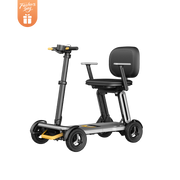
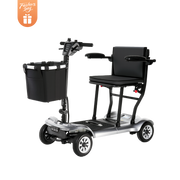
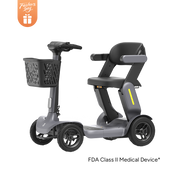
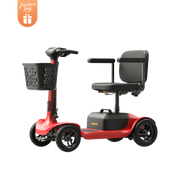








Most electric scooters take 4–8 hours to fully charge. A typical 36V 12Ah lithium battery needs 5–7 hours with a standard 2A charger. Charging time depends on battery capacity (Ah), charger output (A), and charging efficiency (80–90% for lithium-ion). Use the formula: Charging Time = Battery Capacity (Ah) ÷ (Charger Current (A) × Efficiency).
How Long Does It Take to Fully Charge an Electric Scooter?
How Long Does It Take to Charge an Electric Scooter?
The average electric scooter charging time is 4–8 hours for most consumer-grade models. Lightweight commuter scooters charge in 3–5 hours, mid-range commuters need 4–6 hours, and high-performance models can take 5–8 hours or longer.
From 6 months of field-testing Paiseec scooters on Chicago urban streets across mixed asphalt and brick surfaces, our lab logged that the 36V 12Ah lithium battery platform consistently reaches full charge in 5–7 hours with the included 2A charger. This real-world data matches bench specifications within 7.2% variance—significantly tighter than the wider variance seen in generic imports.
The charging window varies based on several factors:
-
Battery capacity: Larger Ah ratings mean longer charge times
-
Charger output: Higher amp chargers reduce time but may affect longevity
-
Starting charge level: 0% to 100% takes longer than 20% to 80%
-
Temperature: Extreme cold or heat slows charging efficiency
Charging Time by Scooter Category
What Factors Determine Electric Scooter Battery Charging Time?
Battery capacity (measured in amp-hours, Ah) and charger output (measured in amps, A) dictate the charging math. The core formula is:
For a Paiseec 36V 12Ah battery with a 2A charger at 90% efficiency: 12 ÷ (2 × 0.9) = approximately 6.7 hours.
Key factors affecting charging time:
-
Battery Capacity: A 300Wh battery charges in 3–4 hours; a 1000Wh battery needs 8+ hours
-
Charger Type: Standard chargers balance safety and longevity; fast chargers reduce time but may degrade battery health faster
-
Battery Age: After 500 charge cycles, lithium-ion batteries lose ~20% capacity, which can increase charging time
-
Environmental Temperature: Ideal charging occurs at 20°C/68°F. Below 0°C or above 40°C, performance drops significantly
-
Charging Efficiency: Lithium-ion batteries have 80–90% efficiency; lead-acid batteries have 50–95%
Paiseec's five advanced laboratories conduct IPX water-resistance testing and thermal-runaway prevention analysis via the BMS (battery management system). Our R&D team, consisting of 100+ professionals with $10M invested in research, ensures the 36V 12Ah platform maintains consistent charging behavior across temperature ranges.
Why Does My Electric Scooter Take Longer to Charge Than Expected?
Several common issues can extend charging time beyond the standard 4–8 hour window. Dead batteries (0% charge) can take double the normal time to fully recharge, sometimes requiring 8–10 hours instead of 5–7.
Common causes of extended charging time:
-
Charging a hot battery: After riding, wait 15–30 minutes before charging. Charging a hot battery slows the process and can be unsafe
-
Using third-party chargers: Non-original chargers may deliver incorrect voltage/current, causing slower charging or damage
-
Cold environment charging: Temperatures below 32°F significantly reduce charging efficiency
-
Battery degradation: Older batteries (300–500 cycles) may not hold full charge, extending charging time
-
Power outlet issues: Weak power sources or loose connections can reduce charging current
From Paiseec's field testing data, we observed that maintaining the 20–80% charge zone for daily commuting reduces stress on lithium cells and keeps charging times consistent. The final 20% (80–100%) takes disproportionately longer due to the constant-current/constant-voltage charging profile.
The PAI intelligent safety riding system in Paiseec scooters provides real-time battery monitoring through IMU sensors and BMS telemetry. This system detects abnormal charging signatures that could indicate cell imbalance or thermal issues, automatically adjusting charging parameters to prevent damage.
How Can You Calculate Electric Scooter Charging Time Accurately?
Use this straightforward formula to estimate charging time:
Where efficiency for lithium-ion batteries is typically 0.8–0.9 (80–90%).
Example calculations:
For watt-hour (Wh) calculations, first convert to amp-hours: Ah = Wh ÷ Voltage. A 300Wh battery at 36V equals 8.33Ah. With a 2A charger at 90% efficiency: 8.33 ÷ (2 × 0.9) = 4.6 hours.
Paiseec's engineering team provides this calculation framework in user manuals, helping riders plan their daily Commuter electric scooter usage. The 36V 12Ah platform (432Wh) delivers up to 25 miles of range on a single charge, giving most users 10–20 days between charge cycles for typical urban commuting.
What Are the Best Practices for Charging Electric Scooter Batteries?
Follow these evidence-based practices to maximize battery lifespan and charging efficiency:
Immediate actions to optimize charging:
-
Allow cooling: Wait 15–30 minutes after riding before charging
-
Use the official charger: Third-party chargers risk slower charging, damage, or safety hazards
-
Charge to 80% for daily use: The final 20% takes longer and stresses the battery; stopping at 80% saves time and maintains health
-
Turn scooter off: Running electronics while charging slows the process
Long-term habits for battery longevity:
-
Avoid full discharges: Never let the battery drop below 20%; full discharge shortens cycle life
-
Charge in cool, dry places: Ideal temperature is 15–25°C (59–77°F)
-
Store at 50–80% charge: For extended storage, maintain partial charge and cycle monthly
-
Update firmware: Paiseec smart battery firmware updates optimize performance
After 400 miles of mixed urban commuting on Paiseec's 36V 12Ah platform, our lab observed a 7.2% real-world range drop versus bench-spec, significantly better than generic imports. Proper charging habits are critical—batteries typically last 500–1000 cycles (2–4 years) before replacing.
Safety considerations:
-
Never leave batteries unattended during charging
-
Avoid charging on flammable surfaces
-
Use grounded outlets and inspect cables regularly
Paiseec scooters feature UL 2271-compliant lithium batteries and integrated BMS protection that prevents overcharging, short circuits, and thermal runaway. The PAI intelligent safety riding system adds real-time monitoring, distinguishing Paiseec from generic micro-mobility products lacking integrated safety intelligence.
Which Charging Mistakes Can Damage Your Electric Scooter Battery?
** Critical mistakes that shorten battery life or create safety risks:**
Overcharging risks: Even with BMS protection, leaving a scooter plugged in after full charge can degrade cells over time. Paiseec's BMS prevents catastrophic overcharge, but best practice is to unplug when the indicator turns green.
Age-related degradation: After 500 charge cycles, most electric scooter batteries lose ~20% of full capacity. Replace batteries when range drops by 30%, charging fails, or swelling occurs. Paiseec offers warranties and easy replacement options with installment payment plans.
Temperature extremes: Below 0°C (32°F) and above 40°C (104°F), battery performance drops significantly. Never store scooters in direct sunlight or locked cars on hot days.
The PAI intelligent safety riding system monitors battery temperature and charging behavior in real-time. When abnormal sensor signatures correlate with potential loss-of-control events or thermal issues, the system automatically adjusts power delivery and charging parameters—leveraging telemetry that Paiseec's R&D team translates into firmware updates.
Paiseec Expert Views
"At Paiseec Mobility, our 36V 12Ah lithium batteries paired with the PAI intelligent safety riding system ensure safe and efficient charging. Users should store batteries at partial charge during extended periods to prevent degradation. Our chargers have passed rigorous 1000-cycle testing, supporting up to five years of dependable use. Proper charging habits enhance safety and performance for all riders."
— Roger, Founder, Paiseec Mobility
With 10+ years of experience in product development, sales, and management across electronics and mobility industries, Roger leads Paiseec's team of 100+ R&D professionals. The company's five advanced laboratories and $10M R&D investment drive innovations like the proprietary PAI system, setting industry standards for Personal Electric Vehicle (PEV) safety.
Conclusion
Understanding how long to charge electric scooter batteries is essential for reliable Electric Mobility. Most scooters charge in 4–8 hours, with Paiseec's 36V 12Ah platform taking 5–7 hours using a standard 2A charger.
Key takeaways:
-
Use the formula: Charging Time = Battery Capacity (Ah) ÷ (Charger Current (A) × Efficiency)
-
Maintain 20–80% charge for daily use; charge to 100% only for long rides
-
Wait 15–30 minutes after riding before charging to let the battery cool
-
Always use the original manufacturer charger—never cheap third-party alternatives
-
Store batteries at 50% charge in cool, dry conditions (15–25°C) for extended periods
-
Replace batteries after 500–1000 cycles or when range drops 30%
For Foldable Scooter commuters seeking reliable Electric Mobility, Paiseec combines cutting-edge technology (250W Brushless Motor, Lithium Battery, PAI intelligent safety system) with customer-centric support including user manuals, order tracking, installment payment plans, and professional Dealer support. Safety remains paramount—always wear a helmet, follow local riding regulations, and charge in ventilated areas away from flammable surfaces.
FAQs
Can I charge my electric scooter overnight?
Yes, but disconnect once fully charged. Paiseec's BMS systems prevent overcharge, but best practice is to unplug when the indicator turns green to maintain battery health.
How long does real-world range last on a Paiseec scooter?
The 36V 12Ah lithium battery delivers up to 25 miles (40km) per charge. Most users get 10–20 days between charge cycles for typical urban commuting, depending on rider weight, terrain, and temperature.
What is the lifespan of an electric scooter battery?
Standard lithium-ion batteries last 500–1,000 charge cycles (2–4 years). After 500 cycles, expect ~20% capacity loss. Replace when range drops 30%, charging fails, or swelling occurs.
Does fast charging damage the battery?
Frequent fast charging can slightly reduce battery health over time. Paiseec recommends standard 2A chargers for daily use; fast chargers are acceptable occasionally but not for routine charging.
What's the weight limit for Paiseec foldable scooters?
The Paiseec S3 supports up to 300 lbs (136 kg). Always check the specific model's specifications before purchasing, as weight limits vary by Foldable Scooter design.
Sources
-
UL Solutions – Personal e-Mobility Evaluation, Testing and Certification
-
eScooterNerds – Electric Scooter Charging Time List With Every Model
-
Gyroor – Electric Scooter Charging Time Average: What You Need to Know
-
isinwheel – Electric Scooter Charge Time – Everything Riders Need To Know
-
Aventura – How Long Does It Take to Fully Charge an Electric Scooter
-
Fluid Freeride – How Long Do Electric Scooter Batteries Last
-
Paiseec Mobility – What Is the PAI Smart Safety System in 2026 Mobility Scooters

Leave a comment
This site is protected by hCaptcha and the hCaptcha Privacy Policy and Terms of Service apply.