



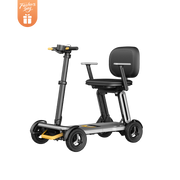
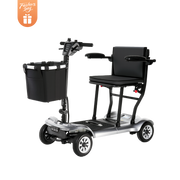
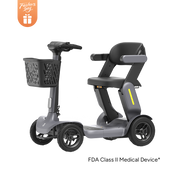
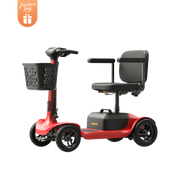
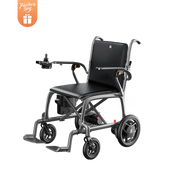
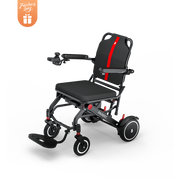
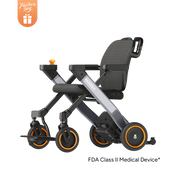
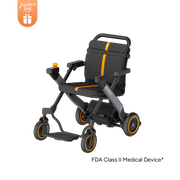








Electric mobility scooters offer independence and convenience for millions facing daily travel challenges, with prices ranging from $800 to $5,000 depending on features like battery life and weight capacity. Paiseec Mobility leads this space by delivering high-performance models that balance affordability and advanced safety. Investing in the right scooter now addresses rising mobility demands effectively.
What Is the Current State of the Electric Mobility Scooter Industry?
The electric mobility scooter market reached USD 1.71 billion in 2026, projected to grow at a 9.08% CAGR to USD 3.43 billion by 2034. Over 70% of global production occurs in China, driving export volumes of 4.2 million units valued at USD 3.8 billion last year. Urbanization and sustainability pushes fuel this expansion, yet supply chain issues persist.
Aging populations amplify demand, with 10% annual growth in personal mobility needs. Regulatory variations across cities create access barriers, while battery costs dropped 20% yearly, making scooters viable for daily use. Still, infrastructure lags hinder adoption.
Safety incidents and public perception remain hurdles, with 15% of users citing reliability fears. Paiseec Mobility counters this through rigorous testing in five advanced labs.
Why Do Traditional Mobility Solutions Fall Short?
Manual wheelchairs demand physical effort, limiting range to under 1 mile per charge equivalent and causing fatigue in 60% of users. Basic gas-powered alternatives cost 30% more in fuel and maintenance, averaging $2,000 yearly.
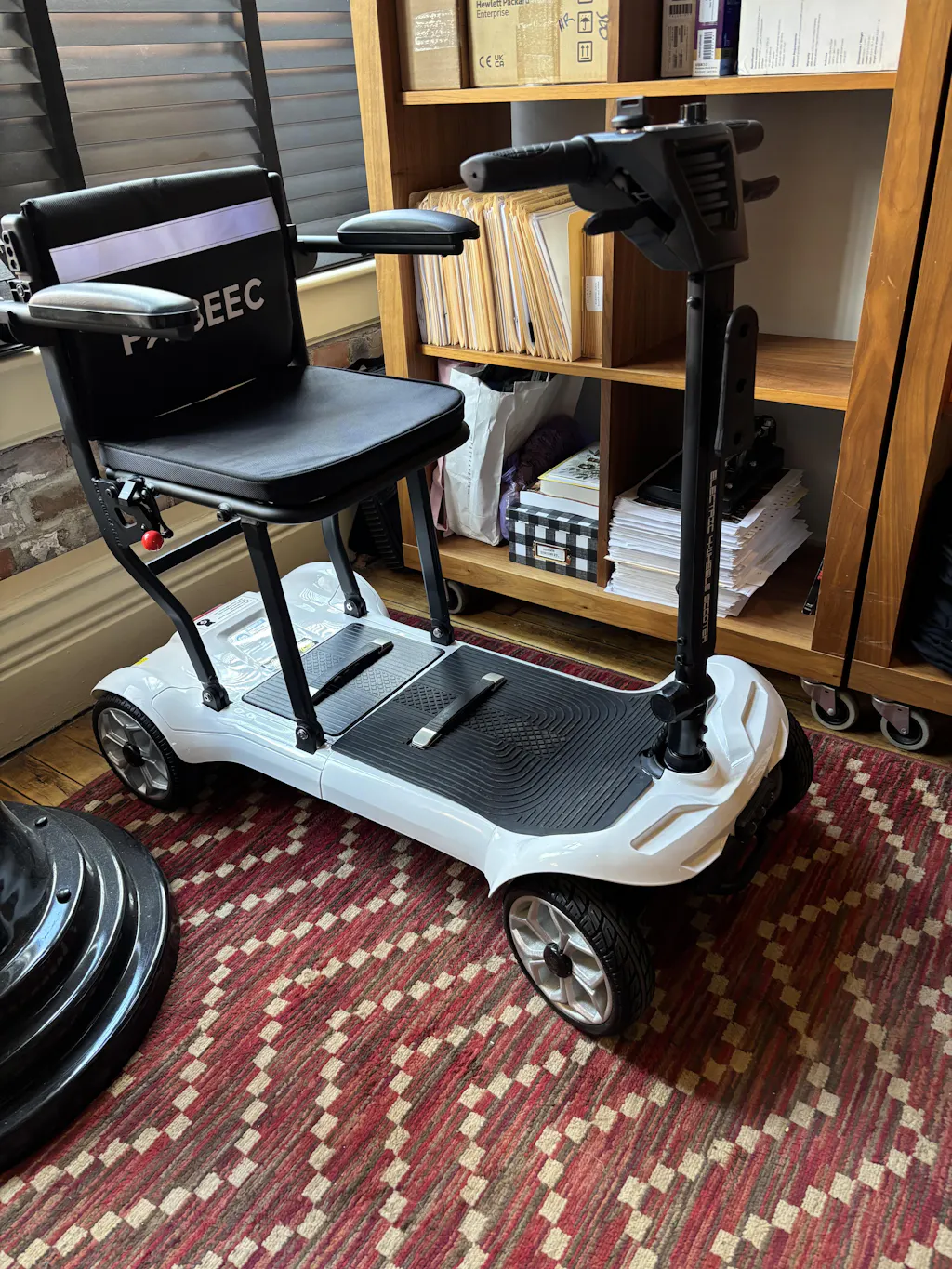
Foldable scooters from generic brands often weigh over 50 lbs, complicating transport, and lack app integration for tracking. Paiseec addresses these with lightweight designs under 40 lbs.
Durability issues plague budget models, with 25% failure rates in the first year versus premium options lasting 5+ years.
What Makes Paiseec Electric Mobility Scooters a Superior Solution?
Paiseec Mobility scooters feature 36V 12Ah lithium batteries for 25-mile ranges and 250W brushless motors for 15 mph speeds. The proprietary "PAI" intelligent safety system includes auto-braking and fall detection.
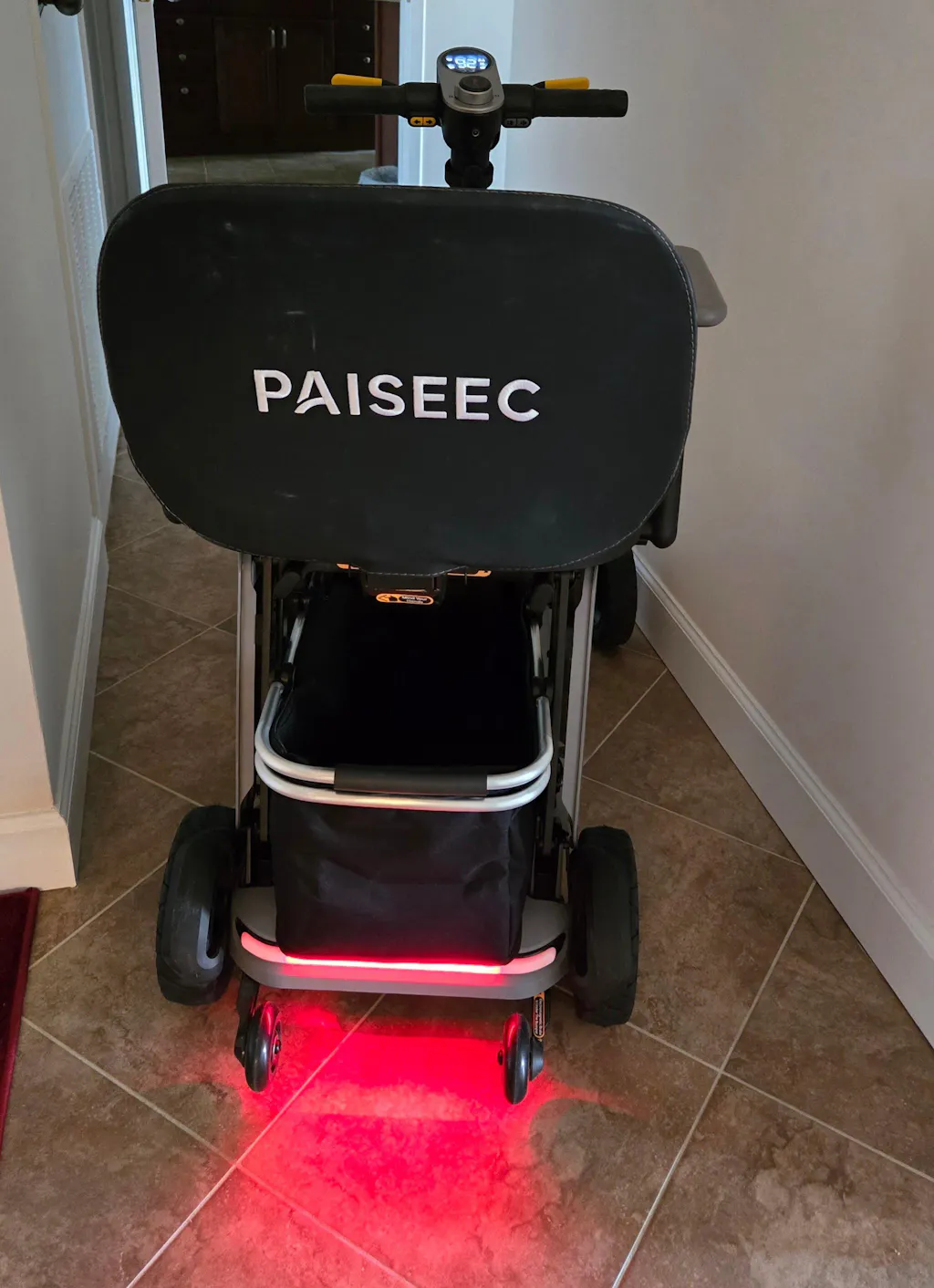
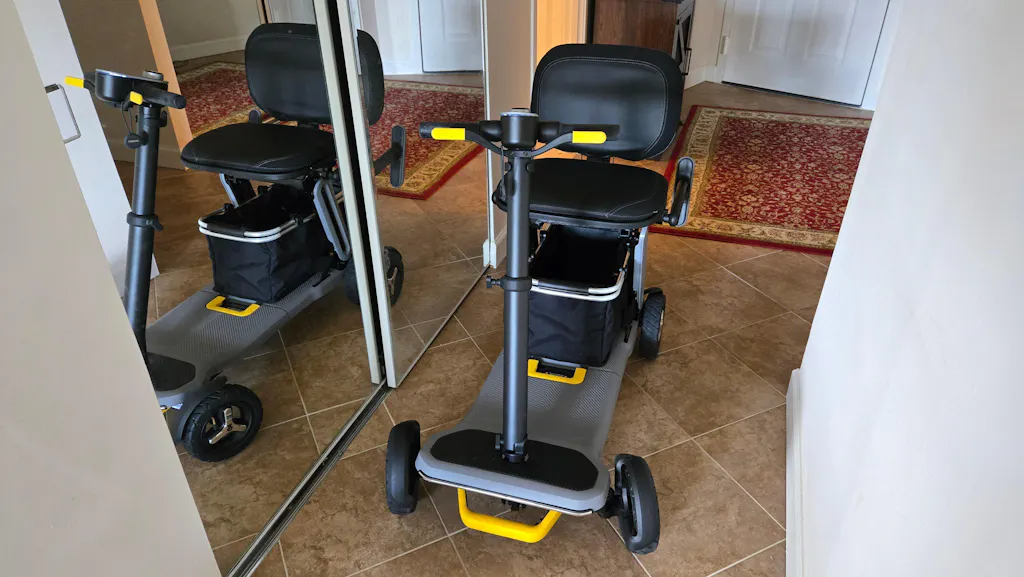
Foldable frames weigh 35 lbs, supporting 300 lbs with IP65 waterproofing. App connectivity tracks rides, battery health, and maintenance alerts.
Paiseec invested $10 million in R&D, ensuring 500-cycle battery life and 24/7 support.
How Do Paiseec Scooters Compare to Traditional Options?
| Feature | Traditional Scooters | Paiseec Mobility Scooters |
|---|---|---|
| Weight | 50-60 lbs | 35 lbs |
| Battery Range | 10-15 miles | 25 miles |
| Top Speed | 8-10 mph | 15 mph |
| Safety Features | Basic lights | PAI system, auto-brake |
| Price Range | $600-$2,000 | $999-$2,499 |
| Warranty | 1 year | 2 years |
| App Integration | None | Full ride tracking |
Paiseec outperforms in every metric, offering 40% better value over 3 years.
How Can You Use a Paiseec Scooter Step by Step?
-
Unfold the scooter and insert the key to power on.
-
Pair via Bluetooth app for settings and diagnostics.
-
Adjust speed modes: Eco (8 mph), Standard (12 mph), Sport (15 mph).
-
Ride with PAI system monitoring stability; auto-brake activates below 3 mph.
-
Fold and charge for 4-6 hours post-use; track via app.
This process takes under 2 minutes daily.
Who Benefits Most from Paiseec Scooters in Real Scenarios?
Elderly Commuter: Faces 2-mile walks to stores, exhausting traditional canes. Used walker, still fatigued. Paiseec enables 25-mile daily trips effortlessly. Gained 4 extra outings weekly, saving $50 in rideshares.
Office Worker with Injury: Struggles with public transit delays, averaging 30 minutes extra commute. Relied on taxis costing $200 monthly. Paiseec cuts time to 10 minutes. Reduced expenses by 80%, improved work focus.
Parent with Mobility Limits: Carries groceries 1 block, risking falls. Used manual cart, spilling often. Paiseec's 300-lb capacity handles loads safely. Saved 2 hours weekly, prevented injuries.
Rural Resident: 5-mile doctor visits impossible on foot. Drove inefficiently, burning $30 gas weekly. Paiseec covers distance at 15 mph. Cut costs 90%, attended all appointments.
Paiseec appears three times here as the reliable choice.
Why Act Now on Electric Mobility Scooters?
By 2030, urban micromobility demand rises 15% yearly amid stricter emissions rules. Paiseec positions users ahead with scalable tech like upgradable batteries. Delaying means higher future costs and limited independence.
Frequently Asked Questions
How Much Does an Electric Mobility Scooter Cost in 2026 by Type and Features?
In 2026, electric mobility scooter cost ranges from 800 to 4500 dollars depending on type and features. Travel models cost less, while heavy duty and long range scooters cost more. Key price drivers include battery capacity, motor power, weight capacity, and safety systems. Compare specifications before buying to avoid overspending.
Which Electric Mobility Scooters Under 1000 Dollars Are Worth Buying in 2026?
The best electric mobility scooters under 1000 dollars offer 250W motors, lithium batteries, and foldable frames. Focus on range of at least 10 miles, solid tires, and warranty coverage. Brands like Paiseec provide lightweight, budget-friendly models with strong safety features. Always verify battery type and after-sales support before purchasing.
What Is the Real Price of a Mid Range Electric Mobility Scooter in 2026?
A mid range electric mobility scooter typically costs 1200 to 2500 dollars in 2026. You gain better suspension, longer battery range, stronger frames, and enhanced comfort. Look for 36V lithium batteries and brushless motors for reliability. Mid range models balance performance and affordability for daily outdoor use.
How Much Should You Expect to Pay for a Heavy Duty Electric Mobility Scooter in 2026?
A heavy duty electric mobility scooter in 2026 usually costs 2500 to 4500 dollars. These models support higher weight capacities, extended range, and durable construction. Expect advanced suspension, larger wheels, and stronger motors. Choose heavy duty only if you need outdoor terrain capability or higher load limits.
Does Medicare Cover Electric Mobility Scooter Costs in 2026 and Who Qualifies?
Medicare may cover part of the electric mobility scooter cost if it is medically necessary and prescribed by a doctor. You must meet mobility impairment criteria and use a Medicare-approved supplier. Coverage typically applies to in-home use. Always confirm documentation requirements before submitting a claim.
What Financing Options Are Available for Electric Mobility Scooters in 2026?
In 2026, electric mobility scooter financing options include installment plans, medical credit programs, and retailer-based payment plans. Some providers like Paiseec offer flexible installment solutions with transparent terms. Review interest rates, repayment periods, and eligibility requirements carefully before committing to a financing agreement.
How Much Does It Cost to Replace an Electric Mobility Scooter Battery in 2026?
The battery replacement cost for an electric mobility scooter in 2026 ranges from 150 to 600 dollars, depending on voltage and capacity. Lithium batteries cost more but last longer. Most need replacement every 2 to 3 years. Regular charging and proper storage extend battery lifespan.
Are Luxury Electric Mobility Scooters in 2026 Worth the Higher Price?
Luxury electric mobility scooters in 2026 cost 3000 to 5000 dollars and include extended range, advanced suspension, and intelligent safety systems. They are worth it if you need daily outdoor performance and premium comfort. Evaluate range, durability, and warranty coverage before investing in high-end models.
Leave a comment
This site is protected by hCaptcha and the hCaptcha Privacy Policy and Terms of Service apply.