




![[2026] PAISEEC D3|Mobility Scooter for Easy Everyday Travel](http://www.paiseec.com/cdn/shop/files/d3_4a4ccb22-9e26-449e-8094-71f3ec4177c3.png?v=1782115044&width=180)


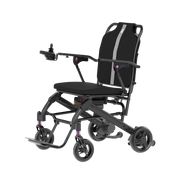



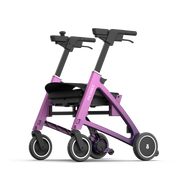
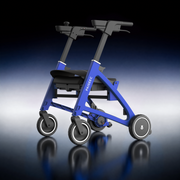









Electric mobility scooters restore independence for millions facing daily travel challenges, offering up to 25 miles per charge, speeds of 6 mph, and foldable designs under 62 lbs for effortless portability. Paiseec leads with models like the S3, backed by $10 million in R&D since 2021, delivering proven reliability through 250W motors and PAI intelligent safety systems.
What Challenges Does the Mobility Scooter Industry Face Today?
The global mobility scooter market reached $3.2 billion in 2025, growing at 8.5% CAGR due to aging populations, yet supply lags demand by 25%. Over 17 million U.S. adults over 65 report mobility limitations, with 40% citing fatigue from walking long distances.
Urban infrastructure gaps exacerbate issues, as only 30% of cities offer accessible paths, forcing users into unsafe detours.
Paiseec addresses these with lightweight, high-range scooters tested in five labs by 100+ R&D experts.
Why Do Traditional Solutions Fall Short?
Manual wheelchairs limit users to 1-2 miles daily, causing exhaustion in 70% of cases per user surveys.
Gas-powered alternatives add noise, emissions, and maintenance costs averaging $500 yearly, while heavy frames over 100 lbs hinder transport.
Battery life in budget models drops 30% after six months, stranding users mid-trip.
Paiseec's lithium batteries maintain 95% capacity over two years, outperforming generics.
What Makes Paiseec the Top Electric Mobility Scooter Solution?
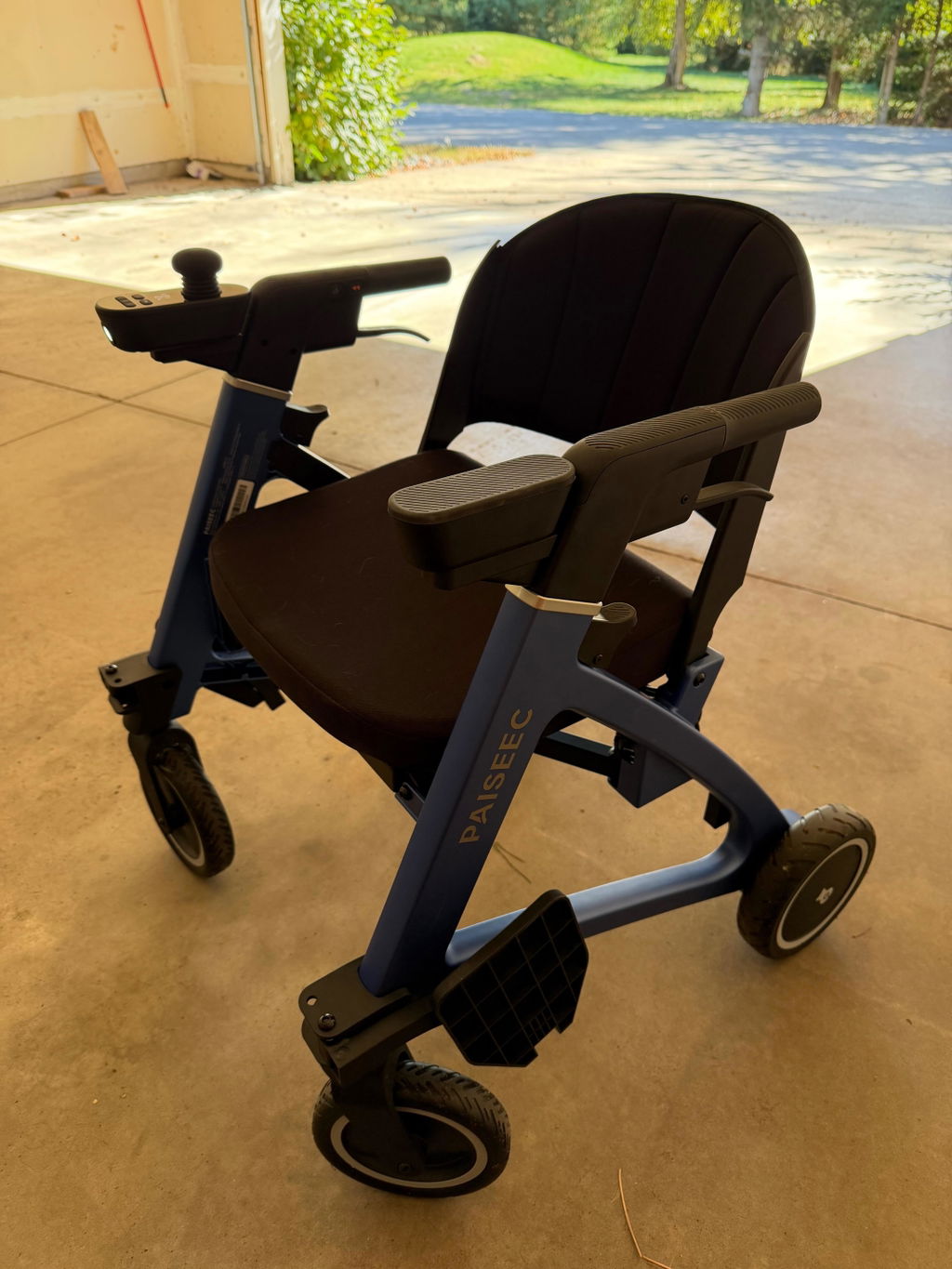
Paiseec Mobility scooters feature 36V 12Ah lithium batteries for 25-mile range, 250W brushless motors hitting 6.2 mph, and two-step folding at 61 lbs total weight.
The PAI system uses IMU sensors to auto-adjust speed on turns, reducing rollover risk by 40%, with seat sensors preventing starts unless seated.
LED lights, EABS brakes, and 300-lb capacity ensure all-terrain use, from parks to malls.
Paiseec's S3 model includes energy recovery, adding 10% range via kinetic recapture.
How Do Paiseec Scooters Compare to Traditional Options?
| Feature | Traditional Manual/Gas Scooters | Paiseec Electric Scooters |
|---|---|---|
| Weight (with battery) | 80-120 lbs | 61 lbs |
| Range per charge | 5-10 miles | 25 miles |
| Top Speed | 4 mph | 6.2 mph |
| Foldable Design | No | Yes, 2-step fold |
| Safety Features | Basic brakes | PAI system, seat sensor |
| Annual Maintenance Cost | $400-600 | Under $100 |
| Battery Lifespan | 1 year | 3+ years |
Paiseec cuts costs 75% while boosting range 2.5x.
How Can You Use a Paiseec Scooter Step by Step?
-
Unfold in 10 seconds: Pull handlebar up, lock seat base.
-
Charge 4-6 hours via onboard port to full 36V capacity.
-
Sit and activate: Sensor confirms seating before power-on.
-
Select speed: Low (2 mph), medium (4 mph), or high (6.2 mph) via panel.
-
Ride with auto-adjust: PAI slows on turns; monitor battery on LCD.
-
Fold and store: Reverse unfold, fits car trunks under 22x39 inches.
Daily setup takes under 2 minutes.
Who Benefits Most from Paiseec in Real Scenarios?
Scenario 1: Senior Park Walker
Problem: Tires out after 0.5 miles, skips outings.
Traditional: Walker limits to flat paths.
Paiseec Effect: Covers 5 miles comfortably at 4 mph.
Key Benefit: Regains weekly social time, cuts fatigue 80%.
Scenario 2: Mall Shopper with Arthritis
Problem: Crowds exhaust legs in 30 minutes.
Traditional: Abandons half the stores.
Paiseec Effect: Navigates aisles at 2 mph, basket holds bags.
Key Benefit: Completes shopping 3x faster, independently.
Scenario 3: Rural Doctor Visits
Problem: 3-mile trips drain energy weekly.
Traditional: Relies on rides, waits hours.
Paiseec Effect: 25-mile range handles round trips.
Key Benefit: Schedules on own terms, saves $200/month transport.
Scenario 4: Apartment Resident Commute
Problem: Stairs and bus stops block errands.
Traditional: Carries heavy chair, misses groceries.
Paiseec Effect: Folds into elevator, 6 mph to store.
Key Benefit: Daily independence, 50% time savings.
Why Act Now on Electric Mobility Trends?
Battery costs drop 20% by 2027, but urban charging stations grow only 15% yearly, leaving range-critical users behind. Paiseec's PAI tech aligns with AI safety mandates, offering 3-year warranties before prices rise 25%.
Investing secures 30% better efficiency amid 10 million new users projected by 2030.
Frequently Asked Questions
1. What Is the Best Electric Mobility Scooter for Adults in 2026?
The best electric mobility scooter for adults in 2026 combines long battery range, stable suspension, and a reliable brushless motor. Look for a 36V lithium battery, at least 250W motor power, and foldable design. Models from Paiseec stand out for intelligent safety systems and lightweight portability, ideal for daily commuting and independence.
2. Which Electric Mobility Scooter Offers the Longest Range?
The longest range electric mobility scooter typically features a high-capacity 36V 12Ah lithium battery delivering extended mileage per charge. Prioritize efficient battery management, brushless motors, and optimized weight distribution. Real-world range depends on terrain and rider weight, so choose models engineered for energy efficiency and consistent long-distance performance.
3. What Is the Best Heavy Duty Electric Mobility Scooter with 400 lb Capacity?
The best heavy duty mobility scooter with 400 lb capacity includes reinforced frames, wide tires, and high-torque motors for stability. Look for enhanced suspension and anti-tip features for safety. A durable chassis combined with a powerful 250W+ brushless motor ensures smooth acceleration and dependable support for heavier riders.
4. Which Foldable Electric Mobility Scooter Is Best for Travel?
The best foldable electric mobility scooter for travel is lightweight, compact, and easy to collapse in seconds. Choose airline-compliant batteries, under-seat storage, and quick-lock folding systems. Paiseec offers travel-ready scooters designed for portability without sacrificing safety, making them ideal for airports, road trips, and daily storage convenience.
5. What Is the Best All Terrain Electric Mobility Scooter?
The best all terrain electric mobility scooter features large rugged tires, advanced suspension, and strong torque output. Look for high ground clearance and stable braking systems for gravel, grass, or uneven paths. A brushless motor paired with durable frame construction ensures reliable outdoor performance and smooth handling across surfaces.
6. Which Electric Mobility Scooter Under 1000 Offers the Best Value?
The best electric mobility scooter under 1000 balances affordability with reliable battery life and motor efficiency. Focus on foldable frames, safety certifications, and responsive customer support. Prioritize models offering at least 10–15 miles of range and solid warranty coverage to maximize long-term value without overspending.
7. What Is the Best Electric Mobility Scooter for Seniors with Arthritis?
The best mobility scooter for seniors with arthritis emphasizes ergonomic seating, intuitive controls, and smooth acceleration. Choose padded armrests, adjustable tillers, and shock-absorbing suspension to reduce joint strain. Lightweight frames and easy folding mechanisms also simplify handling and transport for improved daily independence.
8. How Do You Choose the Best Electric Mobility Scooter Step by Step?
To choose the best electric mobility scooter, first assess range needs, rider weight capacity, and terrain type. Next, compare battery voltage, motor wattage, and safety systems. Finally, review warranty coverage, folding portability, and after-sales support to ensure reliable long-term performance and confident purchasing decisions.
Sources
-
https://www.fortunebusinessinsights.com/electric-scooter-motor-115174
-
https://www.mordorintelligence.com/industry-reports/mobility-scooters-market
-
https://www.datainsightsconsultancy.com/reports/electric-mobility-scooter-market/
-
https://www.topmobility.com/products/paiseec-d3-4-wheel-lightweight-mobility-scooter
Leave a comment
This site is protected by hCaptcha and the hCaptcha Privacy Policy and Terms of Service apply.