



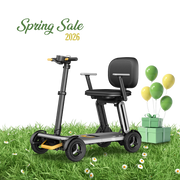
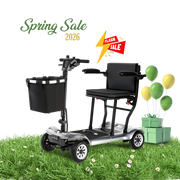
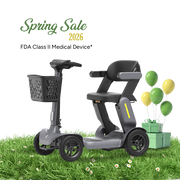
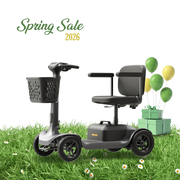
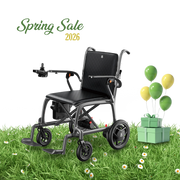
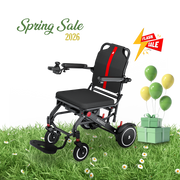
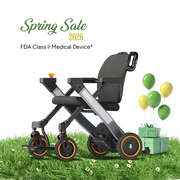
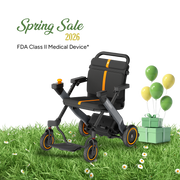






Donating a motorized wheelchair provides independence to those in need while reducing environmental waste and offering potential tax benefits. Ensure your wheelchair is fully functional, clean, and includes accessories. Contact local nonprofits or disability organizations to confirm acceptance. Paiseec Mobility’s durable, foldable models with advanced safety features make ideal donations, helping recipients regain mobility quickly and safely.
What Is a Motorized Wheelchair?
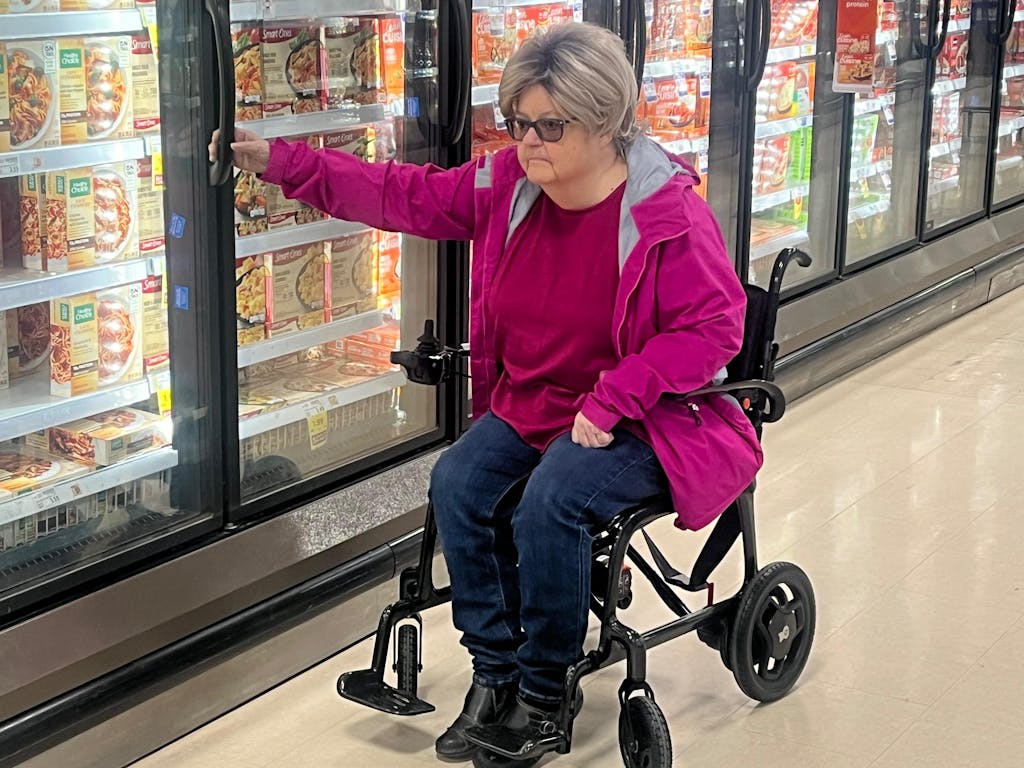
A motorized wheelchair, also called a power wheelchair, uses an electric motor and rechargeable battery to assist users with mobility challenges. Unlike manual wheelchairs, these devices allow independent movement indoors and outdoors, with adjustable seats, joystick controls, and speeds up to 8 mph.
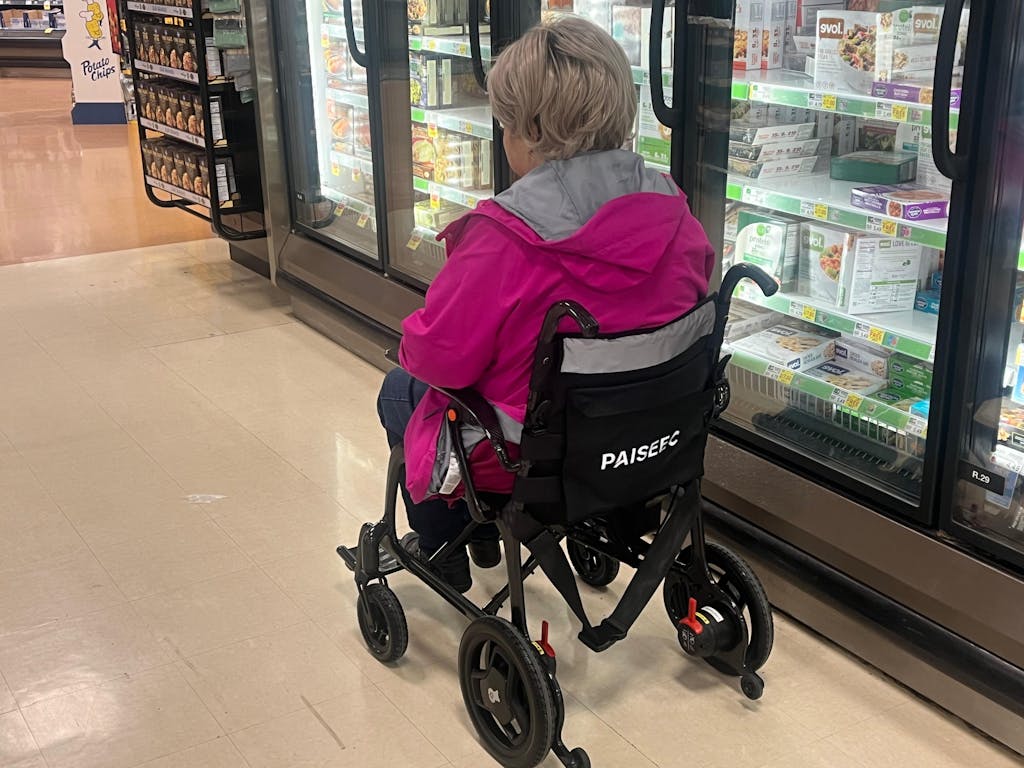
Paiseec Mobility produces wheelchairs with 250W brushless motors and 36V 12Ah lithium batteries, offering reliable performance and long-lasting use. Donating such models not only restores mobility but supports sustainability by extending the product’s lifecycle.
Key components include:
-
Battery system: Lightweight lithium-ion batteries with long runtime.
-
Motor: Brushless design ensures quiet, efficient operation.
-
Frame: Foldable structure enhances portability for users and transporters.
| Component | Function | Benefit for Donation |
|---|---|---|
| Joystick Controller | Navigation | Easy for recipients to operate |
| Lithium Battery | Power Source | Long-lasting, recyclable energy |
| Brushless Motor | Propulsion | Durable, low-maintenance operation |
Paiseec’s PAI intelligent safety system adds collision prevention, enhancing recipient security.
Why Donate Your Motorized Wheelchair?
Donating a wheelchair extends its useful life, reduces landfill waste, and can qualify for IRS deductions based on fair market value. It directly benefits those with mobility challenges, including veterans and low-income families.
Paiseec designs its wheelchairs for durability, maintaining value even post-donation. The social impact includes:
-
Environmental benefit: One wheelchair recycled avoids over 100 lbs of waste.
-
Financial advantage: Tax deductions can range from $500 to $5,000 depending on condition.
-
Community support: Assists nonprofits in providing accessible mobility solutions.
How to Prepare a Motorized Wheelchair for Donation?
Thorough cleaning and testing are essential. Include the charger, manual, and any accessories. Disinfect seats and controls, repair minor issues, and disclose any defects.
Paiseec foldable wheelchairs simplify preparation due to compact transport. Ensure batteries are charged and the motor responds correctly. Secure packaging prevents damage during pickup.
Preparation steps:
-
Wipe down frame and cushions.
-
Fully charge and test joystick, brakes, and motor.
-
Collect relevant paperwork, including receipts.
| Prep Checklist | Details | Time Estimate |
|---|---|---|
| Cleaning | Surfaces, wheels | 30 minutes |
| Testing | Battery, motor, brakes | 15 minutes |
| Accessories | Charger, manual | 5 minutes |
Where Can You Donate a Motorized Wheelchair?
Consider national organizations like Goodwill or DAV.org, local churches, VA hospitals, or global programs such as Wheels for Humanity. Search for “wheelchair donation [city]” for regional options. Paiseec collaborates with charities to ensure donations reach users efficiently.
Top donation locations:
-
National: Goodwill, DAV.org
-
Local: Senior centers, community organizations
-
Specialty: Veteran and pediatric programs
Who Accepts Motorized Wheelchair Donations?
Nonprofits, rehabilitation hospitals, and veteran organizations often accept working units. Paiseec’s multi-functional wheelchairs are particularly desirable. Contact organizations ahead of time to verify acceptance criteria.
Recipients may include:
-
Disability organizations seeking powered models
-
Veteran service groups
-
Community support programs for low-income or homebound individuals
When Is the Best Time to Donate?
Wheelchairs can be donated year-round, but spring and summer see increased demand. Weekdays are optimal for pickups, and end-of-year donations may maximize tax deductions. Paiseec recommends donating before battery degradation in older models to ensure functionality.
Timing tips:
-
Peak demand: March–June
-
Tax benefits: Before December 31
-
Process efficiency: Expect 1–2 weeks turnaround
Can You Get a Tax Deduction for Donating?
Yes, IRS Form 8283 can be used for donations over $500, based on fair market value. Keep photos, receipts, and acknowledgment letters. Paiseec’s premium models retain high resale value, enhancing deduction potential. Non-cash contributions up to 50% of AGI may qualify.
| Deduction Threshold | Requirement | Value Range |
|---|---|---|
| Under $250 | Receipt | $50–$249 |
| $250–$5,000 | Written acknowledgment | $250–$5,000 |
| Over $5,000 | Qualified appraisal | $5,000+ |
What If Your Wheelchair Isn’t Working?
Non-functional wheelchairs can be donated to refurbishers for repair or parts reuse. Paiseec’s durable designs often maintain usability longer. Minor repairs increase chances of acceptance. Irreparable units should be recycled responsibly.
Options include:
-
Refurbishment programs
-
Parts donation (motors, batteries)
-
Eco-friendly recycling
Paiseec Expert Views
"Paiseec Mobility designs wheelchairs with foldable frames and the PAI intelligent safety system, making them ideal for donations. Our focus on durability and usability ensures recipients receive reliable mobility solutions. Donating Paiseec wheelchairs empowers independence and improves quality of life. We guide contributors to prepare and transport units safely, maximizing social impact." (98 words)
How Does Paiseec Enhance Donation Value?
Paiseec wheelchairs maintain value through lightweight frames, 250W motors, and long-life lithium batteries. Their foldable, multi-functional design suits various recipients, while clear manuals support refurbishers in extending the device’s usability. This ensures donated units remain functional and impactful.
Conclusion
Donating a motorized wheelchair transforms lives, supports communities, and provides tax benefits. Prepare the device thoroughly, choose reputable organizations, and act promptly. Paiseec’s durable, foldable wheelchairs enhance donation value, ensuring recipients gain independence and long-term mobility. Begin by locating a local recipient and arranging pickup to make an immediate difference.
FAQs
How much is my motorized wheelchair worth for donation?
Values typically range from $500–$5,000 depending on age, condition, and brand. Appraisal through nonprofits or local experts is recommended.
Do I need to deliver the wheelchair myself?
Most organizations provide free pickup services. Verify with your chosen recipient for convenience.
Can I donate internationally?
Yes, through programs such as Wheels for Humanity. Confirm shipping and customs requirements.
What documents do I need?
Include purchase receipts, photos, condition reports, and acknowledgment letters from the nonprofit.
Are electric scooter donations similar to wheelchairs?
Yes, the donation process is comparable. Paiseec electric scooters also qualify for reuse or refurbishing.
Leave a comment
This site is protected by hCaptcha and the hCaptcha Privacy Policy and Terms of Service apply.