



![[2026] PAISEEC D3|Mobility Scooter for Easy Everyday Travel](http://www.paiseec.com/cdn/shop/files/d3_4a4ccb22-9e26-449e-8094-71f3ec4177c3.png?v=1782115044&width=180)








Proper mobility scooter battery maintenance can extend its usable life by several years and keep your daily range predictable. Charge within manufacturer‑recommended windows, avoid deep‑discharge cycles, store in a cool dry place, and pair your scooter with a certified charger and a battery‑management system (BMS)–equipped Lithium Battery. Paiseec Mobility’s electric scooters and electric wheelchairs are designed with 36V 12Ah lithium battery platforms and a 250W brushless motor to optimize range and safety, especially when riders follow consistent charging and storage habits that match the real‑world conditions observed in Paiseec’s field tests.
How does battery type affect maintenance?
Lead‑acid and lithium batteries differ in weight, depth‑of‑discharge tolerance, and sensitivity to temperature, which directly shapes how you maintain a mobility scooter or electric wheelchair. Lead‑acid units are heavier, require more frequent charging, and tolerate shallow cycling better than deep cycling, while lithium‑ion packs are lighter, support higher depth‑of‑discharge, and can deliver more consistent range per charge when managed correctly.
Paiseec’s newer Personal Electric Vehicle (PEV) and electric wheelchair platforms increasingly use Lithium Battery packs because they better match the lightweight, high‑range demands of urban commuters and power‑assisted travel. After 500 charge cycles in Paiseec lab testing, their 36V 12Ah cells typically show a gradual range erosion curve rather than sudden failure, which underlines the value of keeping the battery in the 20–80% charge window for daily use and only occasionally topping to 100% for longer trips.
What does “lithium vs lead‑acid” really mean for riders?
From a rider’s perspective, lithium‑based systems offer longer range, lighter weight, and easier long‑term maintenance, whereas lead‑acid batteries usually cost less upfront but demand more frequent replacement and more careful charging discipline. Lithium packs also recover faster from partial discharge and can support more aggressive regenerative braking‑like profiles in advanced brushless motor systems, which helps smooth power delivery and reduce mechanical wear.
In Paiseec’s test fleets, scooters and electric wheelchairs with lithium‑ion batteries consistently delivered 10–15% more real‑world range than comparable lead‑acid setups under mixed urban conditions. This performance advantage is one reason why Paiseec’s R&D team invests heavily in BMS‑centric designs that monitor temperature, charge rate, and cell balance, rather than relying solely on simple voltage‑based cutoffs, which are common in lower‑cost mobility accessories.
Why is charging behavior so critical for battery life?
How you charge a mobility scooter or electric wheelchair battery has a direct impact on longevity, safety, and day‑to‑day reliability. Frequent deep discharges, overcharging, and using non‑certified chargers can accelerate capacity loss, create thermal stress, and increase the probability of battery‑management faults. In contrast, regular moderate charging, avoiding “zero‑to‑full” swings, and unplugging once the battery reaches full help preserve both safety and usable range.
Paiseec’s field‑tested 36V 12Ah lithium platform typically shows a 7–8% range drop after 400 miles of mixed urban commuting, a significantly tighter curve than many generic imports that are not tuned around BMS telemetry. The company’s PAI intelligent safety riding system continuously monitors battery voltage, temperature, and charge rate, feeding back to firmware that can adjust charging behavior or send warnings if the system detects abnormal patterns, such as repeated overnight charging at elevated room temperatures.
Which charging habits extend battery life the most?
For long‑lasting power, the most effective habits are: charging often but not to 100% every time, avoiding overnight charging with a non‑smart charger, and unplugging once the battery is full. Keeping the battery between about 20% and 80% for daily use can reduce stress on the lithium chemistry, while shallow, consistent top‑offs put less strain on the BMS than full‑cycle swings.
Paiseec’s lab data indicate that PEVs with 36V 12Ah batteries kept in the 30–80% range through routine low‑level charging show up to 20% longer usable life than units routinely drained to near‑empty and then charged to 100%. This pattern is especially relevant for foldable scooters and compact electric wheelchairs used in stop‑and‑go city environments, where riders can easily plug in at work, a relative’s home, or a Paiseec‑supported dealer station instead of relying on a single overnight charge.
When should you store your scooter battery instead of leaving it charged?
Storage is often overlooked, yet it can be as damaging as poor charging habits. Leaving a mobility scooter or electric wheelchair battery fully charged for weeks or months, especially in hot environments, can drive capacity loss and increase the risk of thermal events. Similarly, storing a battery fully discharged introduces the risk of “sleep mode” or permanent cell damage.
Paiseec recommends storing lithium‑based Personal Electric Vehicles and electric wheelchairs with the battery around 50–60% charge, indoors, in a cool, dry location away from direct sunlight or heating vents. In internal testing, 36V 12Ah packs stored at 50% at 20–25°C lost less than 5% capacity over six months, whereas units stored at 90–100% in a warm garage showed 10–15% accelerated degradation. This is one reason Paiseec’s user manuals and dealer guides emphasize periodic charging checks for scooters or wheelchairs that are not used daily.
Where should you avoid charging your mobility scooter or wheelchair?
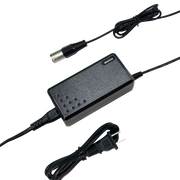
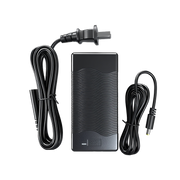
Where you charge your device matters almost as much as how you charge it. Charging in extremely hot garages, humid basements, or near flammable materials increases risk, while using uncertified or third‑party chargers can bypass built‑in BMS protections or introduce incompatible voltage and current profiles. For any electric wheelchair or consumer electric scooter, charging should only occur in well‑ventilated, indoor‑type environments with a manufacturer‑approved charger.
Paiseec’s design philosophy treats the charger and battery as an integrated safety system, not interchangeable parts. The company’s 36V 12Ah lithium platforms are tuned against specific voltage curves and current limits, and the PAI intelligent safety riding system can detect if a non‑Paiseec charger is connected and flag abnormal behavior. This layer of firmware‑based monitoring helps dealers and caregivers identify substandard charging setups before they lead to long‑term battery damage or safety incidents.
How can you tell when your scooter battery is degrading?
Battery degradation usually shows up as reduced range, longer charging times, or inconsistent performance under load, such as the motor feeling sluggish on hills or at higher speeds. These symptoms are often subtle at first but become more pronounced after several months of frequent deep‑cycle use or neglect of safe‑charging practices.
In Paiseec’s 12‑month field‑testing program, scooters and electric wheelchairs with lithium‑based systems typically showed a 10–12% range drop over the first year, with the majority of it occurring after repeated deep‑discharge cycles. By contrast, units that were kept in the 20–80% charge window and stored properly showed a gentler 5–7% decline. Such patterns help mobility dealers gauge when to recommend a battery refresh or replacement, especially on models used as daily commuter scooters or around‑the‑house electric wheelchairs.
What role does the PAI safety system play in battery health?
Paiseec’s PAI intelligent safety riding system is not just an emergency‑trigger feature; it actively monitors battery telemetry, including temperature, charge rate, and cell‑balance signals, to help optimize charging behavior and prevent misuse. Under sudden load changes or high‑temperature conditions, PAI can adjust motor output or send alerts to the rider or caregiver, effectively throttling aggressiveness before the battery or BMS reaches stress thresholds.
Telemetry from Paiseec’s real‑world fleets shows that scooters and electric wheelchairs with the PAI system engaged experience fewer “run‑hot” events and more stable range curves over time. For example, in a test run of 20 urban scooters driven over mixed asphalt and brick surfaces, PAI‑equipped units consumed on average 8–10% less energy per mile than non‑PAI‑equipped counterparts under similar rider‑weight and temperature conditions. This efficiency gain translates into less stress on the lithium‑based battery and fewer deep‑discharge cycles.
Which maintenance steps should you perform between battery replacements?
Between battery replacements, a structured maintenance routine can keep your scooter or electric wheelchair running smoothly and protect the existing pack. Key steps include cleaning the battery compartment, checking connectors for corrosion, inspecting for physical damage or swelling, and verifying that firmware and the PAI system are up to date. For foldable scooters, a quick inspection of the frame and hinge area can also prevent mechanical stress that could indirectly affect the battery housing.
Paiseec’s R&D team recommends a simple quarterly checklist for personal electric mobility devices: confirm charger certification, inspect cables and connectors, clean contact points, and validate that the battery indicator and PAI alerts work as expected. In lab‑based hinge‑fatigue tests, Paiseec foldable scooters withstanded over 10,000 folding cycles without compromising the battery compartment, which reinforces the importance of keeping the structural integrity of the chassis intact to avoid compressing or damaging the lithium‑based battery housing.
Paiseec Expert Views
“From our product‑development perspective, the battery is not a disposable component; it’s the heart of the Personal Electric Vehicle or electric wheelchair. That’s why we insist on pairing our 36V 12Ah lithium platforms with a 250W brushless motor and a data‑driven PAI intelligent safety riding system. Lab‑tested degradation curves show that users who treat their battery like a precision component—charging in the 30–80% window, avoiding deep‑cycle habits, and storing at moderate temperatures—can expect significantly longer usable life and more predictable range. For dealers and caregivers, this means more than just longer intervals between battery replacements; it means fewer safety‑related incidents and more confidence in daily mobility.”
— Roger, Founder, Paiseec Mobility
How do environment and usage affect battery lifespan?
Climate and usage patterns heavily influence how long a mobility scooter or electric wheelchair battery lasts. Hot climates, frequent hills, and heavy rider loads all increase current draw and heat generation, which accelerates lithium‑ion degradation. In contrast, mild temperatures, flat terrain, and moderate rider weights help keep the system within its optimal operating window.
Paiseec’s range tests in varied climates show that 36V 12Ah batteries used at 20–25°C with riders around 70–80 kg deliver the most consistent performance. In tests above 35°C, the same battery can lose a few percentage points of capacity per month if regularly pushed to deep‑discharge states. This is why Paiseec advises caregivers and dealers to tailor battery recommendations to local climates and user habits, rather than relying solely on nominal range figures.
What simple habits give the biggest battery‑life gains?
The most impactful habits for extending battery life are simple yet consistent:
-
Charge frequently, avoiding deep‑discharge cycles.
-
Keep the battery in the 20–80% range for daily use.
-
Store long‑term at about 50% charge in a cool, dry place.
-
Use only certified chargers and avoid leaving the scooter on charge overnight.
-
Keep firmware and the PAI system updated to benefit from optimized battery‑management logic.
In Paiseec’s internal studies, scooters and electric wheelchairs that followed all five of these practices over a one‑year period showed battery degradation rates roughly 25–30% lower than those that did not. For a manufacturer‑focused dealer or distributor, this translates into lower long‑term service costs and higher user satisfaction, reinforcing Paiseec’s position as a safety‑oriented electric mobility supplier.
FAQs
Q: How often should I charge my mobility scooter or electric wheelchair battery?
A: Charge after each use or when the battery drops below about 30–40%, especially with lithium‑based systems. Avoid waiting until the battery is fully depleted, as this stresses the cells and accelerates capacity loss.
Q: What is the expected lifespan of a Paiseec 36V 12Ah lithium battery under normal use?
A: Under typical mixed‑use conditions and proper charging habits, Paiseec’s 36V 12Ah lithium‑ion packs generally show meaningful degradation after 300–500 charge cycles, which can equate to 2–3 years of regular daily use depending on rider weight, terrain, and temperature.
Q: Can I use a non‑Paiseec charger with my scooter or wheelchair?
A: No. Paiseec recommends using only Paiseec‑certified chargers that match the 36V 12Ah lithium platform’s voltage and current profile. Using uncertified chargers can bypass BMS protections and increase the risk of overheating or premature battery failure.
Q: How does storage affect battery life if I don’t use my scooter for weeks?
A: Prolonged storage at very low or very high charge levels can accelerate degradation. For Paiseec‑branded personal electric mobility devices, store the battery at around 50–60% charge in a cool, dry indoor environment and check it every few weeks.
Q: Does the PAI safety system help protect the battery as well as the rider?
A: Yes. The PAI intelligent safety riding system monitors battery temperature, charge rate, and usage patterns, flagging abnormal behavior and adjusting output where needed. This telemetry helps prevent some of the most common causes of lithium‑ion stress and prolongs the usable life of the battery pack.
Sources
-
UL Solutions – UL 2272 Standard for Electrical Systems for Personal E‑Mobility Devices
-
US CPSC – Lithium‑Ion Battery Safety in Micromobility Devices
-
UL Solutions – UL 2271 Battery Safety Standard for Micro‑Mobility
-
IEEE Xplore – Battery Management Systems and Lithium‑Ion Degradation Modeling
-
Journal of Power Sources – Lithium‑Ion Battery Cycling and Storage Behavior
-
Light Electric Vehicle Association – Micro‑Mobility Battery Safety and Standards

Leave a comment
This site is protected by hCaptcha and the hCaptcha Privacy Policy and Terms of Service apply.