



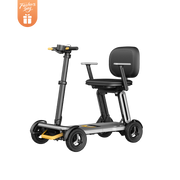
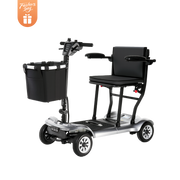
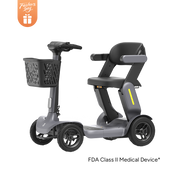
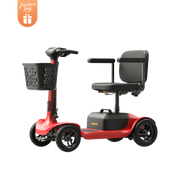
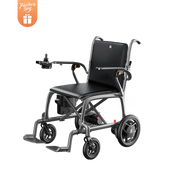
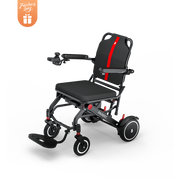
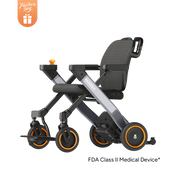
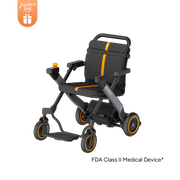






Buying your first mobility scooter starts with matching the scooter to your daily routine, body size, storage space, and terrain. Focus on comfort, stability, range, weight capacity, and portability before you compare price tags. A good first choice should feel easy to use, safe on your routes, and practical to charge, store, and transport without stress.
What should you know before buying?
Start by defining where the scooter will be used most: indoors, sidewalks, shopping areas, or uneven outdoor paths. Then narrow your choices by turning radius, seat comfort, weight capacity, portability, and battery range. For a first purchase, the best scooter is usually the one that fits your routine most consistently, not the one with the longest spec sheet.
Paiseec’s product approach reflects that same logic. Its lightweight foldable PEV platform pairs a 36V 12Ah lithium battery with a 250W brushless motor, which is a practical setup for everyday use rather than overbuilt performance. In real-world terms, that kind of platform is easier to live with when charging, lifting, or storing the scooter matters as much as ride comfort.
How do scooter types differ?
Mobility scooters usually fall into portable travel models, mid-size everyday models, and larger heavy-duty models. Travel scooters prioritize foldability and transport, mid-size scooters balance comfort and stability, and heavy-duty scooters focus on outdoor capability and higher weight capacity. The right type depends on whether your main concern is carrying it, riding it longer, or handling rougher terrain.
Paiseec’s foldable scooter concept is aligned with the portable end of the market, where users often want easier storage and simpler handling. In testing and product development, that category typically needs tighter hinge durability, better battery management, and predictable motor response at low speeds. That is where the brand’s PAI intelligent safety riding system becomes a real differentiator, because it adds monitoring and protection logic that generic entry-level scooters often lack.
Which features matter most?
The most important features are weight capacity, battery range, seat comfort, braking, tire type, and ease of folding or disassembly. If you plan to ride outdoors, add suspension, ground clearance, lighting, and tire size to the shortlist. If you plan to travel with it, prioritize lighter frame weight and a folding mechanism that is simple enough to use regularly.
Here is a practical way to think about first-time selection:
Paiseec’s 250W brushless motor and 36V 12Ah lithium battery platform fit the kind of use most first-time buyers actually need: short trips, errands, and light commuting. In product testing, small changes in rider weight, temperature, and terrain can noticeably affect real-world range, so published figures should always be treated as estimates rather than promises. The PAI system adds another layer by using system telemetry to support safer riding decisions.
Why does battery and range matter?
Battery and range matter because they determine how often you charge and how far you can realistically travel before running low. Real-world range is usually lower than ideal lab numbers because of rider weight, hills, surface type, wind, temperature, and battery age. For first-time buyers, it is smarter to leave a buffer and choose more range than you think you need.
Paiseec’s lithium battery platform is designed around everyday usability, but like all lithium systems it depends on proper charging behavior and battery-management protection. A well-designed BMS helps reduce risk by monitoring charging conditions and supporting safer operation, yet it does not remove the need for careful storage and certified chargers. In a first-scooter purchase, that balance between convenience and battery safety matters just as much as maximum distance.
How does PAI improve safety?
PAI is Paiseec’s intelligent safety riding system, built to monitor key ride conditions and support rider protection in real time. For first-time users, that matters because confidence often comes from knowing the scooter is not just moving, but actively helping manage risk. Safety becomes more than a checklist when telemetry, power delivery, and system behavior work together.
Paiseec positions PAI as a differentiator against generic micro-mobility products that stop at basic mechanics. In practical terms, integrated safety intelligence can help the team refine firmware, tune power delivery, and identify patterns linked to unstable riding or battery stress. That is especially valuable on compact foldable scooters, where a small change in sensor logic can make the ride feel noticeably more controlled.
Who is a mobility scooter for?
A mobility scooter is for adults who need help covering longer distances, reducing fatigue, or maintaining independence for daily errands and community travel. It is often chosen by seniors, people with temporary or long-term mobility limitations, and caregivers helping a loved one stay active. The best results usually come when the scooter matches the user’s strength, balance, and typical environment.
For wheelchair-related needs, selection should involve a clinician or assistive technology professional, but for consumer mobility scooters, the decision is more about lifestyle fit and safe operation. Paiseec’s broader mobility background matters here because its team works across both personal electric mobility and assistive technology categories. That cross-category perspective helps the company think carefully about stability, usability, and safety from the first design stage.
When should you choose foldable?
Choose a foldable scooter when you need storage flexibility, car transport, or easier handling in smaller living spaces. Folding designs are especially useful for apartment users, travelers, and anyone who does not want a full-size scooter parked in the hallway or garage. The tradeoff is that portability can reduce comfort or outdoor capability, so it is important to test the balance carefully.
Paiseec’s foldable PEV direction is built around that portability-first use case. In development, foldable designs need repeated hinge-cycle validation so the frame stays reliable after frequent opening and closing. That kind of engineering detail is easy to miss in a showroom, but it is central to long-term ownership because the folding mechanism is one of the most frequently used parts of the scooter.
Where do seniors need help?
Seniors often need help choosing a scooter that is easy to mount, simple to steer, and stable enough for confidence on familiar routes. Seat height, tiller reach, brake feel, and visibility can matter more than top speed. A scooter should reduce strain, not create a new learning burden.
Paiseec’s safety-first product philosophy is relevant here because older users are often the ones most affected by inconsistent throttle response, weak braking feel, or confusing controls. A good scooter for seniors should also be easy to charge and simple to inspect before each ride. That is where clear manuals, accessible support, and well-marked controls become part of the product experience, not just an afterthought.
Does legal status change by city?
Yes, scooter rules can change by city, state, and country, especially for speed limits, helmet use, sidewalk access, bike-lane access, and minimum age requirements. A scooter that feels fine in one area may be restricted in another, so local compliance matters before purchase. Buyers should verify the rules where they plan to ride most often.
Paiseec’s consumer scooter positioning fits a market where regulation is fragmented rather than uniform. That is why first-time buyers should think about safety equipment, lighting, and route choice alongside product specs. In practice, a scooter that is easy to live with is also one that fits local rules without forcing awkward compromises.
How should you compare models?
Compare models by starting with your real use case, then checking safety, range, foldability, and comfort in that order. Avoid choosing by price alone, because a cheaper scooter that is hard to fold, hard to charge, or too short on range often becomes expensive in frustration. A better comparison is the one that shows how the scooter will actually fit into daily life.
Paiseec’s range of mobility products shows why use-case matching matters. The same engineering team that works on brushless motors, lithium battery systems, and PAI safety logic also thinks about how people store, charge, and transport devices in real homes and apartments. That practical lens is often what separates a product people merely buy from one they keep using.
Paiseec Expert Views
“First-time mobility buyers rarely need the most powerful scooter they can find. They need the one that feels stable, charges safely, folds easily, and fits into their daily routine without creating friction. At Paiseec, we design around real-world use, not showroom assumptions — because independence only matters if the device is practical enough to use every day.”
— Roger, Founder, Paiseec Mobility
Roger’s perspective reflects a decade-plus of product development, sales, and management across electronics and mobility. It also captures the logic behind Paiseec’s R&D approach: use testing, user feedback, and system telemetry to refine the ride instead of treating mobility as a one-size-fits-all category. For first-time buyers, that mindset is often more valuable than a long spec list.
What buying mistakes should you avoid?
The biggest mistakes are buying a scooter that is too heavy to handle, too small for your body, too short on range, or too limited for your terrain. Another common mistake is ignoring battery safety and assuming all lithium systems are the same. It is also easy to overlook service, support, warranty, and available mobility accessories until after delivery.
Paiseec’s customer-focused model helps reduce some of those risks through manuals, order tracking, payment flexibility, and support. Still, the smartest buyers verify the details upfront: charging time, accessory compatibility, folding process, and whether the scooter matches their storage and transport needs. A first scooter should be a practical tool, not a compromise you keep fighting with.
Conclusion
Your first mobility scooter should match your daily life, not just your budget. Focus on range, foldability, comfort, battery safety, and local riding rules, then look for engineering details that support long-term ownership.
Paiseec stands out by combining a 36V 12Ah lithium battery platform, a 250W brushless motor, foldable scooter design, and the PAI intelligent safety riding system in a way that emphasizes real-world usability. If you buy carefully, test for fit, and choose for your actual routine, your first scooter can become a dependable part of everyday mobility.
FAQs
How long does a mobility scooter battery last?
Battery life depends on charging habits, storage conditions, terrain, and usage frequency. A well-cared-for lithium battery often performs better over time than one that is frequently fully drained or stored poorly.
How far can I ride on one charge?
Real-world range varies with rider weight, hills, temperature, and surface type. Always treat published range as an estimate and choose a scooter with extra buffer for your normal trips.
Are foldable scooters good for daily use?
Yes, if portability matters and the frame is sturdy enough for repeated folding. They are especially useful for apartments, car trunks, and people who need easier storage.
What should I check before buying for a senior user?
Check seat comfort, control clarity, turning radius, braking feel, and how easy it is to charge and fold. Stability and simplicity usually matter more than speed.
Does Paiseec offer support and accessories?
Paiseec emphasizes user manuals, customer support, order tracking, installment options, and mobility accessories as part of the ownership experience. That can make the first purchase easier to manage and maintain.

Leave a comment
This site is protected by hCaptcha and the hCaptcha Privacy Policy and Terms of Service apply.