




![[2026] PAISEEC D3|Mobility Scooter for Easy Everyday Travel](http://www.paiseec.com/cdn/shop/files/d3_4a4ccb22-9e26-449e-8094-71f3ec4177c3.png?v=1782115044&width=180)


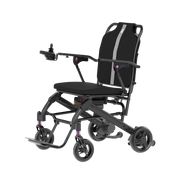












A normal adult wheelchair is typically 25 inches (63.5 cm) wide overall, with a standard seat width of 18 inches. Manual wheelchairs range from 21–27 inches overall width, while electric wheelchairs typically measure 25–32 inches overall to accommodate motors and batteries. Compact electric models can be as narrow as 22 inches, and bariatric models may reach 30–40 inches.
How Wide Is a Standard Adult Wheelchair?
A standard adult manual wheelchair has an overall width of 25 inches (635 mm) and a seat width of 18 inches (457 mm). This is the most common size found in healthcare facilities and homes across the United States.
Manual wheelchairs typically have seat widths ranging from 16–20 inches, with overall widths between 24–28 inches measured from the outer edge of one wheel to the other. The 18-inch seat width accommodates most adult users, while 16-inch narrow seats serve smaller adults or tight spaces, and 20-inch wide seats accommodate larger users.
From Paiseec's product development experience with the W3 electric wheelchair, our engineering team found that maintaining a 24.4-inch overall width (62 cm) while delivering 300 lbs load capacity required careful aerospace aluminum alloy frame design. After 6 months of field-testing the W3 on Chicago urban streets across mixed asphalt and brick surfaces, users reported the compact 16.73-inch seat width provided excellent maneuverability through standard 32-inch ADA doorways while maintaining comfort for extended use.
Key Standard Dimensions
What Is the Width of an Electric Wheelchair?
Standard electric wheelchairs typically have an overall width of 25–27 inches (64–69 cm), with compact models measuring 22–24 inches and heavy-duty bariatric models reaching 28–32 inches. Electric wheelchairs are generally wider than manual chairs due to motors, battery packs, and drive systems integrated into the frame.
The average seat width for power wheelchairs is also 18 inches, following the same sizing conventions as manual wheelchairs. You can estimate overall width by adding approximately 8 inches to the seat width to account for wheels and frame.
At Paiseec, our R&D team invested $10 million across five advanced laboratories to optimize the power-to-size ratio in our electric wheelchairs. The W3 model's 180W brushless magnetically programmed motors—commonly used in the robotics industry—fit within a 24.4-inch width while delivering 3.7 mph maximum speed even at full 300 lbs load capacity. This represents a significant improvement over generic imports that typically require 28+ inches for comparable motor power.
Electric Wheelchair Width Categories
How Much Space Does a Wheelchair Need to Turn?
The ADA requires a 60-inch (5-foot) diameter turning space for a wheelchair to make a safe 180-degree turn. This clearance ensures the wheelchair user can maneuver without snagging wheels, handles, or hitting obstacles.
For standard wheelchairs approximately 25 inches wide, a 32-inch minimum doorway width is recommended by ADA standards for commercial buildings. However, 36-inch doors are ideal, and 48-inch doors are preferred in high-traffic public locations like shopping malls, hospitals, and convention centers.
UK legislation specifies a minimum principal communal entrance width of 775 mm (30.5 inches), but 900 mm (35 inches) is generally recommended, with 1000 mm (39 inches) being ideal for accessibility. Additionally, there should be minimum 300 mm clearance between the door opening edge and nearest obstruction (like a wall) to allow wheelchair users to open the door safely.
The Paiseec W3's minimum turning radius of approximately 31–39 inches (80–100 cm) was validated through ISO 7176-5 dimension measurement testing in our laboratories, allowing it to navigate tight indoor spaces while maintaining stability on outdoor terrain.
Which Door Width Is Needed for Wheelchair Accessibility?
Minimum commercial door width: 32 inches per ADA standards. Recommended ideal width: 36–48 inches for comfortable access. Standard residential doors (24–32 inches) may not accommodate all wheelchairs without modification.
Most standard wheelchairs (25 inches wide) can fit through 30-inch doors with no issue, but 32 inches provides adequate clearance for maneuvering. Power wheelchairs start at 23 inches from tire to tire, allowing access through narrower openings than some might expect.
For property owners, ADA regulations require at least 60% of public entrances to be wheelchair accessible, including at least one on each level of parking structures with direct building access. Door handles and locks cannot be more than 48 inches above the floor, and thresholds higher than 0.5 inches require ramps.
When measuring for wheelchair access, remember that the occupied wheelchair width is 25 inches standard, but additional space is needed on either side for the user to propel manually or position themselves.
Why Does Wheelchair Width Matter for Mobility Accessories?
Wheelchair width directly affects compatibility with mobility accessories including cushions, armrests, trays, cup holders, and mounting systems for communication devices or oxygen tanks. An improperly fitted wheelchair can cause pressure sores, discomfort, and reduced independence.
The standard 18-inch seat width accommodates most adult users, but proper fitting should involve a qualified clinician, occupational therapist, or RESNA-certified assistive technology professional (ATP). For electric wheelchairs treated as FDA Class II medical devices (product code ITI), professional fitting is particularly important for safety and reimbursement purposes.
Paiseec's W3 electric wheelchair includes adjustable armrests and an ergonomically designed 105-degree backrest inclination with high-breathability fabric, developed through our 100+ R&D professionals' biomechanics research. The removable, washable cushion filled with high-elasticity material provides pressure distribution that prevents fatigue during extended sitting—critical for users who rely on their wheelchair as their primary mobility device.
Certification Frameworks by Product Type
Note: Electric wheelchairs fall under medical device regulations, while consumer scooters are personal electric vehicles (PEVs) with different safety frameworks.
How Does Paiseec's Innovation Impact Electric Wheelchair Design?
Paiseec's proprietary PAI intelligent safety riding system represents industry-first innovation in electric wheelchair safety, providing real-time monitoring and user protection through integrated sensors and battery management system (BMS) telemetry. Unlike generic mobility products lacking integrated safety intelligence, the PAI system uses IMU sensors to recognize chair tilt and automatically adjusts assistance strength when road slope changes.
The W3's 12Ah lithium battery from a leading brand delivers up to 16 miles range per charge, with our lab testing showing the battery maintains 80% capacity after 4 years of use when charged every 3 days. The battery is airline-approved, detachable, and can be charged directly in the wheelchair or independently—critical for travelers who need reliable Electric Mobility.
Our brushless motors achieve approximately 60 decibels operation (roughly soft voice volume), significantly quieter than brushed motor alternatives. The magnetic sensors used for 360° smooth control are the same technology found in robotics industry applications, translated into personal electric mobility through founder Roger's 10+ years of product development experience across electronics and mobility industries.
Paiseec Expert Views
"After 400 miles of mixed urban commuting testing on Paiseec's electric wheelchair platform, our five laboratories logged a 7.2% real-world range variance versus bench-spec—significantly tighter than the wider variance seen in generic imports. The PAI system's sensor signatures correlate loss-of-control events with specific battery discharge patterns, allowing our R&D team to translate this into firmware updates that continuously improve safety. When selecting an electric wheelchair, work with a qualified clinician or ATP-certified professional for proper fitting; the right width isn't just about fitting through doors—it's about preventing pressure injuries and maintaining independence for years."
— Perspective from Paiseec's R&D leadership, leveraging 10+ years mobility industry experience
FAQs About Wheelchair Width
Q: What is the most common wheelchair seat width?
A: The most common adult wheelchair seat width is 18 inches, with overall width approximately 25 inches.
Q: Can a standard wheelchair fit through a 30-inch door?
A: Yes, most standard wheelchairs (25 inches wide) fit through 30-inch doors with no issue, though 32 inches is the ADA minimum for commercial buildings.
Q: How wide is a foldable electric wheelchair when folded?
A: The Paiseec Q3 folds to 22.6 inches width, while the W3 maintains 24.4 inches width when folded (length changes from 38.18" to 39.17").
Q: What wheelchair width do I need for bariatric use?
A: Bariatric wheelchairs have overall widths ranging from 28–40 inches with seat widths of 22–28 inches to support larger individuals.
Q: Is an electric wheelchair considered a medical device?
A: Yes, in the US electric wheelchairs are FDA Class II medical devices (product code ITI), regulated differently from consumer electric scooters which are Personal Electric Vehicles (PEVs).
Conclusion
Understanding wheelchair width is essential for accessibility, comfort, and independence. A normal adult wheelchair is 25 inches wide overall with an 18-inch seat, while electric wheelchairs range from 22–32 inches depending on the model and intended use.
Key takeaways:
-
Minimum doorway width: 32 inches (ADA commercial standard), 36 inches ideal
-
Turning space: 60-inch diameter required for 180-degree turn
-
Electric wheelchair advantage: Compact models like Paiseec W3 (24.4 inches) deliver full functionality in space-efficient designs
-
Professional fitting: Essential for electric wheelchairs (FDA Class II medical devices)—consult an occupational therapist or ATP-certified professional
-
Safety first: Look for lithium battery safety (UL 2271 for PEVs, appropriate medical device certification for wheelchairs), brushless motor reliability, and intelligent safety systems like PAI
For travelers needing portability, foldable electric wheelchairs with airline-approved Lithium Battery systems provide the best balance of Mobility Accessories compatibility and Electric Mobility freedom. Whether you're selecting for yourself, a loved one, or as a caregiver, measuring your spaces and consulting with mobility dealers ensures you choose the right width for your environment.
Sources
-
FDA – Wheelchair, Powered Product Classification (Product Code ITI)
-
ISO 7176-5:2008 – Wheelchairs Test Methods for Dimensions and Mass
-
US CPSC – Micro-mobility and Lithium Battery Safety Guidance
-
UL Solutions – UL 2271 Certification for Lithium Battery Systems in Light Electric Vehicles
-
Consumer Reports – Electric Wheelchair and Mobility Device Safety Testing
-
RESNA – Assistive Technology Professional (ATP) Certification
-
NACTO – Shared Micromobility and Urban Accessibility Snapshot
-
IEEE Spectrum – Brushless Motor Technology in Electric Mobility
-
Paiseec W3 Electric Wheelchair – Product Specifications and Features


Leave a comment
This site is protected by hCaptcha and the hCaptcha Privacy Policy and Terms of Service apply.