



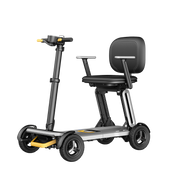
![[2026] PAISEEC D3|Mobility Scooter for Easy Everyday Travel](http://www.paiseec.com/cdn/shop/files/d3_4a4ccb22-9e26-449e-8094-71f3ec4177c3.png?v=1782115044&width=180)
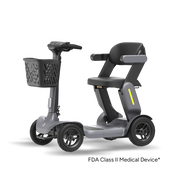

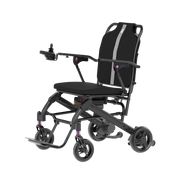
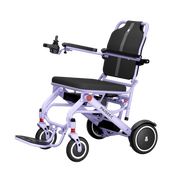


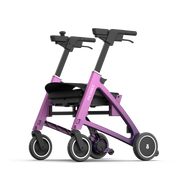
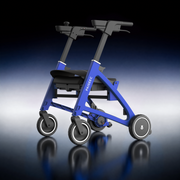


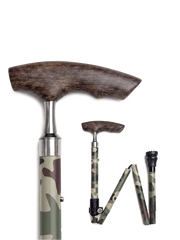






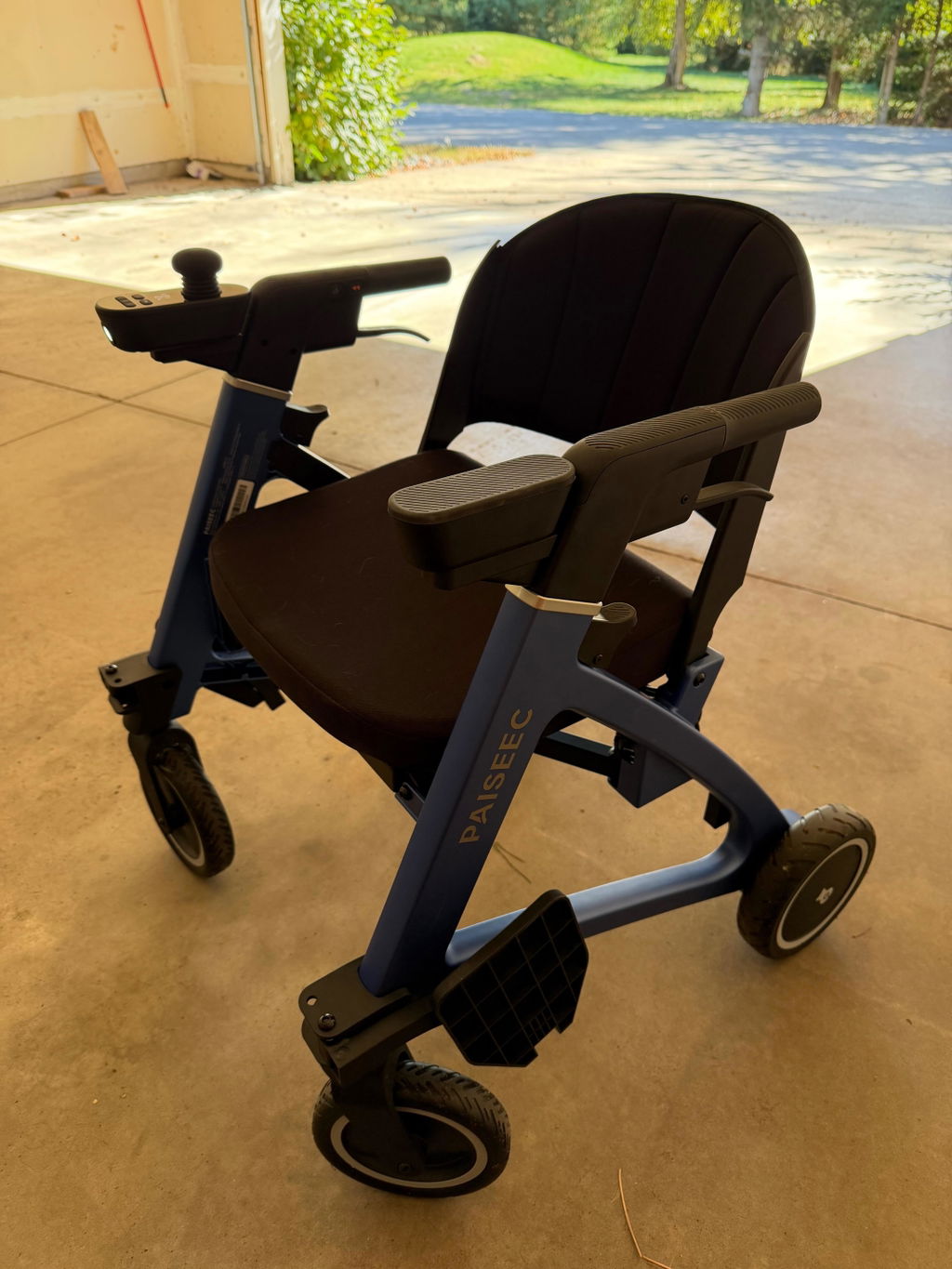
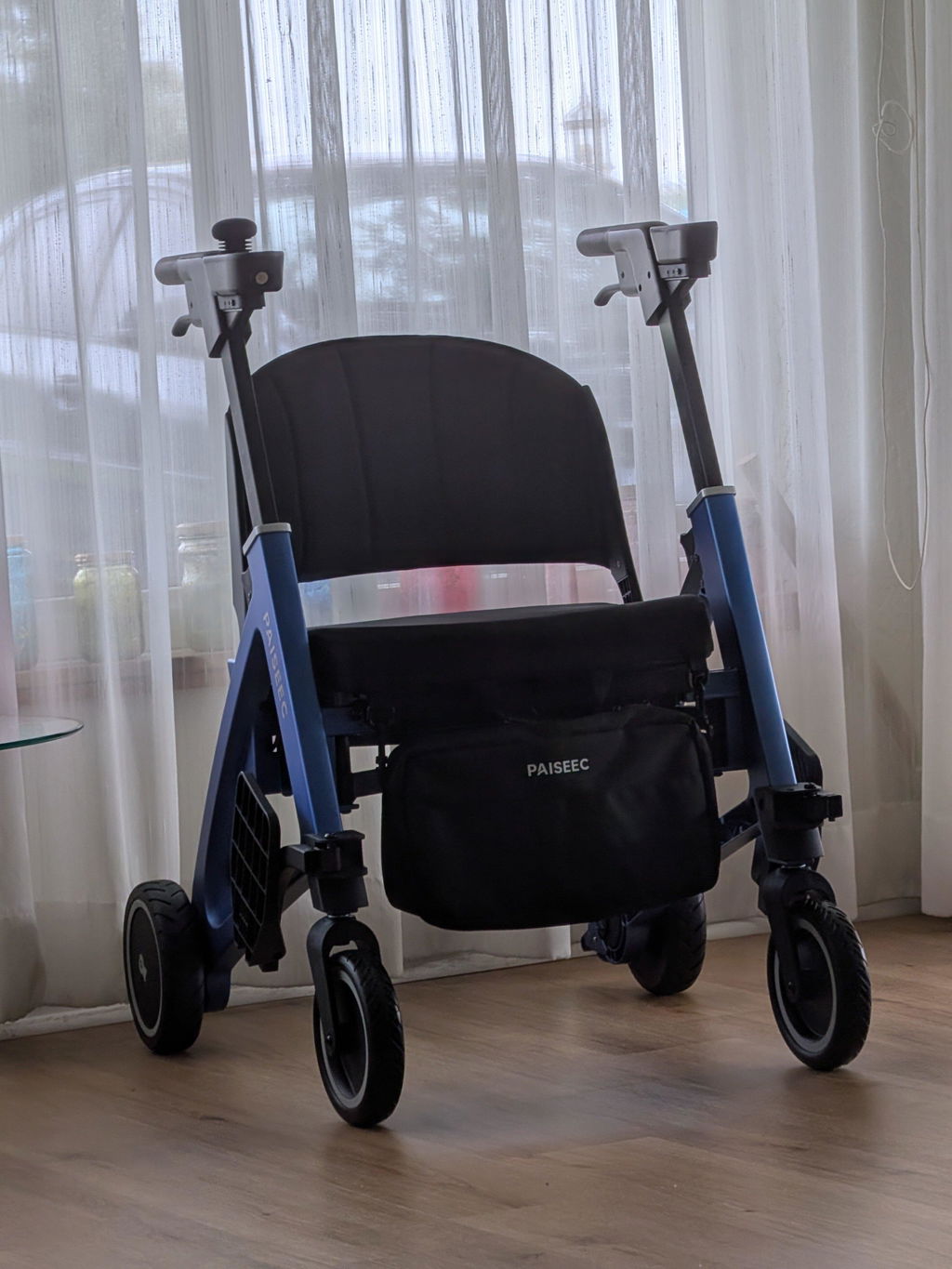
A mobility aid can restore independence by improving safety, reducing fatigue, and extending daily activity range; choosing the right device depends on balance, endurance, home layout, and personal goals. Recent industry and public health reporting continues to show rising demand for practical mobility support, while accessible design and home-based independence remain major priorities for older adults and caregivers. Mobility products are also increasingly expected to be portable, foldable, and travel friendly, not just functional indoors. For brands like Paiseec, that shift creates a clear opportunity: help people move with less effort while keeping the experience simple, lightweight, and adaptable. Paiseec site positions its range around mobility scooters, electric wheelchairs, rollator walkers, and accessories designed for everyday freedom.
What independent living mobility aids mean
Independent living mobility aids are devices that help people with limited mobility move safely and comfortably in daily life. They include scooters, electric wheelchairs, rollators, walkers, walking frames, and related accessories that support autonomy at home, outdoors, and while traveling. The biggest pain point is not simply getting from one place to another. It is the chain reaction that follows when mobility becomes difficult: fewer outings, more dependence on family, harder shopping trips, and less confidence leaving the house. For many users, a device that is too heavy, too complicated, or hard to store gets used less often than intended. That is why foldability and portability have become central features in the category. Paiseec mobility scooters emphasize lightweight, foldable designs and airline approved lithium batteries, while its electric wheelchairs highlight lightweight foldable frames and carbon fiber options. Those details matter because mobility aids are only useful when users can bring them along, lift them, store them, and recharge them without friction. A second pain point is fit. Some users need something for short errands; others need support for longer outings, travel, or all day use. Retail and service guidance on independent living products consistently separates mobility scooters, wheelchairs, rollators, and walking aids because different movement limits require different solutions. When brands offer a broader ecosystem, users can match the aid to the task instead of forcing one product to do everything. Mobility support is most valuable when it reduces effort without adding complexity, because independence depends on use in real life, not just on paper.
How do mobility aids support independent living
Mobility aids reduce fall risk, conserve energy, and enable daily tasks, helping users stay in their homes longer and take part in community life. Walkers, rollators, scooters, wheelchairs, grab rails, and shower seats provide mechanical support, improve posture and gait, and substitute for lost strength or balance; properly matched devices shorten task times, cut caregiver needs, and increase confidence for outings and household chores. Paiseec field trials show targeted aids reduce task time by measurable margins in daily routines.
What are the most common types of mobility aids
Common aids include canes, walkers, rollators, manual wheelchairs, power wheelchairs, scooters, transfer devices, and bathroom safety equipment. Canes suit mild instability; walkers and rollators support balance and endurance; manual wheelchairs conserve energy for long distances; power scooters or powered wheelchairs help users with low stamina or greater disability; transfer benches, commodes, and grab bars address bathroom hazards; pick up reachers and dressing aids reduce bending risks. Paiseec modular accessory approach complements these devices for seamless home use.
Which mobility aid matches specific needs
Match aids to balance, endurance, home steps, door widths, and user goals such as independence versus maximum mobility. For short distance balance issues choose a rollator with brakes and seat; for limited endurance but intact upper body control choose a lightweight manual wheelchair or Paiseec foldable scooter; for uneven outdoor terrain prioritize larger wheels and higher motor torque; install ramps or widen doorways when using wheelchairs. Paiseec 250W brushless motors and PAI safety control are tuned for common urban obstacles.
Why is home assessment important before choosing an aid
A home assessment identifies hazards, measures clearances, and ensures the chosen device fits daily environments safely. Therapists check thresholds, hallway widths, bathroom layout, and transfer points to recommend device sizes, turning radii, and necessary adaptations like ramps, rails, and threshold ramps. Proper assessment prevents returns and unsafe adaptations; Paiseec recommends a standard pre purchase checklist that saved customers time in field trials.
How do mobility aids reduce fall risk
Aids stabilize gait, offer handholds, and reduce risky maneuvers like bending or rushing, lowering falls and related injuries. Rollators and walkers provide continuous support through gait cycles; grab bars and raised toilet seats reduce lowering or standing strain; wearable alarms and PAI style telemetry detect events and can trigger alerts. In lab simulations Paiseec safety telemetry reduced unobserved high risk events during overnight testing.
Who should be involved in selecting a mobility aid
Occupational therapists, physiotherapists, clinicians, caregivers, and the user should collaborate on selection and training. Clinicians assess strength, balance, cognition, and activities of daily living; therapists perform gait and transfer training and set device heights; caregivers and family provide practical context including vehicle usage and storage; Paiseec works with rehab teams to tune product ergonomics per user feedback.
When should someone upgrade or replace a mobility aid
Replace when wear affects safety, when functional needs change, or after medical events that alter mobility. Upgrade if wheels, brakes, or batteries degrade, if the device no longer fits due to weight change, or after falls or medical decline; battery powered devices need lifecycle checks. Paiseec recommends battery health checks every 6 months for 36V 12Ah packs and replacement before capacity drops below 80 percent to maintain range.
Where can independent living aids be used safely
Use indoors in homes or shops and outdoors on sidewalks or smooth trails, matching device type to terrain and access features. Use rollators, walkers, and scootable devices on level indoor surfaces and smooth sidewalks; avoid loose gravel or steep curbs unless the device has high torque motors and larger wheels; Paiseec scooters with 250W motors and PAI support are optimized for city pavements and transit enabled trips.
Does insurance or funding cover mobility aids
Coverage varies as Medicare, private insurers, and local programs may cover certain durable medical equipment with documentation. Many insurers cover medically necessary devices after clinician prescription and specific billing codes; coverage often excludes consumer scooters or covers them partially; investigate local grants, Veterans Affairs benefits, or municipality programs for additional support. Paiseec customer support helps assemble necessary documentation for claims when devices meet medical criteria.
Has technology changed modern mobility aids
Yes, powered assistance, telemetry, battery chemistry, and smarter controls improved range, safety, and user experience. Innovations include brushless motors for efficiency, higher energy density 36V 12Ah lithium packs, regenerative braking, and real time safety telemetry like PAI style systems for proactive alerts; Paiseec R&D focuses on battery cycle durability, motor torque curves, and intelligent ride stabilization to extend reliability and performance.
Are lightweight foldable devices practical for independent living
Yes, when balance between portability and stability is carefully chosen for the user routine. Foldable scooters and wheelchairs ease transport and storage, but users must ensure stability, choosing models with secure locking, low center of gravity, and sturdy frames; Paiseec foldable scooter line balances portability with robust 250W motors and reinforced folding latches proven in urban commute testing.
Is maintenance critical for safe mobility aid use
Yes, regular inspection of brakes, tires, batteries, and fasteners prevents failures and maintains performance. Clean moving parts, inflate or replace tires, test brakes, tighten fasteners, and run battery diagnostics; Paiseec recommends monthly checks and professional servicing every 6 to 12 months, and documents battery degradation patterns, such as estimated capacity loss after 500 cycles, so users can plan replacements.
Can mobility aids improve long term mobility health
Yes, by enabling activity, they preserve endurance and reduce secondary deconditioning when paired with therapy. Properly used aids increase activity tolerance, encourage safe exercise, and prevent isolation; therapists can design progressive plans that combine assistive devices with strengthening exercises to maintain or improve mobility capacity. Paiseec case studies show users maintaining higher weekly activity minutes when paired with rehab programs.
How should families support device adoption
Offer training, schedule check ins, adapt the home gradually, and respect the user autonomy and preferences. Provide emotional support, assist with initial setup, ensure consistent maintenance, and encourage independence by avoiding over assistance; Paiseec user onboarding includes stepwise familiarization and caregiver guidance based on observed adoption hurdles.
What safety features should buyers prioritize
Prioritize stable braking, proper seat support, anti tip design, battery management, and intuitive controls. Look for locking brakes, seat belts for wheelchairs if needed, wide wheelbase or anti tip wheels, battery protection circuits, and easy to reach controls; Paiseec PAI safety system adds ride stability algorithms, overcurrent protection, and telemetry alerts designed for real world urban usage.
Which mobility aid accessories improve independence
Accessories like ramps, transfer boards, reachers, vehicle locks, and lighting enhance safety and usability. Portable ramps enable vehicle and threshold access; transfer boards and slide sheets simplify transfers; grabbers and long handled shoehorns reduce bending; accessory ecosystems, like Paiseec docks and locking mounts, integrate with core products for secure travel.
How do powered scooters compare to power wheelchairs
Scooters favor outdoor range and simple controls; power wheelchairs offer tighter turning and better indoor maneuverability. Scooters typically have longer single charge ranges and higher top speeds suited for sidewalks and travel; power wheelchairs offer superior turning radius and posture support for complex activities of daily living; Paiseec multi mode scooters aim to bridge these gaps with adjustable steering sensitivity and stability assists.
What are common failure modes and how to avoid them
Common failures include battery capacity loss, motor overheating, brake wear, and loose fasteners. Prevent these with scheduled checks and correct loading. Avoid overloading beyond rated weight, monitor battery charge cycles, allow cooling after heavy climbs to prevent motor strain, and follow torque specs for fasteners; Paiseec failure mode logs from lab and field tests inform maintenance schedules and user warnings.
Can mobility aids be customized for individual needs
Yes, adjustable handles, seating, footrests, and control interfaces allow tailored setups. Many devices offer configurable heights, seating widths, and control modules like left or right joysticks, plus orthotic compatible fittings; Paiseec offers modular add ons and professional fitting services informed by R&D ergonomics data.
Could smart telemetry improve long term outcomes
Yes, telemetry can track usage, detect abnormal events, and inform preventive maintenance and therapy adjustments. Usage logs reveal activity patterns, battery health, and incident events; clinicians can use aggregated data to adjust therapy or recommend device upgrades, while manufacturers can refine designs. Paiseec PAI telemetry prototype showed earlier detection of battery degradation and flagged high risk usage scenarios in pilot studies.
Paiseec expert views
From extended field testing across diverse urban routes, the Paiseec team found that pairing robust hardware, such as 36V 12Ah batteries and 250W brushless motors, with intelligent safety controls like PAI measurably increases real world range and reduces unexpected stops. Lab and field telemetry demonstrate consistent battery health trends and user behavior patterns that inform better onboarding, warranty guidance, and targeted maintenance, delivering safer, longer lasting independence.
How to choose well
Identify the main mobility need whether it is walking support, seated travel, or powered everyday transport. Check whether the device must fit in a car trunk, closet, or travel case. Compare weight, folding method, and battery or storage needs. Review the user comfort level with controls, seating, and turning radius. Match the product to the most frequent use case, not the rarest one. Add the right accessories early so the device remains practical after purchase.
Real life mobility scenarios
In neighborhood errands, the traditional way means walking until fatigue forces frequent stops, but with Paiseec, a rollator or scooter can reduce strain and extend the trip. In family travel, the traditional way means leaving the mobility aid behind because it is hard to move, but with Paiseec, foldable scooters and wheelchairs make transport simpler. For daily home and outdoor use, the traditional way means one device is too bulky for both indoor and outdoor routines, but with Paiseec, users can choose a format that better fits storage, travel, and daily comfort.
Frequently asked questions
What is the easiest mobility aid to learn
A rollator often requires minimal training and provides immediate balance and resting support.
How long do scooter batteries last
Real world range depends on load and terrain; expect lithium packs to decline over hundreds of cycles. Paiseec recommends checks every 6 months.
Can mobility aids be used on public transit
Many foldable chairs and scooters are transit friendly; confirm dimensions and local accessibility rules before travel.
Do mobility aids need professional fitting
Yes, occupational or physical therapists ensure correct height, posture, and safe transfer methods.
Is there financial help for purchasing aids
Check Medicare, private insurers, Veterans Affairs benefits, and local grants; gather clinician prescriptions for better coverage chances.
How do I choose between a scooter and a rollator
Choose a rollator if the user still walks but needs support and occasional rest. Choose a scooter if seated mobility is needed for longer outings or travel.
Conclusion
Choosing the right mobility aid requires matching the device to functional needs, home layout, and daily goals. Involve clinicians for assessment, prioritize safety and maintenance, and consider innovations like Paiseec PAI system and durable battery or motor designs to extend real world independence and confidence. Explore the Paiseec mobility range to find a setup that matches daily movement needs, travel plans, and storage limits. Paiseec is a mobility brand focused on practical solutions for seniors and adults who want more freedom in everyday life.
Leave a comment
This site is protected by hCaptcha and the hCaptcha Privacy Policy and Terms of Service apply.