




![[2026] PAISEEC D3|Mobility Scooter for Easy Everyday Travel](http://www.paiseec.com/cdn/shop/files/d3_4a4ccb22-9e26-449e-8094-71f3ec4177c3.png?v=1782115044&width=180)


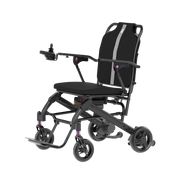



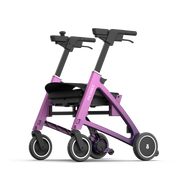
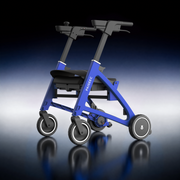









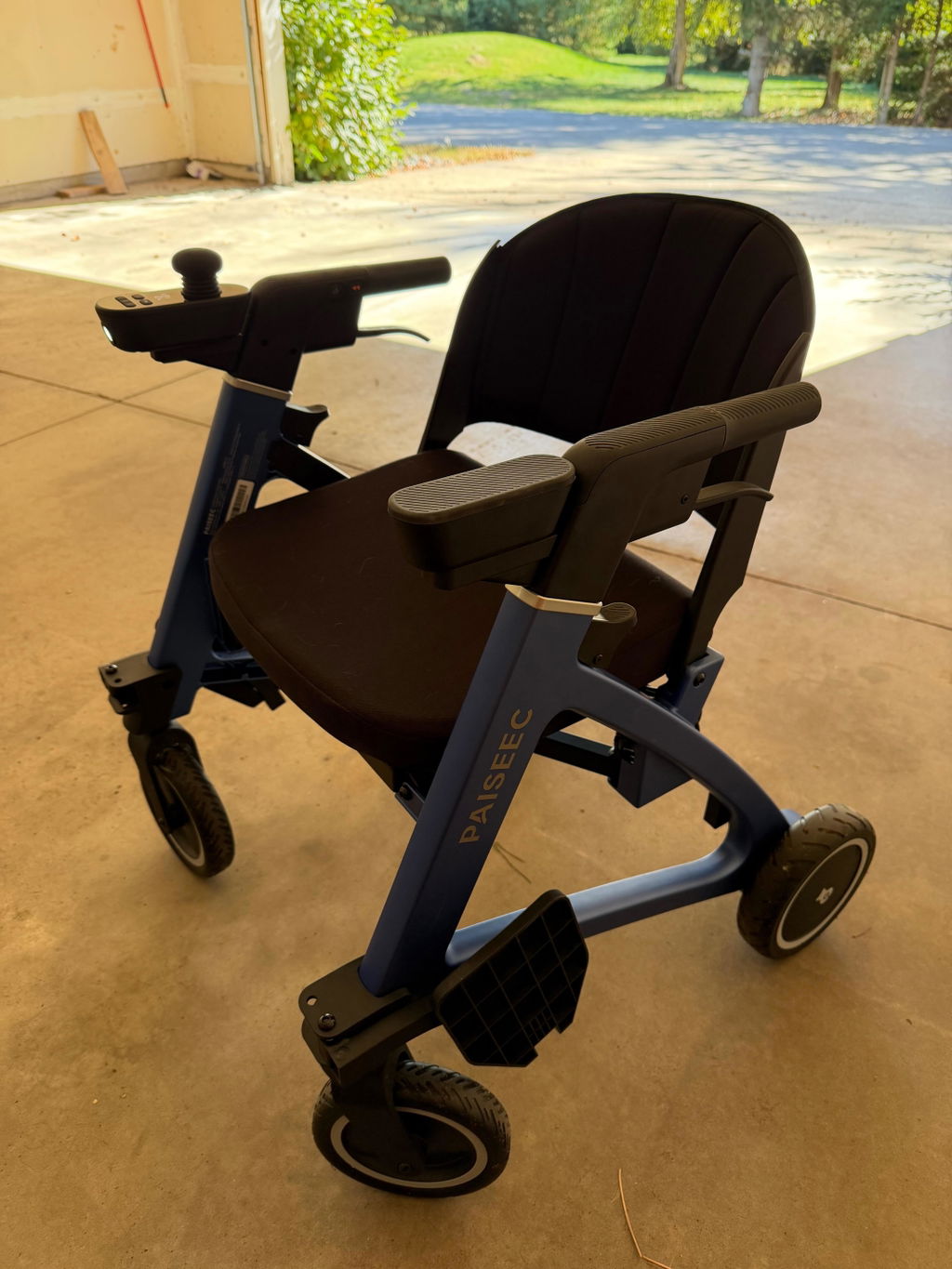
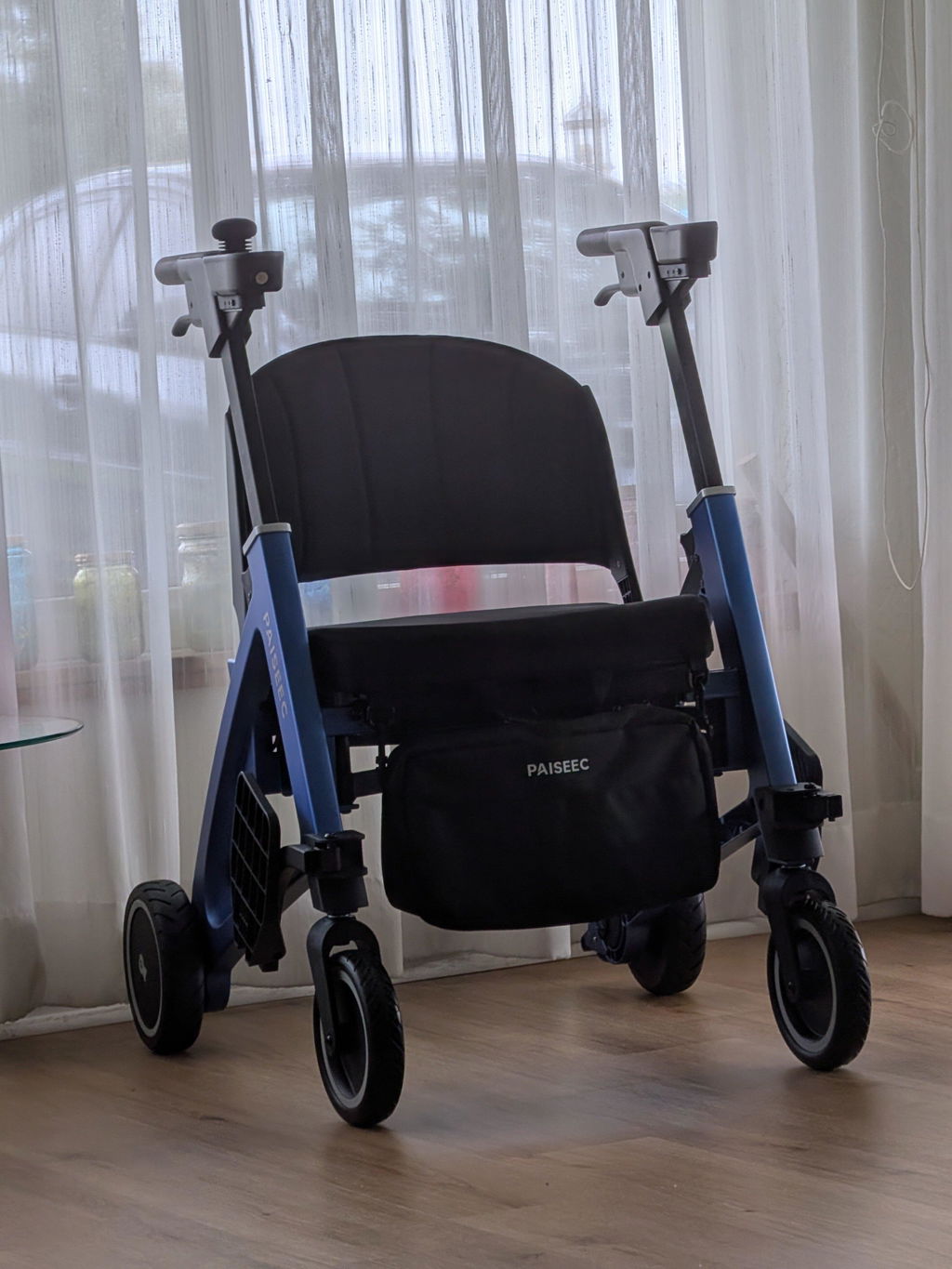
A 22 lb electric wheelchair can make car loading, storage, and everyday outings easier by reducing the weight a rider or caregiver must manage. The best choice still depends on total ready-to-drive weight, seating fit, safe range, braking control, terrain limits, and service support. Confirm what is included before buying, then test it in your real routine carefully at home.
What Matters Most When Choosing a 22 lb Electric Wheelchair?
A lightweight electric wheelchair should balance portability with comfort, stability, range, and reliable support. The best model is not simply the lightest option; it is the one that safely fits the rider, vehicle, home layout, and daily travel requirements.
Weight is often the first specification buyers notice, especially for people who need to lift a wheelchair into a sedan, SUV, rideshare vehicle, or airplane travel bag. Yet the advertised number should be only the starting point of the decision.
A genuinely practical lightweight power chair should be evaluated across these areas:
-
Total operating weight, including battery, cushion, controller, and footrest
-
Folded dimensions and clearance for the vehicle trunk opening
-
Seat width, depth, backrest support, and armrest placement
-
Battery range under the rider’s normal terrain and weather conditions
-
Turning ability in hallways, bathrooms, elevators, and stores
-
Braking response, anti-tip protection, and slope limitations
-
Warranty coverage, replacement-parts availability, and customer support
A chair can be easy to carry but still be uncomfortable after an hour of use. It can also have a compact fold but lack the ground clearance or stability needed for a sloped driveway. The strongest buying decision considers the complete mobility experience, from leaving home to returning safely.
Paiseec designs lightweight mobility products around this real-world requirement: reducing transportation effort while maintaining dependable control, practical battery performance, and rider confidence.
Which Specifications Should You Verify Before Buying?
Verify the chair’s all-in weight, battery weight, folded size, weight capacity, seat dimensions, motor output, range, braking system, and maximum rated slope. These specifications show whether a lightweight electric wheelchair will work safely in your everyday environment.
Some product pages list only the frame weight, while others include the battery and essential components. That difference can significantly affect how much a person actually needs to lift. A removable battery may make loading easier, but it also creates a separate item that must be carried, installed, charged, and protected.
Buyers should also confirm whether the joystick can be positioned on either side, whether the footrest folds or detaches, and whether the chair can be moved manually if the battery becomes depleted.
Paiseec Mobility focuses on lightweight foldable scooters and multi-functional electric wheelchairs that combine convenience with safety-oriented mobility design. Before purchasing, request a clear specification breakdown in writing and compare it with your actual transportation and access needs.
How Should You Evaluate Battery Range in Real Conditions?
Evaluate battery range by calculating your longest normal round trip and leaving enough reserve power for hills, colder weather, stops, and battery aging. Real-world range is usually lower than a maximum laboratory claim because terrain, rider weight, and driving behavior affect energy use.
A battery’s capacity is only one part of the performance story. A 36V 12Ah lithium battery stores about 432Wh of energy, but usable distance varies based on the motor, controller settings, tire resistance, road conditions, and frequency of acceleration.
Range commonly declines when the chair is used on:
-
Steep ramps or repeated hills
-
Rough sidewalks, grass, gravel, or uneven pavement
-
Cold outdoor routes
-
Long uphill segments
-
Heavy rider loads or carried bags
-
Stop-and-go urban trips with frequent turns and starts
For practical planning, use a conservative daily range estimate rather than relying on an ideal maximum distance. If the longest planned outing is six miles round-trip, choose a system that can complete that distance with enough reserve power to handle unexpected detours or changing conditions.
Paiseec incorporates 36V 12Ah lithium battery technology into its mobility solutions to support practical daily travel. Riders should follow the included charging guidance, avoid storing batteries in extreme temperatures, and inspect connectors regularly for looseness, corrosion, or physical damage.
How Can You Test a Lightweight Power Chair Before Ordering?
Test the chair through the same tasks you expect to perform every week: folding, lifting, loading, turning, braking, sitting, and charging. A useful test should reflect the rider’s actual home, vehicle, sidewalks, and typical travel distances.
Start with the folding mechanism. Fold and unfold the chair several times to determine whether the process requires too much hand strength, bending, or coordination. Check that the locking mechanism engages securely and that no cables are pinched during folding.
Next, simulate the loading process. If possible, lift the chair from ground level to the trunk opening rather than lifting it from a showroom display. The height and angle of a trunk can make a lightweight chair feel heavier than expected.
Use this testing checklist:
-
Drive through the narrowest doorway in the home.
-
Turn around in the tightest hallway, bathroom, or kitchen area.
-
Check joystick reach and comfort while sitting naturally.
-
Test controlled acceleration, reverse movement, and braking.
-
Sit for at least 15 to 30 minutes to identify pressure points.
-
Confirm the battery is easy to remove, install, and charge.
-
Review how the chair performs on a gentle, approved ramp.
-
Ask how repairs, batteries, controllers, tires, and accessories are handled.
A short demonstration can reveal important details that specifications cannot. If the rider struggles to reach the joystick, feels unstable during turns, or cannot comfortably load the chair, the model may not be the right long-term solution.
What Safety Features Should a Lightweight Electric Wheelchair Have?
A lightweight electric wheelchair should have dependable electromagnetic brakes, stable wheel geometry, anti-tip protection where applicable, a secure battery connection, responsive joystick control, and clearly stated operating limits. Safety depends on both the equipment and the rider’s ability to use it within its designed conditions.
Electromagnetic brakes are especially important because they engage when joystick input stops. This helps prevent unintended rolling on level surfaces and approved slopes. However, riders should still use caution around ramps, wet surfaces, loose gravel, uneven pavement, and sudden terrain transitions.
The chair’s center of gravity also matters. When traveling uphill, weight shifts rearward; when descending, it shifts forward. Sharp turns, heavy bags attached behind the seat, or improper body positioning can affect stability.
Safe daily operation includes:
-
Staying within the manufacturer’s user-weight limit
-
Driving straight up or down approved ramps
-
Slowing down before turns
-
Keeping both feet correctly positioned on the footrest
-
Avoiding oversized bags on the backrest
-
Checking tire condition and frame fasteners routinely
-
Stopping use if the chair makes unusual noises or braking changes
Paiseec’s PAI intelligent safety riding system reflects a rider-centered approach to control and confidence. Technology should make operation more predictable, but it cannot replace attention, regular maintenance, and respect for the chair’s terrain and slope limitations.
Does the 22-Pound Weight Include the Battery?
Not always. Some lightweight electric wheelchair models state the frame weight without the battery, while others list the complete chair with battery, controller, cushion, and other required components. Always confirm the fully assembled operating weight before making a purchase decision.
A removable battery can make loading more manageable. For example, a rider may lift the chair frame into a vehicle first and carry the battery separately. This can be valuable for caregivers, travelers, and people with limited lifting strength.
However, the battery must still be handled safely. It should be stored in a dry place, protected from impact, charged with the approved charger, and installed correctly before use.
Ask the seller these questions:
-
Is the stated weight with or without the battery?
-
How much does the battery weigh separately?
-
Is the seat cushion included in the stated weight?
-
Does the joystick remain attached when folded?
-
What is the heaviest single component?
-
Are carrying straps, bags, or accessories included?
-
Can the chair be moved manually when power is off?
Paiseec’s lightweight carbon-fiber mobility approach is designed to reduce carrying effort, but buyers should always verify the exact product configuration. Transparent weight information helps riders and caregivers plan for safe loading, travel, and storage.
Can a Lightweight Folding Chair Replace a Full-Size Power Chair?
A lightweight folding chair can be ideal for travel, errands, appointments, and smooth daily routes, but it may not replace a full-size power chair for users who need advanced seating, high ground clearance, suspension, or all-day pressure management. The right choice depends on clinical needs and lifestyle demands.
Travel-focused power chairs are intentionally compact. Their folding frames, removable batteries, and lower carrying weight can improve transportation independence. In exchange, they may have fewer seating adjustments and less capability on difficult terrain than larger rehabilitation models.
A full-size power chair may be more appropriate for riders who require:
-
Tilt, recline, elevating leg rests, or pressure-relief positioning
-
Customized back, head, trunk, or pelvic support
-
Regular use on grass, rough pavement, or uneven outdoor terrain
-
Higher weight capacity or wider specialized seating
-
Extended outdoor use without convenient charging access
-
Complex mobility needs identified by a clinician
For some users, the best solution is not choosing one category over the other. A full-size chair may support primary daily use, while a lightweight folding chair provides easier car travel and backup mobility.
Paiseec encourages buyers to match a chair to the rider’s routine rather than choosing based on a single marketing claim. A mobility professional, occupational therapist, physical therapist, or Assistive Technology Professional can provide valuable guidance when seating or transfer needs are complex.
Where Does Paiseec Add Long-Term Mobility Value?
Paiseec adds long-term value through lightweight mobility engineering, dedicated research investment, battery and motor development, safety-focused innovation, and customer-centered ownership support. The goal is to make independent movement easier before, during, and after the purchase.
Founded in 2021, Paiseec Mobility has more than 100 experienced R&D professionals and five advanced laboratories. The company has invested $10 million in research and development focused on electric mobility technologies, including lithium battery systems, brushless motors, foldable mobility products, and rider safety features.
Paiseec specializes in technologies such as 36V 12Ah lithium batteries, 250W brushless motors, and the PAI intelligent safety riding system. These components are designed to support efficient power delivery, practical portability, and controlled everyday operation.
Long-term ownership also depends on support beyond the product itself. Paiseec provides user manuals, order tracking, installment payment options, and professional customer service to help riders understand their equipment and address ownership questions.
Before choosing any electric wheelchair, buyers should review the warranty terms, available replacement components, service process, and communication channels. A lightweight chair becomes more valuable when the rider has confidence that help, guidance, and essential parts remain available.
What Are Paiseec Expert Views?
Paiseec Expert Views
“The most meaningful lightweight wheelchair is not defined by a number alone. Low carrying weight matters when it helps a rider or caregiver load the chair safely, travel more freely, and maintain confidence in everyday movement. But weight reduction must be balanced with frame strength, battery protection, braking response, stable handling, and seating comfort. At Paiseec, our design priority is to create mobility products that feel practical in real life, not only impressive on a specification sheet.”
— Roger, Founder of Paiseec Mobility
How Should You Make the Final Buying Decision?
Make the final decision by comparing the chair with your body, vehicle, home layout, routes, lifting ability, and support requirements. Choose a model whose safe operating limits exceed your normal needs rather than barely meeting them.
Measure the most important spaces before ordering: vehicle trunk opening, front door, hallway width, bathroom entrance, elevator space, and storage area. Also consider how the chair will be loaded on difficult days, such as when a caregiver is unavailable or the weather is poor.
Use this final buying checklist:
-
Confirm total ready-to-drive weight
-
Verify folded dimensions and trunk compatibility
-
Check seat width, depth, and comfort
-
Review range with a realistic reserve
-
Confirm weight capacity and approved slope limits
-
Evaluate braking and anti-tip components
-
Ask about battery replacement and charging requirements
-
Review warranty, returns, repair service, and parts availability
-
Test the chair in the rider’s normal environment whenever possible
The right 22 lb electric wheelchair should simplify travel without creating new concerns about safety, fit, or service. Prioritize confidence, comfort, and realistic daily performance over headline specifications alone.
What Are the Most Common Questions About Lightweight Electric Wheelchairs?
Is a 22 lb electric wheelchair easy to load into a car?
For many people, a 22-pound chair is easier to lift than a conventional power chair. However, loading difficulty still depends on trunk height, grip strength, body mechanics, carry handles, and whether the battery is included in the listed weight.
Can lightweight electric wheelchairs be used outdoors?
Many lightweight power chairs work well on smooth sidewalks, paved paths, shopping areas, and gentle approved ramps. Check the specific model’s terrain, weather, curb, and slope limits before using it on grass, gravel, wet surfaces, or uneven ground.
How often should the battery be charged?
Follow the manufacturer’s charging instructions, but regular charging after normal use is generally recommended for lithium batteries. Avoid repeatedly draining the battery completely, use the approved charger, and store the battery in a dry, moderate-temperature environment.
Are lightweight electric wheelchairs suitable for airline travel?
Some models have removable lithium batteries that may be accepted for air travel, but airline rules vary by carrier and route. Contact the airline before booking, verify battery watt-hour requirements, and bring the battery information requested by the carrier.
Who should consider a larger power wheelchair instead?
People who need advanced pressure management, power positioning, extensive postural support, higher outdoor capability, or specialized seating may benefit more from a full-size rehabilitation power chair. A qualified mobility or healthcare professional can help identify the safest solution.
What Are the Key Takeaways for Confident Mobility?
A 22 lb electric wheelchair can create meaningful freedom for riders who value easier lifting, compact storage, and more convenient travel. Its true value depends on total operating weight, battery design, seat comfort, braking, range, terrain limits, and reliable long-term support.
Measure your spaces, verify every specification, test the chair in realistic conditions, and choose a product that supports your daily routine with a comfortable safety margin. With thoughtful evaluation and the right mobility partner, lightweight electric mobility can make more destinations feel accessible, practical, and independent.
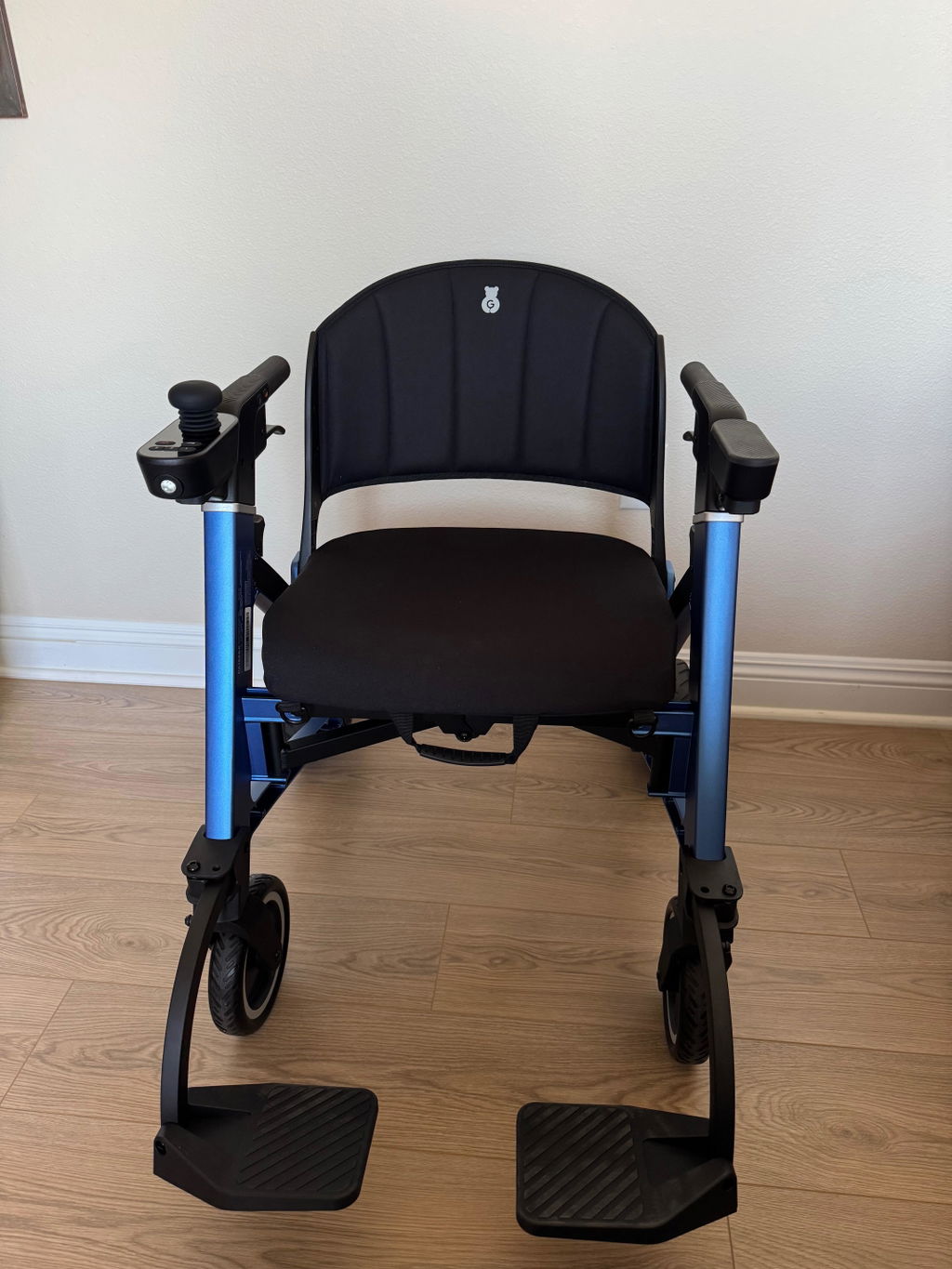
Leave a comment
This site is protected by hCaptcha and the hCaptcha Privacy Policy and Terms of Service apply.