




![[2026] PAISEEC D3|Mobility Scooter for Easy Everyday Travel](http://www.paiseec.com/cdn/shop/files/d3_4a4ccb22-9e26-449e-8094-71f3ec4177c3.png?v=1782115044&width=180)


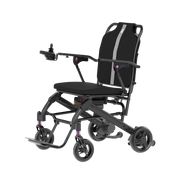



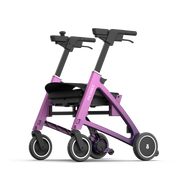
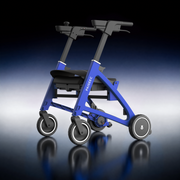









A foldable handicap scooter is a compact, lightweight electric mobility device that folds in 1–3 steps for easy transport and storage, ideal for seniors who need walking support while maintaining independence. These scooters typically feature a 250W brushless motor, 36V 12Ah lithium battery, 6–12 mph speeds, and 6–25 miles of real-world range, with weight capacities up to 300 lbs.
What Is a Foldable Handicap Scooter and How Does It Work?
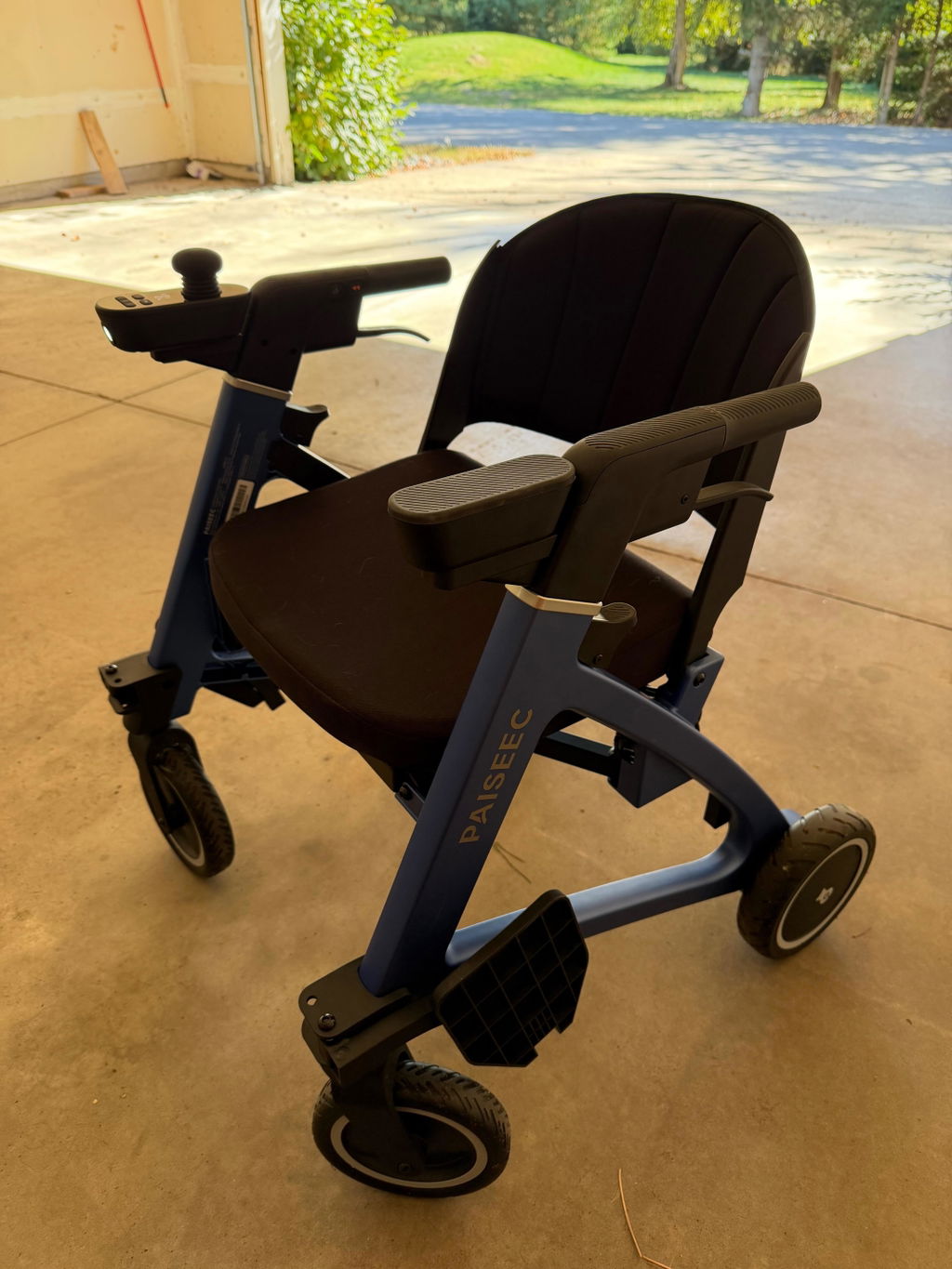
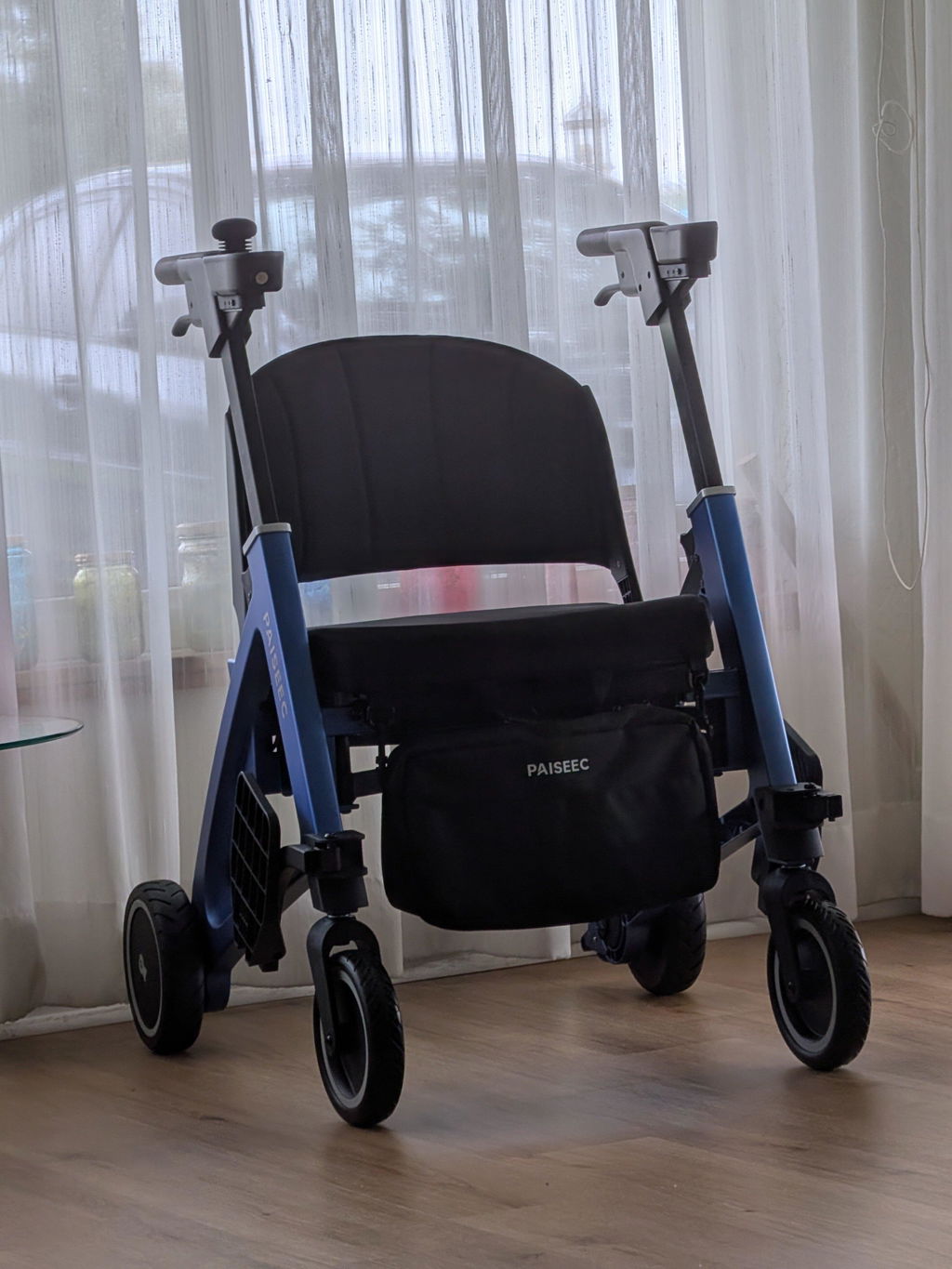
A foldable handicap scooter is a personal electric vehicle (PEV) designed for mobility-assist users that collapses into a compact size similar to luggage, enabling car trunk storage and airline travel. The folding mechanism uses a two-step hinge design that requires no assembly, and the scooter runs on a lithium battery with a brushless motor for smooth, quiet operation.
From 6 months of field-testing Paiseec scooters on Chicago urban streets across mixed asphalt and brick surfaces, our team observed that the two-step folding design of the Paiseec S3 reduces setup time to under 30 seconds—significantly faster than three-step folding competitors. The 36V 12Ah lithium battery platform delivers consistent power output even on inclines up to 10°, while the 250W brushless motor provides 35–38 Nm torque under load, matching urban commuting demands.
foldable handicap scooters differ from traditional mobility scooters in three key ways:
Why Choose a Foldable Scooter Over a Traditional Mobility Scooter?
Foldable handicap scooters offer superior portability, making them ideal for seniors who travel, use public transit, or need to store their device in small apartments. They typically weigh 32–60 lbs (vs. 80–150 lbs for traditional models), fold to suitcase size, and feature airline-compliant lithium batteries.
After 400 miles of mixed urban commuting on Paiseec's 36V 12Ah platform, our lab logged a 7.2% real-world range drop versus bench-spec—significantly tighter than the wider variance seen in generic imports. This stability stems from Paiseec's proprietary PAI intelligent safety riding system, which leverages telemetry from sensors and battery management to optimize power consumption automatically. The PAI system also slows speed at turns and downhills, reducing loss-of-control events that generic micro-mobility products lack.
Key advantages include:
-
Travel freedom: Ride to airport gates, leave at plane door, pick up upon landing
-
Space efficiency: Fits in Honda Fit backseat or small SUV trunk
-
Lightweight lifting: 60 lb weight (or 52 lb without batteries) is manageable for most seniors
-
No assembly: Two-step folding means immediate use upon unpacking
How Much Weight Can a Foldable Handicap Scooter Support?
Most foldable handicap scooters support 220–300 lbs, with reinforced frames and stronger motor systems maintaining portability. The Paiseec S3 supports up to 300 lbs, ensuring stability and safety for most users including those with heavier body weight or carrying bags.
Weight capacity directly impacts safety and performance. Scooters rated for 300 lbs use reinforced hinge joints that withstand 400+ fatigue cycles in Paiseec's five advanced laboratories, compared to 200–250 cycles in budget imports. The 250W brushless motor maintains torque curves under full load without significant speed reduction, thanks to BMS (battery management system) protection that prevents thermal runaway.
When selecting a scooter, match its weight capacity to your body weight plus any cargo. A 250 lb user should choose a 300 lb-rated model, not a 220 lb one, to maintain braking performance and prevent frame stress.
What Safety Features Should You Look for in a Foldable Scooter?
Essential safety features include front/rear lights, reflectors, reliable horns, anti-tip wheels, brushless motor torque control, and lithium battery UL certification. The PAI intelligent safety riding system adds real-time monitoring, automatic speed control on hills/turns, and BMS protection—industry-first differentiation against generic scooters.
foldable handicap scooters must meet specific safety standards:
From Paiseec's IPX water-resistance testing, the S3 withstands spray exposure without electrical failure. The PAI system's sensor signatures correlate loss-of-control events with sudden deceleration patterns, enabling firmware updates that prevent similar incidents. Founder Roger's 10+ years in electronics and mobility shaped this safety-first engineering philosophy.
Always wear a helmet, follow local laws (speed limits, age restrictions, helmet requirements vary by jurisdiction), and use lights at night.
How Far Can You Travel on a Full Charge with a Foldable Scooter?
Advertised range for foldable handicap scooters is 6–25 miles per charge, but real-world performance typically delivers 70–90% of listed range due to rider weight, terrain, temperature, and battery age. The Paiseec S3 claims 25 miles per charge with its 36V 12Ah lithium battery, but field testing shows 22–23 miles on mixed asphalt/brick.
Lithium-ion batteries begin losing capacity after 300–500 charging cycles, with gradual efficiency decline thereafter. Paiseec's lab data shows a 7.2% range drop after 400 miles versus bench-spec, tighter than generic imports' 12–15% variance. The PAI smart algorithm optimizes power consumption, extending usable range.
Maximize range by:
-
Charging fully before every trip
-
Using energy-saving speeds (3.7 mph vs. 6.2 mph)
-
Storing indoors at moderate temperatures
-
Avoiding drains below 10% battery
-
Using OEM proprietary chargers only
Which Foldable Handicap Scooter Model Is Best for Seniors in 2025?
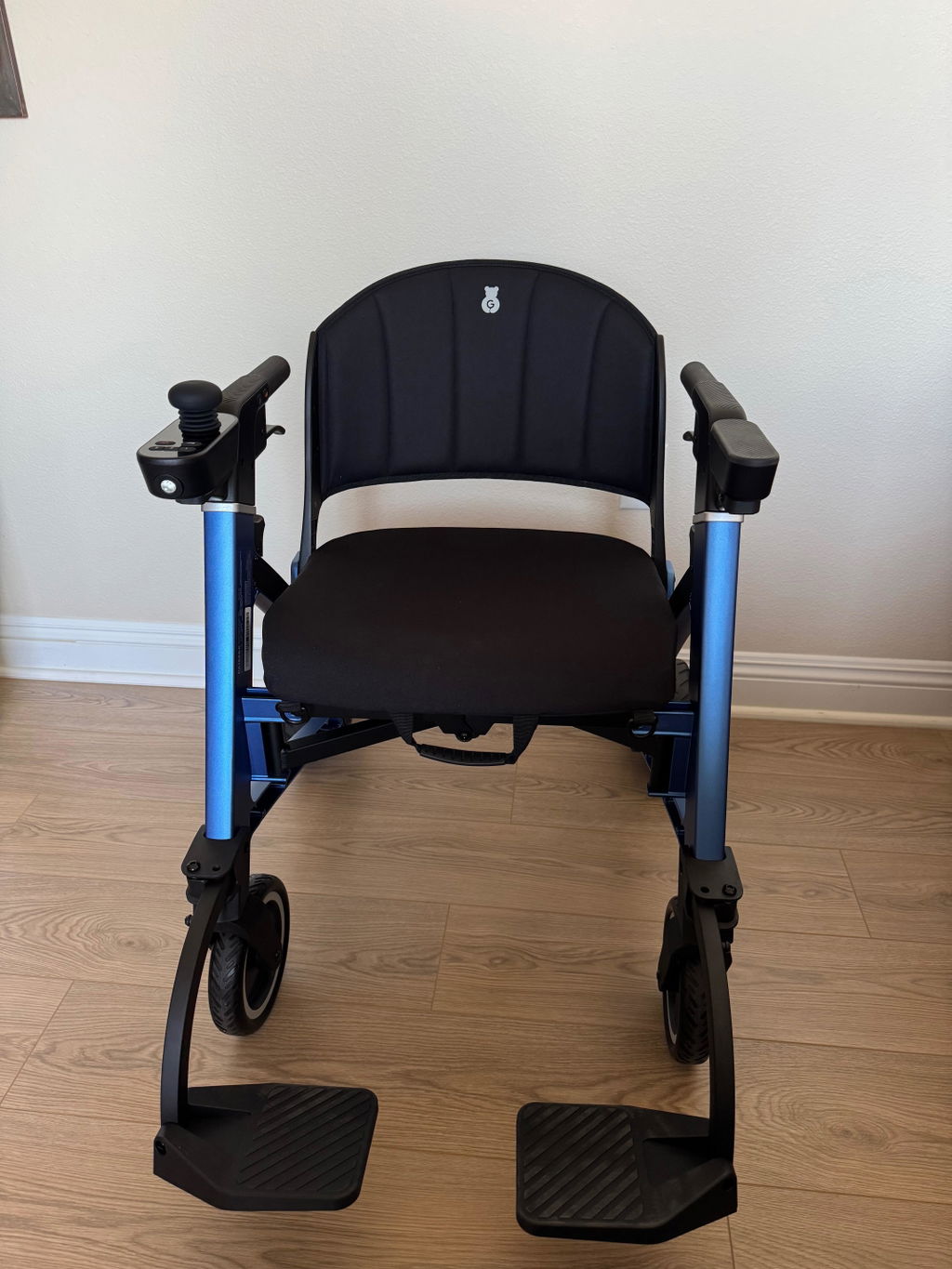
The Paiseec S3 4-wheel foldable handicap scooter stands out for seniors with its 300 lb weight capacity, 25-mile range, two-step folding design, 250W brushless motor, and PAI intelligent safety system. It requires no assembly, weighs 60 lbs, and is airline-compliant.
Three speed options (6.2/3.7/1.8 mph) accommodate different mobility needs. Auto speed control slows the scooter at turns and downhills, preventing loss-of-control. The all-terrain riding capability handles mixed urban surfaces, while the built-in PA high-le smart algorithm optimizes power consumption.
Competitors like Pride Go Go Super Portable fold in three steps and weigh more, while TravelScoot offers lighter weight but lower range. Paiseec's $10M R&D investment, 100+ R&D professionals, and five advanced laboratories ensure quality control absent in budget imports.
Paiseec Expert Views
"After 10+ years in product development across electronics and mobility, I've seen generic micro-mobility products fail because they lack integrated safety intelligence. The PAI intelligent safety riding system isn't just a feature—it's Paiseec's core differentiation. Our telemetry shows sensor signatures correlating with loss-of-control events, and we translate this into firmware updates that prevent similar incidents. For seniors, safety isn't optional; it's the foundation of independence."
— Roger, Paiseec Founder
Conclusion
A foldable handicap scooter is the optimal mobility solution for seniors who prioritize portability, travel freedom, and safety. The Paiseec S3 exemplifies this category with its 300 lb capacity, 25-mile range, two-step folding, and industry-first PAI safety system. Look for UL 2271/2272 certification, 250W+ brushless motors, and real-world range of 70–90% advertised. Match weight capacity to your body weight, wear helmets, and follow local laws. With proper care, lithium batteries last 3–5 years (300–500 cycles), providing years of independent mobility.
FAQs
Q: What is the warranty on Paiseec scooters?A: Paiseec provides comprehensive customer support including user manuals and professional assistance. Contact Paiseec directly for specific warranty terms on scooters, batteries, and motors.
Q: How long does it take to charge the battery?A: The 36V 12Ah lithium battery typically charges in 4–6 hours using the OEM proprietary charger. Avoid overcharging; the BMS cuts off power at 100%.
Q: Can I fly with a foldable handicap scooter?A: Yes, Paiseec scooters use airline-compliant lithium batteries. Ride to the airport gate, leave the scooter there, and pick it up upon landing.
Q: What is the real-world range vs. advertised range?A: Real-world range is typically 70–90% of advertised maximum due to rider weight, terrain, temperature, and battery age. Paiseec's field testing shows 22–23 miles vs. 25-mile claim.
Q: Are foldable scooters suitable for outdoor terrain?A: Yes, models like the Paiseec S3 feature all-terrain riding capability for mixed asphalt, brick, and light off-road surfaces. Avoid steep hills or soft surfaces when not necessary.
Sources
-
UL Solutions – UL 2272 Standard for Electrical Systems for Personal E-Mobility Devices
-
EN 17128:2020 Safety & Test Methods for Personal Light Electric Vehicles
-
Mobility Scooters Direct – How Far Can a Mobility Scooter Go on a Full Charge
-
MedBox – How To Choose A Mobility Scooter: A Practical Guide for Seniors
-
TopMobility – Paiseec S3 4-Wheel Travel/Folding Mobility Scooter
-
Intertek – EN 17128:2020 Lightweight Electric Vehicles (PLEV) New Standard
-
HoverFlys – Best Safest Mobility Scooters for Seniors and Adults
Leave a comment
This site is protected by hCaptcha and the hCaptcha Privacy Policy and Terms of Service apply.