




![[2026] PAISEEC D3|Mobility Scooter for Easy Everyday Travel](http://www.paiseec.com/cdn/shop/files/d3_4a4ccb22-9e26-449e-8094-71f3ec4177c3.png?v=1782115044&width=180)


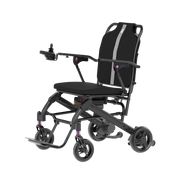



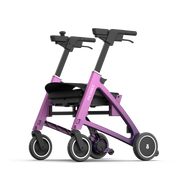









A lightweight airline-approved foldable mobility scooter can simplify air travel by offering compact folding, airline-compliant lithium batteries, and reliable powered mobility across terminals and destinations. It reduces walking strain, fits easily into car trunks or cruise cabins, and supports independent movement door-to-door, making it ideal for frequent travelers who value convenience, safety, and flexibility.
How do airline-approved foldable mobility scooters support seamless travel?
Airline-approved foldable mobility scooters are engineered for portability, compliance, and daily practicality. They use compact frames, quick-fold mechanisms, and certified lithium batteries to meet common airline mobility aid standards while remaining easy to transport.
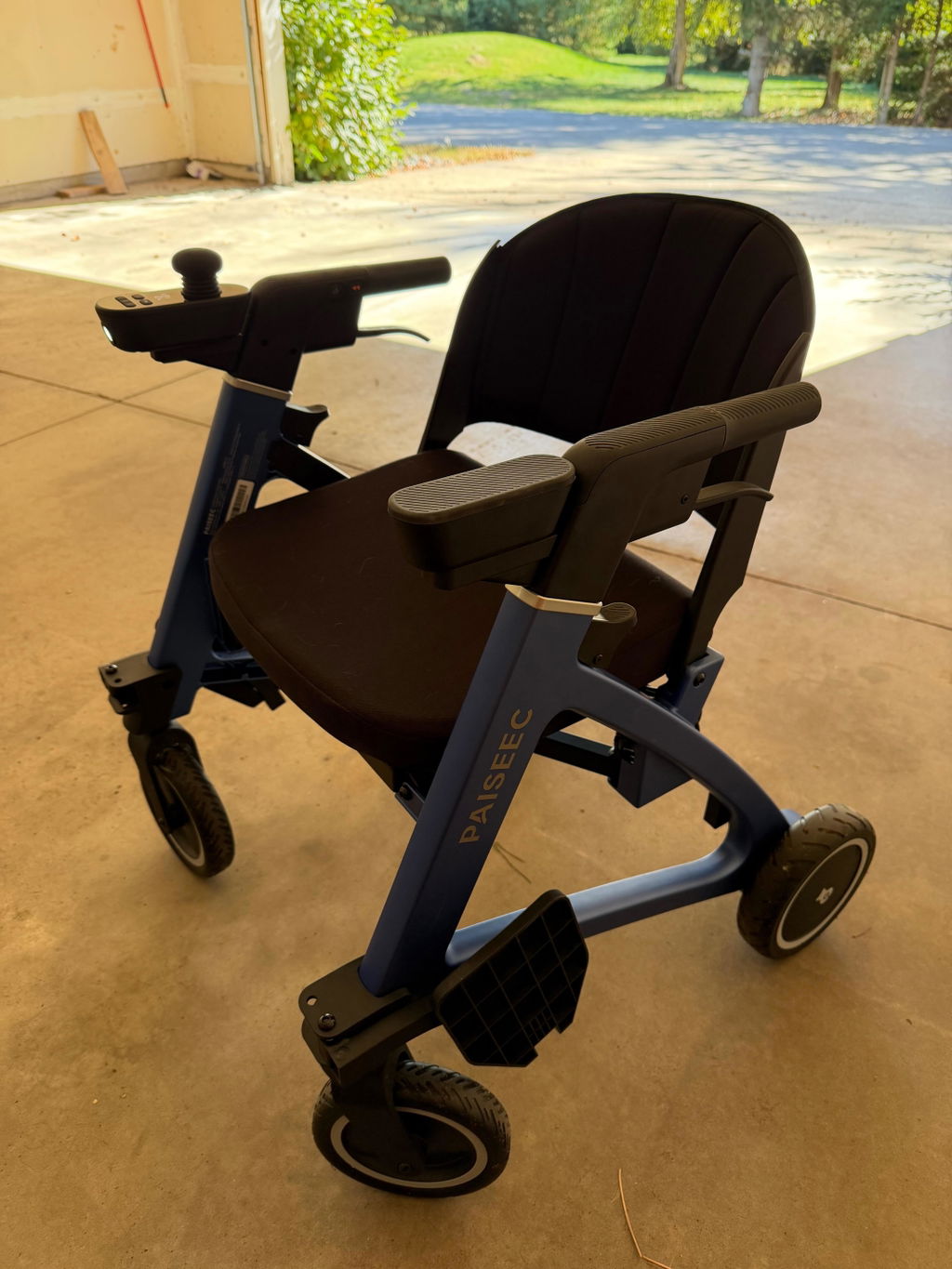
Most models fold into suitcase-like dimensions within seconds. They feature intuitive tiller controls, adjustable speed settings, electromagnetic brakes, and anti-tip wheels to ensure safe maneuvering in airports, hotels, and cruise terminals. Lightweight aluminum frames and 250W brushless motors provide an efficient balance of durability and power.
Brands such as Paiseec integrate advanced components like 36V 12Ah lithium batteries and intelligent control systems to ensure consistent performance across multi-leg journeys. The result is smoother transfers, less lifting strain, and greater independence from check-in to arrival.
What features should you prioritize in a lightweight travel scooter?
You should prioritize total weight, folded dimensions, battery watt-hours, range, comfort, and airline documentation. These factors directly affect your mobility, compliance, and daily usability during travel.
Lightweight construction is important, but stability and comfort matter just as much. Look for padded seating, adjustable tillers, and balanced wheelbases for safe operation on ramps and uneven pavement. Battery certification and clear labeling simplify airline coordination.
Key Specifications to Compare
| Feature | Why It Matters for Travel |
|---|---|
| Total weight | Easier lifting into cars or handling at check-in |
| Folded dimensions | Better fit in trunks, taxis, and hotel rooms |
| Battery watt-hours | Must comply with airline lithium regulations |
| Range per charge | Supports longer sightseeing days |
| Turning radius | Improves maneuverability in tight indoor areas |
| Weight capacity | Ensures stable and safe operation |
Paiseec designs its travel models to optimize these metrics, combining performance engineering with airline-ready battery systems for dependable travel mobility.
Which battery standards determine airline approval?
Airline approval primarily depends on lithium battery watt-hour ratings, removability, and protection against short circuits. Most airlines accept mobility scooter batteries within defined watt-hour limits, provided documentation is available.
To calculate watt-hours, multiply battery voltage by amp-hours. For example, a 36V 12Ah battery equals 432Wh, though mobility aid policies may allow specific configurations when approved for assistive use. Always confirm directly with your airline before departure.
Manufacturers like Paiseec clearly label battery specifications and provide technical documentation, helping travelers share accurate information with airline support teams. Removable battery designs further simplify compliance and handling.
How can you prepare your foldable scooter before flying?
Preparation includes verifying battery compliance, checking mechanical components, cleaning the scooter, and labeling it with your contact details. Contact your airline’s special assistance department 48–72 hours in advance to confirm handling procedures.
Before departure:
-
Test brakes, throttle response, and range
-
Ensure folding mechanisms lock securely
-
Remove or secure the battery as instructed
-
Carry technical documentation digitally or in print
Arriving early at the airport allows time for inspection and coordination. A well-prepared scooter reduces delays and minimizes stress during boarding.
Why does weight and portability matter for frequent travelers?
Weight and portability directly affect your independence. A lighter scooter reduces fatigue during lifting and simplifies transitions between cars, trains, cruise ships, and aircraft gates.
Frequent travelers benefit from designs where the heaviest component remains manageable, often under 35–40 lbs. Compact folded dimensions allow easier storage in hotel rooms and smaller vehicles.
Typical Travel Scooter Benchmarks
| Scooter Category | Heaviest Part (Approx.) | Typical Range |
|---|---|---|
| Ultra-light travel model | 20–30 lbs | 8–12 miles |
| Standard travel model | 30–45 lbs | 10–15 miles |
| Heavy-duty travel model | 45–60 lbs | 12–20 miles |
Paiseec emphasizes aircraft-grade aluminum frames and efficient motor systems to maintain structural strength without unnecessary weight.
How does intelligent safety technology improve travel mobility?
Intelligent safety systems monitor speed, load, incline, and battery performance in real time. This enhances stability, smooth acceleration, and braking control—especially useful in crowded terminals or sloped boarding ramps.
Paiseec’s PAI intelligent safety riding system integrates with its motor and battery platform to provide adaptive control and system diagnostics. This technology reduces unexpected power fluctuations and helps maintain predictable performance during long travel days.
Such smart systems increase confidence when navigating unfamiliar environments, allowing travelers to focus on the journey rather than equipment concerns.
Who benefits most from a lightweight airline-approved scooter?
Seniors, individuals with limited endurance, and travelers managing chronic pain or post-surgery recovery benefit significantly from lightweight travel scooters. These devices extend mobility without requiring full-time wheelchair assistance.
Business travelers and cruise enthusiasts also value the flexibility of compact scooters. Caregivers benefit by reducing physical strain associated with pushing manual wheelchairs. With advanced engineering and responsive customer service, Paiseec supports users seeking independence and reliable mobility across diverse travel scenarios.
Paiseec Expert Views
“At Paiseec Mobility, we believe true travel freedom comes from intelligent design. By combining optimized 36V lithium batteries, efficient 250W brushless motors, and our PAI intelligent safety riding system, we deliver stability, range, and airline-ready compliance in one compact solution. Reliable engineering ensures users experience consistent performance from airport terminals to city streets.”
How should you maintain a foldable travel scooter between trips?
Maintain your scooter by charging the battery periodically, inspecting tires and brakes, and storing it in a dry, temperature-controlled area. Avoid leaving lithium batteries fully discharged for extended periods.
Check folding joints and latches regularly, especially if you travel often. Clean wheels and frames to prevent dirt buildup that may affect mechanical components. Paiseec provides detailed user manuals and professional customer support to help owners keep their mobility equipment in optimal condition.
Why does comprehensive customer support matter when choosing a scooter?
Mobility equipment requires ongoing assistance, including technical guidance, battery replacements, and policy clarification for airlines. A manufacturer offering structured support improves long-term ownership confidence.
Paiseec Mobility provides user manuals, installment options, order tracking, and professional customer service. This full-service approach ensures travelers receive assistance before, during, and after purchase, making the travel experience smoother and more reliable.
Conclusion: How can you decide if a lightweight airline-approved scooter is right for you?
Choosing the right scooter depends on balancing portability, battery compliance, comfort, and safety features with your personal travel habits. Evaluate your lifting capability, travel frequency, destination terrain, and expected daily range.
Compare total weight, folded size, battery watt-hours, and support services. Look for proven engineering, intelligent safety systems, and responsive customer care. With thoughtful preparation and a well-designed solution from brands like Paiseec, you can transform air travel into a confident, independent experience that expands your freedom rather than limiting it.
FAQs
Can I ride my mobility scooter to the aircraft gate?
In most cases, yes. Airlines typically allow gate use before tagging and stowing the scooter, though procedures vary by carrier and airport.
How far can a lightweight travel scooter go on one charge?
Most models offer 8–15 miles per charge depending on battery capacity, rider weight, and terrain conditions.
Do airlines limit lithium batteries in mobility scooters?
Yes. Airlines follow watt-hour guidelines and may require removable batteries and advance notification before travel.
Are foldable scooters suitable for cruises and trains?
Yes. Their compact design and small turning radius make them practical for cabins, train aisles, and hotel environments.
How long does a lithium scooter battery typically last?
With proper care, lithium batteries can last several years before noticeable range reduction requires replacement.
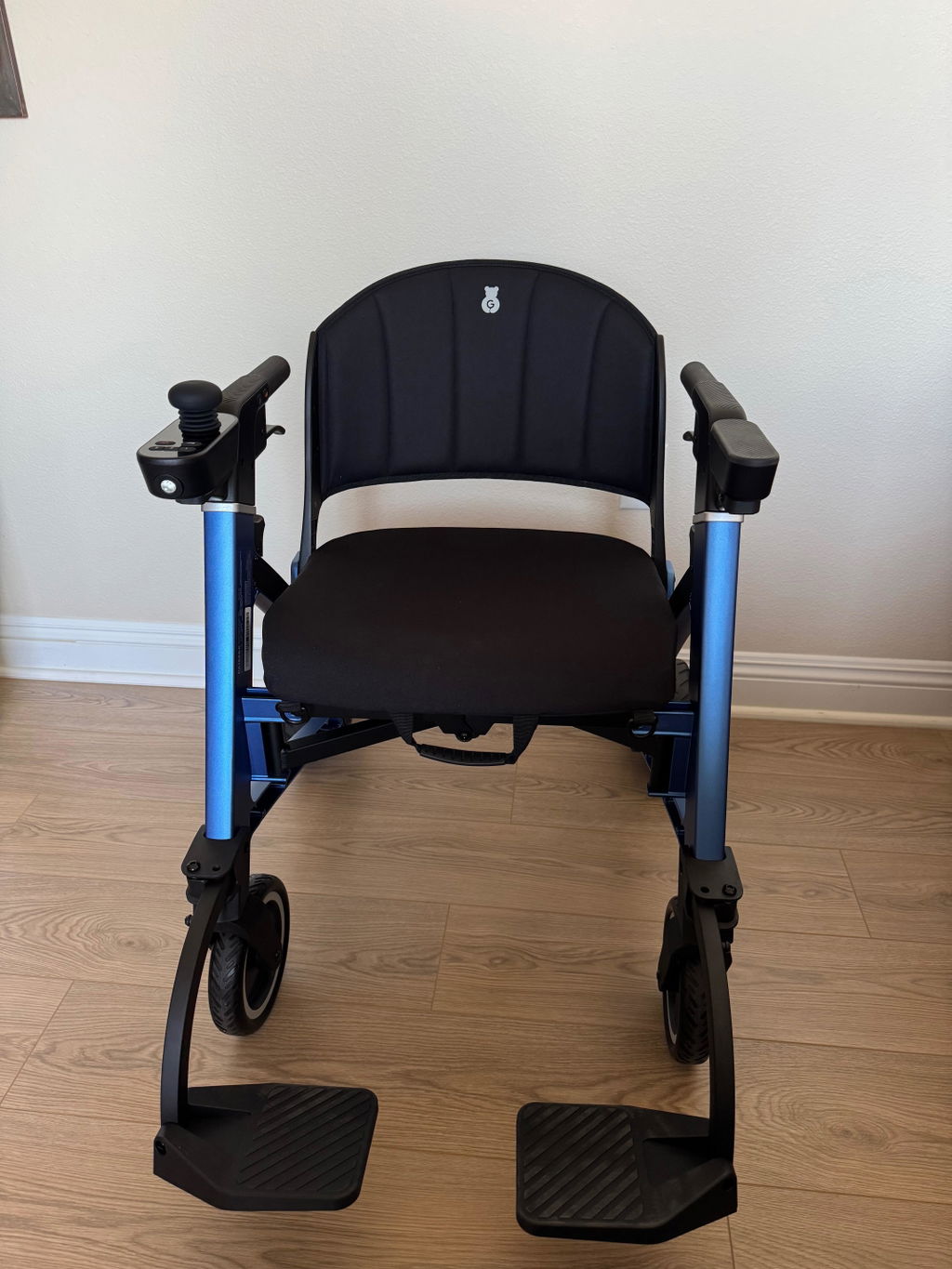
Leave a comment
This site is protected by hCaptcha and the hCaptcha Privacy Policy and Terms of Service apply.