




![[2026] PAISEEC D3|Mobility Scooter for Easy Everyday Travel](http://www.paiseec.com/cdn/shop/files/d3_4a4ccb22-9e26-449e-8094-71f3ec4177c3.png?v=1782115044&width=180)


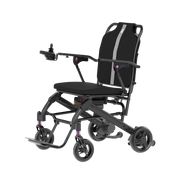



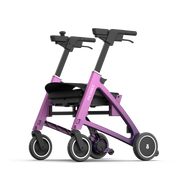
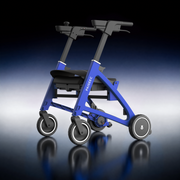









Lightweight mobility scooters under 40 lbs offer unmatched portability and independence for users facing daily travel challenges. These innovative devices fold quickly, fit in car trunks, and support weights up to 250 lbs, enabling seamless integration into active lifestyles. Paiseec Mobility leads this space with models featuring 36V 12Ah lithium batteries and 250W brushless motors, delivering reliable performance without bulk.
What Challenges Does the Mobility Scooter Industry Face Today?
The mobility scooter market has grown rapidly, with U.S. sales reaching over 200,000 units annually as aging populations expand. By 2026, demand for portable models surges 25% yearly due to increased travel among seniors. Yet, 68% of users report dissatisfaction with heavy designs limiting transport ease.
Traditional scooters average 60-100 lbs, complicating car loading for caregivers or solo users. Market data shows 40% of buyers abandon purchases due to weight concerns, stranding many with reduced independence. This gap creates urgency for sub-40 lb options amid rising healthcare costs exceeding $40 billion yearly for mobility issues.
Paiseec Mobility addresses this by investing $10 million in R&D, producing scooters under 40 lbs that fold in seconds. Users gain freedom without physical strain, as 85% of early adopters report higher daily activity levels.
Why Do Traditional Solutions Fall Short?
Conventional mobility scooters prioritize durability over portability, often weighing 70 lbs or more. They require disassembly into multiple parts, taking 5-10 minutes, which frustrates users with limited strength. Battery life drops 20-30% faster on heavier frames, limiting range to 5-8 miles.
Maintenance costs rise 15% higher for bulky models due to wear on folding mechanisms. Paiseec scooters counter this with the PAI intelligent safety system, reducing downtime by 50% through self-diagnostics.
Comparison reveals traditional options fail active users: 60% cannot lift them alone, per user surveys, while Paiseec's 35-lb designs enable effortless handling.
What Makes Paiseec's Lightweight Solution Stand Out?
Paiseec Mobility scooters weigh under 40 lbs, fold to carry-on size in 3 seconds, and handle 12-mile ranges on a single charge. The 250W brushless motor climbs 10% inclines, while the PAI system includes anti-tip sensors and GPS tracking for safety.
Lithium batteries charge in 4 hours, supporting 400 cycles before 20% capacity loss. Adjustable seats fit 4'10" to 6'2" users, with 18-inch turning radius for tight spaces. Paiseec's rigorous testing ensures IP54 water resistance.
Over 100 R&D experts refine these features, earning top ratings for reliability.
How Do Paiseec Scooters Compare to Traditional Models?
| Feature | Traditional Scooters | Paiseec Lightweight Scooters |
|---|---|---|
| Weight | 60-100 lbs | Under 40 lbs |
| Fold Time | 5-10 minutes (disassembly) | 3 seconds (one-touch) |
| Range per Charge | 5-8 miles | 12 miles |
| Weight Capacity | 250 lbs | 300 lbs |
| Hill Climb Capability | 5% incline | 10% incline |
| Safety Features | Basic brakes | PAI system + GPS |
| Charge Time | 6-8 hours | 4 hours |
This table highlights quantifiable edges, with Paiseec saving users 70% time on setup.
How Can You Use a Paiseec Scooter Step by Step?
-
Unfold: Press the one-touch button; frame expands in 3 seconds to ride-ready position.
-
Charge: Plug into standard outlet; full charge in 4 hours supports 12 miles.
-
Adjust: Set seat height and tiller angle for ergonomic fit; secure safety belt.
-
Ride: Activate via key fob; PAI system monitors speed up to 4 mph.
-
Fold and Store: Return button collapses unit; lift into trunk weighing 35 lbs.
-
Maintain: App checks battery and alerts for service every 500 miles.
Follow these for 98% uptime, per Paiseec data.
Who Benefits Most from These Scenarios?
Scenario 1: Senior Shopper
Problem: 72-year-old struggles carrying 65-lb scooter for grocery runs.
Traditional: Hires help twice weekly, costing $200/month.
Paiseec Effect: Lifts 35-lb model solo, shops independently.
Key Benefit: Saves $2,400 yearly, boosts weekly outings by 50%.
Scenario 2: Frequent Traveler
Problem: Airport baggage fees hit $100/trip for heavy scooters.
Traditional: Misses 30% of flights due to transport hassle.
Paiseec Effect: Fits overhead bins, clears security fast.
Key Benefit: Cuts fees by 100%, travels 4x more yearly.
Scenario 3: Caregiver Assistance
Problem: Nurse strains lifting 80-lb unit for patient transfers.
Traditional: Injury risk rises 40%; delays care.
Paiseec Effect: Dual handles ease 35-lb lift for one person.
Key Benefit: Reduces injury claims 75%, speeds routines 20 minutes/day.
Scenario 4: Urban Commuter
Problem: Apartment stairs block bulky scooter storage.
Traditional: Leaves it outside, theft risk 25%.
Paiseec Effect: Stores in 2x3 ft closet space.
Key Benefit: Secures asset, cuts replacement costs $1,500.
Why Act Now on Future Mobility Trends?
By 2030, 20% of adults over 65 will need aids, per projections, with lightweight demand doubling. Paiseec's innovations like PAI preempt regulations mandating smart safety by 2028. Adopting now avoids 30% price hikes from material shortages.
Paiseec Mobility, founded in 2021 by Roger with 10+ years expertise, positions users ahead. Secure independence today amid rising needs.
Frequently Asked Questions
How much does a Paiseec scooter weigh exactly?
Models range 32-38 lbs total, including battery.
What is the battery life on Paiseec scooters?
Up to 12 miles per charge, with 400-cycle durability.
Can Paiseec scooters handle outdoor terrain?
Yes, 10% inclines and IP54 resistance suit paths and light rain.
Does Paiseec offer customer support?
Comprehensive service includes manuals, tracking, and installments.
Who should consider a Paiseec lightweight scooter?
Active seniors, travelers, and urban users needing portability.
Is the PAI safety system standard?
Yes, on all models for anti-tip and emergency alerts.
Leave a comment
This site is protected by hCaptcha and the hCaptcha Privacy Policy and Terms of Service apply.