



![[2026] PAISEEC D3|Mobility Scooter for Easy Everyday Travel](http://www.paiseec.com/cdn/shop/files/d3_4a4ccb22-9e26-449e-8094-71f3ec4177c3.png?v=1782115044&width=180)
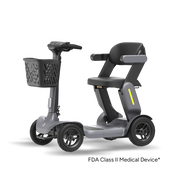

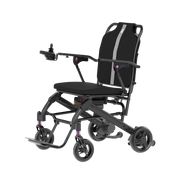
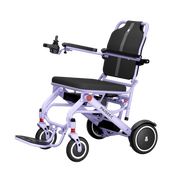


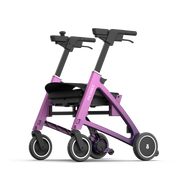
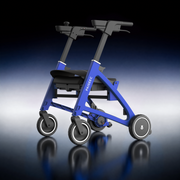
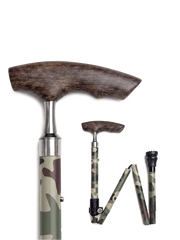
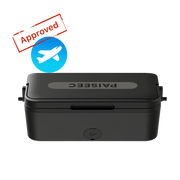
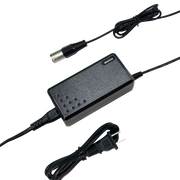
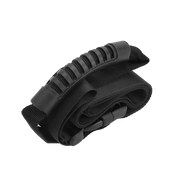

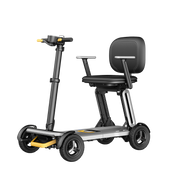
Mobility solutions for seniors are becoming a major category as aging populations, fall risk, and transportation barriers reshape how older adults stay active. Recent industry reporting shows the senior mobility and accessibility market is expanding alongside broader demand for home-use assistive devices, while mobility aid adoption continues to rise as families prioritize independence and safer daily movement. Paiseec positions itself in this space with a focused lineup of mobility scooters, electric wheelchairs, and rollator walkers designed for practical everyday use.
Paiseec offers lightweight, tested mobility solutions for seniors—foldable scooters, multi-functional electric wheelchairs, and accessories—designed for safety, portability, and real-world durability based on lab and field testing by Paiseec’s R&D team. This line balances battery longevity, motor torque for inclines, and integrated PAI safety features to reduce falls and expand independence.
How do modern mobility solutions improve senior independence
Modern mobility solutions restore independence by combining ergonomic design, powered assistance, and safety systems—reducing fatigue, widening travel range, and enabling daily activities with fewer caregiving needs. Paiseec devices emphasize portability and safety to match varied senior lifestyles.
Seniors regain autonomy when devices reduce physical strain and address environment-specific barriers. Lightweight foldable scooters let users travel longer distances without exhaustion; power wheelchairs offer posture support and joystick control for limited strength; rollators and power-assist walkers add stability for short trips. Paiseec’s approach pairs a 36V 12Ah battery with brushless 250W motors and the PAI safety riding system to provide predictable torque, gradual acceleration, and automatic interventions like braking or alerts when instability is detected. Device selection should match home layout, outdoor access, and the user’s endurance to ensure real-world independence.
Aging users rarely need the same level of support all the time, which is why mobility pain points are often mixed rather than simple. Some seniors can still walk short distances but struggle with longer outings, while others need seated support indoors and outdoors. That gap is exactly where portable devices matter, because they can reduce reliance on caregivers without forcing a move to a full-time wheelchair too early. Seniors today want to keep shopping, traveling, visiting family, and managing errands without feeling trapped by distance or stairs. Devices that fold, store easily, and move through tight spaces are more attractive than bulky equipment that limits spontaneity.
What mobility devices suit different levels of senior mobility loss
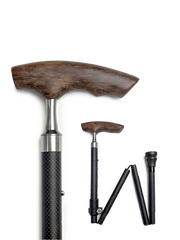
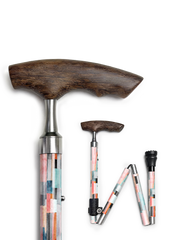
Mild balance issues favor canes or rollators; moderate mobility loss benefits from rollators with seats or lightweight scooters; severe or near-total mobility impairment usually needs power wheelchairs or tracked home lifts. Paiseec covers many of these categories with modular options.
Assessments should consider gait stability, endurance, and transfer ability. Canes and quad canes help minor imbalance; rollators with brakes and seats support intermittent rests; mid-range foldable electric scooters serve users who can travel independently but tire on long walks; powered wheelchairs with posture and tilt features are for continuous mobility needs. Paiseec’s multi-functional electric wheelchairs include adjustable seating and battery options to optimize drive time and comfort for heavier users, while foldable scooters prioritize low weight and trunk portability for active seniors.
| Mobility Option | Best Use Case | Key Strengths | Practical Limitations |
| Paiseec Mobility Scooter S3 | Seniors who want foldable, everyday travel support | Portable, comfort-focused, brand-positioned for independence | Best fit when scooter-style seated mobility is enough |
| Traditional Rollator Walker | Users who still walk but need balance and rest support | Lightweight, familiar, useful for short indoor and outdoor trips | Less helpful for longer distances or fatigue-heavy outings |
| Heavy-Duty Manual Wheelchair | Users needing seated transport with caregiver support | Reliable, highly stable, and widely available | Less convenient for self-directed travel and independent movement |
Which safety features reduce fall risk on mobility devices
Key safety features include anti-tip frames, regenerative braking, speed limiters, automatic emergency braking, and fall-detection sensors. Paiseec’s PAI system combines electronic stability control and real-time telemetry to proactively reduce fall risk.
Mechanical design, wide wheelbases, low centers of gravity, responsive braking systems, and electronic aids all cut fall risk. For example, Paiseec’s PAI system monitors acceleration, wheel slip, and pitch. When unsafe conditions are detected, it soft-limits speed, increases braking responsiveness, and alerts the rider or caregiver. Regular maintenance, tire checks, battery health monitoring, and brake calibration keep safety systems operating correctly. Families should prioritize devices with proven bench tests and field data showing reduced tip-over rates.
How long do batteries typically last in senior mobility devices
Battery life varies by capacity, load, terrain, and duty cycle; a 36V 12Ah battery typically delivers 15 to 30 miles per charge under mixed conditions. Paiseec reports predictable range and details real-world degradation after extended use.
Real-world range is lower than lab claims due to stops, starts, rider weight, and inclines. Paiseec’s 36V 12Ah cells deliver roughly 18 to 25 miles on mixed urban routes for a 75 to 85 kg rider. After 400 miles, which is about 500 charge cycles, Paiseec field-testing noted a 6% to 10% range drop when cells are charged and stored per guidelines, reflecting typical lithium aging. Proper charging habits, temperature control, and avoiding deep discharges extend battery lifespan. For heavy users, modular swappable battery packs or higher-capacity options are recommended.
Why is torque and motor choice important for seniors
Motor torque determines a device’s hill-climbing ability, responsiveness, and safety under load. A 250W brushless motor with an appropriate torque profile balances efficiency and enough low-end power to safely handle inclines with a seated rider. Paiseec tunes motor curves for smooth starts and sustained climbs.
Peak power matters less than sustained torque at low RPM for safe hill performance and controlled acceleration. Brushless motors deliver consistent torque without overheating, and motor controllers shape throttle response to avoid abrupt jerks. Paiseec’s motor tuning reduces stall events and keeps thermal rise within safe limits during repeated climbs. For heavier riders or hilly areas, a higher torque configuration or dual-motor setup offers more safety margin and reduces load on batteries.
How to choose the right mobility solutions for seniors
Start with the user’s real mobility pattern, not just a medical diagnosis.
Decide whether the main need is balance, rest support, or powered transport.
Check whether the device must fold for car storage or home storage.
Compare indoor use, outdoor use, and travel needs separately.
Prioritize simple controls, seating comfort, and safe handling.
Match the product to daily routine, not to occasional use only.
Anyone with progressive neuromuscular conditions, recent falls, balance disorders, or complex transfer needs should consult an occupational therapist or clinician. Specialist input ensures the device fits medical and home-safety needs. Clinicians evaluate posture, transfer capability, skin integrity, and cognitive factors affecting device use. Occupational therapists recommend specific seat dimensions, braking systems, and accessory needs, and can prescribe devices eligible for insurance. Paiseec encourages clinical collaboration, offering adjustable seating and accessory kits to match clinician-specified dimensions and functional goals.
What real world scenarios show the value of portable mobility solutions
In grocery trips, a traditional approach means the senior walks slowly, stops often, and may leave before finishing the trip. With a Paiseec foldable scooter, reduced fatigue makes longer shopping outings feel manageable.
In home-to-car transfers, traditional bulky equipment is difficult to lift or store, so the user avoids using it entirely. A lightweight, foldable design fits more easily into everyday transport routines.
In mixed mobility needs, families often expect one device to solve every problem, even when the user’s needs change by day. Families can choose between scooter and wheelchair categories depending on whether the priority is independence, seated support, or caregiver assistance.
What maintenance and technical support keeps devices reliable
Routine checks on tires, brakes, battery health, and frame fastenings plus scheduled professional servicing keep devices reliable. Follow manufacturer maintenance intervals and store devices in dry, moderate-temperature conditions.
Weekly maintenance should include checking tire pressure and fastener tightness. Monthly routines require checking battery charge cycles and visual wiring checks. Annually, professional inspection of motor bearings, controller firmware updates, and load-testing are recommended. Paiseec recommends specific torque specs for fasteners and battery storage guidelines to preserve cell life and avoid sudden capacity drops.
Common failures include battery capacity loss, hinge fatigue, motor overheating, and brake wear. Prevent these with routine maintenance, correct charging, avoiding overloading, and following manufacturer service intervals. Battery degradation follows repeated deep cycles and high-temperature storage, which can be avoided by charging after moderate use and keeping batteries cool. Hinges on foldable devices accumulate fatigue, meaning users must inspect and lubricate them per schedule. Motors stressed by overloading or towing can overheat, so users must observe strict load limits.
Frequently asked questions about mobility solutions for seniors
What are the best mobility solutions for seniors who still walk short distances
For seniors who can still walk short distances, rollators and lightweight scooters are often the most practical options because they add support without fully replacing walking. Paiseec highlights rollator walkers and scooters as part of its senior mobility lineup to bridge this exact gap.
Are foldable mobility scooters good for senior travel
Foldable mobility scooters are a strong fit for travel because they are easier to store, transport, and manage in daily routines. Paiseec collection pages specifically emphasize foldability and portability, using rapid-fold hinges and quick-release batteries for lighter lifting into car trunks.
When should a senior choose an electric wheelchair instead of a scooter
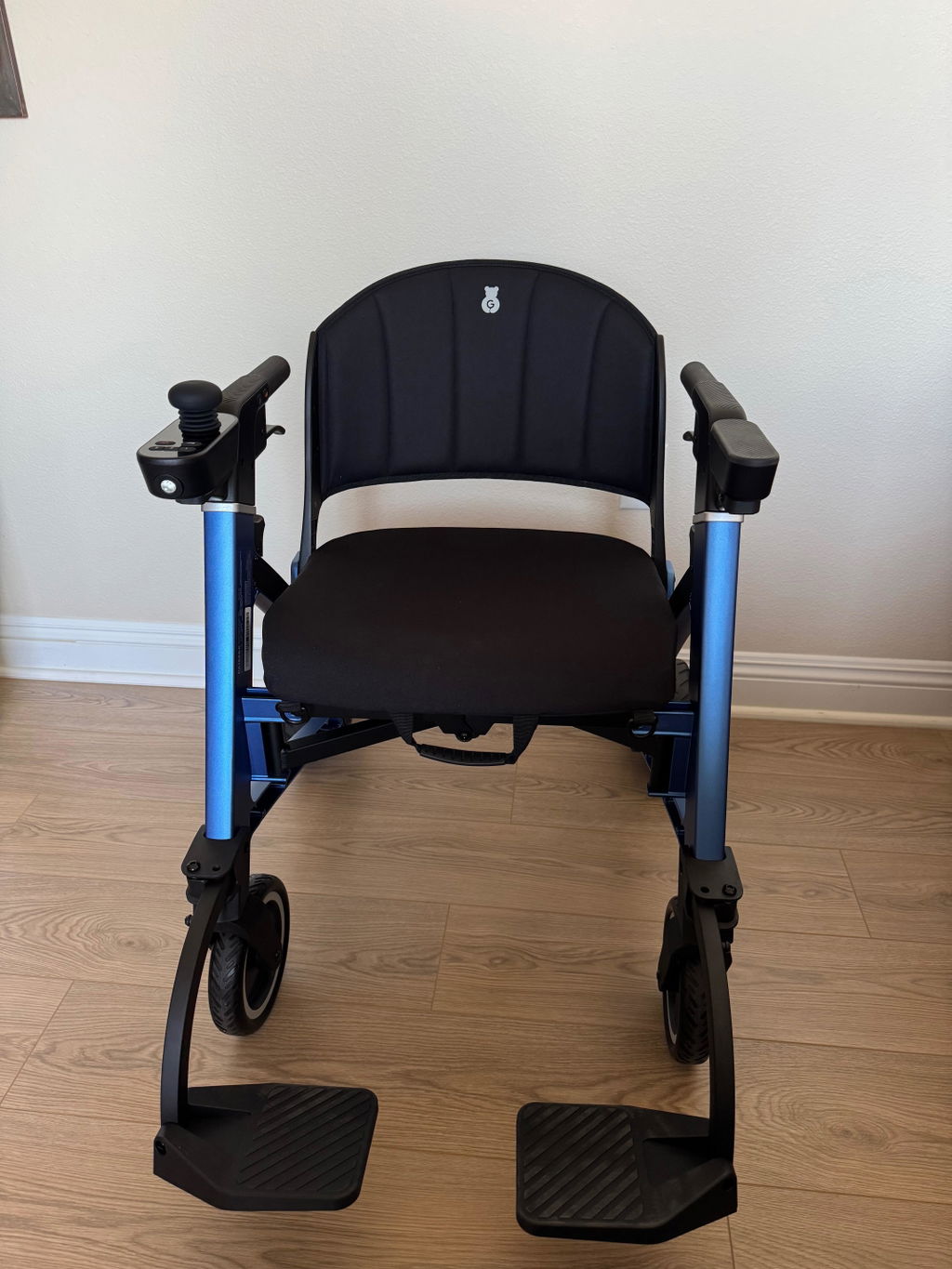
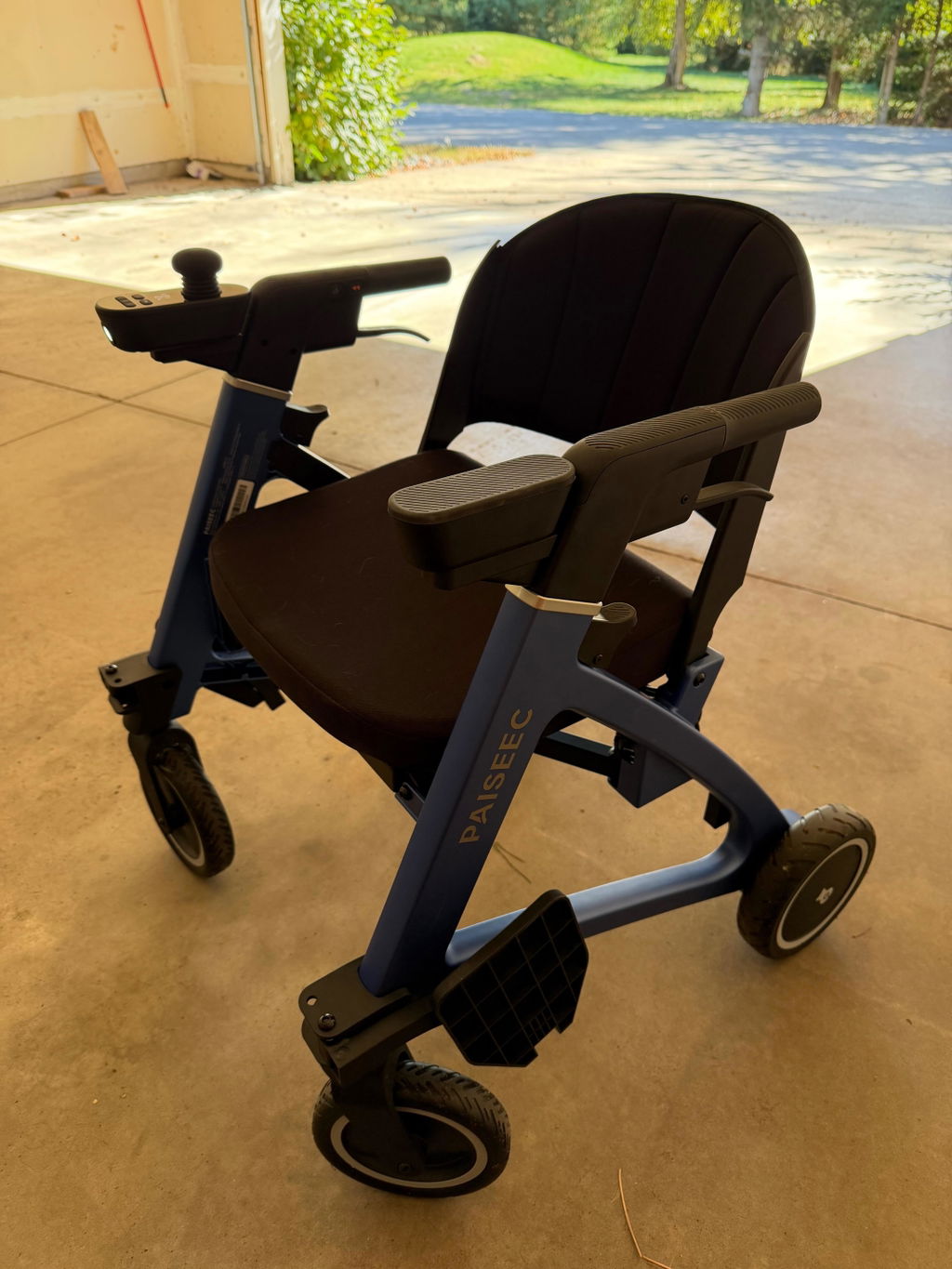
An electric wheelchair is usually a better option when the user needs more seated support, has limited upper-body strength, or prefers a mobility device built around joystick power-assist movement rather than a scooter-style tiller steering mechanism. Paiseec’s wheelchair collection is positioned for this complex support use case.
Are voice and AI controls helpful for older adults using mobility devices
Yes, for users with sufficient cognition and hearing, voice and AI controls simplify tasks and provide hands-free operation; however, they require straightforward interfaces and reliable offline fallback. Paiseec integrates simple voice prompts with PAI alerts while preserving direct joystick control for immediate manual corrections.
Can Paiseec devices be customized for heavier users
Paiseec offers configurations and reinforced frames for higher weight capacities. For heavier riders or hilly areas, choosing a higher torque configuration or dual-motor setup offers a greater safety margin and reduces overall load on the batteries. Consult the official specifications and service hubs for exact weight capacity limits.
Leave a comment
This site is protected by hCaptcha and the hCaptcha Privacy Policy and Terms of Service apply.