




![[2026] PAISEEC D3|Mobility Scooter for Easy Everyday Travel](http://www.paiseec.com/cdn/shop/files/d3_4a4ccb22-9e26-449e-8094-71f3ec4177c3.png?v=1782115044&width=180)


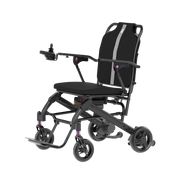



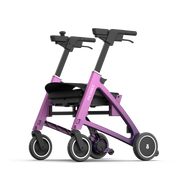
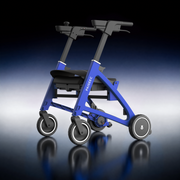









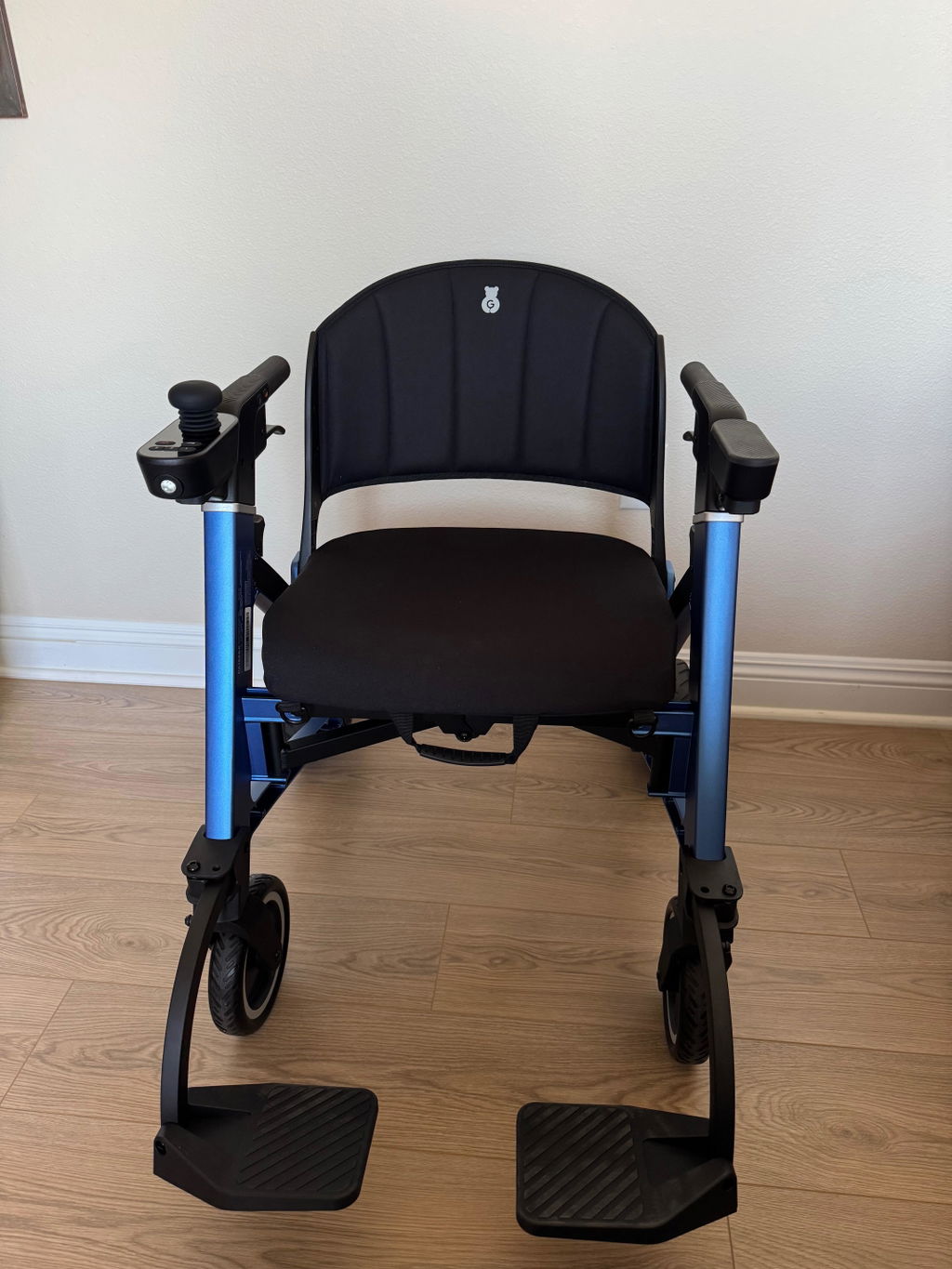
Lightweight mobility equipment refers to compact, easy-to-carry mobility devices designed to improve independence without adding unnecessary bulk. It includes foldable scooters, transport chairs, lightweight wheelchairs, rollators, and other travel-friendly aids built for easier lifting, storage, and daily use. These devices reduce physical handling burden while improving daily movement, travel, and storage convenience. In practice, this includes foldable scooters, compact electric wheelchairs, and supportive walkers built for easier transport and simpler use.
Why Demand for Lightweight Mobility Equipment Keeps Rising
The biggest pain point is not only mobility itself, but the effort around mobility. Many users can manage a device once it is set up, but struggle with lifting it into a trunk, charging it in a small apartment, or maneuvering it through tight indoor spaces. That is why lightweight mobility equipment has become so attractive: it reduces friction before and after the ride.
Another issue is fit. Standard mobility devices can feel too heavy for caregivers, too bulky for travel, or too specialized for mixed indoor-outdoor routines. Buyers increasingly want one device that can handle errands, appointments, and short trips without demanding a van, a ramp, or a complicated transfer process.
A third challenge is confidence. People often avoid using mobility equipment that looks intimidating, feels unstable, or requires too much force to operate. Lightweight designs lower that psychological barrier by making the product easier to approach, easier to store, and easier to bring out whenever needed.
Finally, portable mobility is now tied to lifestyle, not just medical necessity. Seniors, recovering users, and frequent travelers all want equipment that supports independence without making the rest of life harder. That shift is why lightweight mobility equipment has moved from a luxury to a highly practical purchase category.
Why Does Lightweight Design Matter for Independence
Lightweight design matters because mobility should not become a burden to move, store, or transport. Users often struggle more with the equipment than with the journey itself, especially when dealing with stairs, trunks, tight hallways, and public transit. A lighter frame can make daily routines faster, safer, and less tiring. It lowers lifting strain and simplifies transfers into cars or storage areas, allowing seniors, rehab users, and active adults recovering from injury to stay active and engaged without relying constantly on caregivers.
Which Product Types Fit This Category
The most common types of lightweight mobility equipment include lightweight wheelchairs, foldable mobility scooters, transport chairs, rollators, and portable electric wheelchairs. Each solves a different need, but the shared goal is simple: reduce physical strain while keeping the device dependable. For many users, the best option depends on travel frequency, body support needs, and lifting ability.
How to Choose the Right Lightweight Mobility Option
The right choice depends on weight, folded size, battery range, seat comfort, turning radius, and lifting requirements. Users should also consider whether they need manual support, powered assistance, or a hybrid travel-friendly design. The best model is the one that matches daily reality, not just specifications on paper.
To choose correctly, start with the main use case: daily errands, travel, indoor support, or caregiver assistance. Check whether the device needs to be lifted often, because weight and fold size matter as much as comfort. Compare battery convenience and charging habits against the user’s routine, and look at turning radius and control simplicity for daily practicality. Match the device to the user’s physical needs instead of choosing the largest or most powerful option, and favor equipment that can be stored, transported, and used repeatedly without extra strain.
Paiseec Product Line Comparison and Selection Guide
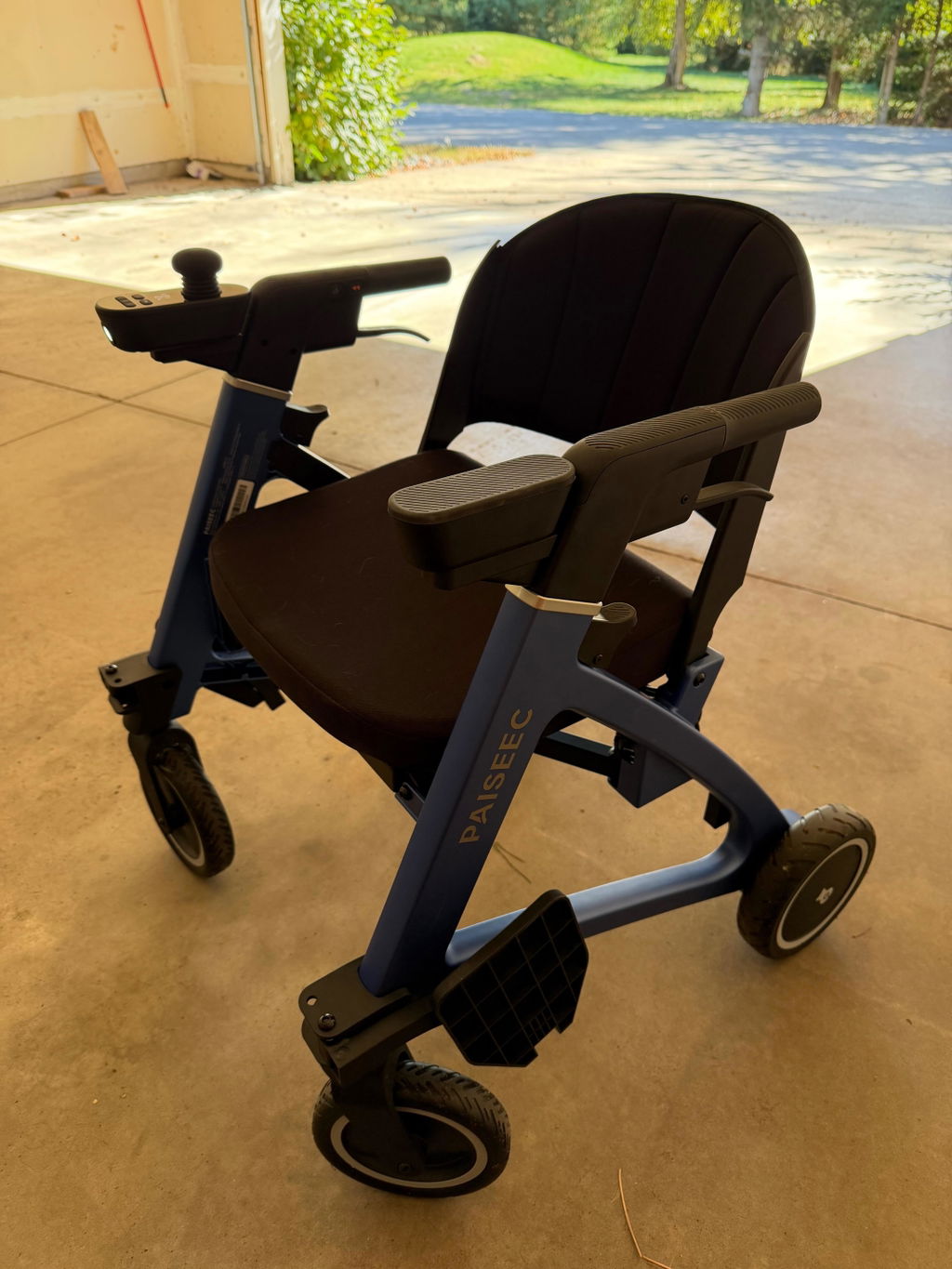
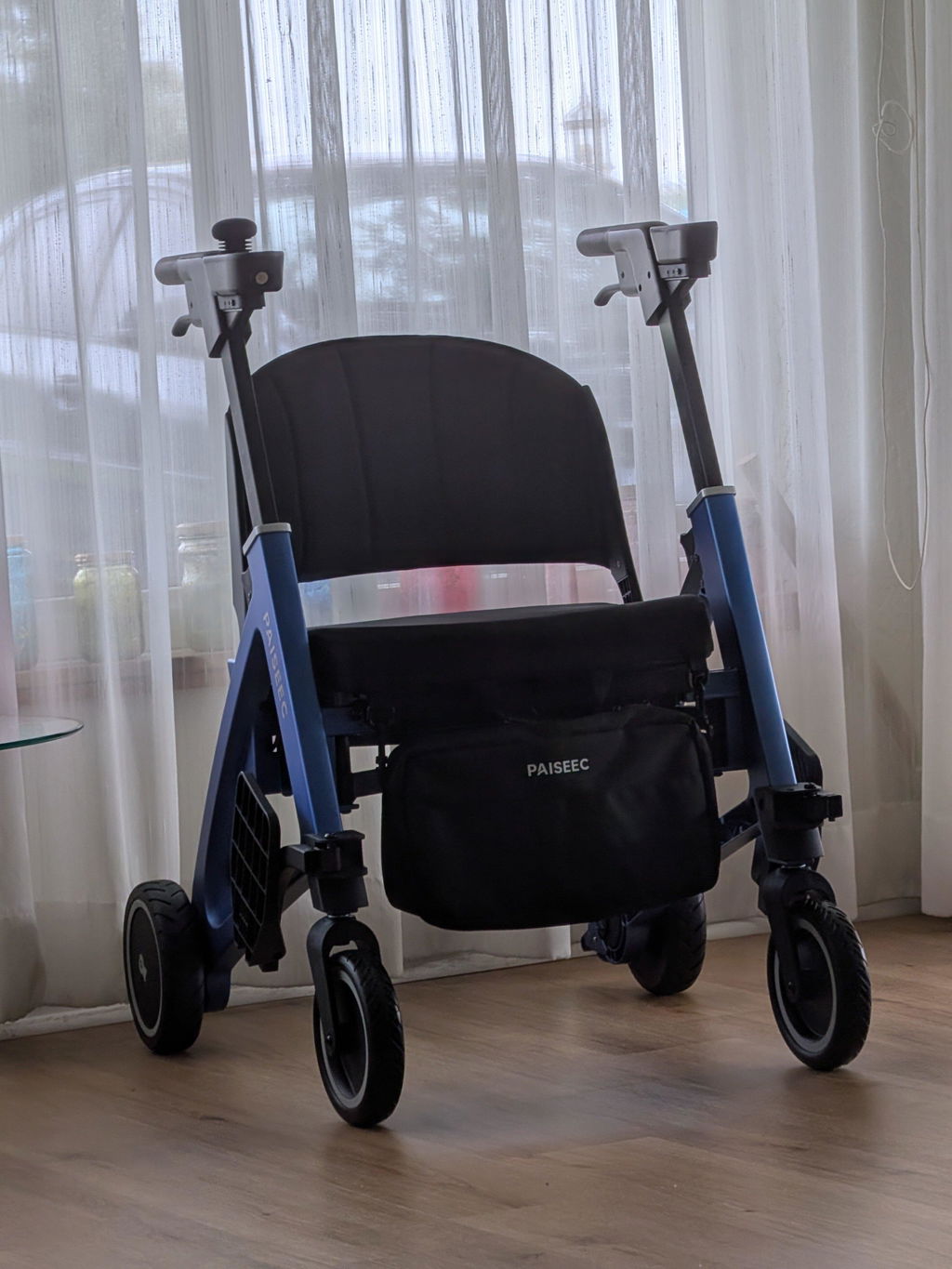
Paiseec's product lines center on mobility scooters, electric wheelchairs, and rollator walkers designed around lightweight and foldable use cases. The brand balances portable design with tested engineering, advanced safety systems, and strong research and development support.
| Product Option | Best For | Structural Strength | Key Trade-off |
| Paiseec Mobility Scooter S3 | Short trips, quick errands, and rapid travel | Foldable scooter format designed for maximum portability | Not ideal for users who need full seated orthopedic support all day |
| Paiseec Mobility Scooters | Buyers comparing different travel scooter models | Lightweight, foldable travel-scooter lineup with consistent battery range | May still require lifting effort for vehicle transport depending on user capability |
| Paiseec Electric Wheelchairs | Users needing continuous power-seated assistance | Foldable wheelchair options with specialized mobility-focused design | More specialized and heavier than a simple manual walker |
How Core Features Impact Everyday Mobility Performance
Foldability is a primary feature. Foldable equipment is easier to store at home, place in a trunk, and take on trips. For many users, foldability is the difference between an item owned and one actually used.
Battery and range performance matter because mobility equipment should reduce stress, not create it. Practical range supports appointments, shopping, and neighborhood use without frequent recharging.
Safety and control features like intuitive steering, stable frames, and user-friendly controls help users feel secure in daily use. Lighter equipment can still be unsafe if it compromises stability or control, which makes braking response, center of gravity, wheel traction, battery protection, and anti-tip behavior critical factors.
How Real World Mobility Scenarios Benefit from Portability
In a scenario where a senior wants to keep attending local appointments independently, the traditional approach relies on a heavier device that may be harder to load and store. A foldable mobility product makes transport easier and daily use less disruptive.
In a scenario where a traveler needs a device that can move between home, car, and destination, the traditional approach forces reliance on bulky equipment that requires more lifting and planning. Lightweight construction and compact folding reduce friction across the entire trip.
In a scenario where a user wants support without giving up flexibility indoors, the traditional approach offers an oversized device that feels awkward in tight spaces. A more portable mobility format can better match apartment living and short-distance movement.
What Makes Paiseec Engineering Different
Paiseec stands out by connecting product design with test-driven development rather than simple feature stacking. With more than 100 research and development professionals, five advanced laboratories, and a 10 million dollar research investment, the company positions lightweight mobility as an engineering challenge, not just a marketing label. That approach is valuable in products where weight reduction can weaken comfort or reliability if done poorly.
The brand combines 36V 12Ah lithium batteries, 250W brushless motors, and the PAI intelligent safety riding system to support safer and more efficient movement. This mix matters because portability only works when the equipment still feels stable, responsive, and easy to trust. Real-world tests matter because real streets, uneven sidewalks, curb cuts, and storage challenges expose problems that spec sheets hide. Paiseec’s testing mindset helps identify these issues before products reach users, protecting the user through intelligent engineering and stable ride behavior.
How Batteries Affect Lightweight Mobility Performance
Battery design affects range, weight, and long-term reliability at the same time. In lightweight mobility equipment, the battery must deliver enough power without making the device feel heavy or unbalanced. Over many charge cycles, smart battery management helps preserve usable range and reduces the performance drop that users often notice in poorly designed alternatives. This ensures that folding joints, wheel mounts, battery consistency, and braking feel do not degrade quickly after repeated use.
How to Maintain Lightweight Mobility Devices
Maintenance should focus on battery care, tire condition, folding hardware, and regular cleaning. Users should avoid unnecessary overloading and check fasteners or moving parts routinely. A well-maintained lightweight mobility device stays smoother, safer, and more dependable over time.
Frequently Asked Questions About Lightweight Mobility Equipment
What is the best lightweight mobility equipment?
The best option is the one that matches the user’s lifting ability, storage space, and travel pattern. For some users, that means a foldable scooter; for others, a lightweight wheelchair or rollator is better.
Is lightweight mobility equipment safe for daily use?
Yes, if it is properly engineered and tested for stability, braking, and load support. Safety depends on design quality, material integrity, and testing, not weight alone.
What should I compare before buying a foldable mobility scooter?
Focus on portability, battery convenience, seating comfort, control ease, and how often the device must be loaded or stored. A lighter product is not automatically better if it does not fit the user’s routine.
Why choose Paiseec for lightweight mobility equipment?
Paiseec combines portable design with tested engineering, advanced safety systems, and strong research and development support, backed by five advanced laboratories. That makes it a reliable option for users who want convenience without giving up structural integrity.
How long does lightweight mobility equipment last?
Lifespan depends on materials, maintenance, battery care, and frequency of use. With proper upkeep and adherence to weight capacities, high-quality equipment can remain dependable for years.
Can lightweight mobility equipment help caregivers?
Yes, it can reduce lifting strain, simplify vehicle loading, and make travel easier. That improves comfort and safety for both the user and the caregiver during daily transitions.
Why do people search for lightweight electric wheelchair options?
Many buyers want powered assistance without the burden of a heavy frame. Lightweight electric wheelchairs appeal because they can simplify storage, transport, and everyday handling in tight spaces.
How does a rollator walker differ from a scooter?
A rollator walker provides physical walking balance support, while a scooter provides powered, seated mobility. The right choice depends on whether the user needs exercise and balance assistance or motorized transport.
Where is lightweight equipment most useful?
It is most useful in cars, apartments, airports, medical facilities, and urban environments with frequent transitions. Tight spaces reward compact design, while travel settings reward quick folding and lighter lifting.
What are common mistakes when buying lightweight mobility aids?
Common mistakes include choosing by price alone, ignoring folded dimensions, and underestimating lifting effort. Buyers also overlook battery range in real conditions, which can differ from optimistic claims, or ignore whether the equipment fits the user’s home, vehicle, and routine.
Conclusion
Lightweight mobility equipment succeeds when it removes barriers instead of creating new ones. That is the real standard buyers use: easy to move, easy to store, easy to trust, and easy to live with. The best products balance portability, safety, durability, and comfort, while supporting real-life routines such as travel, storage, and frequent lifting. Paiseec shows how thoughtful engineering, advanced research, and structural testing can turn lightweight mobility into a practical independence tool rather than a compromise.
Leave a comment
This site is protected by hCaptcha and the hCaptcha Privacy Policy and Terms of Service apply.