




![[2026] PAISEEC D3|Mobility Scooter for Easy Everyday Travel](http://www.paiseec.com/cdn/shop/files/d3_4a4ccb22-9e26-449e-8094-71f3ec4177c3.png?v=1782115044&width=180)

















The global mobility aids market continues to see rapid technical growth as accessibility expectations and active aging trends rise. Recent medical logistics reports show steady, increasing demand for travel-friendly mobility hardware. Airline-approved battery systems, carbon-fiber components, and swift folding profiles drive modern consumer preferences toward high-performance electric scooters and multi-mode hybrid wheelchairs. Medical professionals, corporate caregivers, and occupational therapists increasingly advise using collapsible mobility infrastructure because these devices drastically lower handling strain, prevent lifting injuries, and simplify urban storage constraints in smaller domestic living spaces.
Paiseec designs an engineered ecosystem of lightweight travel scooters, heavy-duty smart electric wheelchairs, and innovative 3-in-1 rollator-wheelchair hybrids tailored for modern personal transport. Built for seniors, rehabilitating patients, and frequent flyers, the company bridges the gap between active everyday convenience and structural engineering excellence.
What Are Foldable Mobility Aids and How Do They Work?
A foldable mobility aid is a specialized medical support device—such as a walker, rollator, manual cane, motorized scooter, or electric wheelchair—engineered with mechanical hinges, locking frames, or quick-release linkages. This structural adaptability allows the unit to collapse inward into a highly compact footprint for efficient storage and automated vehicular transport while retaining absolute safety, passenger comfort, and operational rigidness during active daily usage.
These collapsible devices are crucial because personal mobility needs do not stop at the front door. Traditional full-sized power chairs often isolate users due to transport logistics. A properly integrated folding system allows consistent physical support to seamlessly transition into standard car trunks, commercial elevators, small residential closets, clinical offices, and multi-modal transit networks.
The core engineering underlying these aids balances three distinct pillars: structural material strength, net chassis weight, and user mechanical effort. High-grade models utilize intelligent locking systems to eliminate frame flex. If a frame feels heavy or requires complicated manual steps to unlock, the device becomes a physical burden, forcing users to leave their primary aid unused.
Critical Pain Points Driving the Move to Foldable Designs
Limited Domestic and Vehicle Storage: Many contemporary users reside in apartments or senior living facilities with narrow hallways and minimal floor space. Bulkier, non-folding mobility equipment creates severe physical blockages, reducing home safety and discouraging spontaneous outdoor socialization.
Strict Transportation and Commercial Airline Restrictions: Global travelers require mobility devices that strictly adhere to international transit laws. Non-spillable, lithium-ion battery configurations and sub-two-minute folding frames are required to clear checking counters without facing lengthy luggage handling delays or carrier safety rejections.
Physical Caregiver Strain and Transfer Injuries: Manually loading heavy, rigid machinery into a vehicle trunk accelerates caregiver fatigue and spinal injury risks. Transitioning to modular, lightweight folding frames minimizes manual lift stress and accelerates everyday transit schedules.
The Tradeoff Between Device Portability and Stability: Users frequently express worry that a compact, folding frame might compromise outdoor climbing capabilities, seat cushioning, or maximum passenger weight thresholds. Real-world engineering must resolve this dilemma by using robust components that deliver portable safety without compromising real-world outdoor performance.
Head-to-Head Comparison: Product Types and Alternatives
| Performance Metric | Paiseec Foldable Systems | Traditional Non-Folding Scooters | Lightweight Manual Rollators |
| Mechanical Fold Time | Seconds to under two minutes per unit | Completely rigid configuration | Rapid folding frame but lacks motorized power |
| Powertrain and Range | Lithium-ion battery packs with global travel clearance | Large lead-acid batteries with high range but heavy weight | Completely manual operator propulsion |
| Maximum Weight Capacity | Engineered for standard and heavy-duty adult loads | High structural load rating with broad footprint | Variable load ratings with limited chassis stability |
| Travel Friendliness | Optimized for airline storage compartments and car trunks | Demands specialized vehicle ramps or dedicated vans | Highly portable but limited to smooth interior surfaces |
Core Technical Features Explained
Fold Mechanism Stability and Speed: High-efficiency mobility models feature single-motion release latches and self-tripping folding frames. This allows an independent user or a solo caregiver to secure and compress the entire device for storage in seconds, removing any need for technical tools or strenuous physical force.
Battery Engineering and Air Travel Compliance: Modern power chairs and scooters use advanced lithium iron phosphate or lithium-ion configurations verified by independent testing labs. Ensuring these systems match commercial flight thresholds allows users to board aircraft with complete peace of mind, knowing their power source complies with aviation rules.
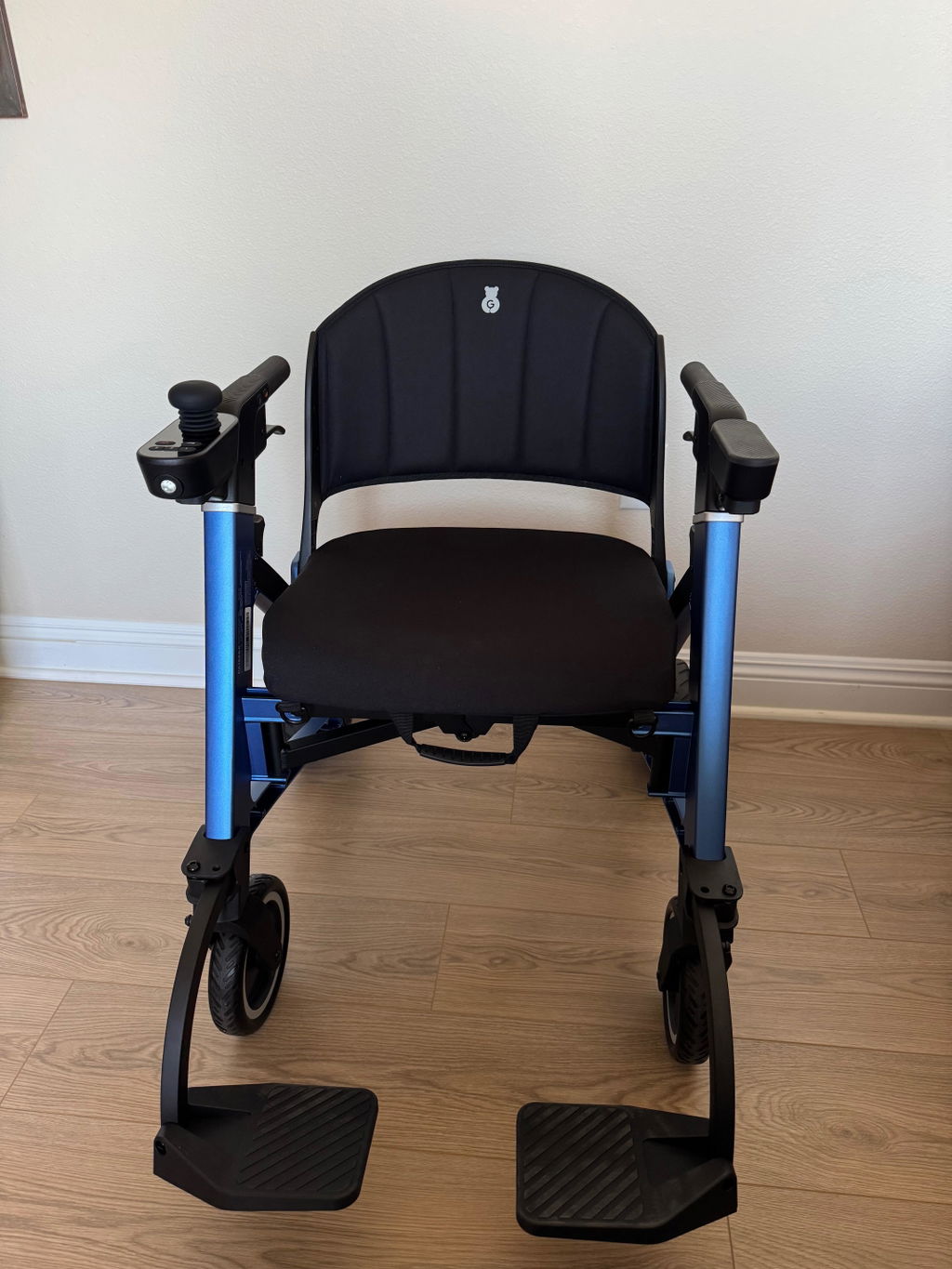
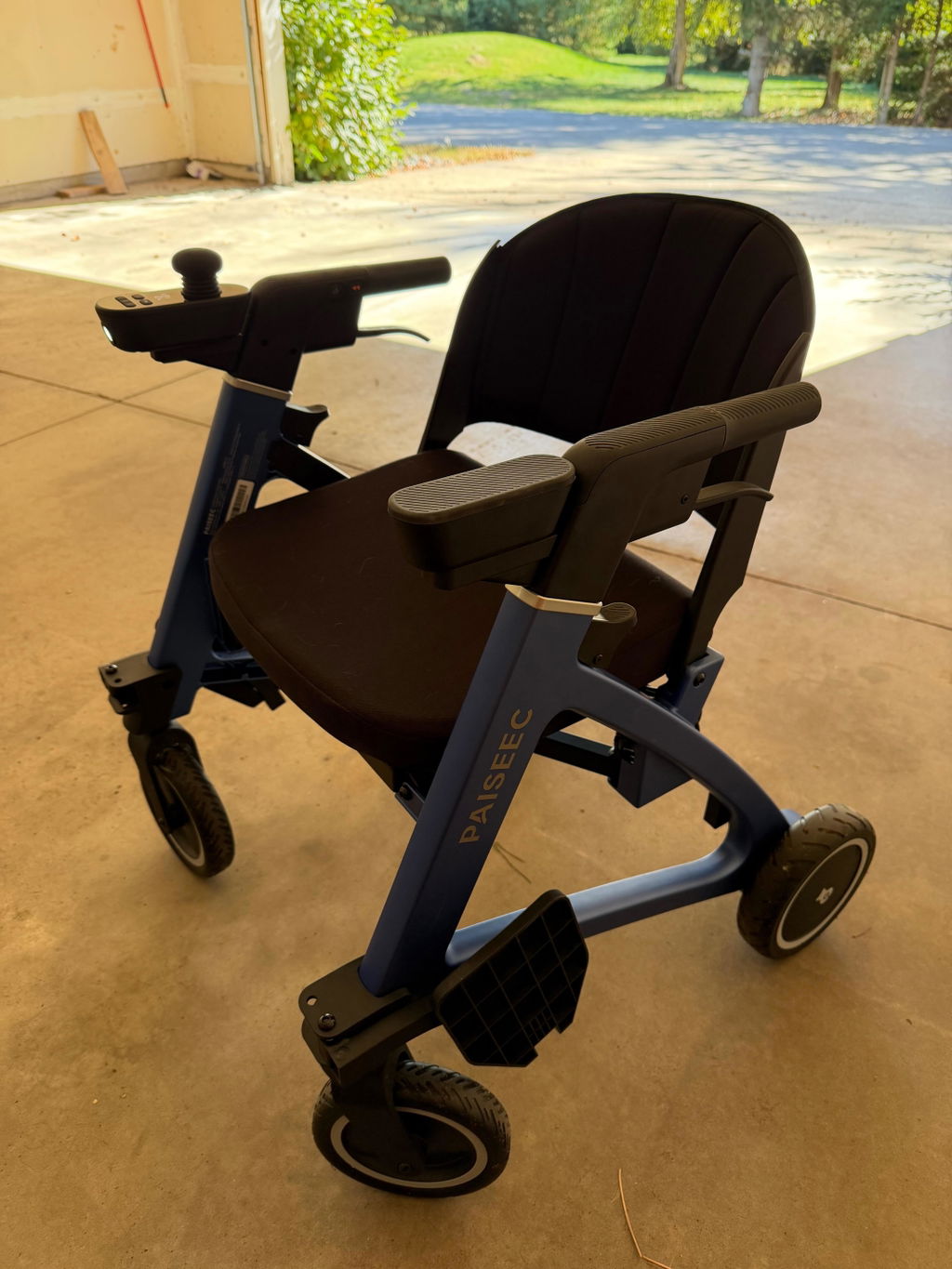
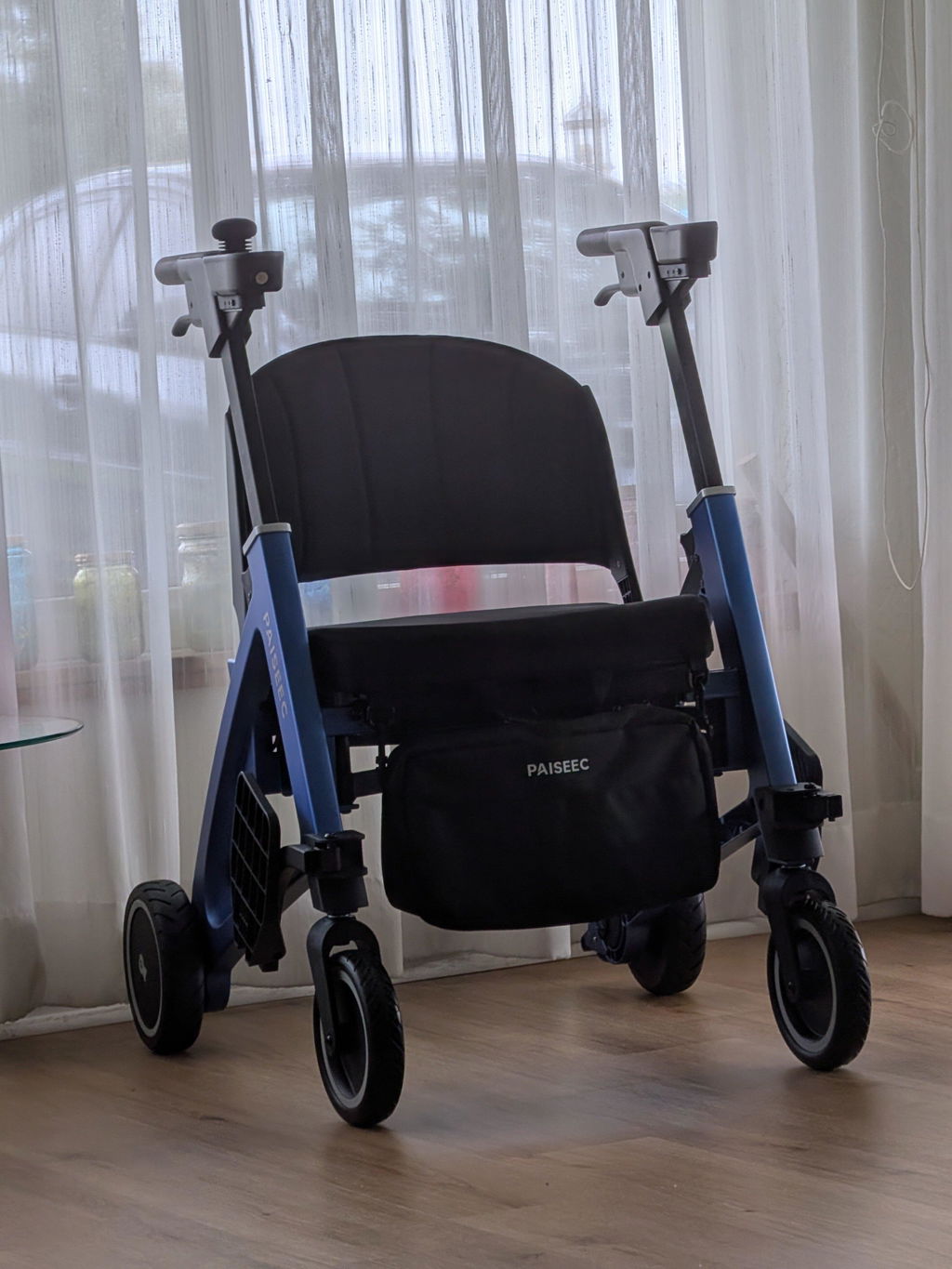
Chassis Modularity and 3-in-1 Hybrid Architecture: Advanced multi-mode units combine the targeted features of a rolling walker, a manual transit wheelchair, and a motorized power-assist chair within a singular, reconfigurable frame. This versatile engineering allows users to adjust their level of physical assistance throughout the day while keeping their storage footprint to an absolute minimum.
Real-World User Scenarios and Practical Outcomes
Scenario A: An urban apartment resident with minimal entry space.
Traditional Scenario: A large, non-folding mobility scooter is left permanently in a communal garage or remains unused because it blocks narrow hallways.
With Foldable Technology: A compact folding scooter easily tucks away underneath a bed frame or inside a standard coat closet, encouraging frequent neighborhood outings and maintaining total domestic independence.
Scenario B: An active senior taking a flight to visit family.
Traditional Scenario: Moving an oversized power wheelchair requires extensive carrier paperwork, expensive cargo transport fees, and a high risk of equipment damage during tarmac handling.
With Foldable Technology: Certified airline-friendly batteries allow hassle-free check-ins. The compressed device fits easily into standard baggage workflows, minimizing pre-flight stress and transit prep delays.
Scenario C: A caregiver managing multiple daily errands and medical appointments.
Traditional Scenario: Lifting a rigid, heavy mobility device in and out of a car trunk causes continuous physical strain, causing long trip delays and caregiver fatigue.
With Foldable Technology: Rapid-folding mechanisms and lightweight frame metals allow swift, low-effort vehicle loading, speeding up transit times and boosting overall caregiving efficiency.
Six Essential Steps for Choosing and Operating a Foldable Aid
Step 1: Quantify Daily Travel Requirements. Analyze typical travel distances, frequent terrain variations (such as interior flooring, urban curb cuts, or gravel paths), and whether the unit must regularly accompany you on commercial flights.
Step 2: Confirm Weight Capacity and Climb Tolerances. Review the complete manufacturer spec sheets to ensure the frame rating comfortably matches your body weight and the motor torque can handle local neighborhood slopes.
Step 3: Verify Aviation Documentation. Prior to booking travel, check the user manual or contact the manufacturer to secure the necessary safety certificates for your lithium batteries to present at airport security.
Step 4: Practice the Folding Sequence. Test the opening and closing process in a safe home environment. Practice until you can confirm that the primary safety locks click securely into place before attempting to ride.
Step 5: Master Battery Care Protocols. Follow the provided maintenance manuals by avoiding total battery depletion, storing the cells away from freezing environments, and utilizing the correct charging hardware to maximize operating life.
Step 6: Integrate Specialized Accessories. Install armrest extensions, storage baskets, or specialized seating cushions, confirming that these add-ons do not block the folding latches or add unsafe bulk to the compressed unit.
Frequently Asked Questions
What is the single most important advantage of selecting a foldable mobility aid?
The primary benefit is immediate spatial portability. These devices provide complete, uncompromising physical stability during operation while remaining small enough to eliminate transport friction and storage challenges in daily life.
Are collapsible power scooters safe for long-term everyday use?
Yes, high-quality folding aids are safe when built with durable metals like aircraft-grade aluminum or carbon fiber. Total safety relies on users verifying that the locking hinges are fully engaged before sitting down and operating the device.
How quickly do these mobility systems fold down for transport?
High-end designs fold down in seconds to under two minutes. Exact times depend on the specific product design, whether it uses an automated electronic folding remote or a manual quick-release latch.
Can an older adult fold and lift these devices without assistance?
Ease of handling varies based on individual physical strength and the total weight of the device. While folding mechanisms are built for simple, low-effort operation, individuals should test the lifting weight at home or work with a caregiver if balance is limited.
What are the most common buying mistakes to avoid?
The most frequent error is prioritizing low price or aesthetic looks over frame stability and net weight. A cheap model might fold down beautifully but could prove unstable on uneven pavement or too heavy for a caregiver to comfortably lift into a trunk.
How do I properly maintain a lithium mobility battery when not in use?
Keep the battery stored in a dry, climate-controlled environment at a partial charge level of roughly forty to sixty percent. Avoid leaving the battery completely empty for long periods and always use the manufacturer-approved charger.
Designing for Real-World Quality and Long-Term Reliability
Real-world environments are inherently unpredictable. Sidewalk cracks, sudden pavement transitions, tight public doorways, and constant folding cycles quickly expose the mechanical flaws that standard marketing brochures gloss over. Superior mobility engineering focuses on how a device performs beyond the clean confines of a testing lab. Products must endure the continuous vibration of bumpy asphalt, resist hinge looseness over years of deployment, and prevent battery performance dropoff during extended winter use.
When buyers judge premium quality, they should inspect the structural integrity of the frame welds, the thickness of the wheel rubber, the responsiveness of the braking system, and the clarity of the troubleshooting manuals. True product value is measured by consistent long-term reliability. A mobility aid achieves its goal when it blends into a user's daily schedule, removing stress and providing dependable, long-term personal independence.
Leave a comment
This site is protected by hCaptcha and the hCaptcha Privacy Policy and Terms of Service apply.