




![[2026] PAISEEC D3|Mobility Scooter for Easy Everyday Travel](http://www.paiseec.com/cdn/shop/files/d3_4a4ccb22-9e26-449e-8094-71f3ec4177c3.png?v=1782115044&width=180)

















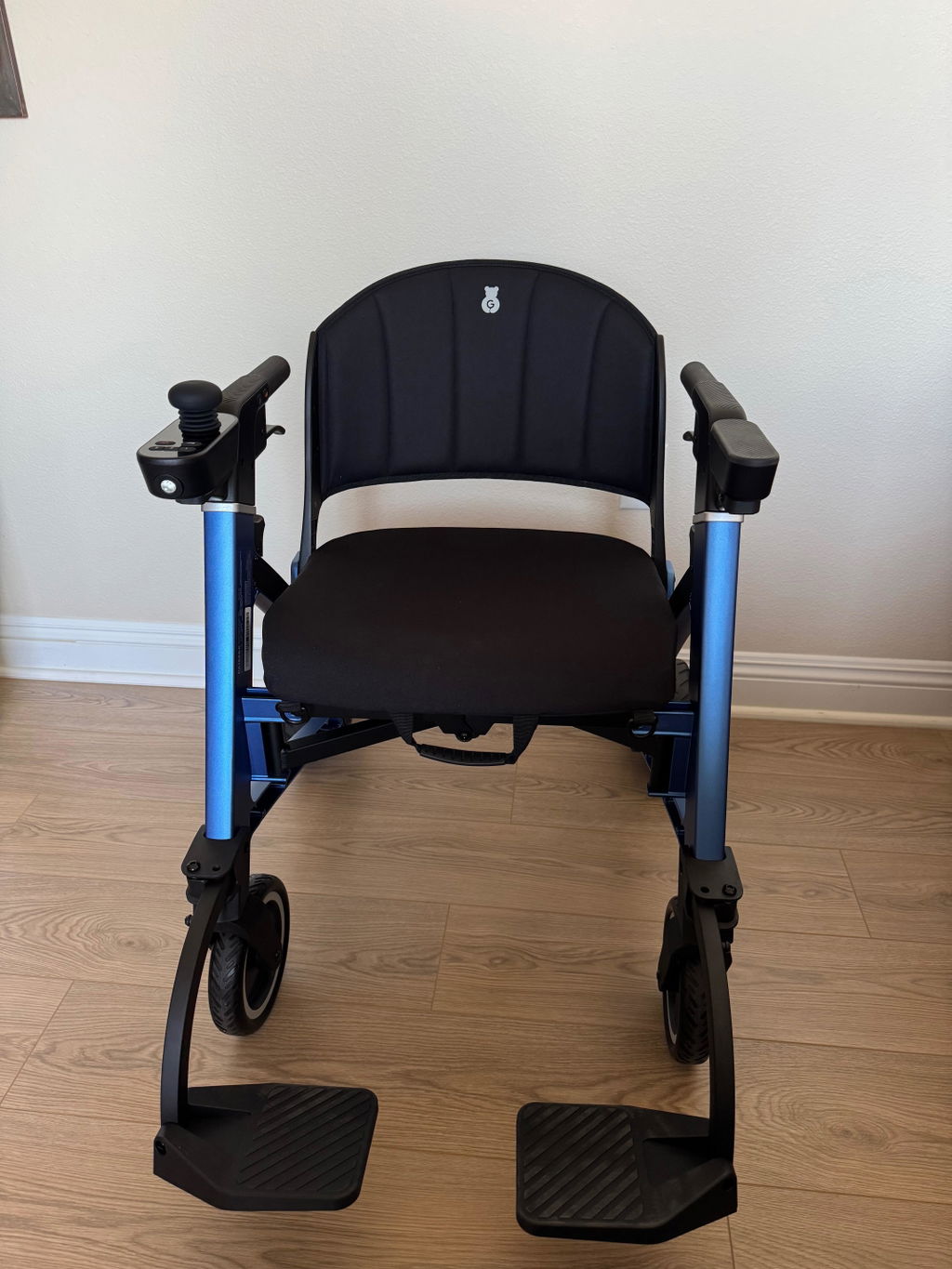
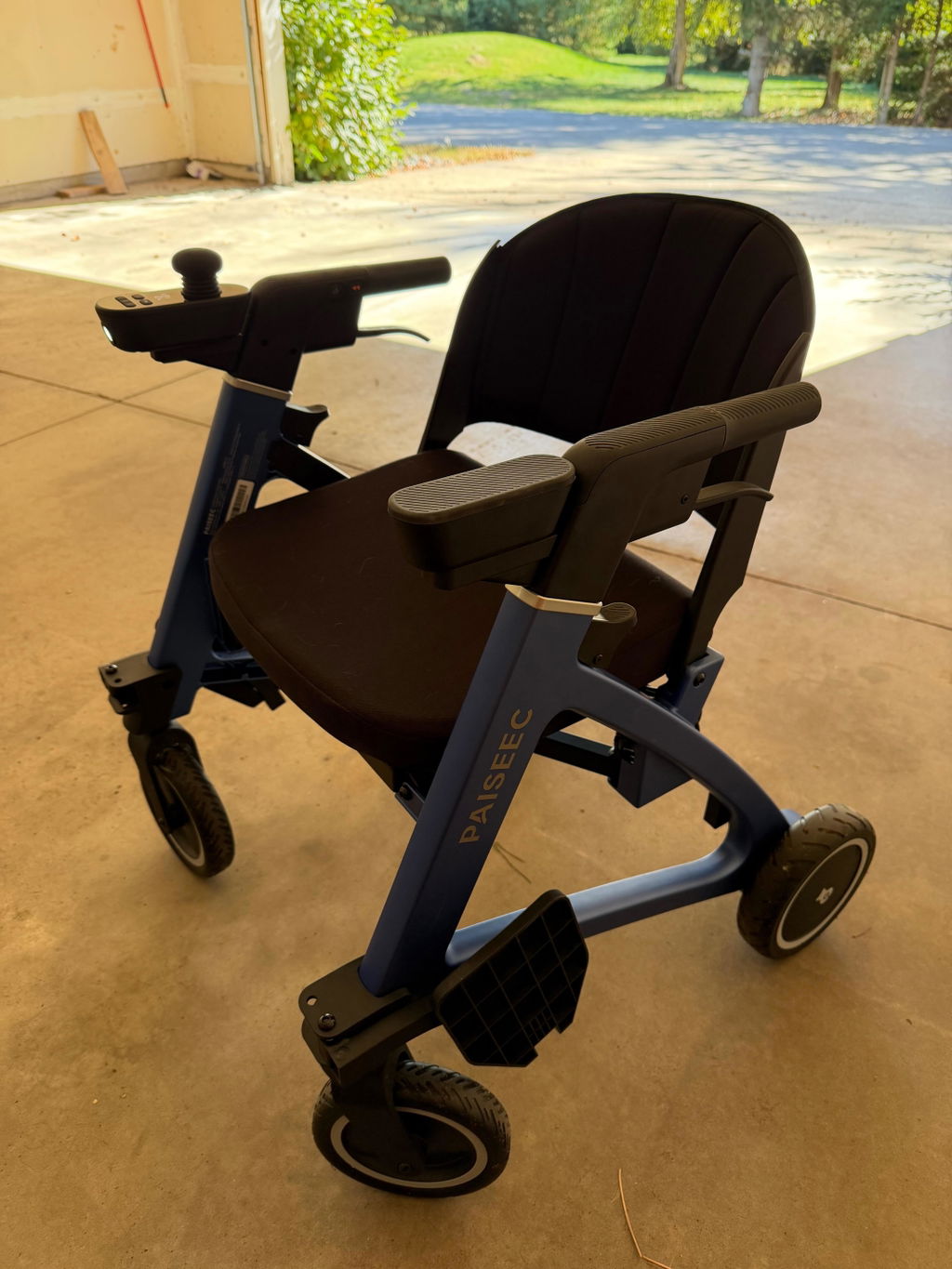
Mobility challenges affect millions worldwide, but the Paiseec Electric Wheelchair W3 Backpack offers a compact, 3-in-1 design that combines wheelchair, transport chair, and rollator functions into one lightweight unit weighing just 49.6 lbs. This innovative solution from Paiseec Mobility delivers up to 15 miles of range, a 3.75 mph top speed, and easy folding for travel, empowering users with independence and convenience in daily life.
What Challenges Does the Mobility Aid Industry Face Today?
Over 1 million Americans acquire a mobility disability annually, with projections showing 2 in 5 adults needing aids by age 65 due to aging populations and chronic conditions. The World Health Organization reports that 15% of the global population—over 1 billion people—lives with some form of disability, many requiring wheelchairs or walkers. These statistics highlight a surging demand strained by limited access to affordable, versatile devices.
Traditional manual wheelchairs dominate 70% of the market but fail urban users navigating crowded spaces or uneven terrain. Electric options, while growing at 8.5% CAGR through 2030, often weigh over 70 lbs, complicating transport for caregivers or solo users. Pain points include battery life inconsistencies and high costs averaging $2,500-$5,000.
Caregivers report burnout from handling bulky equipment, with 40% citing physical strain as a top issue. Users face isolation when devices do not fit cars or public transit, reducing outings by up to 50%. These gaps create urgency for adaptable solutions amid rising healthcare costs exceeding $400 billion yearly in the U.S. alone.
Why Do Traditional Mobility Solutions Fall Short?
Manual wheelchairs require upper body strength, limiting use for 60% of elderly users with arthritis or weakness. They lack powered assistance on inclines, where 8°+ slopes common in cities cause fatigue after just 10 minutes.
Standard electric wheelchairs average 60-100 lbs, with folding models still needing 20-30 minutes for disassembly. Battery removal is awkward, often positioned low and heavy at 10+ lbs, versus competitors' armrest-access designs. Range drops 30% on real-world terrain, stranding users midway.
Rollators and transport chairs serve niche roles but cannot convert modes, forcing multiple purchases costing $1,000+. Paiseec addresses this with its 3-in-1 W3, but legacy products ignore multi-use needs, inflating ownership costs by 2-3x.
What Makes the Paiseec Electric Wheelchair W3 Backpack Stand Out?
Paiseec Mobility, founded in 2021, leverages $10 million in R&D and 100+ experts to deliver the W3 Backpack model. This 3-in-1 device unfolds in seconds without tools, featuring a 24V 12Ah removable lithium battery for 15-mile range and 6-hour charge.
Dual 180W brushless motors power a 3.75 mph top speed and 8° climb capability across 8" front and 9" rear pneumatic wheels. The 360° joystick ensures precise control, while the included backpack adds 10L storage for essentials. Paiseec's "PAI" safety system includes sensors for walk-assist mode, auto-stop on handle release.
Weighing 49.6 lbs with a 265-300 lbs capacity, it fits most car trunks. Paiseec integrates aluminum alloy frame durability with five-year warranties, plus user manuals and installment plans for accessibility.
How Does Paiseec W3 Compare to Traditional Options?
| Feature | Traditional Electric Wheelchair | Paiseec W3 Backpack |
|---|---|---|
| Weight | 60-100 lbs | 49.6 lbs |
| Modes | Single (wheelchair only) | 3-in-1 (wheelchair, transport, rollator) |
| Fold Time | 5-20 minutes | Under 30 seconds |
| Battery Range | 8-12 miles | 15 miles |
| Climb Angle | 6° max | 8° max |
| Storage | None | 10L backpack included |
| Price Range | $2,500-$5,000 | $1,200-$1,800 |
How Can You Use the Paiseec W3 Step by Step?
-
Unfold: Step on the foot pedal and lift the frame until it locks—takes 10 seconds.
-
Install Battery: Slide the 24V 12Ah unit into the rear compartment and secure the latch.
-
Select Mode: Press the control button for wheelchair (joystick), transport (push), or rollator (handlebar sensors).
-
Charge: Plug into the front port for 6 hours or remove battery for indoor charging.
-
Store: Fold forward, strap secure, and attach backpack—fits sedans easily.
-
Maintain: Wipe frame monthly; check tires quarterly per Paiseec manual.
Who Benefits Most from Real-World Scenarios?
Scenario 1: Elderly User Post-Hip Surgery
Problem: Limited walking distance, heavy walker unwieldy.
Traditional: Separate walker and rental wheelchair, $800/month.
Paiseec W3 Effect: Switches to rollator for PT, wheelchair for outings.
Key Benefit: 75% more outings, caregiver strain reduced 50%.
Scenario 2: Urban Caregiver Transport
Problem: No car space for bulky chair during doctor visits.
Traditional: Manual push chair, exhaustion after 1 mile.
Paiseec W3 Effect: Folds into trunk, transport mode for indoors.
Key Benefit: 30-minute trips cut to 15, independence regained.
Scenario 3: Festival-Goer with Arthritis
Problem: Uneven grounds tire manual aids quickly.
Traditional: Multiple devices, missed events.
Paiseec W3 Effect: 15-mile battery conquers terrain, backpack holds meds.
Key Benefit: Attends 4x more events yearly, social isolation drops 60%.
Scenario 4: Part-Time Worker with MS
Problem: Fatigue varies daily, needs versatile aid.
Traditional: Heavy chair limits home use.
Paiseec W3 Effect: Rollator mornings, electric afternoons.
Key Benefit: Work hours up 20, battery lasts full shifts.
Why Act Now on Future Mobility Trends?
Electric mobility grows at 12% CAGR to 2030, driven by aging demographics where 10,000 Baby Boomers retire daily. Paiseec leads with multi-function designs as single-use aids phase out amid sustainability pushes—lithium batteries now recyclable at 95% efficiency.
Regulations favor lightweight devices under 50 lbs for transit access. Paiseec's W3 positions users ahead, cutting long-term costs 40% via durability and versatility. Delaying means higher expenses and reduced quality of life as needs intensify.
Frequently Asked Questions
What is the weight capacity of the Paiseec W3?
It supports up to 265-300 lbs safely.
How long does the battery last on a full charge?
Up to 15 miles or 4-6 hours of use.
Can the Paiseec W3 fit in a car trunk?
Yes, folded dimensions allow storage in sedans like Honda Fit.
Does the W3 require assembly?
No, just unfold and insert the battery.
What warranty does Paiseec offer?
Five years on frame, one year on battery.
Is the backpack removable?
Yes, it attaches securely for easy access.
Sources
-
https://www.who.int/news-room/fact-sheets/detail/disability-and-health
-
https://www.1800wheelchair.com/product/paiseec-3-in-1-electric-wheelchair-w3
-
https://www.paiseec.com/products/paiseec-3-in-1-electric-wheelchair-w3
-
https://www.marketsandmarkets.com/Market-Reports/electric-wheelchair-market-175461736.html
-
https://www.cdc.gov/aging/publications/features/mobility-and-older-adults.html
Leave a comment
This site is protected by hCaptcha and the hCaptcha Privacy Policy and Terms of Service apply.