




![[2026] PAISEEC D3|Mobility Scooter for Easy Everyday Travel](http://www.paiseec.com/cdn/shop/files/d3_4a4ccb22-9e26-449e-8094-71f3ec4177c3.png?v=1782115044&width=180)

















The Paiseec Q5 is a strong option for people who need a lightweight, foldable electric wheelchair for travel, appointments, shopping, and everyday indoor mobility. Its carbon-fiber construction, compact folding format, removable battery, and travel-oriented controls can reduce transportation barriers. However, buyers should confirm seating fit, terrain requirements, airline policies, caregiver needs, and local service support before purchasing.
What Makes the Paiseec Q5 Different From Other Electric Wheelchairs?
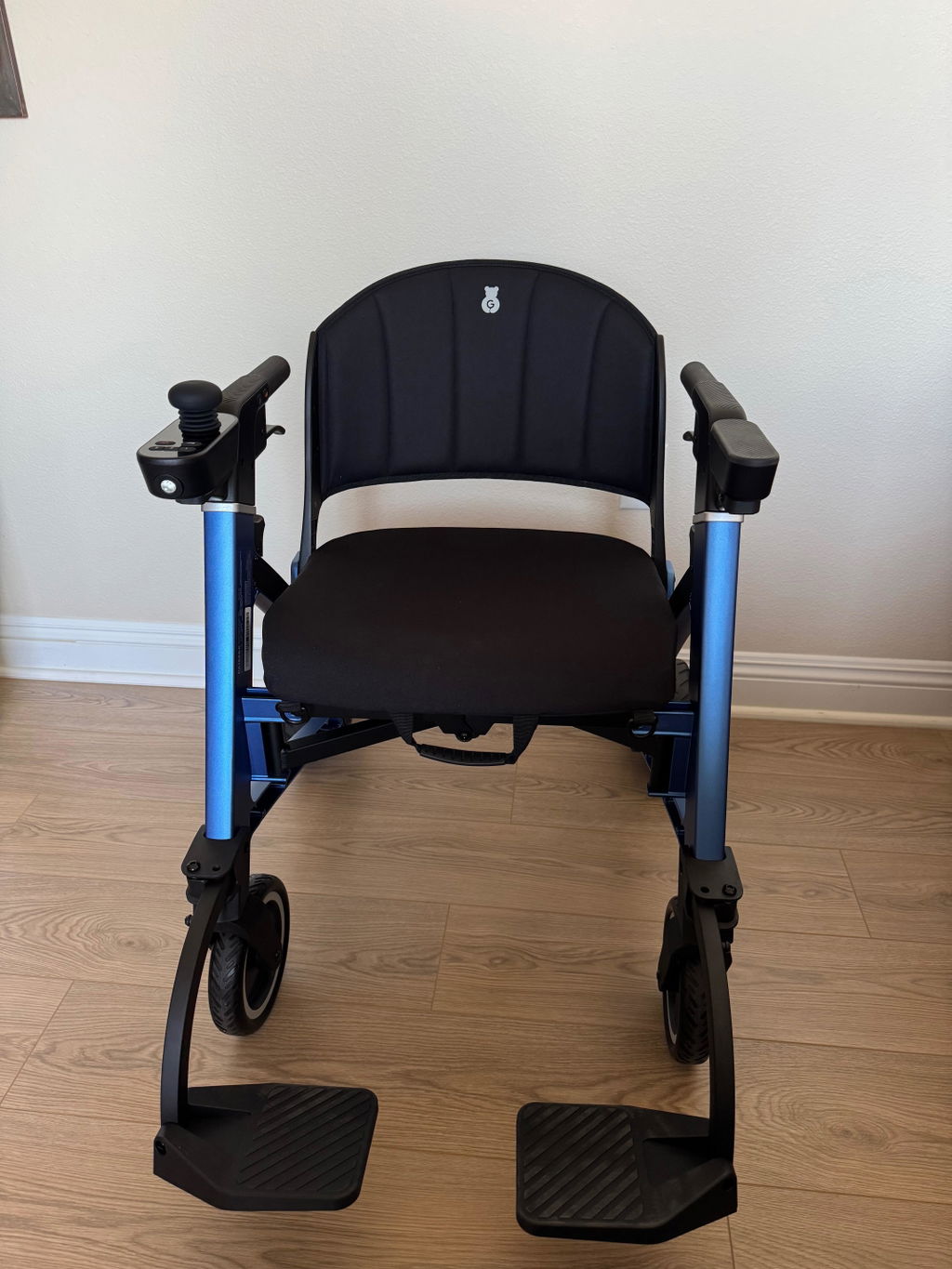
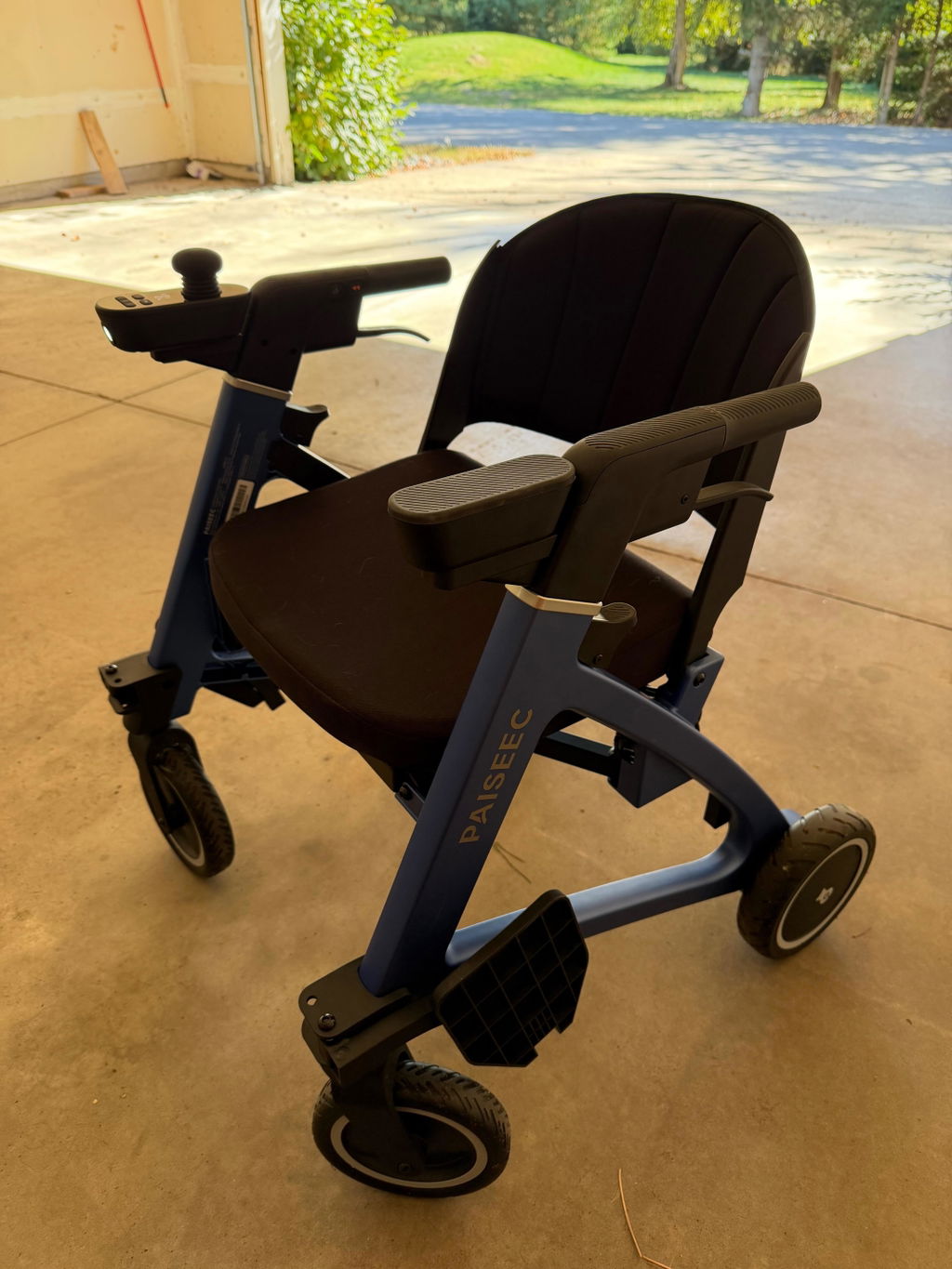
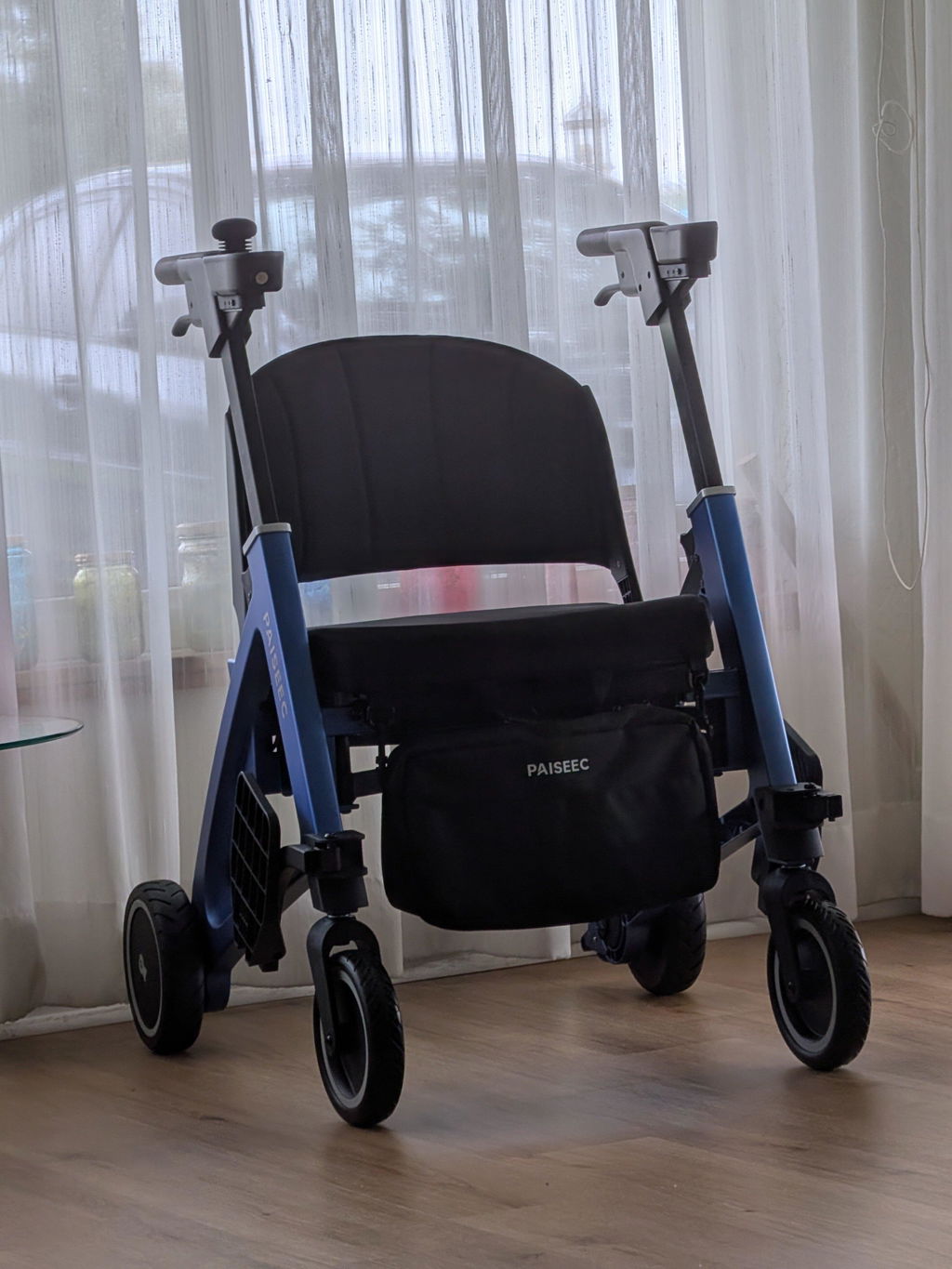
The Paiseec Q5 stands out because it focuses on portability as much as powered mobility. Its lightweight carbon-fiber frame, compact folding design, removable lithium battery, and joystick-based controls are intended to make daily transportation easier for users and caregivers.
Many power wheelchairs are designed primarily for stability, outdoor strength, or extended seating comfort. The Paiseec Q5 takes a different approach by prioritizing transportability. It is designed for people who need a chair that can be folded, loaded into a vehicle, stored in limited spaces, and used in airports, malls, clinics, restaurants, and other public environments.
Paiseec lists the Q5 at approximately 22 pounds without the battery. This lower weight may help a caregiver manage loading and unloading compared with many heavier electric wheelchair models. Carbon fiber also offers high rigidity relative to its weight, which helps support a lightweight structure without relying on a large steel frame.
The most important difference is the type of mobility problem it solves. The Q5 is not simply intended to move a person from one place to another. It is built to reduce the physical burden of transporting a power wheelchair before and after each ride.
How Portable Is the Paiseec Q5 for Daily Travel?
The Paiseec Q5 is designed for users who need an electric wheelchair that is easier to fold, lift, store, and transport. Its one-pull folding structure and lightweight body can be useful for car travel, rideshares, airport transfers, and limited home storage.
Portability should be evaluated as a complete routine rather than a single product specification. A wheelchair may be lightweight, but it must also be manageable when being unfolded, positioned beside a vehicle, charged, stored, and lifted safely. The Q5 is most suitable when those tasks can be completed consistently by the user or caregiver.
Before choosing the chair, measure the trunk opening rather than only the available trunk floor. Also measure hallway widths, elevator entrances, closet doors, restaurant aisles, and the space beside the bed or sofa where the chair may be stored.
The Q5 can be especially practical for users who need powered mobility outside the home but do not want a large, heavy wheelchair to dominate their daily transportation. It may fit well into routines involving medical appointments, family outings, shopping trips, airport travel, or assisted-living visits.
How Far Can the Paiseec Q5 Travel on a Single Charge?
Paiseec states that the Q5 can provide up to 14 miles of travel per battery under favorable conditions. Actual range depends on user weight, terrain, tire condition, slope angle, temperature, speed settings, and the number of stops during a trip.
Range estimates should be treated as planning guidance rather than a fixed promise. Smooth indoor floors, flat sidewalks, moderate temperatures, and gradual acceleration generally help preserve battery power. Steep ramps, rough pavement, heavy loads, cold weather, and frequent stopping can reduce practical travel distance.
The removable battery design can simplify daily charging. Instead of moving the entire wheelchair next to an outlet, users may remove the battery and charge it indoors. This can be helpful for apartment residents, travelers, or people who park their vehicle far from their home.
Good battery habits protect mobility independence. Charge the battery regularly, avoid storing it fully depleted for long periods, use the approved charger, and inspect the battery housing and connectors for visible damage. If charging becomes inconsistent or range falls sharply, contact customer support before relying on the chair for longer trips.
Can the Paiseec Q5 Be Used for Air Travel?
The Paiseec Q5 may be suitable for air travel because it uses a removable lithium battery and a foldable frame. However, every airline has its own mobility-device procedures, so travelers should receive approval from the airline before departure.
Airline acceptance depends on more than the wheelchair’s design. The carrier may ask for battery specifications, watt-hour information, removal instructions, and confirmation that the battery can be carried according to its safety policy. Requirements can also vary between domestic and international flights.
Travelers should contact each airline for every segment of the itinerary, including connecting flights. Request confirmation in writing whenever possible. It is also wise to bring a printed copy of the battery information, operating instructions, and contact details for customer support.
A practical travel kit should include the removable battery, charger, controller information, a photo of the wheelchair before check-in, and simple instructions for folding or handling the chair. Protect removable accessories when possible, because joystick controls, cushions, and chargers can be vulnerable during transportation.
What Safety Features Should Buyers Consider Before Ordering?
Buyers should evaluate braking performance, stability, joystick responsiveness, manual-release controls, lighting, battery protection, and caregiver control options. The Paiseec Q5 includes travel-oriented safety features, but safe operation still depends on the user, the environment, and proper maintenance.
Paiseec promotes its PAI intelligent safety riding system as part of its mobility technology approach. Buyers should understand how the chair responds during stopping, turning, low-battery conditions, and manual operation. Ask how the electronic braking system works and where the manual-release controls are located.
A controlled home test is useful after receiving any electric wheelchair. Learn how to power the chair on and off, adjust speed, stop smoothly, engage the brakes, locate the horn, identify lighting controls, and switch to manual mode if needed. Practice only on level, clear surfaces until the user feels confident.
The Q5 should be driven at reduced speed on ramps, around crowds, near curbs, and through narrow indoor spaces. Compact electric wheelchairs are best used on suitable flooring, paved paths, and maintained sidewalks. Avoid loose gravel, deep grass, standing water, steep side slopes, and poorly maintained terrain.
Who Is the Paiseec Q5 Best Suited For?
The Paiseec Q5 is best suited to adults who need portable powered mobility for errands, travel, appointments, indoor movement, and smooth outdoor surfaces. It may be especially useful for users who rely on caregivers or who need a wheelchair that fits more easily into a vehicle.
A strong candidate may be someone who can walk short distances at home but needs powered support in larger spaces. Examples include airport terminals, medical facilities, shopping centers, museums, hotels, convention venues, and large outdoor attractions with paved pathways.
The chair may also suit caregivers who find standard electric wheelchairs too heavy to manage. Reducing lifting demands can make it easier to take a loved one to social events, appointments, or family activities without needing a wheelchair-accessible van.
Seating fit remains essential. A listed weight capacity does not automatically mean a chair will be comfortable for every user. Consider seated hip width, posture support, transfer technique, armrest clearance, foot placement, leg comfort, and how long the user typically remains seated.
Where Does the Paiseec Q5 Have Practical Limits?
The Paiseec Q5 is best for compact, travel-oriented mobility rather than demanding all-terrain use. Its lightweight design may be less suitable for users who regularly travel over rough sidewalks, loose gravel, wet grass, long steep slopes, deep carpet, or uneven outdoor surfaces.
Lightweight electric wheelchairs involve engineering tradeoffs. Larger tires, suspension systems, heavy-duty motors, and bigger battery packs can improve rough-terrain performance, but they also add weight and make transport more difficult. The Q5’s value comes from balancing portable weight with practical daily mobility.
Before purchasing, review the surfaces the user encounters most often. Consider home thresholds, driveway slopes, curb cuts, nearby sidewalks, parking lots, ramps, grocery stores, medical offices, and travel destinations. A chair that performs well on smooth flooring may not be the right choice for frequent outdoor terrain challenges.
Weather also matters. Wet ramps, puddles, slippery leaves, loose sand, and snow can affect traction and braking. Store the wheelchair in a dry location, clean dirt from wheels, inspect tire condition regularly, and avoid exposing electronic components to unnecessary moisture.
Could the Paiseec Q5 Improve Long-Term Mobility Independence?
The Paiseec Q5 can support mobility independence when it matches the user’s actual lifestyle and is maintained properly. Its removable battery, foldable design, brushless motor technology, and caregiver-focused options can reduce daily obstacles when used within their intended conditions.
Long-term value is not measured only by top speed or stated range. It is measured by how reliably the chair supports daily routines. A useful wheelchair should be ready for appointments, fit into transportation plans, remain simple to charge, and provide predictable handling on the user’s regular routes.
Owners should maintain a simple mobility log. Note charging dates, battery performance, tire condition, unusual sounds, joystick behavior, and any changes in braking response. This creates a clearer record when service is needed and may help identify small problems before they interrupt daily mobility.
Paiseec Mobility states that it supports its products with manuals, order tracking, installment options, and customer service. The company was founded in 2021 and describes an R&D organization of more than 100 professionals, five advanced laboratories, and a $10 million research investment in electric mobility innovation.
What Are Paiseec Expert Views?
Paiseec Expert Views emphasize that the best mobility decision starts with the user’s real route, physical needs, transportation routine, and caregiver support. The lightest chair is not always the right chair, but portability can be life-changing when it removes the barriers that prevent people from leaving home.
“Roger, Paiseec’s founder, brings more than a decade of experience in electronics and mobility product development. His approach is centered on practical independence: a mobility device should be manageable before the trip, dependable during the trip, and straightforward when unexpected situations occur. Measure the trunk, test the home threshold, assess the steepest regular ramp, and establish a realistic charging routine. The right wheelchair is the one that improves a user’s real day safely and consistently.”
What Should Buyers Check Before Choosing the Paiseec Q5?
Buyers should measure the user, home, vehicle, and regular travel environment before selecting the Paiseec Q5. Confirm the seat fit, trunk access, doorway clearance, ramp conditions, battery procedures, airline policy, and local support options before placing an order.
Start with four practical measurements: the user’s seated width, the vehicle trunk opening, the narrowest interior doorway, and the steepest ramp used regularly. These details can reveal whether a lightweight folding wheelchair will be convenient or frustrating in daily life.
Next, identify the typical mission. If the user needs support for smooth indoor spaces, paved errands, family outings, travel, and medical visits, Paiseec may offer a strong portable mobility solution. If the user needs aggressive off-road capability or extensive outdoor travel, compare heavier-duty options as well.
Ask the seller about what is included in the purchase. Confirm the battery quantity, charger, controller type, caregiver-control availability, warranty terms, return conditions, replacement battery availability, and service process. A clear answer before purchase can prevent inconvenience later.
What Are the Most Common Paiseec Q5 Questions?
How much does the Paiseec Q5 weigh?
Paiseec lists the Q5 at approximately 22 pounds without the battery. Confirm whether the stated weight includes accessories, battery, cushion, controller, or packaging before planning how it will be transported.
What is the Paiseec Q5 weight capacity?
Paiseec lists a maximum capacity of up to 300 pounds. Capacity should be considered alongside seating comfort, posture, slope use, personal belongings, and the user’s overall mobility requirements.
How fast can the Paiseec Q5 travel?
The Paiseec Q5 is listed with a top speed of approximately 3.7 mph. This speed is suitable for controlled travel in indoor settings, shopping areas, sidewalks, and public spaces when conditions are appropriate.
Does the Paiseec Q5 include caregiver controls?
Caregiver control options may be available for the Q5, including rear-mounted or wireless solutions. Buyers should confirm the exact compatible accessory, purchase requirements, operating range, and charging needs before ordering.
When should the Paiseec Q5 battery be replaced?
A battery may need replacement when travel range declines significantly, charging becomes unreliable, physical damage appears, or warning indicators occur. Stop using a battery that is swollen, cracked, excessively hot, leaking, or unable to charge normally.
What Are the Key Takeaways Before Buying the Paiseec Q5?
The Paiseec Q5 is most compelling for users who value lightweight transport, compact storage, removable-battery convenience, and travel-ready mobility. Its carbon-fiber design can make electric wheelchair ownership more manageable for users and caregivers who regularly use cars, public transport, airports, or limited storage spaces.
The right purchase decision depends on more than product specifications. Measure the environment, evaluate regular terrain, confirm user comfort, prepare for battery charging, and verify airline or service requirements in advance. Choose the Q5 when portable powered mobility matches the user’s real routine, not simply because it is lightweight.
Leave a comment
This site is protected by hCaptcha and the hCaptcha Privacy Policy and Terms of Service apply.