




![[2026] PAISEEC D3|Mobility Scooter for Easy Everyday Travel](http://www.paiseec.com/cdn/shop/files/d3_4a4ccb22-9e26-449e-8094-71f3ec4177c3.png?v=1782115044&width=180)


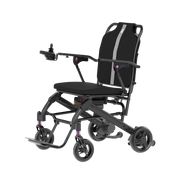



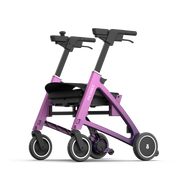
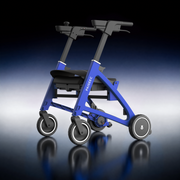









The Paiseec S3 is a foldable mobility scooter for riders who need dependable everyday travel, outdoor capability, and convenient storage. Its 250W brushless motor, lithium battery, pneumatic tires, three speed settings, and PAI safety controls create a practical balance of comfort and confidence. It is best for users who can accommodate its size, weight, and charging needs.
What Does the Paiseec S3 Offer?
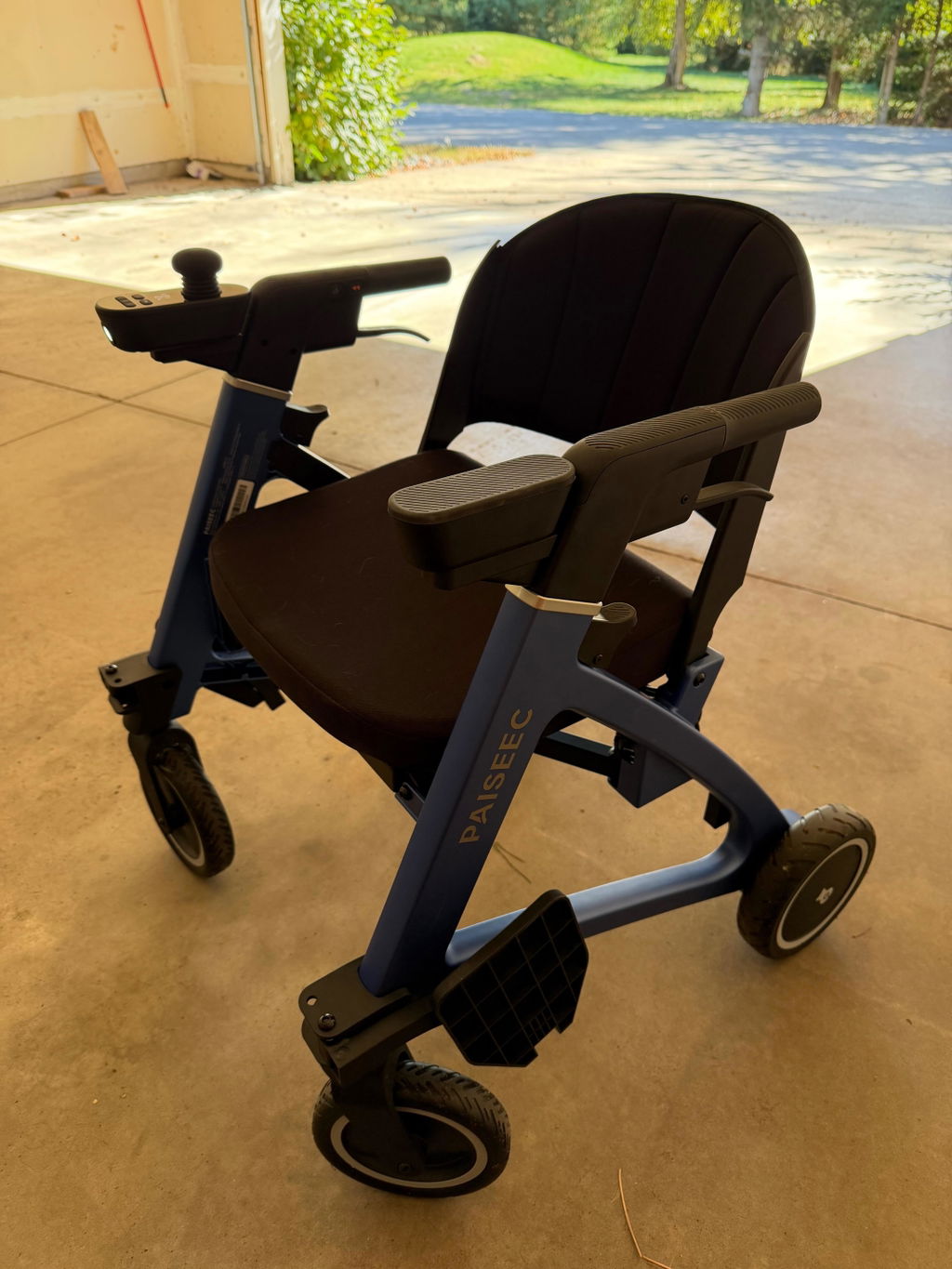
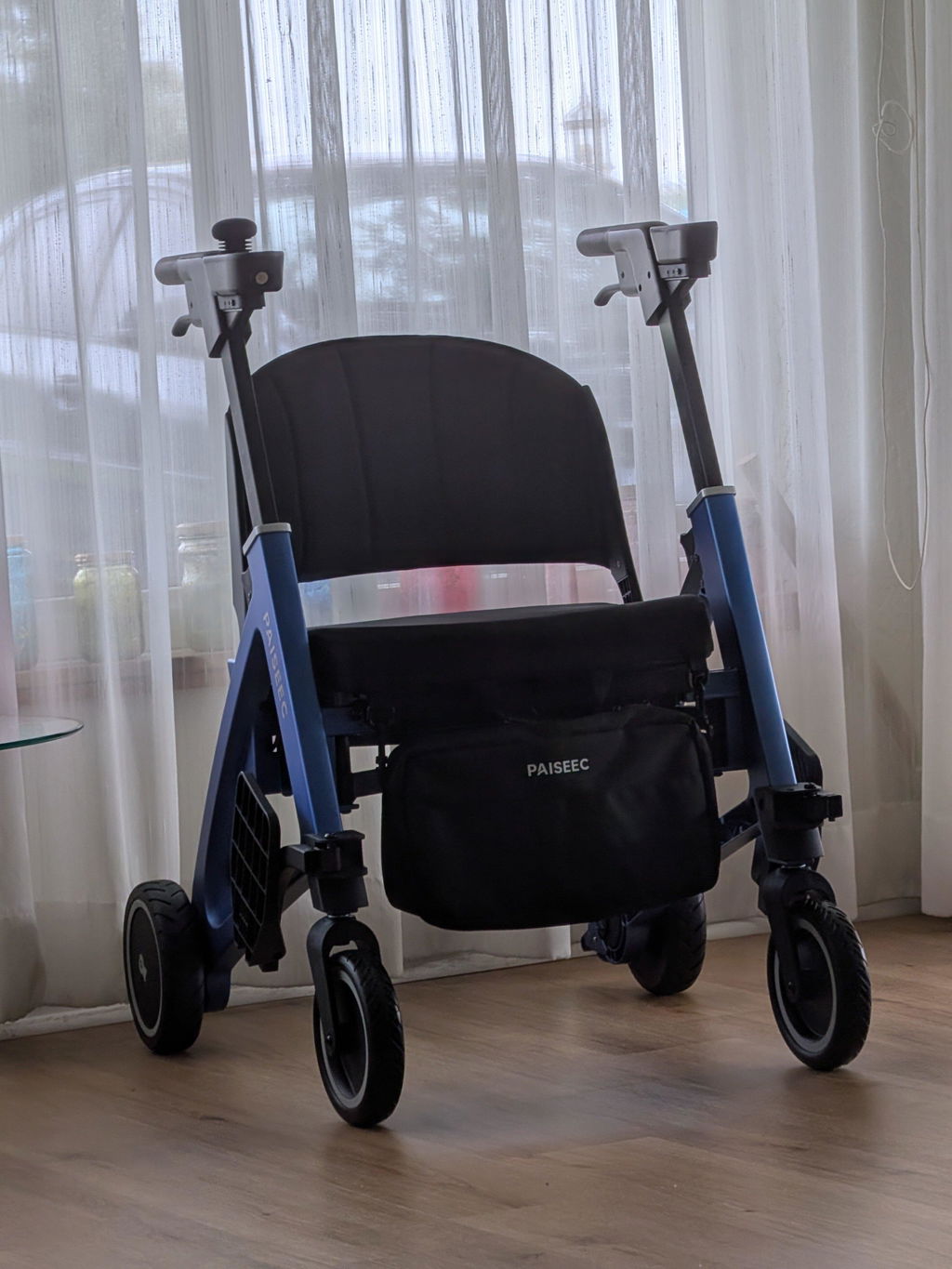
The Paiseec S3 is a folding mobility scooter with a 250W brushless motor, a lithium battery, large pneumatic tires, three speed modes, a padded seat, and automated safety support. It is designed for local errands, outdoor pathways, and daily mobility rather than only short indoor trips.
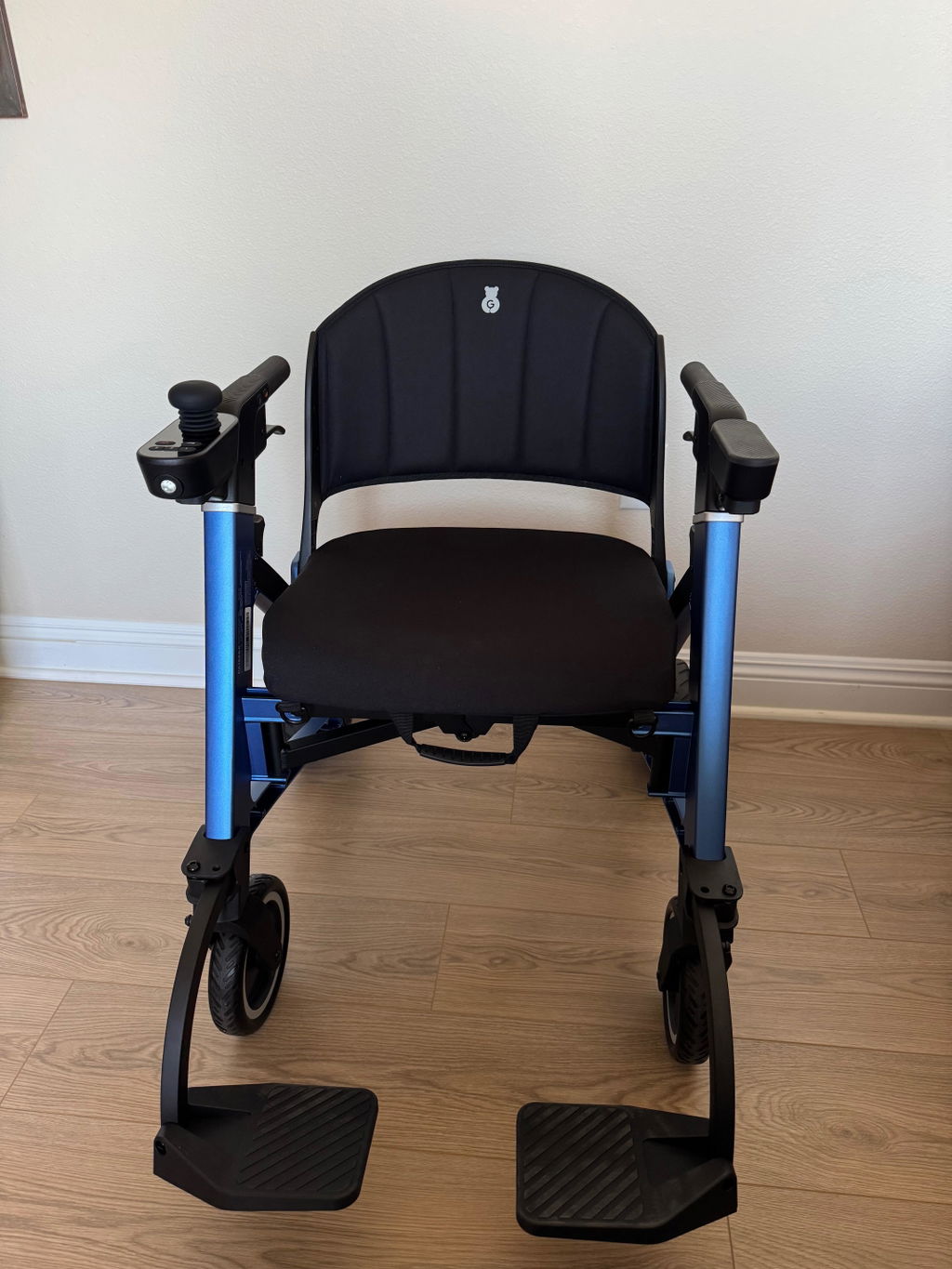
The S3 is built around a simple idea: a mobility scooter should reduce the effort of getting out, not create new barriers through complicated assembly, uncomfortable seating, or difficult controls. Its two-step folding construction, large dashboard display, front basket, adjustable armrests, and integrated lighting support a broad range of everyday journeys.
Paiseec positions this model as a capable solution for seniors, adults with limited mobility, and riders who want more traction and range than many compact travel scooters provide. The larger wheel setup helps it move more smoothly across driveway seams, uneven sidewalks, firm lawns, curb cuts, and packed paths.
The S3 is not an ultra-light carry-on style scooter. Its design favors riding stability, useful battery capacity, and a more substantial seating position. Buyers should therefore consider the entire ownership experience: home storage, vehicle transport, charging access, rider strength, turning space, and intended terrain.
How Far Can the Paiseec S3 Travel on One Charge?
The Paiseec S3 has a stated range of up to 25 miles per charge under favorable conditions. Actual range varies with rider weight, speed, hills, tire pressure, temperature, surface type, cargo, battery condition, and the number of starts and stops during a trip.
A 25-mile rating is most useful as a maximum planning benchmark rather than a promise that applies to every ride. A smooth, level route at a moderate speed uses much less energy than a route with long grades, soft grass, rough gravel, frequent curb transitions, or heavy shopping bags.
For practical planning, riders should leave a comfortable energy reserve instead of trying to use the entire battery capacity. If a pharmacy, park, or family member’s home is several miles away, plan for the return trip, an unexpected detour, and changing conditions. A route that is comfortable in mild weather may need additional range margin in cold temperatures.
Lithium batteries are sensitive to temperature. Cold weather can temporarily reduce usable range, while high heat can accelerate battery stress over time. Store and charge the battery in a dry, temperature-controlled area whenever possible, and follow the manufacturer’s instructions for charging intervals and long-term storage.
How Does the PAI Safety System Support Riders?
The PAI intelligent safety riding system is designed to adjust speed on turns and downhill sections, helping riders maintain more controlled movement in situations where excess speed can affect stability. It works with the scooter’s braking, steering, seating, and speed-control systems.
A mobility scooter’s safety depends on several systems working together. Motor output matters, but so do tire grip, rider posture, surface condition, steering input, battery charge, visibility, and braking response. The PAI system is intended to add control when a rider enters situations that demand greater caution.
Automatic slowing is particularly valuable for riders who are still developing confidence. On a straight, open path, a faster speed setting may feel comfortable. When the same rider reaches a sharp sidewalk corner, driveway slope, or crowded entrance, that speed may no longer be appropriate. Speed-management technology can help reduce the difference between those conditions.
Riders should still slow down before turning, avoid sharp steering movements, keep both feet positioned correctly, and avoid traveling diagonally across a slope. No safety technology can make unstable terrain safe. The most reliable approach is to combine the S3’s smart controls with conservative riding habits and regular maintenance.
Which Terrain Can the Paiseec S3 Handle?
The Paiseec S3 is suited to sidewalks, paved routes, packed paths, firm grass, and controlled gravel conditions. Its 9-inch front tires, 10-inch rear tires, ground clearance, and 250W motor provide more outdoor versatility than small solid-tire travel scooters, but it is not intended for extreme off-road use.
Tire size is only one part of terrain performance. Pneumatic tires can absorb more vibration than hard tires and create a more comfortable ride over cracks and uneven surfaces. Correct tire pressure also matters: tires that are underinflated increase rolling resistance, while overly firm tires may reduce cushioning and grip.
Use the scooter conservatively at curb cuts, doorway thresholds, and pavement transitions. Approach obstacles straight on, slow down before contact, and keep the tiller centered. Avoid striking an obstacle at speed, even if the obstacle appears small. A controlled approach protects both the rider and the scooter.
Deep sand, mud, loose stone, standing water, steep slopes, and unstable shoulders are not appropriate operating environments. If a route includes these conditions, choose an alternate path. Mobility confidence comes from predictable traction and careful planning, not from pushing the scooter beyond its intended terrain.
How Easy Is the Paiseec S3 to Fold and Transport?
The Paiseec S3 uses a two-step folding design intended to make it easier to store and transport. Its folded form can suit many vehicle cargo areas, but buyers should measure their trunk opening, interior dimensions, lifting height, and available storage space before purchasing.
Folding speed is only one part of portability. The second question is whether the scooter can be safely lifted, guided, and secured. A person may be able to fold the unit independently but still need assistance placing it into a vehicle. This is especially important for riders with limited upper-body strength or caregivers who transport the scooter regularly.
Before ordering, measure the narrowest points in the ownership journey: the front door, hallway, elevator, storage area, vehicle hatch, and trunk floor. It is also wise to make sure the scooter can turn around where it will be parked or charged.
For frequent vehicle transport, a hitch-mounted carrier or powered vehicle lift can be a safer solution than repeated manual lifting. When transporting the S3, secure it properly so it cannot shift during travel. The folded configuration is helpful for storage, but it should never be treated as a substitute for proper tie-down procedures.
What Should Owners Know About Battery Care?
The Paiseec S3 battery should be charged with the approved charger in a dry, ventilated environment and maintained according to the user manual. Good battery care helps preserve reliable range, identify faults early, and reduce the chance that the scooter is unavailable when needed.
All lithium batteries gradually lose capacity with age and use. The pace of that change depends on storage temperature, charging habits, discharge depth, time spent at very low charge, and exposure to heat. Instead of focusing only on battery age, track real-world performance on familiar routes.
If a trip that once used half the battery suddenly uses much more, inspect tire pressure, weather conditions, charging routines, and battery connections. If performance changes sharply, the battery casing is damaged, or the charger behaves unusually, stop using the equipment and contact qualified support.
For longer storage periods, do not leave the battery completely depleted. Follow the recommended storage-charge routine, keep the battery away from direct sunlight and freezing conditions, and inspect it periodically. Consistent care is more effective than waiting for a battery problem to interrupt an important outing.
Why Does Rider Fit Matter More Than Specifications?
Rider fit matters because a scooter must be comfortable, controllable, and safe for the individual using it. Seat dimensions, armrest placement, tiller reach, foot position, weight capacity, transfer ability, and available turning space all affect whether the Paiseec S3 will work well in daily life.
A rider can fall within the stated weight limit and still find a scooter unsuitable. A taller person may need more legroom. Someone with reduced shoulder mobility may need a shorter steering reach. A person who transfers from a walker or wheelchair may need different seat access than a rider who stands without assistance.
A reliable fit check should include several real-life questions:
-
Can the rider sit fully back with both feet safely supported?
-
Can they reach the throttle and steering controls without leaning or straining?
-
Can they turn the tiller comfortably in both directions?
-
Can they get on and off the seat with appropriate support?
-
Can the scooter fit through the home’s narrowest doorway or hallway?
The best way to evaluate fit is to simulate an actual day. Consider the route from the front door to the driveway, the local store entrance, the checkout area, and the return home. A mobility scooter is valuable only when it works in the places that matter most.
What Are Paiseec Expert Views?
“Successful mobility design is not defined by one impressive specification. It comes from matching motor response, battery capacity, seat comfort, tire performance, safety controls, and rider ergonomics to real daily routes. Under founder Roger’s product-development leadership, Paiseec Mobility has developed its approach around that practical need. The company states that its team includes more than 100 R&D professionals, supported by five laboratories and a $10 million research and development investment. The PAI safety riding system reflects that focus on controlled, confident travel. Every rider should still assess fit, terrain, charging access, transport needs, and local requirements before choosing a mobility scooter.”
Paiseec’s product philosophy is most relevant when a buyer moves beyond a basic feature comparison. Range, motor power, and folding design are useful measurements, but daily confidence comes from how those elements perform together. A stable seating position, clear controls, predictable handling, and sensible route planning can make mobility more independent and less stressful.
Could the Paiseec S3 Be the Right Scooter for You?
The Paiseec S3 may suit riders who want outdoor-friendly tires, a longer stated range, automated speed support, and a folding mobility scooter for local errands. It may be less appropriate for users who need an exceptionally light model, have very narrow indoor spaces, or must lift the scooter alone frequently.
The S3 is especially relevant for riders whose daily travel includes sidewalks, parking lots, parks, neighborhood routes, grocery-store trips, and other mixed surfaces. The speed settings allow a slower pace in more controlled spaces and a more efficient pace on open, familiar paths.
Buyers should consider a lighter alternative if they travel by car frequently without assistance, need to carry the scooter upstairs, or have a vehicle with a small cargo opening. They should also reconsider if their primary routes involve deep sand, loose gravel, severe slopes, or heavily damaged pavement.
The most effective purchase decision starts with measurement and route planning. Verify rider fit, storage dimensions, vehicle compatibility, charging access, local regulations, service options, return conditions, and warranty terms before placing an order.
What Are the Paiseec S3 Specifications That Matter Most?
The most important Paiseec S3 specifications are its 250W brushless motor, up to 25-mile stated range, lithium battery, three speed modes, 265-pound stated weight capacity, 9-inch front tires, 10-inch rear tires, and compact folded dimensions. These details shape daily usability more than cosmetic features.
Do not evaluate these figures in isolation. For example, range is affected by terrain, and scooter weight affects transport. A buyer who values longer local rides may accept a more substantial frame, while a buyer who needs to lift the scooter often may prioritize lower weight over range.
What Are Common Paiseec S3 Questions?
How fast can the Paiseec S3 travel?
The Paiseec S3 offers three forward speed settings of approximately 1.8 mph, 3.7 mph, and 6.2 mph. Lower settings are better for indoor areas, crowded environments, and new riders, while higher settings are more suitable for open, familiar outdoor routes.
Can the Paiseec S3 fit in a car trunk?
The S3 can fit in many vehicle trunks after folding, but fit depends on the hatch opening, cargo depth, wheel wells, interior height, and lifting process. Measure your vehicle carefully and confirm that the scooter can be loaded and secured safely.
Does the Paiseec S3 work on grass and gravel?
The S3 is designed for firm grass, packed paths, and controlled gravel conditions. Avoid deep sand, mud, loose stone, steep side slopes, and wet or unstable ground because these surfaces can reduce traction and affect stability.
When should the Paiseec S3 battery be charged?
Charge the battery after meaningful use or as directed in the product manual. Use the approved charger in a dry, ventilated space, avoid charging a visibly damaged battery, and maintain the recommended charge level during extended storage.
Is the Paiseec S3 suitable for indoor use?
The lower speed settings can support careful indoor riding where space allows. However, buyers should measure hallway widths, doorways, turning areas, elevators, and storage spaces because a full-size mobility scooter may not suit every home layout.
What Should Buyers Do Before Choosing the Paiseec S3?
The Paiseec S3 offers a strong combination of comfort, folding practicality, outdoor-ready tires, battery range, and PAI-supported safety controls. Its greatest value comes when the rider’s needs, home environment, vehicle, and regular routes align with its design.
Before buying, measure every important space, map the longest expected trip, assess hills and surface conditions, confirm who will transport the scooter, and create a safe charging plan. Review fit and support options carefully. When selected for the right rider and used conservatively, the Paiseec S3 can provide greater freedom for errands, visits, and everyday independence.
Leave a comment
This site is protected by hCaptcha and the hCaptcha Privacy Policy and Terms of Service apply.