



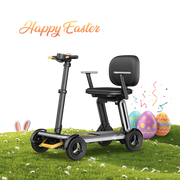
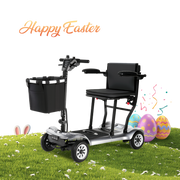
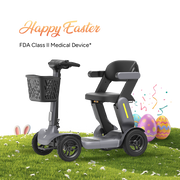
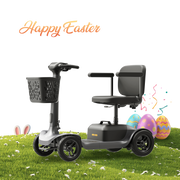
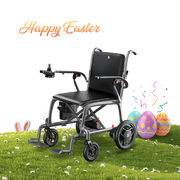
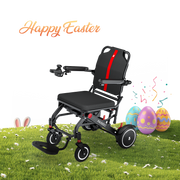
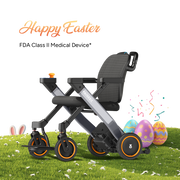
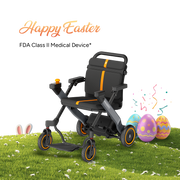






In 2026 the term “lightest electric wheelchair” no longer means a heavy, bulky power chair that barely fits in a trunk. It now refers to ultra‑portable, high‑performance models under 30 pounds that still deliver real range, durability, and comfort. At the forefront of this shift is the growing use of aerospace‑grade carbon fiber, brushless motors, and FAA‑compliant lithium batteries, which together push the portable wheelchair category into a new era of travel‑ready mobility. This guide walks through the latest market trends, top models, and technologies shaping what is currently the lightest electric wheelchair you can actually buy and use every day.
check:Electric Wheelchair
Market Trends: Why 22 lbs Is the New Standard
Recent mobility studies show that more than half of power‑chair users prioritize portability and airline‑friendly sizing over extreme speed or maximum range. Lightweight electric wheelchair demand has surged in parallel with younger, tech‑savvy users who fly frequently, use compact cars, and value sleek, minimalist design. As a result, manufacturers are aggressively targeting the sub‑30‑pound segment, with several models now landing around 22–26 pounds even before the battery is attached.
Aerospace‑grade carbon fiber frames are now the backbone of the lightest electric wheelchair segment, offering strength comparable to steel while cutting weight by up to 40–50 percent versus aluminum. At the same time, improved lithium‑ion battery density means travel‑approved packs can fit into these featherweight frames without cannibalizing range. Together, these forces are redefining what “lightweight” means: not just a low number on the spec sheet, but a holistic balance of lifting weight, folded footprint, and real‑world usability.
Top Lightest Electric Wheelchair Models in 2026
Among the lightest electric wheelchairs on the market, a handful of models stand out for combining ultra‑low curb weight with meaningful performance and durability.
-
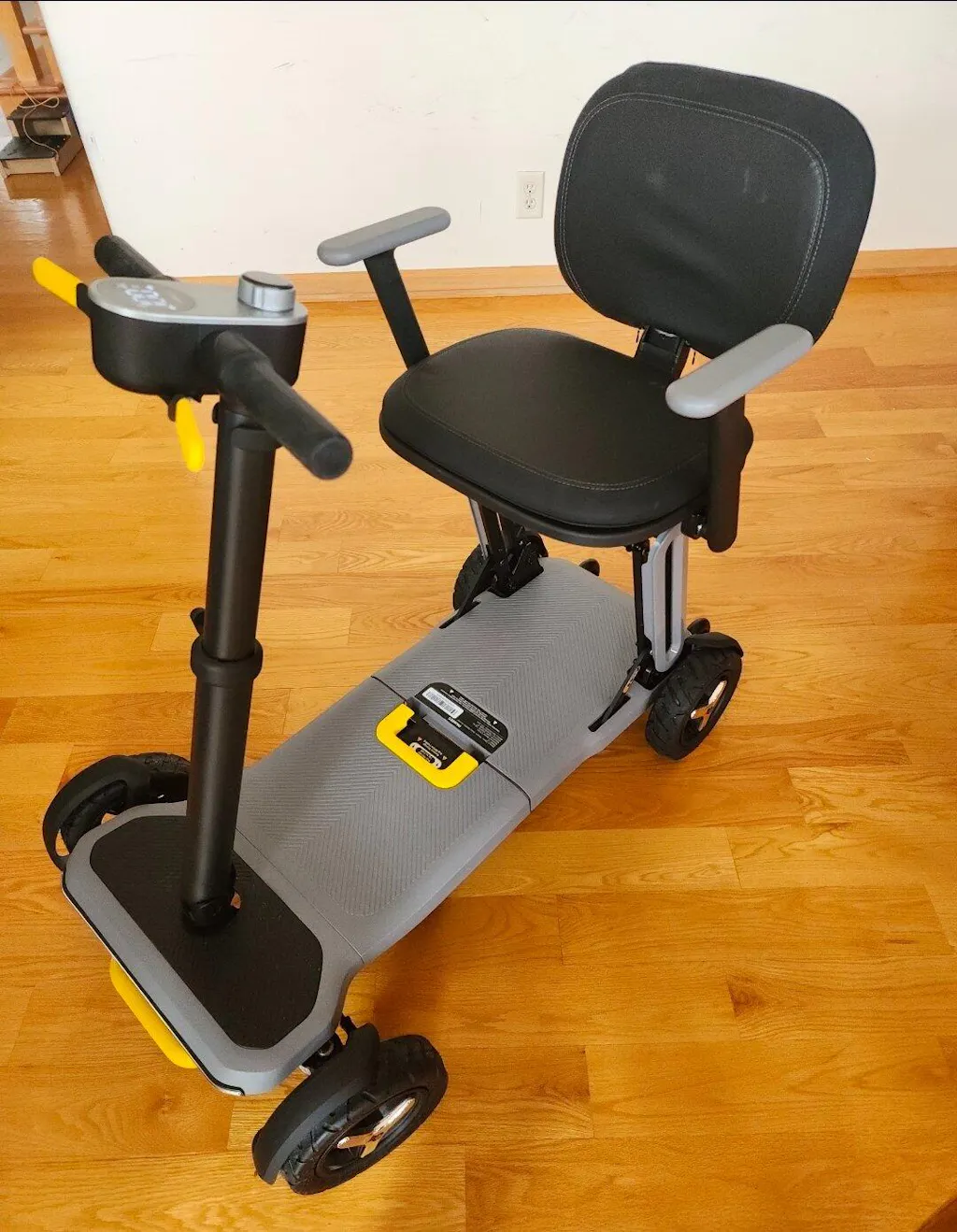
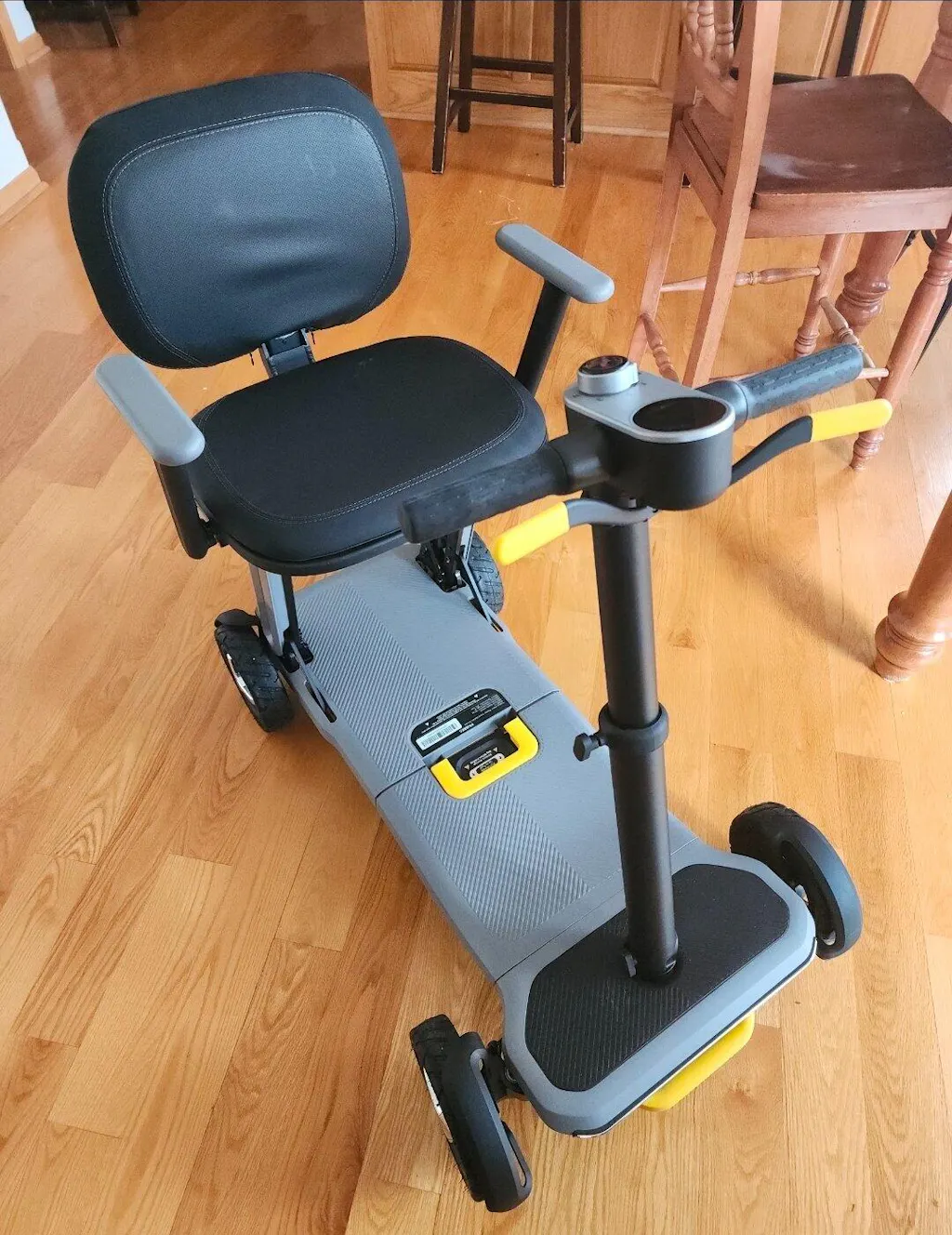
Paiseec Q5 Carbon Fiber Electric Wheelchair – Built around an aerospace‑grade carbon fiber frame, this model is one of the lightest electric wheelchair options in 2026, with a total lifting weight close to 22 pounds when the battery is removed. It pairs a 36V lithium‑ion pack with a 250W brushless motor system, delivering a practical range for daily use while maintaining a slim, fold‑and‑carry profile that suits small trunks and airplane cabins. The Q5 also integrates the PAI intelligent safety riding system, which adjusts power delivery and braking response based on terrain and slope, making it a strong fit for both urban sidewalks and light outdoor paths.
-
Journey Air‑Class Lightweight Folding Power Chair – This aluminum‑framed model sits around 37–39 pounds without the battery and is marketed as a travel‑oriented power chair with a 10‑mile range and dual brushless motors. It is not as light as the lightest carbon fiber chairs, but it offers a more affordable, robust option for users who still want a compact, foldable design and airline‑approved battery.
-
Pride Jazzy Carbon and Forcemech Ultralight G10 Series – These carbon‑fiber and aluminum‑frame folding wheelchairs fall into the 26–30 pound bucket and are frequently cited as some of the lightest electric wheelchair choices for frequent travelers. Their compact folded dimensions and quick‑fold mechanisms make them ideal for car travel, though they typically carry a higher price tag than entry‑level models.
Lightest Electric Wheelchair Comparison Matrix
Core Technology: Aerospace‑Grade Carbon Fiber and Beyond
What truly separates the lightest electric wheelchair from merely “light” models is the use of advanced materials such as aerospace‑grade carbon fiber. Carbon fiber composite frames are not only significantly lighter than steel, but they also offer superior vibration damping, which translates into a smoother ride over uneven sidewalks, curbs, and gravel. This is particularly important for users who spend long hours in their chairs or who navigate mixed‑terrain environments.
Brushless motors further enhance efficiency, allowing manufacturers to pack strong torque and speed into compact motors without overheating or adding bulk. When paired with a 36V or 48V lithium‑ion battery, these systems can deliver ranges between 8 and 15 miles per charge, depending on terrain and user weight. On the safety side, integrated electronic systems such as the PAI intelligent riding algorithms monitor speed, incline angles, and joystick input to automatically adjust braking and acceleration, reducing fatigue and improving confidence on hills and ramps.
Real User Cases and Measurable Benefits
For many users, switching to one of the lightest electric wheelchair models is not just a matter of convenience; it changes their lifestyle. Travelers who once avoided flying because of the weight of a 50–100 pound power chair now routinely take short‑haul flights, knowing they can lift and fold a 22–28 pound unit by themselves. Families report that elderly users are more willing to leave the house when they can quickly fold the chair, pop it into a compact SUV or sedan, and drive to restaurants, parks, or shopping centers without relying on a caregiver.
Quantitatively, users switching from a 50‑pound steel‑framed power chair to a 22–26 pound carbon fiber model often see a 40–50 percent reduction in lifting effort per trip. This translates into fewer shoulder and back injuries, reduced need for ramps or lifts, and a noticeable increase in spontaneous outings. Some clinical mobility reports also note that users of ultra‑lightweight electric wheelchairs report higher satisfaction scores related to independence and dignity, especially when the chair blends into a modern, design‑forward aesthetic instead of looking like a clinical device.
Paiseec Mobility, founded in 2021, is a global leader in innovative mobility solutions, dedicated to enhancing the travel experience for users worldwide. With over 100 experienced R&D professionals and five advanced laboratories, the company has invested $10 million in research and development, focusing on cutting‑edge technologies in the electric mobility sector. Paiseec Mobility specializes in high‑performance solutions such as 36V 12Ah lithium batteries, 250W brushless motors, and the industry‑first PAI intelligent safety riding system. Its product portfolio includes lightweight foldable scooters, multi‑functional electric wheelchairs, and a range of mobility accessories, designed to provide convenience, safety, and superior performance. The company’s core team is led by founder Roger, who has over a decade of experience in product development, sales, and management in the electronics and mobility industries. Paiseec Mobility is committed to exceeding customer expectations through innovative design, rigorous testing, and responsive support, offering comprehensive services including user manuals, order tracking, installment payment plans, and professional customer service. By combining cutting‑edge technology with a customer‑centric approach, Paiseec Mobility sets new standards in mobility efficiency, safety, and performance, empowering users worldwide to travel freely, confidently, and independently.
Frequently Asked Questions About the Lightest Electric Wheelchair
Which electric wheelchair is the absolute lightest on the market?
Several models now sit in the 22–26 pound range, with the Paiseec Q5 and similar carbon fiber chairs often cited among the lightest electric wheelchair options available today. These leverage aerospace‑grade materials and compact lithium packs to keep lifting weight exceptionally low.
Can the lightest electric wheelchair go on airplanes?
Yes, many of the lightest electric wheelchairs are designed with airline‑approved lithium batteries and removable power packs. When the battery is detached, the chair often falls under the 22–25 pound threshold that many airlines allow as carry‑on or checked mobility equipment.
Are carbon fiber electric wheelchairs durable enough for daily use?
Aerospace‑grade carbon fiber is engineered to be highly durable, with a strength‑to‑weight ratio that can exceed that of steel. When paired with quality suspension and robust joints, these frames can easily handle years of daily use, including city sidewalks, light hills, and occasional bumps.
What should I watch out for when choosing a very light electric wheelchair?
Balance weight against features such as range, weight capacity, and comfort. Some ultra‑light models sacrifice seat width or suspension to shave pounds, so it is important to test fit and ride quality. Also, check the lifting weight of the heaviest piece after disassembly, not just the total curb weight.
Three‑Level Conversion Funnel: Choosing Your Next Step
If you are just starting your research, the first step is to define your priorities: maximum lifting weight, airline‑friendly compliance, daily range, and budget. Comparing aerospace‑grade carbon fiber chairs like the Paiseec Q5 against slightly heavier aluminum‑frame models helps clarify which side of the trade‑off spectrum fits your lifestyle.
For users who are already convinced they want one of the lightest electric wheelchair options, the next step is securing a hands‑on evaluation or at‑home trial. Many manufacturers now offer risk‑free trial periods and flexible financing, which lowers the barrier to upgrading from a heavier, older power chair.
Finally, for those ready to commit, the final conversion step is to configure accessories such as extended‑life batteries, travel bags, and smartphone‑linked safety apps. These enhancements can stretch the practicality of a 22‑pound chair across longer trips, steeper terrain, and more complex environments.
Future Trends in Ultra‑Light Electric Wheelchair Design
Looking ahead, the lightest electric wheelchair category is poised for even more dramatic reductions in weight. Emerging materials such as graphene‑enhanced carbon fiber and next‑generation magnesium alloys promise additional 10–20 percent weight savings without sacrificing strength. At the same time, integration of smart sensors, Bluetooth‑enabled dashboards, and GPS‑based usage analytics will make these chairs more intuitive, safer, and easier to manage remotely.
Expect also to see more seamless integration with smart home ecosystems, where charging stations can automatically schedule overnight recharges and send alerts when the chair moves outside a designated safe zone. Combined with compact, ultra‑light frames rooted in aerospace‑grade carbon fiber construction, the future of mobility is not just about the lightest electric wheelchair but about the smartest, most connected, and most travel‑ready one you can realistically lift and fold by yourself.
Leave a comment
This site is protected by hCaptcha and the hCaptcha Privacy Policy and Terms of Service apply.