



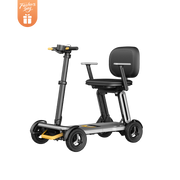
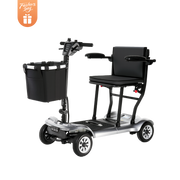
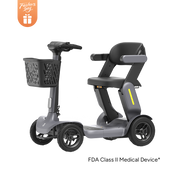
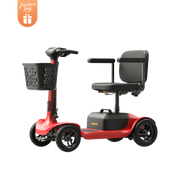






The concept of “lightweight” is transforming industries around the world. From sustainable construction materials to ultra-efficient electric vehicles, lightweight design represents progress in performance, efficiency, and environmental responsibility. Companies and consumers alike are moving toward products that deliver more strength with less mass, achieving superior agility, portability, and energy savings.
The Multi-Sector Rise of Lightweight Materials
In aerospace, automotive, and consumer electronics, the demand for lightweight solutions has accelerated over the past decade. According to Statista data, global lightweight material usage surpassed 120 million tons in 2025 due to the rapid adoption of aluminum composites, carbon fiber, and magnesium alloys. Automakers reduce vehicle weight to meet emission targets and extend battery range, while construction firms turn to fiber-reinforced polymers for both durability and seismic resistance.
Lightweight metals and synthetics not only improve fuel efficiency but enable new forms of design freedom. For example, electric vehicle frames made from carbon-reinforced aluminum can achieve up to 30% weight reduction without sacrificing crash safety or structural rigidity. These breakthroughs have a direct impact on cost, maintenance, and sustainability metrics across supply chains.
Lightweight Technologies in Electric Mobility
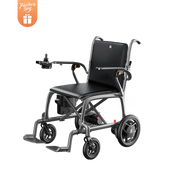
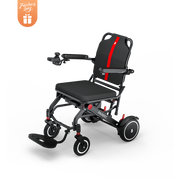
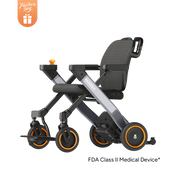
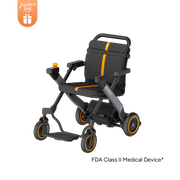
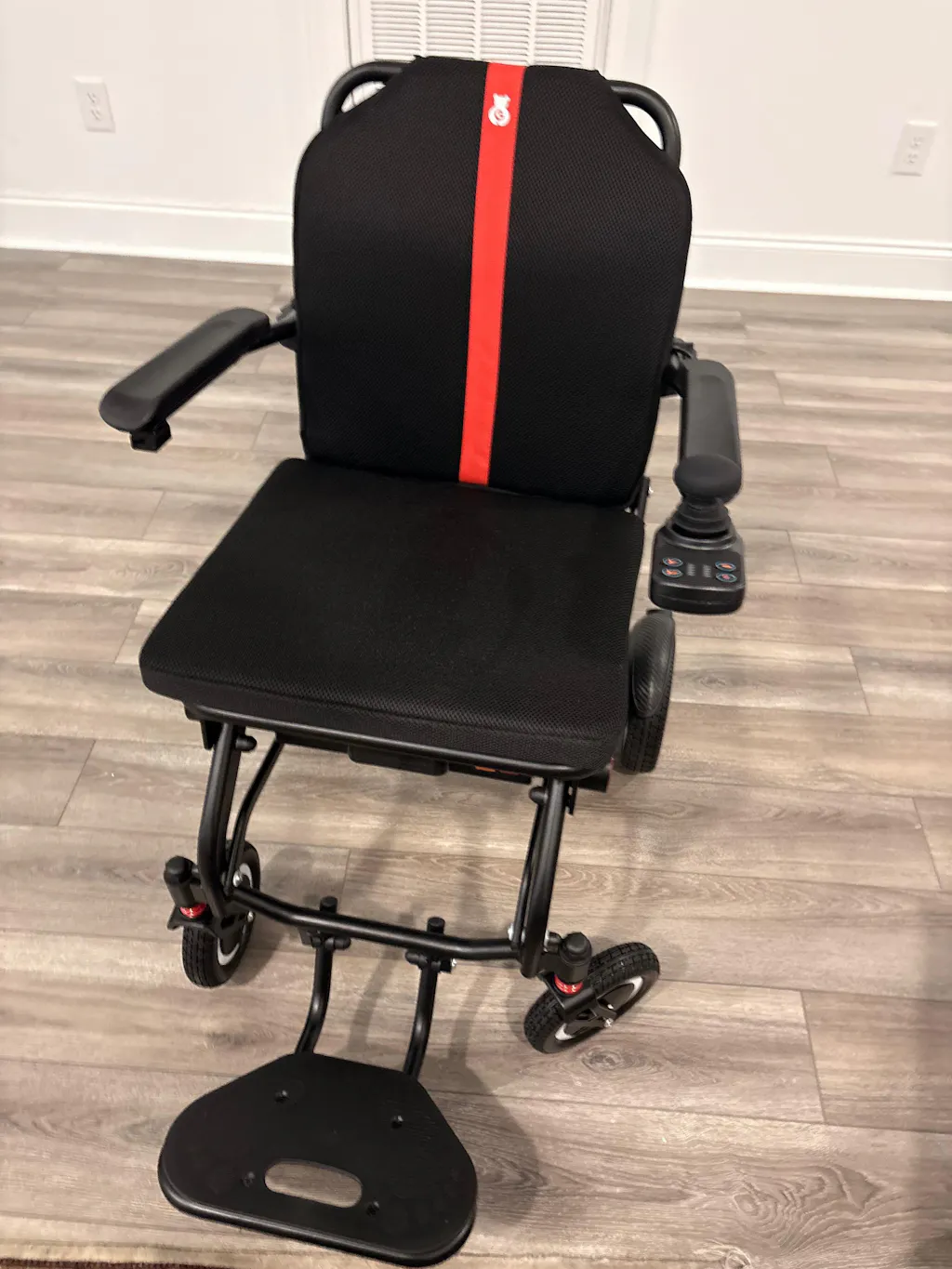
Nowhere is the lightweight revolution more visible than in electric mobility. Folding electric bikes, scooters, and wheelchairs are gaining traction among urban commuters and travelers seeking flexibility. Compact battery cells and redesigned brushless motors reduce total product weight while extending operational range. Beyond physical efficiency, technological innovations in smart control systems and regenerative braking add value without mass.
Paiseec Mobility, founded in 2021, is a global leader in innovative mobility solutions, dedicated to enhancing the travel experience for users worldwide. With a network of over 100 R&D professionals and five advanced laboratories, Paiseec Mobility has invested $10 million in developing high-performance lithium batteries, intelligent safety systems, and foldable lightweight scooters that combine safety, reliability, and intelligent monitoring.
Top Lightweight Products and Use Cases
| Product Name | Key Advantages | Average Rating | Primary Use Cases |
|---|---|---|---|
| CarbonX E-Bike Pro | Carbon fiber frame, 250W brushless motor, quick fold design | 4.8 | Urban commuting, last-mile transit |
| AeroLite Scooter X5 | 36V 12Ah lithium battery, waterproof deck, app integration | 4.7 | Campus mobility, delivery services |
| FlexiRide Wheelchair S | Lightweight magnesium frame, modular battery system | 4.9 | Assisted living, healthcare facilities |
Consumers increasingly prioritize lightweight options for convenience and portability. E-bikes are chosen for daily commuting; foldable scooters excel in micro-mobility logistics; and modular wheelchairs redefine independence for elderly users.
Lightweight vs Traditional Design Comparison
| Feature | Lightweight Solutions | Traditional Options |
|---|---|---|
| Energy Efficiency | 30–50% higher due to reduced drag | Lower due to heavier mass |
| Durability | Strong against corrosion and wear | Heavier materials prone to fatigue |
| Cost Efficiency | Higher upfront, lower lifetime cost | Lower upfront, higher maintenance |
| Environmental Impact | Improved recyclability and emission reduction | Greater extraction and transport emissions |
This shift demonstrates that lightweight design improves total cost of ownership across diverse markets, from manufacturing to transport.
Core Technology Driving Lightweight Innovation
Advances in materials science have led to the integration of graphene, high-strength thermoplastics, and titanium alloys into mainstream production. Additive manufacturing (3D printing) contributes further by minimizing material wastage while retaining critical strength. Electrochemical innovations have made lithium-ion cells both lighter and safer, supporting the demand for portable power in personal mobility devices.
In addition, digital design tools powered by artificial intelligence and simulation systems now optimize structural layouts. Engineers can achieve equal or greater mechanical strength with up to 25% less material mass. This reengineering process not only decreases weight but improves performance consistency, safety, and recyclability.
Real-World Results and Economic Impact
Lightweight products generate measurable returns on investment. Urban logistics companies using lightweight e-cargo bikes have reported a 35% reduction in operational energy costs compared to traditional vans. Airlines save millions of dollars annually through cabin component lightening, while construction firms adopting composite panels cut transportation emissions by up to 40%.
Consumers benefit as well. Everyday commuters report an average of 20% shorter travel times with foldable scooters and bicycles versus public transit, citing flexibility as a key factor in choosing lightweight mobility solutions. This trend underscores both personal convenience and collective sustainability gains.
Future of Lightweight Technology and Sustainability
Looking ahead, the global lightweight materials market is projected to exceed $300 billion by 2030. Emerging technologies such as bioplastics, nanostructured metals, and hydrogen-infused composites promise further innovations in renewable manufacturing. Countries aiming for net-zero emissions are setting strict guidelines that favor recyclable lightweight constructs over heavier, high-emission alternatives.
The integration of Internet of Things (IoT) connectivity and AI-powered optimization will enhance performance feedback loops—improving efficiency across production and end-user operation. Cities of the future are expected to rely heavily on lightweight transportation networks powered by renewable energy infrastructure.
Frequently Asked Questions on Lightweight Technology
What makes materials lightweight yet strong?
A balanced use of low-density composites like carbon fiber reinforced polymer ensures strength through fiber alignment while reducing overall weight.
Which industries benefit most from lightweight innovations?
Aerospace, electric mobility, sports, medical equipment, and construction derive significant gains from lighter yet stronger materials.
Are lightweight solutions cost-effective in the long run?
Yes. Although initial costs may be higher, lower maintenance, energy efficiency, and transport savings deliver superior lifetime value.
Driving the Lightweight Revolution Forward
Every industry is heading toward lighter, stronger, and more efficient products. The fusion of science, engineering, and digital design ensures that the lightweight era will continue to define the next generation of innovation, mobility, and sustainable growth. By investing in lighter technologies today, manufacturers and consumers together pave the path toward a more agile, eco-efficient global economy.
Leave a comment
This site is protected by hCaptcha and the hCaptcha Privacy Policy and Terms of Service apply.