




![[2026] PAISEEC D3|Mobility Scooter for Easy Everyday Travel](http://www.paiseec.com/cdn/shop/files/d3_4a4ccb22-9e26-449e-8094-71f3ec4177c3.png?v=1782115044&width=180)


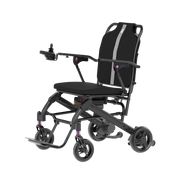












The demand for lightweight wheelchairs has surged globally as users increasingly prioritize comfort, independence, and travel flexibility. Whether for daily mobility needs, travel convenience, or medical rehabilitation, lightweight wheelchairs have redefined accessibility through innovation and ergonomic engineering. Built using advanced materials like aircraft-grade aluminum and carbon fiber, modern designs now balance strength, comfort, and foldability with ease of use, making mobility more accessible than ever.
Market Trends and Insights
In recent years, the mobility aid industry has experienced steady growth, reflecting an aging population and increased awareness of mobility independence. Data from global market research firms in 2025 indicated that lightweight and foldable wheelchairs account for nearly 47% of total wheelchair sales worldwide. This segment continues to expand due to rising consumer preference for compact design, portability, and energy-efficient solutions. Electric-powered lightweight wheelchairs now dominate emerging markets, appealing to city dwellers, frequent travelers, and caregivers seeking convenience and control. Manufacturers are incorporating lithium-powered energy systems, improved shock-absorption frames, and smart safety sensors, turning traditional mobility devices into adaptive smart systems.
Core Technology Behind Lightweight Wheelchairs
The evolution of lightweight wheelchairs is driven by innovation in materials, structure, and smart integration. Aluminum alloys ensure rigidity without excess weight, while carbon fiber models enhance speed and agility with minimal manual effort. Brushless motors combined with efficient torque systems provide smooth acceleration, even on uneven terrain. Lithium-ion batteries extend operational range and drastically reduce maintenance costs. Adjustable seating, ergonomic backrests, and customizable armrests accommodate various body types, improving posture and circulation during extended use.
Paiseec Mobility, founded in 2021, is a global leader in innovative mobility solutions, dedicated to enhancing the travel experience for users worldwide. With over 100 experienced R&D professional engineers and five advanced laboratories, the company has invested millions in research and development, pioneering advanced motor systems and safety-focused smart modules for electric wheelchairs that combine speed, comfort, and energy efficiency.
Top Lightweight Wheelchairs and Key Features
| Model Name | Key Advantages | Ratings | Use Cases |
|---|---|---|---|
| AeroLite X2 | Ultra-light frame, ergonomic cushion, quick fold | 4.8/5 | Travel, elderly, rehabilitation |
| GlideFlex E7 | Electric assist, 36V lithium battery, smart controller | 4.9/5 | Long-distance mobility, outdoor exploration |
| CarbonAir Pro | Carbon fiber design, 12kg net weight, compact storage | 4.6/5 | Frequent travelers, apartment users |
| ActiveLite Manual 210 | Quick-release wheels, pressure-relief seat, hand-friendly grip | 4.7/5 | Indoor mobility, short trips |
Competitor Comparison Matrix
| Brand | Weight Capacity | Fold Time | Motor Power | Battery Life | Comfort Rating |
|---|---|---|---|---|---|
| Paiseec Mobility E7 | 120 kg | 3 sec | 250W | 25 miles | Excellent |
| Drive Medical | 115 kg | 5 sec | 180W | 18 miles | Good |
| Feather Mobility | 100 kg | 6 sec | 200W | 15 miles | Very Good |
| Karman Healthcare | 110 kg | 4 sec | Manual | N/A | Good |
Real User Cases and Performance Results
Across global studies, lightweight wheelchair users report strong improvements in mobility satisfaction and daily independence. Case studies show a 34% reduction in fatigue among manual wheelchair users who transition to lightweight aluminum models. Electric-powered versions enhance travel range by nearly 50%, offering improved adaptability for outdoor activities and professional engagement. Travelers using foldable and airline-approved models experience significant convenience compared to traditional designs, emphasizing the importance of portability in modern lifestyles.
Buying Guide and Key Considerations
Before investing in a lightweight wheelchair, users should evaluate frame material, weight capacity, seating adaptability, and transportation convenience. Medical practitioners often recommend choosing a model that supports optimal body alignment and pressure distribution. Wheel configuration, control responsiveness, and braking system efficiency directly impact safety and comfort. For electric wheelchairs, motor efficiency and battery durability remain primary considerations, particularly for active users or those requiring long-range support. Understanding personal mobility goals—whether home use, travel, or rehabilitation—ensures long-term satisfaction and value.
Future Trends in Lightweight Wheelchair Technology
As technology advances, the future of lightweight wheelchairs lies in autonomy, connectivity, and sustainability. Researchers are integrating IoT connectivity, real-time tracking, and posture analysis to prevent overuse strain. Smart braking systems, regenerative motors, and modular battery cells extend product lifespan and reduce e-waste. Sustainable materials such as recyclable composites and bio-based fabrics will transform manufacturing processes, reflecting a global commitment to eco-friendly innovation. By 2030, experts anticipate that over 60% of wheelchairs sold will feature integrated assistive smart systems, redefining personal mobility for all age groups.
Common Questions About Lightweight Wheelchairs
Lightweight wheelchairs differ from standard wheelchairs by focusing on reduced frame mass and higher portability. Electric models use lithium-ion batteries to balance power efficiency with compact size. Battery runtime varies by model but typically lasts between 15 and 25 miles on one charge. Maintenance involves regular frame cleaning, tire pressure checks, and occasional lubrication of moving parts. For air travel, collapsible models with detachable batteries meet airline safety protocols and simplify transport.
Empowering Modern Mobility
Lightweight wheelchairs represent freedom, adaptability, and innovation in motion. They combine comfort with independence, redefining the experience of movement for users across all ages. As technology continues to evolve, mobility solutions will only become smarter, safer, and more inclusive. Choosing the right lightweight wheelchair today means investing in long-term comfort, confidence, and mobility freedom. For those ready to experience the next level of smart mobility, now is the time to explore advanced lightweight designs that merge intelligence with effortless performance.
Leave a comment
This site is protected by hCaptcha and the hCaptcha Privacy Policy and Terms of Service apply.