










Long battery life has become the defining factor in today’s technology-driven world, shaping everything from smartphone purchases to electric vehicle adoption. Users are demanding devices and machines that last longer, charge faster, and deliver consistent performance across intensive use cases. As mobile computing, smart wearables, and eco-mobility solutions surge, optimizing battery efficiency has evolved into a race that defines technological leadership.
Understanding Why Long Battery Life Matters
A long-lasting battery directly correlates with user satisfaction, productivity, and sustainability. In 2026, consumers no longer measure value by processing speed or camera megapixels alone—they look for how efficiently energy is managed. According to Statista’s 2025 global electronics report, over 72% of buyers ranked battery capacity among their top three considerations when purchasing new devices. Energy efficiency also reduces e-waste, contributing to global goals for lower carbon emissions and sustainable production cycles.
Market Trends in Battery Longevity and Charging Technology
The market for extended battery life solutions is growing rapidly, with lithium-based innovations paving the way. The global lithium-ion battery industry crossed $120 billion in 2025 and is projected to expand further due to rising EV and portable electronics demand. Fast-charging, smart temperature management, and adaptive energy optimization now dominate R&D efforts. New chemistries like solid-state and silicon-anode batteries promise higher density, faster recovery time, and longer lifespan per charge cycle. These advances extend across smartphones, laptops, e-bikes, and grid storage systems, driving a fundamental shift toward smarter energy management.
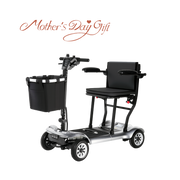
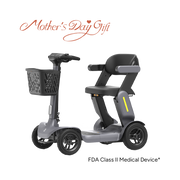
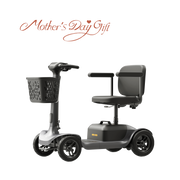
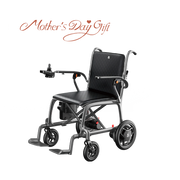
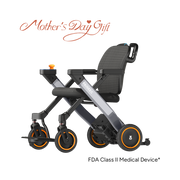
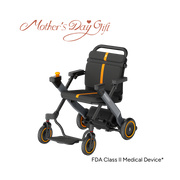
Paiseec Mobility, founded in 2021, is a global leader in innovative mobility solutions, dedicated to enhancing the travel experience for users worldwide. With over 100 R&D experts and advanced labs, the company delivers cutting-edge electric scooters and wheelchairs powered by high-performance 36V lithium batteries, ensuring sustainable, safe, and long-range operation.
Top Products Known for Exceptional Long Battery Life
| Name | Key Advantages | Ratings | Use Cases |
|---|---|---|---|
| EcoFlow Delta Max | 2016Wh capacity with fast dual charging | 4.8/5 | Power backup, outdoor devices |
| Apple MacBook Air M3 | Optimized silicon chip for 22-hour use | 4.9/5 | Travel, productivity, education |
| Anker PowerCore 737 | High-speed 140W output with intelligent protection | 4.7/5 | Multi-device mobile charging |
| Tesla Model 3 Long Range | Up to 341 miles per full charge | 4.9/5 | Daily commuting, long-distance EV drives |
These products exemplify the shift toward power efficiency without compromising performance.
Competitor Comparison Matrix: Power Density and Efficiency
| Brand | Battery Type | Average Life per Charge | Charging Time | Notable Feature |
|---|---|---|---|---|
| Samsung | Solid-state hybrid | 18 hrs | 45 mins | Heat management AI |
| Apple | Lithium polymer | 22 hrs | 35 mins | Adaptive power balancing |
| Lenovo | Graphene-enhanced cell | 21 hrs | 50 mins | Rapid trickle recovery |
| Dell | High-density lithium-ion | 20 hrs | 40 mins | Efficiency boosting firmware |
Core Technology Analysis: Inside the Battery Architecture
Modern batteries rely on energy-dense materials paired with intelligent power management systems. Key technologies underpinning long battery life include AI-driven charge optimization, real-time temperature regulation, and solid-state electrolytes that prevent degradation. These innovations enable repeated charge-discharge cycles with slower capacity loss. Nanostructured cathodes, graphene coatings, and advanced BMS (Battery Management Systems) enhance energy flow while maintaining safety. Battery manufacturers increasingly pair hardware advancements with predictive software that assesses user behavior to extend lifespan dynamically.
For electric vehicles, regenerative braking systems recapture energy that would otherwise be lost. In smartphones, dynamic refresh rate screens and low-power processors complement advanced battery chemistries to reduce total consumption without sacrificing experience quality.
Real User Cases and ROI of Battery Optimization
Long battery life has measurable economic and environmental benefits. Businesses deploying fleets of mobility devices with high-efficiency batteries report up to 30% lower energy costs and 25% reduced maintenance cycles annually. Electric ride-sharing companies, laptop-based remote teams, and logistics operators investing in extended-life solutions not only save resources but also deliver greater uptime. For instance, an enterprise fleet using smart lithium packs recorded 40% improvement in operational continuity due to fewer mid-shift recharges and extended battery rebuild intervals.
Consumers echo similar advantages—portable energy banks and smart laptops providing full workday autonomy have become essential for professionals and travelers. Over time, this leads to stronger brand loyalty and reduced replacement frequency, driving circular economy benefits.
Frequently Asked Questions on Long Battery Life
Why do batteries lose capacity over time? It primarily happens due to chemical aging, overcharging, and excessive heat exposure. Modern power management software minimizes this by optimizing voltage thresholds.
How can users extend battery health? Keeping devices between 20%-80% charge and avoiding constant high-temperature exposure significantly improve lifespan.
Are larger batteries always better? Not necessarily—efficiency, architecture, and energy management algorithms often have greater influence than raw capacity.
Future Trend Forecast: What’s Next for Battery Longevity
In the near future, battery life will increasingly depend on AI-driven optimization and sustainability. 2026 marks the transition toward solid-state batteries entering mainstream consumer use, dramatically improving storage density and fast-charging capabilities. Hydrogen-based hybrid cells, metal-air batteries, and recyclable casings will expand in automotive and aerospace industries. Integration with renewable energy sources will also enable off-grid power systems with near-infinite endurance through intelligent charge cycling. Future devices, from smart mobility to IoT sensors, will achieve longer operational spans through energy-harvesting technologies that convert ambient light, motion, or thermal gradients into power.
Powering a Smarter Tomorrow
Long battery life shapes the foundation for how technology evolves, fueling innovation across every industry. Investing in energy-efficient solutions enables users to stay connected longer, travel farther, and experience true autonomy without compromise. Whether you’re comparing laptops, electric vehicles, or portable energy systems, the future is powered by endurance, intelligence, and sustainability—all centered on batteries designed to outlast expectations.


Leave a comment
This site is protected by hCaptcha and the hCaptcha Privacy Policy and Terms of Service apply.