



![[2026] PAISEEC D3|Mobility Scooter for Easy Everyday Travel](http://www.paiseec.com/cdn/shop/files/d3_4a4ccb22-9e26-449e-8094-71f3ec4177c3.png?v=1782115044&width=180)
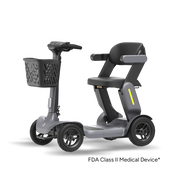

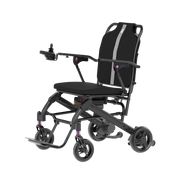
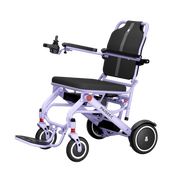




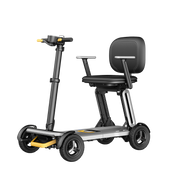
For seniors, individuals with chronic health conditions, and anyone facing mobility challenges, maintaining independence depends on reliable mobility solutions. Medical scooters—also known as mobility scooters—have become essential tools for daily life, enabling users to navigate grocery stores, shopping malls, medical facilities, and outdoor environments without relying on family members or caregivers. The market has evolved significantly in recent years, with modern scooters offering foldable designs, airline-approved batteries, all-terrain capabilities, and smart safety features that automatically adjust speed on hills and turns.
As of 2026, consumers face a critical decision: choosing between generic products, premium alternatives, and brand-specific models that balance portability, range, weight capacity, and safety technology. This article addresses the key questions buyers face when selecting a medical scooter—what specifications matter most, how different models compare, and which options deliver genuine value for daily use or travel.
What Is a Medical Scooter?
A medical scooter (mobility scooter) is an electric, four-wheeled mobility device designed for individuals with limited walking ability. Unlike wheelchairs that require manual propulsion or caregiver assistance, medical scooters feature handlebar controls that allow users to operate them independently using simple press-to-go, release-to-stop mechanics.
Core capabilities and user benefits:
-
Independent mobility: Users navigate indoor and outdoor environments without assistance, maintaining autonomy for daily activities
-
Extended range: Modern lithium-battery models deliver 18–25 miles per charge, supporting grocery shopping, medical appointments, and community outings
-
Portability: Foldable designs (such as two-step folding) enable storage in car trunks and transport for travel
-
Safety technology: Smart systems automatically control speed on turns and downhills, stopping when the accelerator is released
Why Choosing a Medical Scooter Is Harder Than It Looks
Weight Capacity vs. Portability Trade-Off
Users need a scooter that supports their body weight plus any additional load (shopping items, accessories), yet heavier models with higher capacity (300 lbs) often weigh 60+ lbs themselves, making transport difficult. A 61 lb scooter may be too heavy for users without vehicle lifts or assistance, while ultra-light models (39 lbs) might compromise durability or terrain capability.
Range Claims Don't Account for Real-World Conditions
Manufacturers advertise maximum range (e.g., "25 miles per charge"), but capacity drops 30% or more in winter when temperatures fall below 32°F. Users in cold climates must account for reduced performance, and those planning long outings need to verify whether battery capacity meets their actual needs.
Airline Approval Is Not Guaranteed
Many scooters claim "airline approved" status, but battery capacity determines actual eligibility. The S3's standard 36V 12Ah battery exceeds most commercial airline limits, requiring users to purchase an separate airline-approved battery version. Travelers must confirm battery specifications before booking flights.
All-Terrain Ability Varies Widely
Not all scooters handle grass, gravel, or curb cuts equally. Pneumatic tires with proper inflation (45 kPa front, 40 kPa rear) enable smoother rides on uneven surfaces, while some models struggle beyond smooth indoor floors. Users who need outdoor mobility must verify tire type and obstacle-crossing height (e.g., 2.76" curb cuts).
Key Industry Insight
"For mobility scooter buyers, performance specs are only half the story. Real value comes from foldable design that fits car trunks, battery systems that match travel needs, smart safety features that prevent accidents, and customer support that responds when issues arise."
Paiseec Compared With Other Options
Why Paiseec Is a Strong Choice
PAI Intelligent Safety Riding System
Paiseec's industry-first PAI Smart System automatically controls speed on hills and turns, stopping the moment users release the accelerator. This proactive safety approach prevents accidents rather than merely reacting to them, addressing the critical pain point of fear of falling or losing control on uneven terrain.
Ultra-Lightweight Foldable Design for Travel
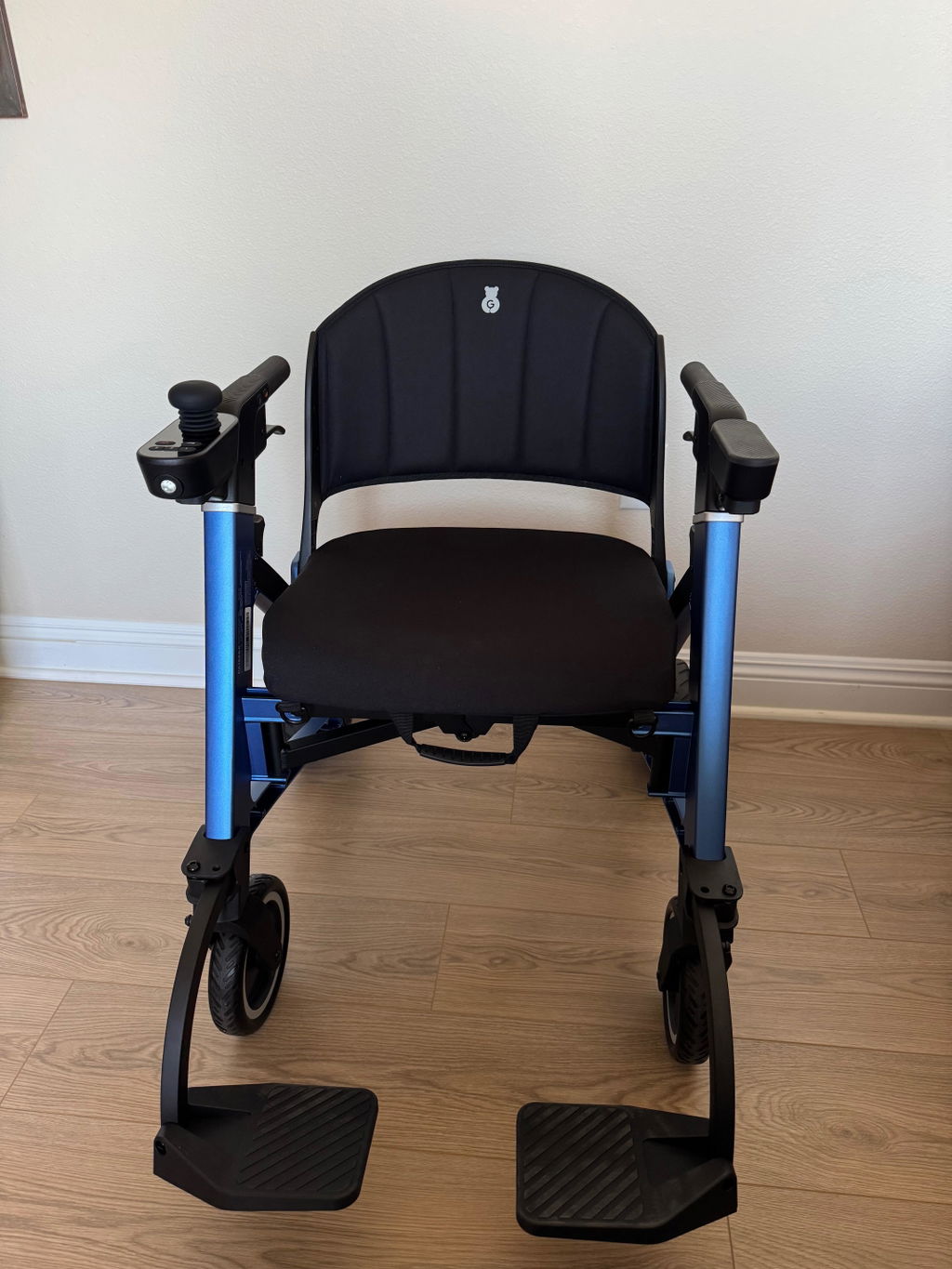
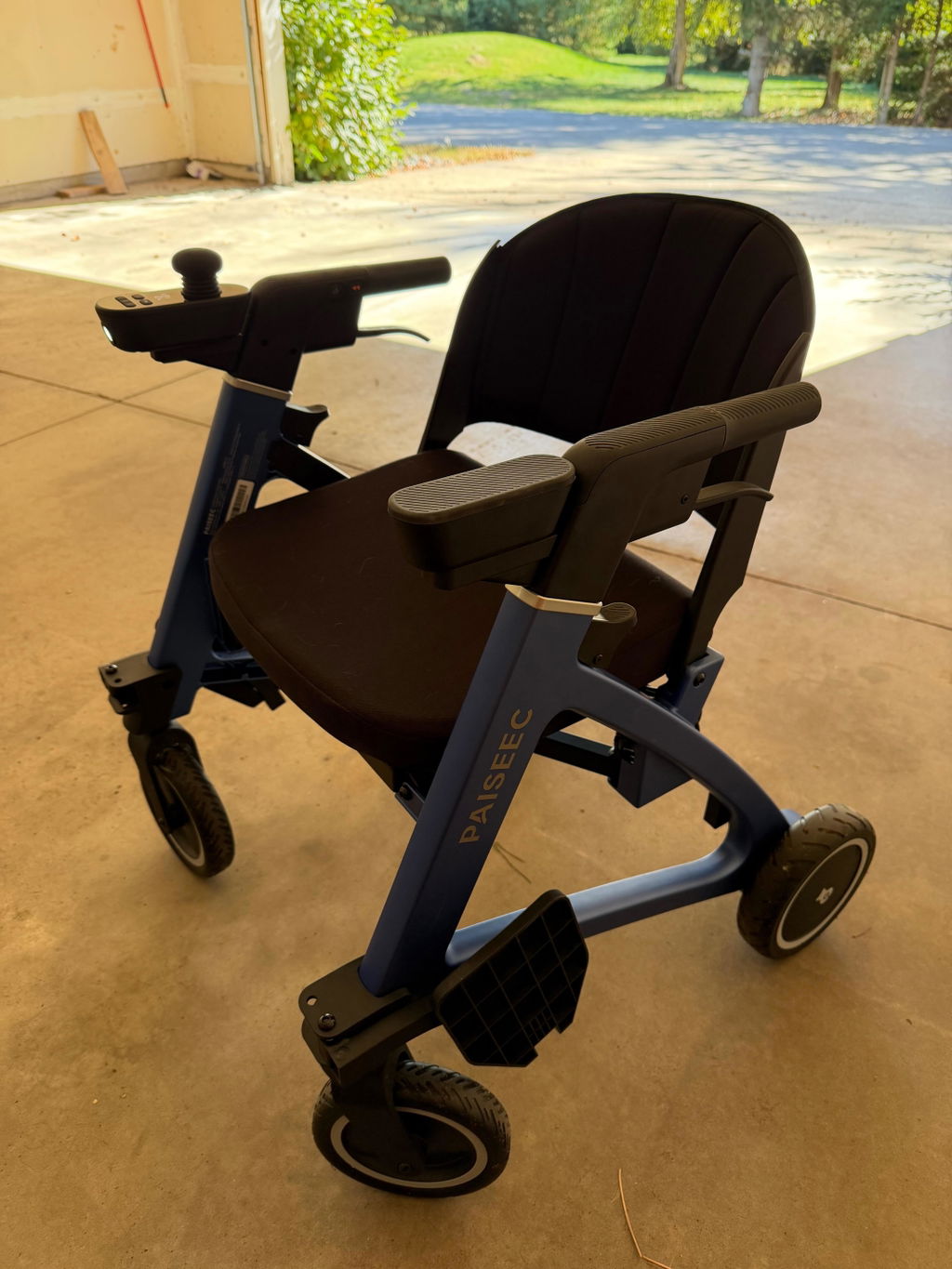
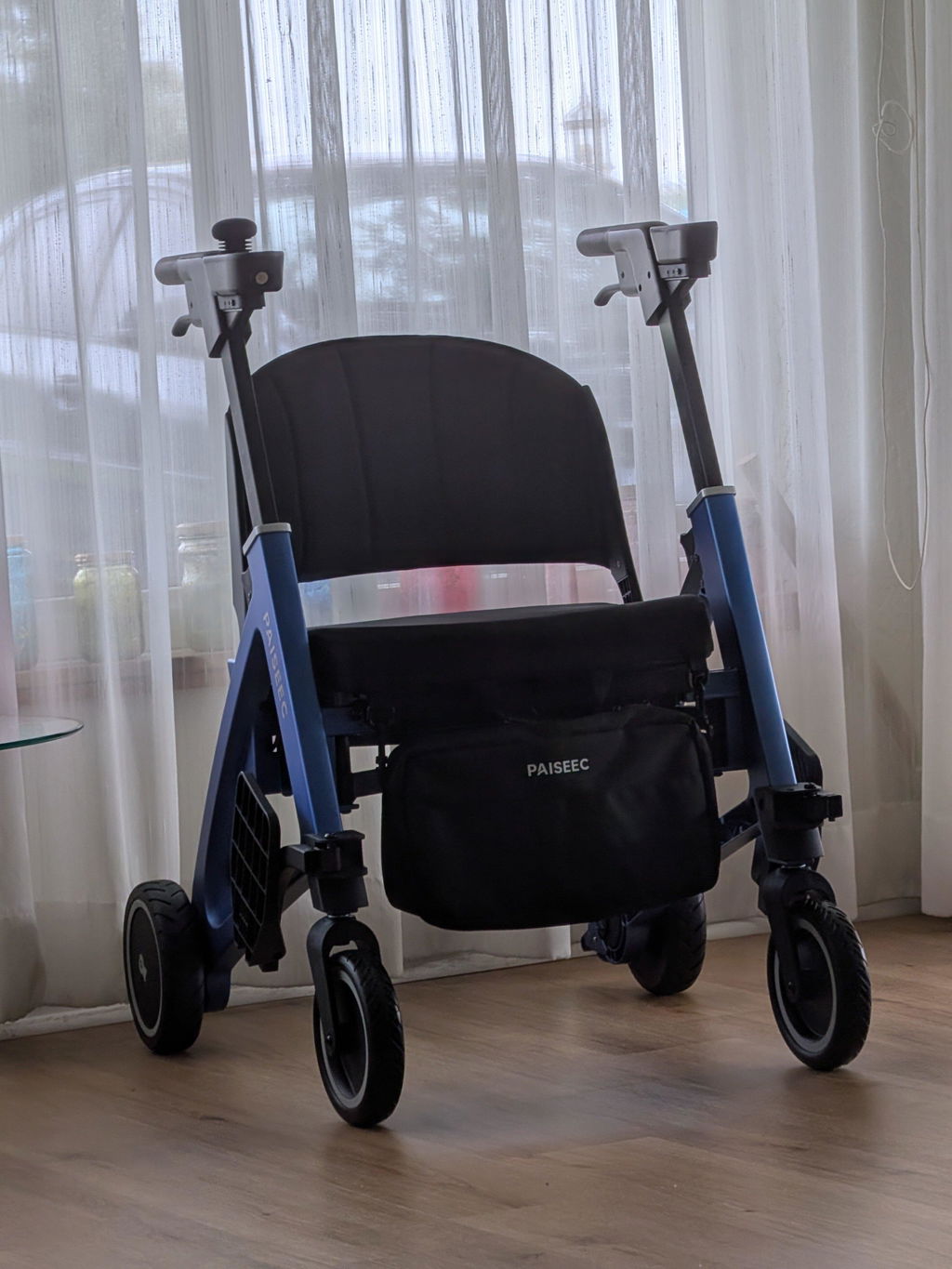
The D3 model weighs just 39.7 lbs and folds to 38.8×19.7×15.0", fitting most car trunks. The S3 folds to 39×22×17" at 61 lbs. Both models offer no-assembly setup, enabling users to transition from storage to immediate use—critical for seniors with limited strength or dexterity.
Dual-Battery Options for Extended Range
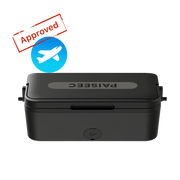
The D3 includes two removable 24V 6.6Ah lithium batteries (airline approved), enabling 18.6 miles per charge with easy battery swap for extended outings. The S3 offers a single 36V 12Ah battery with 25-mile range, plus an optional airline-approved battery version for travelers.
All-Terrain Pneumatic Tires
Both models feature wider, thicker pneumatic tires (S3: 9" front/10" rear; D3: run-flat tires) that absorb shock and navigate uneven terrains including lawns, gravel, and curb cuts up to 2.76" high. This addresses the limitation of generic scooters that only work on smooth indoor floors.
Related Products, Services, or Resources
-
Paiseec Lightweight Mobility Scooter D3 — Ultra-light 39.7 lbs model with dual removable batteries, ideal for travelers and seniors needing maximum portability
-
Paiseec 3-in-1 Electric Wheelchair W3 — Versatile 3-in-1 device combining wheelchair, scooter, and walker functions for users needing multiple mobility solutions
-
Electric Wheelchairs Collection — Full range of Paiseec electric wheelchairs featuring the PAI Intelligent Safety Riding System for users requiring wheelchair-style mobility
-
What Is the Best Airline Approved Mobility Scooter for Travel? — Blog guide comparing airline-approved models, including S3 and D3 battery specifications for flight travel
How It Works
-
Assess your mobility needs: Determine required weight capacity (up to 300 lbs for S3/D3), range (18.6–25 miles), and portability (39.7 lbs vs. 61 lbs) based on daily activities
-
Compare models: Review the S3 (full-size, 25-mile range, all-terrain) vs. D3 (ultra-light, dual batteries, travel-focused) using Paiseec's comparison chart to match your priorities
-
Request a quote or order: Purchase directly through Paiseec's website; the S3 sells for $1,299.99 (sale) and D3 for $699.00 (sale), with 30-day price match protection
-
Request samples or ask about sample fees: While scooters are final products, contact Paiseec to confirm whether sample fees apply for business buyers or to request accessory bundles
-
Confirm MOQ and lead time: The S3 is "In Stock—Estimated delivery in 3–7 business days"; D3 shipping time should be confirmed during checkout
-
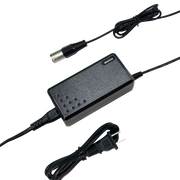
Set up and charge: Both models require no assembly. Charge the S3 on-board (8–10 hours for full charge); D3 batteries are removable for convenient charging
Use Cases
Scenario 1: Senior Grocery Shopping
-
Traditional approach: Rely on family member for grocery trips or use delivery services with limited product selection
-
With Paiseec: Navigate grocery store aisles independently using S3's 25-mile range and ADA-protected mobility rights; automatic speed control prevents accidents in crowded areas
-
Result: Daily independence, better food choices, reduced caregiver burden
Scenario 2: Air Travel for Medical Appointments
-
Traditional approach: Skip out-of-town medical visits due to mobility limitations or require expensive medical transport
-
With Paiseec D3: Fold to 38.8×19.7×15.0", pack dual airline-approved batteries, fly independently to distant medical facilities
-
Result: Access to specialized care without mobility barriers
Scenario 3: Outdoor Community Activities
-
Traditional approach: Stay home due to inability to walk on grass, gravel, or uneven sidewalks
-
With Paiseec S3: All-terrain pneumatic tires cross curb cuts up to 2.76" high, navigate lawns and gravel roads safely
-
Result: Participation in community events, park visits, and social activities
Scenario 4: Startup Brand Private Label Project
-
Traditional approach: Work with trading companies offering generic scooters with inconsistent QC and no certification support
-
With Paiseec: Partner with brand offering PAI Smart System certification support, 300 lbs capacity standard, and documented safety testing for target markets
-
Result: Reliable SKU with verifiable safety features for regional market expansion
FAQ
What's the best medical scooter category in 2026?
Foldable lithium-battery scooters with smart safety features dominate 2026. The Paiseec S3 (full-size, 25-mile range) and D3 (ultra-light, dual batteries) represent top choices depending on portability vs. range priorities.
How much does a medical scooter cost?
Prices range from $699 (D3 sale price) to $1,299.99 (S3 sale price). Generic products may cost $500–$800 but lack smart safety features and verified weight capacity.
Is the Paiseec S3 airline approved?
The standard S3's 36V 12Ah battery exceeds most commercial airline limits. However, Paiseec sells an airline-approved battery version separately for travelers.
What's the D3's actual range in cold weather?
While D3 claims 18.6 miles per charge, capacity reduces 30% or more below 32°F. Users in cold climates should plan for ~13 miles in winter conditions.
How do I prepare before buying a medical scooter?
Measure your car trunk dimensions, verify doorway widths (S3 fits most elevators), confirm weight capacity matches your needs (up to 300 lbs), and decide whether airline approval is necessary.
What safety risks should I watch for?
Generic scooters lack automatic speed control on turns/downhills. Without PAI Smart System, users risk accidents on uneven terrain. Always test speed control before regular use.
What's the lead time for Paiseec scooters?
S3 is in stock with 3–7 business day estimated delivery. D3 shipping time should be confirmed during checkout.
Does Paiseec offer certification documentation for import?
Paiseec's PAI Intelligent Safety Riding System includes certification support for target markets. Confirm specific certification documents (e.g., FDA, CE) with Paiseec before import.
Conclusion
Medical scooters have evolved from basic mobility aids to intelligent safety devices that enable genuine independence for seniors and mobility-impaired individuals. The Paiseec S3 and D3 represent strong choices in 2026, offering 300 lbs weight capacity, foldable designs that fit car trunks, lithium batteries with 18–25 mile range, and the industry-first PAI Smart System that automatically controls speed on hills and turns.
For buyers prioritizing all-terrain capability and maximum range, the S3 delivers 25 miles per charge with pneumatic tires. For travelers and those needing ultra-light portability, the D3's 39.7 lbs weight and dual airline-approved batteries make it ideal. Both models address the critical pain points of weight capacity vs. portability trade-offs, real-world range limitations, and safety concerns on uneven terrain.
Start your order today: Request a quote for the Paiseec S3 or D3, ask about the complimentary 4-in-1 accessory bundle (cup holder, canvas bag, cane holder, dust proof cover), and confirm MOQ and lead time for your location.
Sources
-
Paiseec — Paiseec Mobility Scooter S3 — Product specifications, price ($1,299.99), 25-mile range, 300 lbs capacity, PAI Smart System
-
Paiseec — Lightweight Mobility Scooter D3 — Product specifications, price ($699.00), 39.7 lbs weight, dual batteries, 18.6-mile range
-
Paiseec — What Makes the D3 Ideal for Seniors — D3 use cases, pricing range ($800–$1,000), senior travel features
-
Paiseec — Best Airline Approved Mobility Scooter — Airline approval comparison, S3 vs. D3 battery specifications
-
1800Wheelchair — Paiseec User Manual — Official user manual confirming outdoor design for elderly and mobility-impaired users
-
Mobility Scooters Direct — ADA Mobility Device Rights — ADA protection for medical scooter users in public spaces
Leave a comment
This site is protected by hCaptcha and the hCaptcha Privacy Policy and Terms of Service apply.