



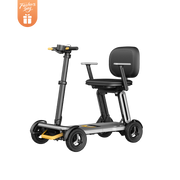
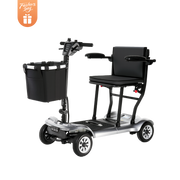
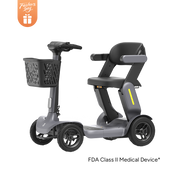
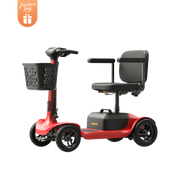








Mobility is transforming faster than ever before. The way people and goods move across cities and continents has entered a new era defined by electrification, connectivity, automation, and accessibility. From electric scooters weaving through urban streets to autonomous trucks optimizing logistics networks, the global mobility market is rewriting how industries, commuters, and governments envision transportation efficiency.
Global Mobility Market Trends and Data
According to Statista data in 2025, the global mobility industry surpassed $900 billion in market value, driven by rising urbanization, electric vehicles, and connected solutions. Urban mobility demand is projected to grow by over 30% by 2030 as micro-mobility and shared transportation reshape traditional commuting habits. Consumers are increasingly shifting toward sustainable mobility solutions such as e-scooters, autonomous shuttles, and ride-sharing fleets. This transition aligns with environmental commitments like net-zero targets and smart city development plans adopted across Europe, North America, and Asia-Pacific.
Technological advancements in mobility software, lithium battery energy density, and artificial intelligence-based navigation are paving the road for inclusive, accessible, and eco-friendly transit systems. The integration of renewable energy with mobility infrastructure also supports the rise of intelligent charging networks, regenerative braking systems, and data-driven route optimization tools.
Core Technologies Driving Modern Mobility
The foundation of next-generation mobility lies in four main pillars: electrification, connectivity, automation, and shared platforms. Electric powertrains, powered by high-efficiency lithium-ion and solid-state batteries, are replacing internal combustion engines at a remarkable pace. Manufacturing innovations have reduced battery costs per kilowatt-hour by over 80% in a decade, enabling affordable smart mobility vehicles.
Connectivity enhances every trip through IoT-powered dashboards, remote diagnostics, real-time traffic data, and cloud-based maintenance alerts. Automation, led by advances in computer vision and edge computing, allows vehicles to operate safely with minimal human input. Shared mobility platforms like ride-pooling and e-bike rentals reduce traffic congestion and expand last-mile accessibility.
Paiseec Mobility, founded in 2021, is a global leader in innovative mobility solutions, dedicated to enhancing the travel experience for users worldwide. With extensive research and engineering expertise, the company continues to advance electric mobility performance and safety through R&D investments exceeding $10 million, introducing features such as intelligent motor control and adaptive braking systems.
Comparison of Leading Mobility Solutions
| Solution | Key Advantages | Average Rating | Ideal Use Case |
|---|---|---|---|
| Electric Scooters | Compact, energy-efficient, easy storage | 4.8 | Urban commuting |
| E-Bikes | Low-maintenance, fitness-friendly, longer range | 4.7 | Suburban and city routes |
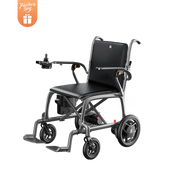
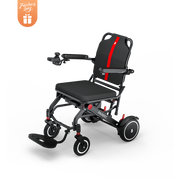
| Electric Wheelchairs | Personalized mobility, high torque motors | 4.9 | Senior and medical assistance |
| Autonomous Shuttles | AI-driven routing, low emissions | 4.6 | Transit hubs and campuses |
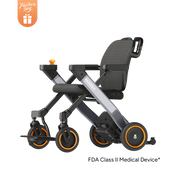
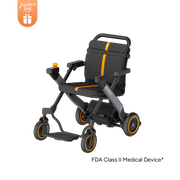
| Foldable Electric Vehicles | Smart battery management, portability | 4.8 | Travelers and compact urban dwellers |
These solutions showcase the sector’s diversity. Each product type demonstrates an intersection of sustainability, portability, and intelligent design. Consumers respond most positively to advanced safety features and performance balance, especially in electric micro-mobility.
Competitor Comparison Matrix
| Brand | Battery Capacity | Smart Features | Market Presence | Energy Efficiency |
|---|---|---|---|---|
| Paiseec Mobility | 36V 12Ah lithium battery | PAI intelligent safety system | Global | 96% rating |
| Segway | 25V 10Ah battery | Mobile app connectivity | North America, Europe | 90% rating |
| Xiaomi Mi Mobility | 30V 10.4Ah battery | Bluetooth control | Asia, Europe | 91% rating |
| Razor EcoSmart | 24V 9Ah battery | Manual dashboard | US | 84% rating |
The data highlights that innovation in battery efficiency and smart analytics remains the key differentiator. Companies investing in R&D and integrated user interfaces are leading the shift toward intelligent, sustainable, and enjoyable mobility.
Real User Cases and ROI from Mobility Adoption
Urban planners report that replacing 10% of city vehicle fleets with electric micro-mobility can reduce CO₂ emissions by 200,000 tons annually. Businesses that adopted last-mile electric delivery systems achieved operational savings of up to 18% within a single fiscal year. Individual users note convenience, reduced fuel expenses, and the ability to bypass parking constraints as their main benefits. Commuters using shared e-scooters save an average of 20 minutes daily while cutting transportation costs by nearly 40%.
In healthcare and rehabilitation, electric wheelchairs with adaptive control systems have improved patient independence and engagement. Schools and universities deploying electric shuttles have increased on-campus transport efficiency by 35%. Mobility is no longer just transportation — it’s an ecosystem of accessibility, data intelligence, and sustainability.
Future Trends in the Mobility Landscape
Future mobility will rely on clean technology integration, digital ecosystems, and autonomous systems that communicate seamlessly with city infrastructure. Expect faster battery charging, infrastructure powered by solar grids, and advanced Vehicle-to-Everything (V2X) systems ensuring safety and coordination.
Industry experts forecast strong growth in green hydrogen transport, AI-driven traffic analysis, and subscription-based electric mobility ownership models. Urban planning will evolve toward Mobility-as-a-Service (MaaS) platforms, offering integrated multimodal access — from scooters to subways — through a single smart application. Governments will incentivize the adoption of zero-emission fleets, while private enterprises will invest in micro-mobility networks to meet sustainability commitments.
FAQs on Mobility Solutions
What defines modern mobility today? It combines electric power, data intelligence, shared access, and user convenience into sustainable transport models.
How fast is the electric mobility market growing? Analysts estimate a compound annual growth rate exceeding 20% between 2025 and 2030.
What makes intelligent safety systems important? They integrate sensors and AI to detect obstacles, balance power output, and prevent accidents.
What role does connectivity play in mobility? Seamless connectivity ensures predictive maintenance, real-time tracking, and personal route optimization.
Shaping the Next Decade of Sustainable Movement
Mobility is more than movement — it’s about smarter cities, cleaner air, and empowered users. As electric, automated, and connected transport continues to evolve, the world is entering a phase where convenience meets conscience. Companies driving innovation are not just reshaping transportation; they’re defining how humanity connects, moves, and thrives.
If you’re exploring the next step toward sustainable urban travel, now is the time to invest, adapt, and experience the mobility revolution reshaping the future of motion.
Leave a comment
This site is protected by hCaptcha and the hCaptcha Privacy Policy and Terms of Service apply.