



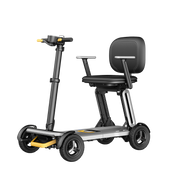
![[2026] PAISEEC D3|Mobility Scooter for Easy Everyday Travel](http://www.paiseec.com/cdn/shop/files/d3_4a4ccb22-9e26-449e-8094-71f3ec4177c3.png?v=1782115044&width=180)
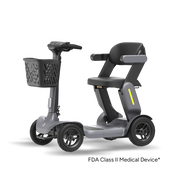

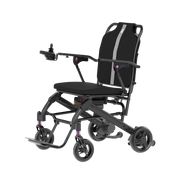
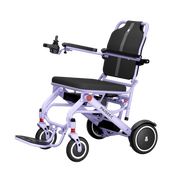


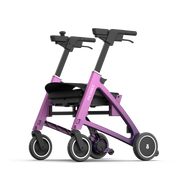
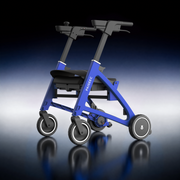
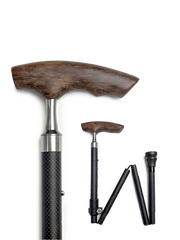


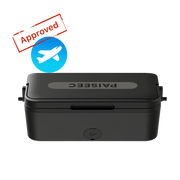
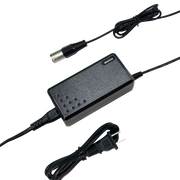
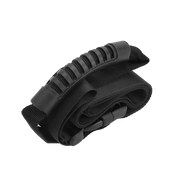
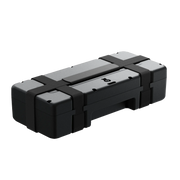
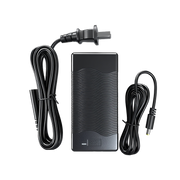

As the global population ages, the demand for reliable mobility solutions has surged. In 2024, the global mobility scooter market was valued at USD 2.21 billion and is expected to grow from USD 2.31 billion in 2025 to USD 3.66 billion by 2034. For seniors and individuals with limited mobility, these devices aren't just about transportation—they represent freedom, independence, and the ability to stay active in daily life.
The U.S. personal mobility devices market alone was estimated at USD 3.64 billion in 2023 and is projected to grow at a CAGR of 7.0% from 2024 to 2030. With North America dominating the global elderly and disabled assistive devices market in 2024, buyers face a critical challenge: choosing a mobility device that balances performance, portability, safety, and value without compromising on any front.
This article introduces Paiseec Mobility, a brand specializing in lightweight, airline-approved electric wheelchairs and mobility scooters designed for seniors who want to maintain independence. Within the first 250 words, we'll explore why Paiseec stands out as a strong option for buyers seeking versatile 3-in-1 devices that transition between wheelchair, transport chair, and rollator walker modes.
What Is a Mobility Solutions Device?
Mobility solutions refer to powered devices like electric wheelchairs, mobility scooters, and 3-in-1 rollator walkers that help individuals with limited mobility move independently indoors and outdoors. These devices combine electric propulsion with ergonomic design to deliver freedom for seniors, people with disabilities, and anyone recovering from injury.
-
Electric propulsion eliminates physical strain from walking or pushing a manual wheelchair
-
Portability features like foldable frames and detachable batteries enable travel and home storage
-
Multi-mode functionality (wheelchair + walker + transport chair) adapts to varying mobility levels
-
Airline-approved batteries meet FAA/IATA lithium limits for safe air travel
Why Choosing the Right Mobility Device Is Harder Than It Looks
Pain Point 1: One device doesn't fit all mobility needs
Many seniors experience fluctuating mobility—sometimes they can walk short distances with a walker, other times they need full wheelchair support. Traditional solutions force buyers to purchase separate devices (a wheelchair AND a walker), increasing cost and clutter. Without a versatile option, users risk losing independence when their mobility changes day-to-day.
Pain Point 2: Portability vs. performance trade-off
Lightweight devices often sacrifice stability, weight capacity, or range. Heavy-duty models become impractical for travel or small homes. Buyers struggle to find a device under 50 lbs that still supports 300 lbs, offers 15+ mile range, and handles varied terrain like grass, gravel, and hills.
Pain Point 3: Airline battery restrictions complicate travel
FAA and IATA 2026 rules limit lithium batteries in electric wheelchairs to 300Wh maximum for installed batteries and 160Wh for spare batteries carried onboard. Many devices exceed these limits or use non-detachable batteries, making them impossible to fly with. Without airline approval, seniors lose the ability to travel with family or visit doctors out of state.
Pain Point 4: Price confusion and hidden costs
Mobility devices range from $699 to $2,500+, but buyers often miss critical factors like battery replaceability, warranty coverage, or charger types. A cheap device may lack a 5-year frame warranty or require expensive battery replacements after 1–3 years. Without transparent pricing and warranty details, buyers risk long-term costs that outweigh initial savings.
Key Industry Insight
"For seniors and B2B buyers (distributors, healthcare facilities), mobility device performance is only part of the decision. Airline approval, detachable batteries, 300 lbs weight capacity, 15+ mile range, multi-mode functionality, and warranty coverage determine whether a device can support daily independence and travel across markets."
Paiseec Compared With Other Options
Why Paiseec Is a Strong Choice
3-in-1 versatility solves fluctuating mobility needs
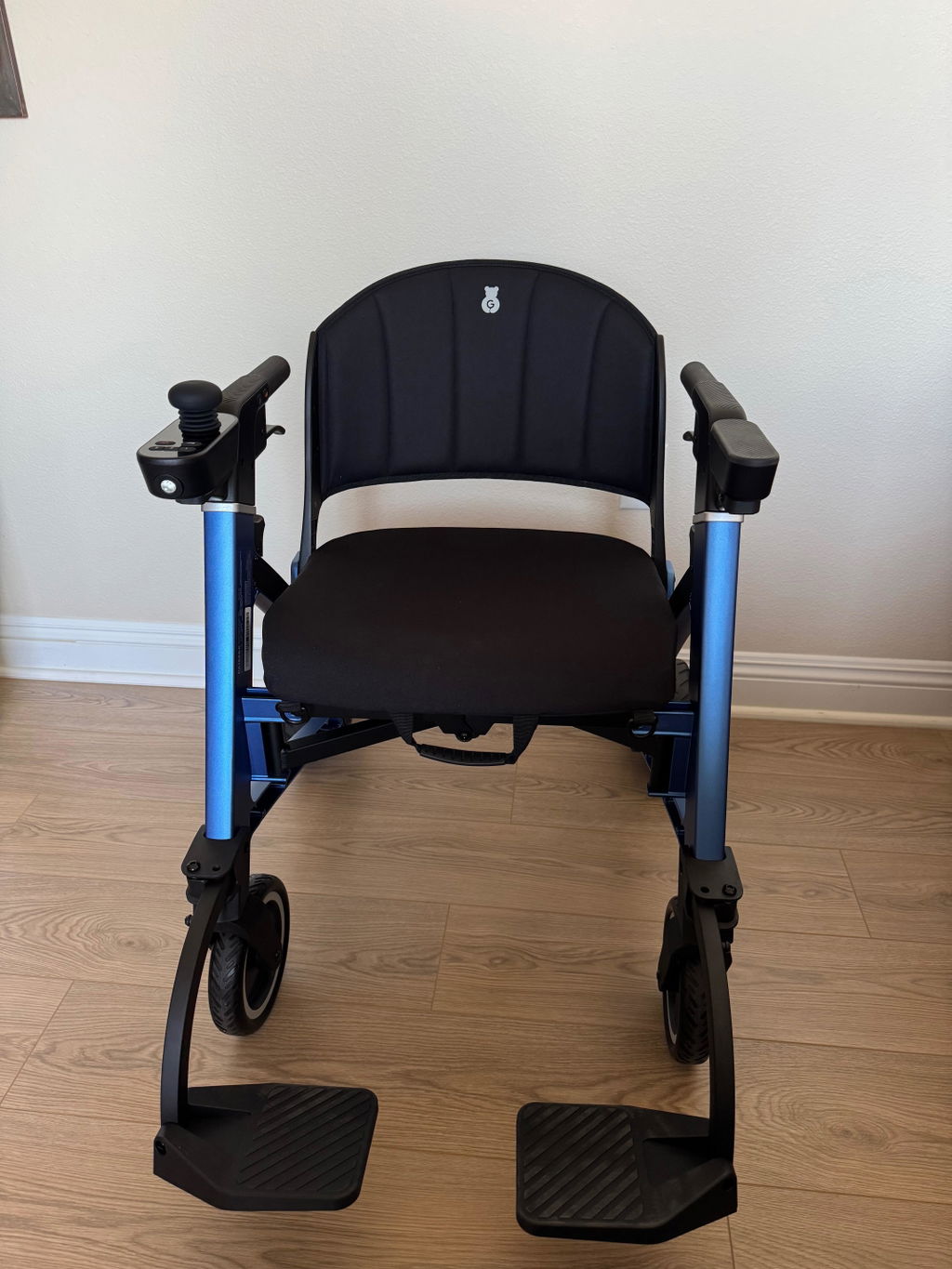
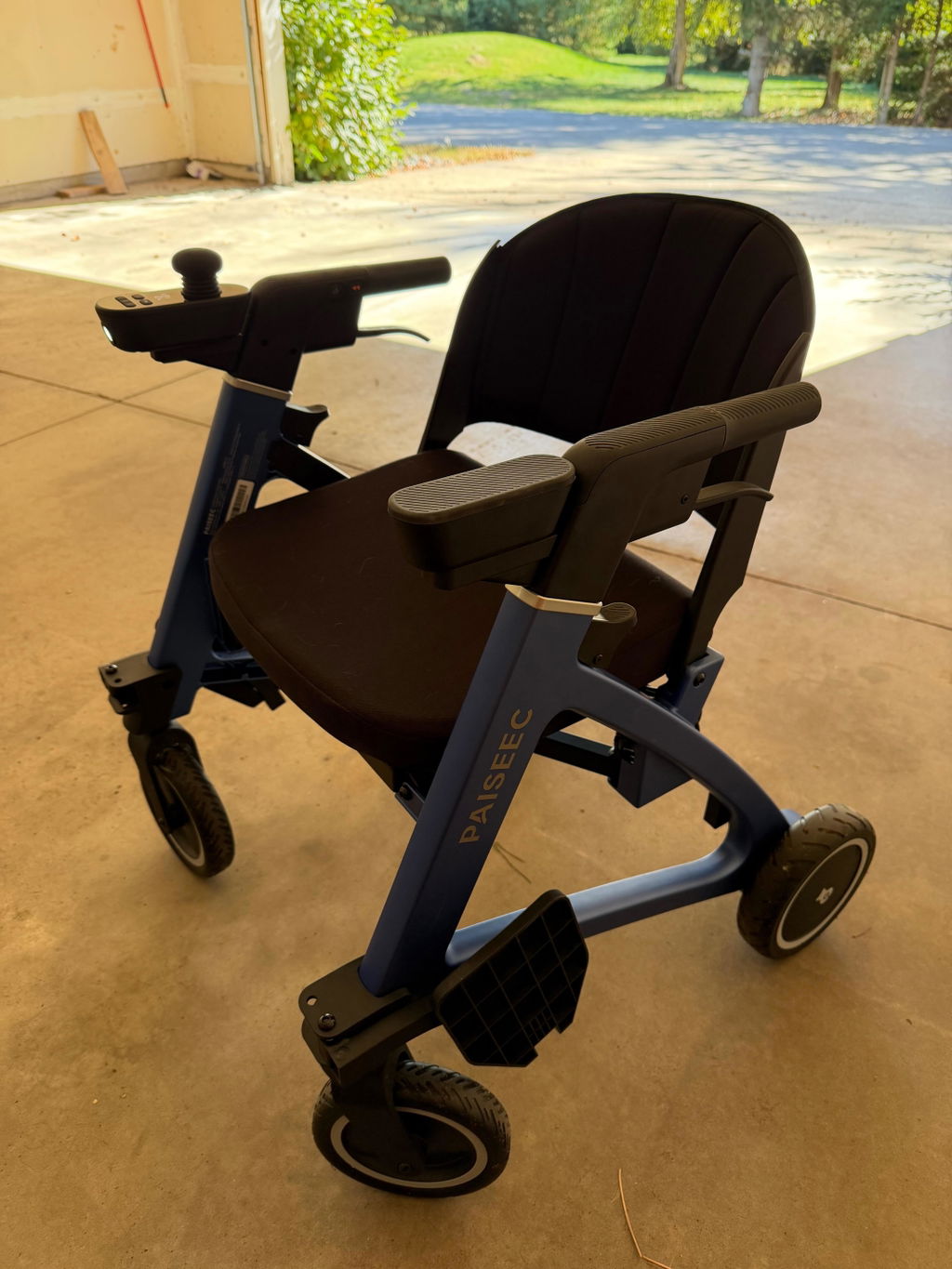
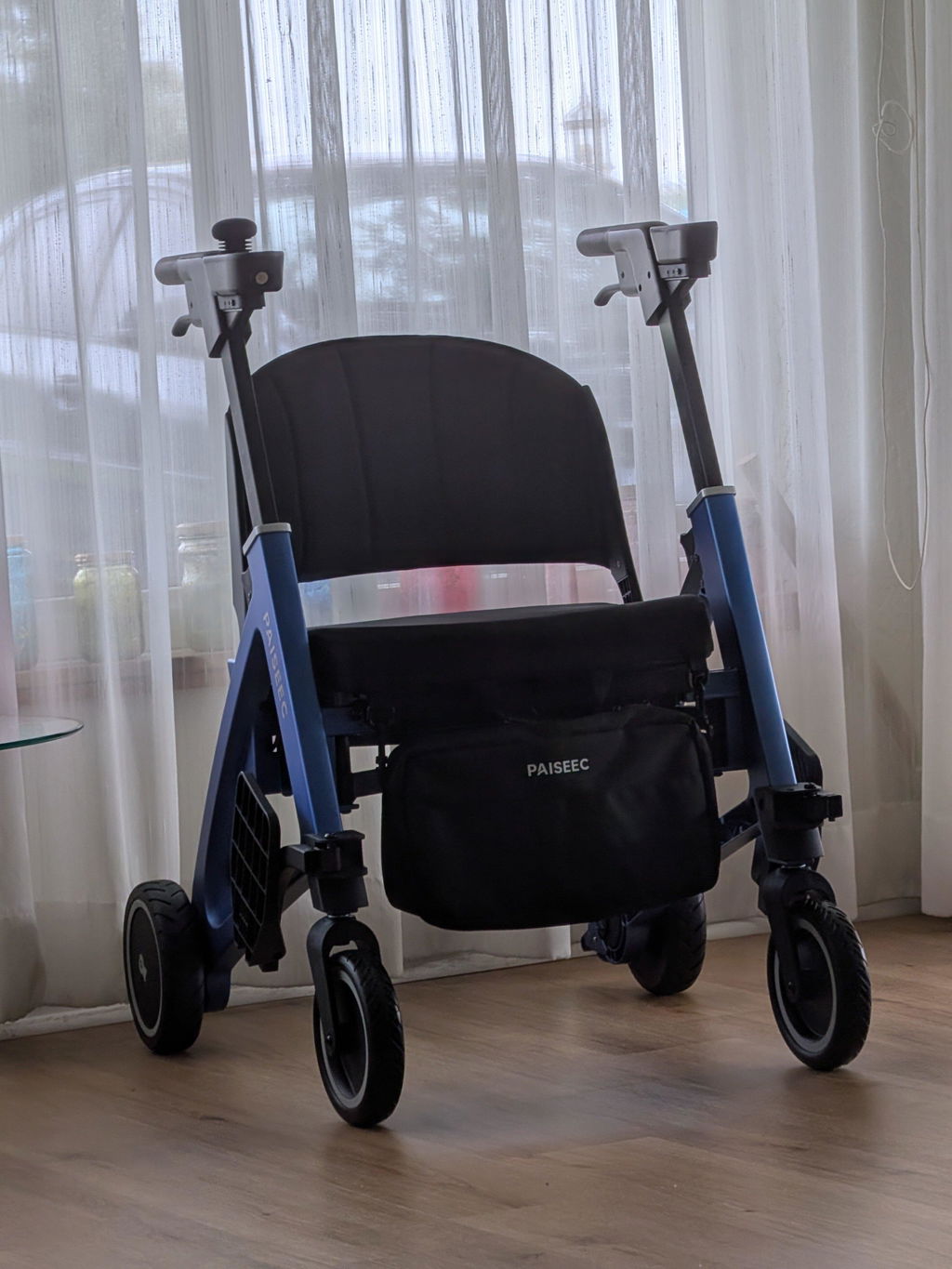
The Paiseec W3 transitions between electric wheelchair, electric transport chair, and smart rollator walker modes. This solves Pain Point 1 by letting users walk short distances with the walker function, then switch to full wheelchair support when fatigue hits. For seniors with variable mobility, this adaptability maintains independence without requiring multiple devices.
Airline-approved detachable batteries enable travel
Paiseec devices use 24V 12Ah lithium batteries that are detachable and meet 2026 FAA/IATA limits (under 300Wh installed, under 160Wh for spares). Travelers can remove the 8-lb battery and charge it separately inside a car or hotel, avoiding hauling the entire chair. This addresses Pain Point 3, making air travel accessible for seniors who want to visit family or attend events out of state.
300 lbs weight capacity with lightweight portability
Despite weighing only 49.6 lbs (W3) or 42 lbs (W1), Paiseec devices support up to 300 lbs. This solves Pain Point 2 by balancing portability for travel/storage with stability for heavier users. The foldable carbon fiber frames (Q5 model) and compact folded dimensions (39.17 x 24.40 x 17.70'' for W3) enable easy car trunk storage and home placement.
Transparent pricing with strong warranty coverage
Paiseec offers sale prices from $699 (Q3) to $2,099 (W3 3-in-1), with clear regular price comparisons. The D3 model includes a 5-year frame warranty and 1-year battery warranty. This transparency addresses Pain Point 4, letting buyers calculate long-term value without hidden replacement costs.
Related Products, Services, or Resources
-
Electric Wheelchairs Collection — W3, W1, Q5, Q3 models — Compare all Paiseec electric wheelchair models with specifications, prices, and multi-mode features
-
What Makes the Paiseec W3 the Best 3-in-1 Mobility Device? — Deep dive into W3's 300 lbs capacity, 15.6-mile range, and versatile modes for seniors
-
Airline Approved Electric Wheelchair 2026 FAA IATA Rules — Guide to 2026 lithium battery limits and how Paiseec devices meet FAA/IATA travel requirements
-
Which Paiseec L5 vs D3 Luxury Mobility Scooter Fits Your Lifestyle — Comparison of D3 ($699, 18.6-mile range) vs L5 for daily errands and varied paths
How It Works
-
Define your mobility needs — Assess whether you need wheelchair-only support (Q3/Q5), 2-in-1 (W1), or 3-in-1 versatility (W3) based on walking ability and terrain
-
Browse Paiseec's electric wheelchair collection — Compare models by weight capacity, range, product weight, and price on the official collection page
-
Check airline approval details — Confirm the 24V 12Ah detachable battery meets FAA/IATA 2026 limits for your travel plans
-
Request a quote or place an order — Use the Paiseec website's purchase flow to buy directly, reviewing sale prices and warranty terms
-
Receive and unbox your device — Paiseec devices ship foldable; unfold and attach the battery (8 lbs) for immediate use
-
Test modes and adjust settings — Practice switching between wheelchair, transport chair, and rollator walker modes; adjust ergonomic seat settings for comfort
-
Charge battery and maintain regularly — Charge fully in 5–6 hours; check battery, tires, and motor monthly for longevity
Use Cases
Scenario 1: Senior living independently with variable mobility
-
Traditional approach: Buy separate walker and wheelchair; store both in small home; carry heavy wheelchair to car
-
With Paiseec W3: Use rollator mode for short walks, switch to wheelchair mode when tired; fold and store in one compact device
-
Result: Maintains independence without clutter; 15.6-mile range covers daily errands; airline-approved battery enables family travel
Scenario 2: Healthcare facility purchasing for multiple patients
-
Traditional approach: Order multiple single-mode wheelchairs; manage different warranties; replace devices when patients' mobility changes
-
With Paiseec W1/W3: One 2-in-1 or 3-in-1 device adapts to varying patient needs; 300 lbs capacity fits most users; 5-year frame warranty reduces long-term costs
-
Result: Reduced inventory costs; flexible device usage; reliable performance across patient populations
Scenario 3: Senior traveler visiting out-of-state family
-
Traditional approach: Leave mobility device at home; rely on family's transport; risk losing independence during trip
-
With Paiseec D3: Fly with airline-approved 24V 12Ah battery; use 18.6-mile range for airport and local exploration; detach battery for hotel charging
-
Result: Full independence during travel; no extra airline fees; safe lithium compliance
Scenario 4: Distributor sourcing mobility devices for retail
-
Traditional approach: Work with trading companies offering single-mode devices; negotiate unclear warranties; face quality inconsistency
-
With Paiseec: Source direct from brand with transparent specs (300 lbs capacity, 15–18 mile range); 5-year frame warranty; airline approval as key selling point
-
Result: Competitive retail pricing ($699–$2,099); strong warranty support; unique 3-in-1 feature differentiates from competitors
FAQ
What is the best mobility solution for seniors in 2026?
The Paiseec W3 3-in-1 electric wheelchair is a strong option for seniors due to its 300 lbs capacity, 15.6-mile range, and versatile wheelchair + transport chair + rollator walker modes. For budget buyers, the D3 mobility scooter at $699 offers 18.6-mile range and airline approval.
How much does an electric wheelchair cost?
Paiseec prices range from $699 (Q3 lightweight) to $2,099 (W3 3-in-1 sale price), with regular prices up to $2,499. The D3 mobility scooter is $699, making it a competitive value for daily errands.
Are Paiseec wheelchairs airline-approved?
Yes. Paiseec devices use 24V 12Ah detachable lithium batteries that meet 2026 FAA/IATA limits (300Wh max installed, 160Wh max for spares). The battery weighs only 8 lbs and can be charged separately inside a car or hotel.
What's the difference between W3 and W1?
W3 is 3-in-1 (wheelchair + transport chair + rollator walker), weighs 49.6 lbs, and offers 15.6-mile range. W1 is 2-in-1 (wheelchair + rollator walker), weighs 42 lbs, and offers 18-mile range. Both support 300 lbs.
How long does the battery last before replacement?
Motorized wheelchair batteries typically last 1–3 years before needing replacement, depending on usage frequency and charging habits. Paiseec's 1-year battery warranty covers early defects.
Can I use an electric wheelchair outdoors on grass or gravel?
Yes. Paiseec devices handle grass, concrete, bumps, gravel, and hills with ease due to durable tires and suspension. The W3's two 180W brushless motors provide enough power for varied terrain.
What warranty does Paiseec offer?
Paiseec provides a 5-year frame warranty and 1-year battery warranty on the D3 model. Most electric wheelchairs include warranties covering motor, frame, and battery for 1–5 years depending on manufacturer.
Do I need a caregiver to operate a Paiseec wheelchair?
No. Paiseec wheelchairs use joystick controls that are easy to grip and operate independently. The Q5 carbon fiber model also offers an optional caregiver control kit for assisted use.
Conclusion
Mobility solutions are essential for seniors and individuals with limited mobility who want to maintain independence, stay active, and travel with confidence. The global mobility scooter market's growth to USD 3.66 billion by 2034 reflects rising demand for devices that balance performance, portability, and safety.
Paiseec Mobility stands out by offering 3-in-1 electric wheelchairs (W3), 2-in-1 models (W1), and lightweight options (Q3, Q5, D3) with 300 lbs weight capacity, 15–18 mile range, and airline-approved detachable batteries. For buyers seeking versatility without compromising on travel capability or warranty coverage, Paiseec is a strong choice.
Request a quote or browse the Electric Wheelchairs Collection to compare W3, W1, Q5, and Q3 models and find the right mobility solution for your needs.
Sources
-
Paiseec — Airline Approved Electric Wheelchair 2026 FAA IATA Rules
-
Paiseec — Which L5 vs D3 Luxury Mobility Scooter Fits Your Lifestyle
-
Skyward Medical — Paiseec D3 Lightweight Mobility Scooter Specifications
-
Global Mobility Scooter Market Size & Share 2025–2034 — Global Industry Insights
-
U.S. Personal Mobility Devices Market Report 2024–2030 — Grand View Research
-
New Airline Protections for Passengers with Wheelchairs 2024 — Disability Rights Tennessee
Leave a comment
This site is protected by hCaptcha and the hCaptcha Privacy Policy and Terms of Service apply.