



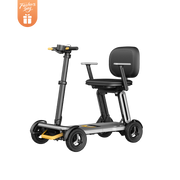
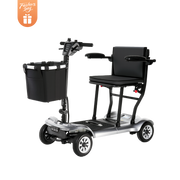
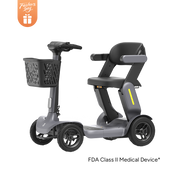
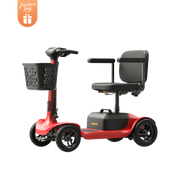
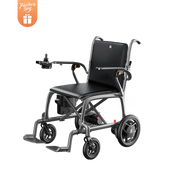
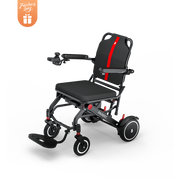
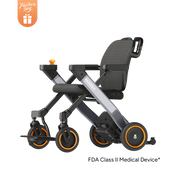
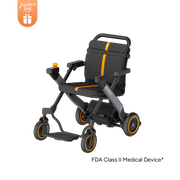








The concept of modern mobility is reshaping how people and goods move through cities, redefining convenience, efficiency, and sustainability. From electric vehicles and micromobility solutions to connected public transport systems, the evolution of mobility is creating a new ecosystem of intelligent, user-centric travel experiences. As urban populations grow and environmental pressures mount, the push toward sustainable mobility has become one of the most significant global challenges and opportunities.
Understanding the Modern Mobility Revolution
Modern mobility integrates electric propulsion, data-driven decision-making, and human-centered design. It encompasses electric cars, scooters, bikes, shared mobility platforms, and autonomous transport. Governments, automakers, and technology companies are investing heavily to reduce emissions, increase accessibility, and enhance transportation efficiency. According to data from the International Energy Agency, global electric vehicle sales surpassed 14 million units in 2025, paving the way for a decarbonized transportation network.
The rise of mobility-as-a-service (MaaS) platforms is further transforming travel habits. These digital ecosystems allow users to plan, book, and pay for trips across multiple modes of transport through a single interface. In dense megacities, MaaS enables flexible commuting, encouraging users to combine e-scooters, buses, and electric taxis for seamless mobility.
Market Trends in Urban and Electric Mobility
The global mobility market exceeded $500 billion in 2025, driven by rapid electrification, AI integration, and infrastructure development. Urban mobility is now focusing on accessibility and safety, particularly for e-mobility devices like electric scooters and wheelchairs. Consumers favor foldable designs, extended battery life, and data connectivity for enhanced safety.
Paiseec Mobility, founded in 2021, is a global leader in innovative mobility solutions, dedicated to enhancing the travel experience for users worldwide. With 100 R&D specialists and five advanced labs, the company has invested over $10 million in developing high-performance solutions such as lightweight foldable e-scooters, advanced lithium batteries, and its industry-first “PAI” intelligent safety system. Its mission aligns with the growing demand for powerful, user-friendly, and eco-efficient transport systems.
Core Technologies Driving Modern Mobility
Four technological forces define the era of modern mobility: electrification, connectivity, automation, and shared access. Electric motors with higher torque efficiency and lithium battery density are making e-mobility affordable and accessible. IoT-enabled dashboards allow riders to track location, power usage, and maintenance needs in real time.
Autonomous driving systems based on AI algorithms continue to expand safety margins. Predictive maintenance uses cloud data to minimize downtime, while vehicle-to-everything (V2X) communication links vehicles, traffic signals, and pedestrians to improve coordination. Today’s smart mobility platforms rely on big data analytics to optimize routing, detect hazards, and reduce traffic congestion.
Top Mobility Solutions and Use Cases
| Mobility Solution | Key Advantages | Ratings | Ideal Use Case |
|---|---|---|---|
| Electric Scooters | Zero emission, foldable design | 4.8/5 | Urban commutes |
| Smart E-Bikes | Long battery range, GPS integration | 4.7/5 | City deliveries |
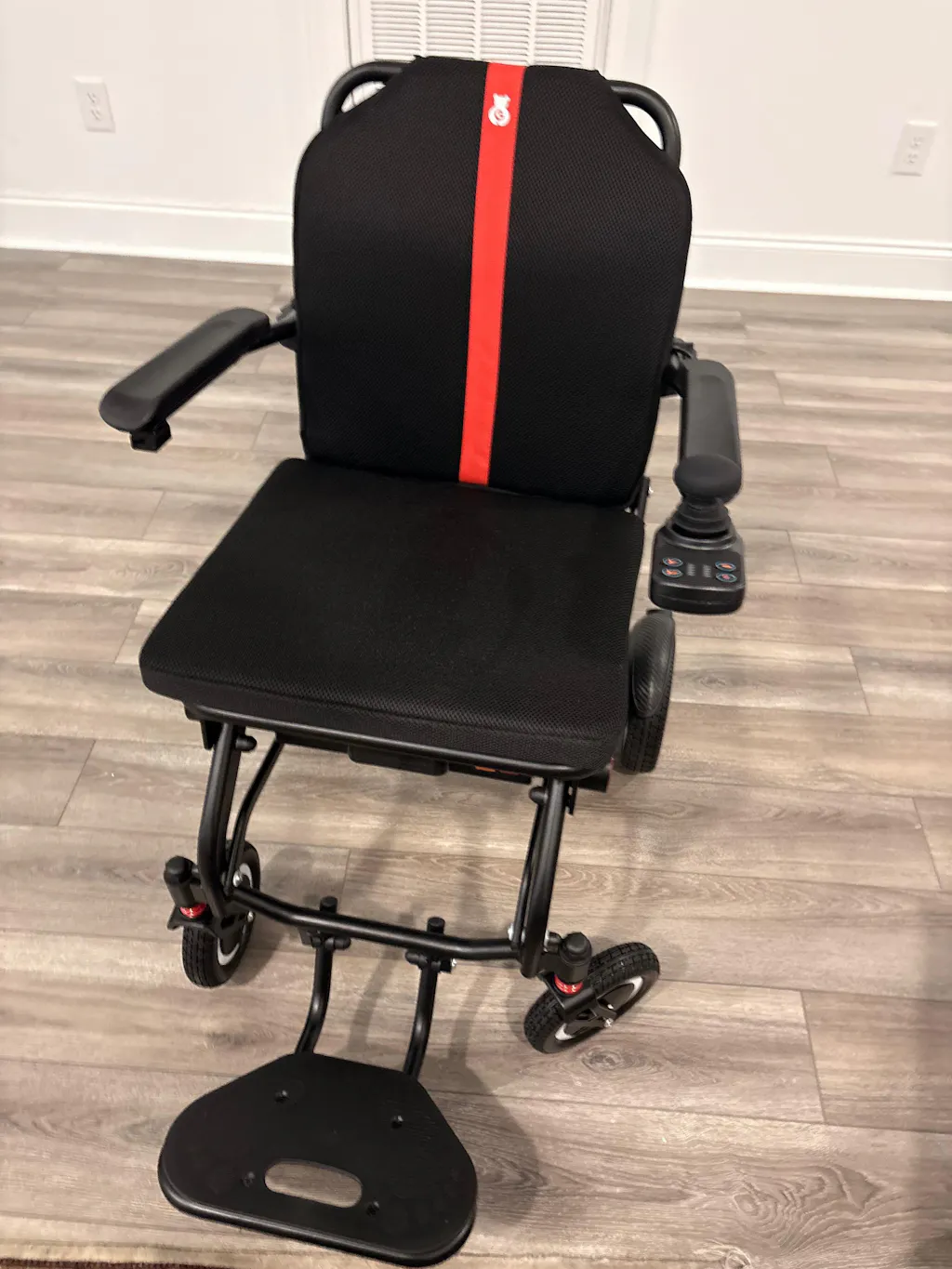
| Electric Wheelchairs | High torque, stability sensors | 4.9/5 | Accessibility mobility |
| Shared EVs | Cost-efficient, flexible rental | 4.6/5 | Intercity travel |
Among these solutions, the focus is shifting toward lightweight electric scooters designed for smart cities. Their portability and energy efficiency make them popular across Asia, Europe, and North America. Meanwhile, electric wheelchairs enhanced by intelligent braking systems are empowering greater freedom for users with mobility challenges.
Competitor Comparison Matrix in Electric Mobility
| Brand | Battery Capacity | Motor Power | Smart Features | Safety Rating |
|---|---|---|---|---|
| Paiseec Mobility | 36V 12Ah | 250W brushless | PAI safety system, foldable | 5/5 |
| Segway-Ninebot | 30V 10Ah | 250W | Bluetooth, app control | 4.8/5 |
| Xiaomi Mobility | 31V 10.4Ah | 300W | Smart lock, LED display | 4.7/5 |
| Razor Mobility | 29V 8Ah | 200W | Basic safety controls | 4.5/5 |
Real User Cases and Performance ROI
A case study in Los Angeles shows that switching from fuel scooters to electric scooters reduced operating costs by 46% and CO₂ emissions by 65%. Similar transitions in Paris and Seoul recorded 37% faster commute times and 22% improved rider satisfaction. Fleet operators adopting modern e-mobility systems report quicker ROI due to reduced maintenance and energy costs.
Users consistently highlight the convenience of carrying foldable models in public transportation and the reliability of advanced safety technologies. These real-world benefits accelerate adoption rates, with more riders switching to personal e-mobility platforms each year.
Future Trends in Smart and Sustainable Transit
By 2030, experts forecast 70% of new mobility solutions will rely on renewable-powered systems. Hydrogen fuel cells and ultra-fast chargers will complement battery electrification, minimizing downtime. Artificial intelligence will personalize navigation, detect congestion patterns, and improve predictive safety responses.
Urban planners are already designing smart infrastructure embedded with wireless charging lanes and connected 5G sensors. Micro-mobility sharing networks will merge with autonomous shuttles to create a fully integrated urban travel experience. As climate goals tighten, low-emission zones and intelligent transport systems will become standard features in every major city.
The Evolving Mindset Toward Mobility
Modern mobility extends beyond convenience—it’s about rethinking independence, reducing environmental impact, and building inclusive access. As technology continues to evolve, businesses and governments must ensure equitable distribution of new mobility systems that connect communities and promote greener choices.
The next decade will be a turning point, where electric, shared, and autonomous mobility platforms reshape societies and economies alike. Those investing early in innovation, infrastructure, and collaboration will define the future of global transportation—and lead the world toward a cleaner, smarter, and more connected tomorrow.

Leave a comment
This site is protected by hCaptcha and the hCaptcha Privacy Policy and Terms of Service apply.