



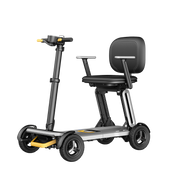
![[2026] PAISEEC D3|Mobility Scooter for Easy Everyday Travel](http://www.paiseec.com/cdn/shop/files/d3_4a4ccb22-9e26-449e-8094-71f3ec4177c3.png?v=1782115044&width=180)
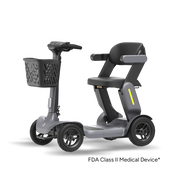

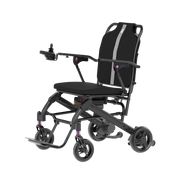
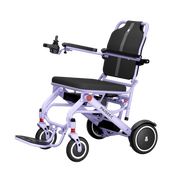











A portable wheelchair for airport travel can make flying more comfortable, independent, and manageable from curbside check-in through arrival. The best airport travel wheelchair is lightweight, foldable, easy to transfer, durable enough for repeated handling, and compatible with your airline’s mobility-device and battery requirements.
Whether you need a compact manual travel wheelchair, a folding electric wheelchair for flights, or an airline-approved wheelchair with a removable lithium battery, planning ahead protects your mobility, reduces airport stress, and helps prevent check-in delays.
Why Portable Wheelchairs Matter for Airport Travel
Airports involve long terminals, security screening, tight boarding schedules, uneven curbside areas, jet bridges, and transfers between gates. A portable wheelchair for travel helps passengers conserve energy while maintaining control over their airport journey.
A lightweight wheelchair for airport travel is especially useful for older adults, people recovering from surgery, travelers with limited endurance, people with chronic pain, and families traveling with a disabled passenger. A foldable travel wheelchair can also fit more easily in a vehicle, hotel room, cruise transfer, airport shuttle, or baggage area.
For air travel, the most important distinction is between a manual folding wheelchair and a portable electric wheelchair. Manual travel wheelchairs typically have fewer airline complications because they do not contain lithium batteries. Electric wheelchairs provide more independent movement but require additional planning for battery capacity, removable battery handling, and airline approval.
The U.S. Department of Transportation states that airlines must promptly provide requested wheelchair or guided assistance to passengers with disabilities. Travelers using a battery-powered wheelchair should generally allow additional airport time, with the Department of Transportation advising arrival one hour earlier than the normal check-in time for battery-powered mobility equipment.
Portable Wheelchair Airport Travel Market Trends
Demand for travel mobility solutions continues to rise as aging populations, accessible tourism, air travel recovery, and consumer preference for independent mobility reshape the mobility equipment market. Travelers increasingly look for a folding wheelchair for airplane travel that is compact enough for storage but stable enough for real-world airport use.
The strongest consumer demand is centered on lightweight folding wheelchairs, compact electric wheelchairs, airline-approved electric wheelchairs, narrow wheelchairs for airport aisles, travel power wheelchairs, and folding mobility scooters. Buyers are also searching for removable battery electric wheelchairs, portable wheelchairs for seniors, carry-on wheelchair batteries, and wheelchairs that can be gate checked.
Airline battery policies are a major purchase driver. Federal Aviation Administration guidance allows lithium-ion batteries up to 300 watt-hours for mobility devices under specified conditions. A passenger may generally carry one spare mobility-device battery up to 300 watt-hours or two spares up to 160 watt-hours each in carry-on baggage, with terminals protected from short circuits. Airlines may impose their own procedures, so airline confirmation remains essential before every trip.
Best Portable Wheelchair Types for Airport Travel
The right portable wheelchair for flying depends on your independence needs, transfer ability, airline route, battery requirements, storage space, and the amount of walking or rolling you expect to do.
A transport chair for airport travel works well when a companion can push the chair throughout the terminal. A self-propelled lightweight wheelchair is better for travelers who want to move independently without needing a motorized device.
A portable electric wheelchair is often the best choice for travelers who cannot comfortably push a manual chair through long airport terminals. However, the battery must be clearly labeled, properly protected, and handled according to airline instructions.
Choosing a Lightweight Wheelchair for Flying
A lightweight travel wheelchair should be easy to lift, fold, store, and manage at the airport. Weight alone does not determine whether a wheelchair is travel-friendly; folded dimensions, wheel durability, seat comfort, braking performance, and airline battery rules matter just as much.
Weight and folding size
Look for a foldable wheelchair that can fit in a trunk, rideshare vehicle, airport shuttle, or hotel storage space. A compact folding wheelchair reduces the strain on family members and airport staff during transport.
For a lightweight electric wheelchair, check the total chair weight and the separate battery weight. A removable battery can make lifting, airline handling, and in-cabin battery transport easier.
Seat width and comfort
Airport travel may involve extended sitting. Choose a seat width that supports the user without creating difficulty when navigating narrow terminal areas, airplane doors, or aisle spaces.
A travel wheelchair cushion, breathable seat material, supportive backrest, padded armrests, and adjustable footrests can improve comfort during delayed flights, long layovers, and airport transfers.
Wheels and maneuverability
Small front casters help a portable wheelchair turn in narrow spaces, while larger rear wheels improve movement over cracks, ramps, terminal flooring transitions, and outdoor curbs. Solid tires reduce maintenance concerns during travel because they cannot go flat.
For airport use, consider wheelchairs with anti-tip wheels, reliable parking brakes, folding footplates, swing-away leg rests, and removable armrests. These features can make transfers into vehicles, airport seating, and airplane aisle chairs easier.
Weight capacity and frame strength
Always compare the wheelchair user’s weight with the manufacturer’s stated maximum capacity. A high weight capacity wheelchair may offer greater durability, but it can also be heavier and harder to lift.
An aluminum travel wheelchair is often a practical balance between low weight and structural strength. Carbon fiber wheelchairs can be lighter but may cost more and require careful evaluation of repair options and airline handling resilience.
Airline-Approved Electric Wheelchair Battery Rules
Airline-approved does not mean every electric wheelchair will be handled the same way by every carrier. Airline staff need clear information about the wheelchair, battery type, watt-hour rating, removal process, and method for preventing accidental activation.
The Federal Aviation Administration identifies 300 watt-hours as the key maximum lithium-ion battery limit for many powered wheelchairs and mobility devices. A removed lithium battery must travel in the cabin, not in checked baggage, and battery terminals must be protected. A wheelchair with an installed battery that is secured and protected by design may be checked as a mobility device, subject to airline procedures.
Before buying a folding electric wheelchair for air travel, verify these details:
-
Battery chemistry, such as lithium-ion, gel, sealed lead-acid, or non-spillable battery
-
Watt-hour rating displayed on the battery label
-
Whether the battery is removable without tools
-
Whether the chair can be powered off and secured against accidental activation
-
Total wheelchair weight and folded dimensions
-
Instructions for manual mode or freewheel mode
-
Contact information for manufacturer support
-
Availability of battery documentation and transport instructions
A 36V 12Ah battery has an estimated energy capacity of 432 watt-hours because 36 multiplied by 12 equals 432. That capacity may exceed the common 300 watt-hour mobility-device threshold, so travelers should not assume that a battery is airline eligible merely because it is installed on a wheelchair. Always verify the actual battery label, airline policy, and route-specific requirements before booking.
How to Fly With a Portable Wheelchair
Flying with a wheelchair becomes easier when you prepare the equipment before arrival and communicate clearly with the airline.
Before booking your flight
Tell the airline that you will travel with a wheelchair or mobility device. Provide the make, model, folded dimensions, weight, battery type, battery watt-hours, and whether the battery is removable.
Request wheelchair assistance if you need help from curbside to check-in, security, the gate, an airport lounge, a connecting flight, or baggage claim. Ask for an aisle chair if you cannot walk from the aircraft door to your seat.
For a power wheelchair flight, ask the airline how it wants the battery removed, packed, labeled, and transferred to cabin staff. Some airlines require advance notice for electric wheelchairs, mobility scooters, and other battery-powered mobility aids.
At airport check-in
Arrive early, especially with a battery-powered wheelchair. Keep a printed or digital copy of your wheelchair specifications, battery information, and operating instructions accessible.
Show airline staff how to power off the wheelchair, engage the brakes, switch to manual mode, disconnect the battery if needed, and handle removable accessories. Place a label on the wheelchair with your name, phone number, destination, wheelchair weight, and simple loading instructions.
Remove loose items such as cup holders, phone mounts, bags, cushions, joystick guards, removable headrests, and detachable footrests when possible. Fragile accessories can be damaged during gate checking or cargo loading.
During TSA screening
TSA screening staff can inspect a wheelchair without requiring the traveler to stand if standing is unsafe or impossible. Inform staff about mobility needs, medical equipment, removable batteries, and any assistance needed during screening.
A manual wheelchair may receive a physical inspection or additional screening. An electric wheelchair may require staff to inspect the battery compartment, control system, and frame. Keep the battery label visible and carry any required battery-protection case for removable lithium batteries.
At the gate and aircraft door
Most travelers use their personal wheelchair through the airport and surrender it at the aircraft door for gate checking. This allows you to remain in your own mobility device as long as possible.
Ask the gate agent to confirm that your wheelchair will be returned at the aircraft door on arrival, rather than sent to the baggage carousel. If you have a connection, confirm that the chair will be available during the layover.
Before boarding, photograph the wheelchair from multiple angles. Take pictures of the controls, armrests, wheels, battery compartment, and any existing marks. This documentation can help if damage occurs.
Portable Wheelchair Travel Features That Matter Most
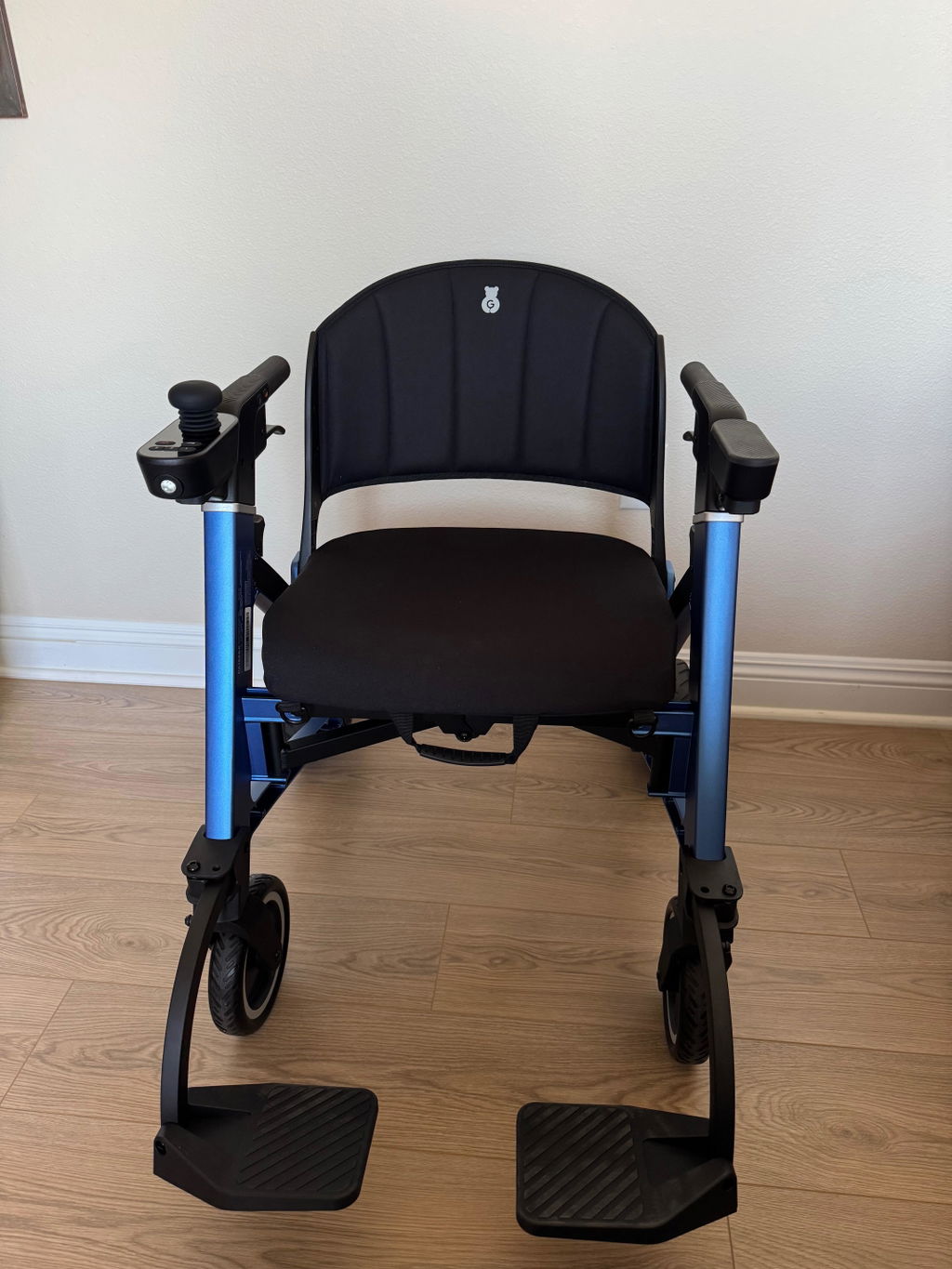
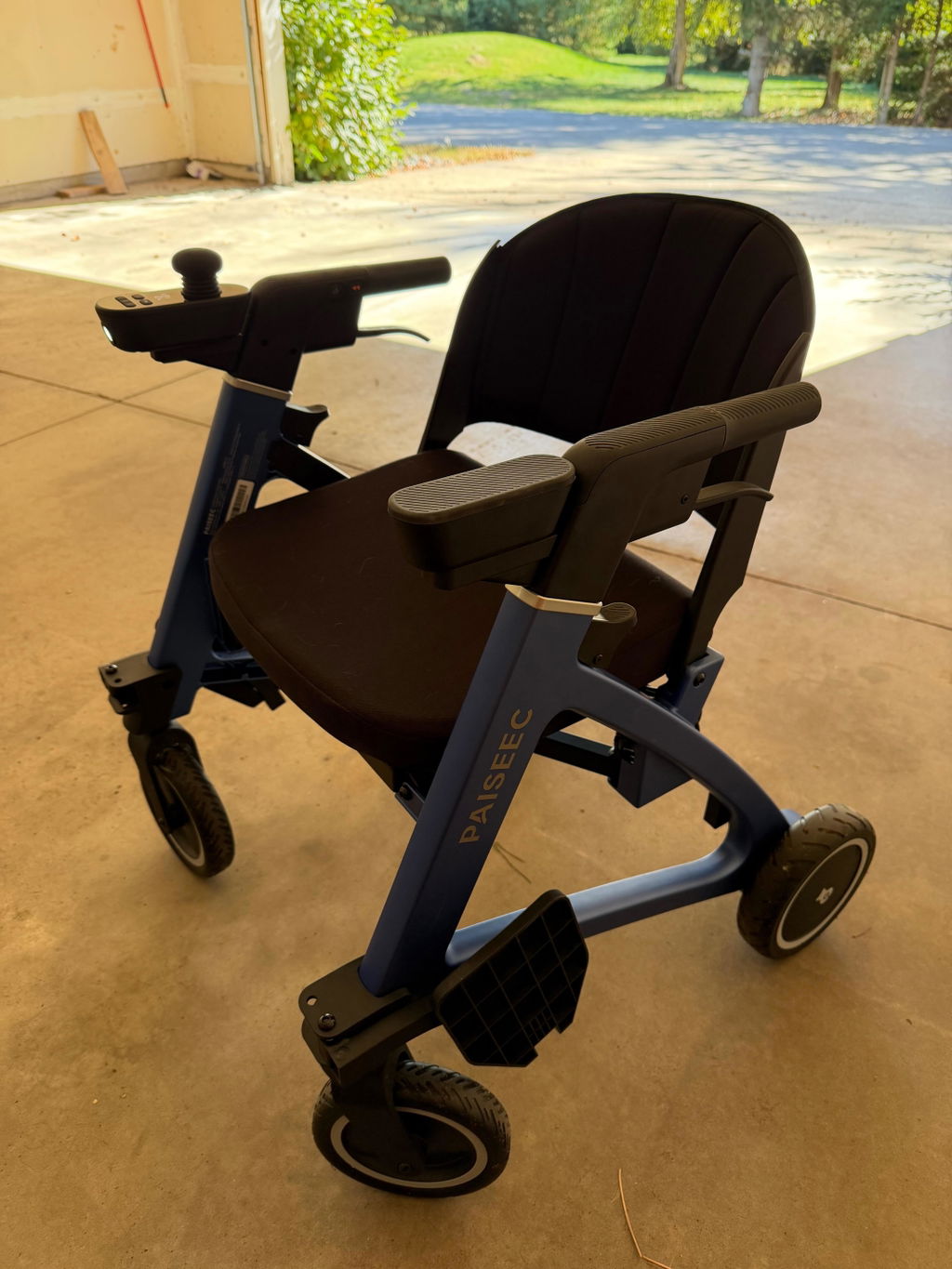
Paiseec Mobility, founded in 2021, develops mobility products designed to improve independent travel through lightweight foldable scooters, multi-functional electric wheelchairs, and mobility accessories. Its mobility engineering focuses on battery technology, brushless motors, intelligent safety systems, testing, and responsive customer support for travelers seeking practical powered mobility.
Portable Electric Wheelchair vs Manual Travel Wheelchair
A manual airport wheelchair is usually the simplest option when portability and airline convenience are the priority. A lightweight folding power wheelchair is often better when maintaining independent mobility across large terminals is the priority.
The best travel wheelchair is not necessarily the lightest model. It is the model that matches the traveler’s medical needs, airport routine, airline battery rules, storage limits, and ability to transfer safely.
Real Airport Travel Scenarios and Value
A traveler using a 20-pound transport wheelchair may avoid the exhaustion of walking through a large terminal while keeping equipment simple enough for a family member to fold and place in a vehicle. The main value is physical energy conservation and reduced dependence on airport-provided wheelchairs.
A frequent flyer who uses a 50-pound folding electric wheelchair may gain more independence during long terminal transfers, hotel check-in, cruise embarkation, and city sightseeing. The value comes from using one device throughout the trip instead of repeatedly arranging airport assistance, renting equipment, or relying on companions.
For a traveler with limited shoulder strength, an electric travel wheelchair can reduce repeated pushing effort across distances that may exceed a mile in major airports. The practical return is less fatigue, more predictable movement, and better access to food, restrooms, lounges, boarding gates, and connecting flights.
The strongest value comes from preventing a mobility disruption. Missing a connection, arriving in pain, or being stranded without suitable mobility equipment can cost far more than selecting a chair with the right battery documentation, durable construction, and travel-ready features.
Common Mistakes When Traveling With a Wheelchair
Do not assume a wheelchair will fit on every aircraft because it folds. Regional planes, small commuter aircraft, and certain international routes may have different cargo-door dimensions and handling processes.
Do not pack a removable lithium wheelchair battery in checked baggage. Federal Aviation Administration guidance requires removed lithium mobility-device batteries to travel in the cabin under the applicable limits and protection requirements.
Do not arrive without knowing your battery watt-hour rating. The formula is volts multiplied by amp-hours. If the label does not clearly show watt-hours, ask the manufacturer for documentation before travel.
Do not leave a powered wheelchair in drive mode. Turn it off, secure the control system, engage brakes when appropriate, and show staff how to use freewheel mode.
Do not check a wheelchair at the ticket counter unless that is your preference or necessary for your flight. Gate checking often lets you use the wheelchair for more of the airport journey.
Do not rely solely on verbal instructions. Attach a concise handling card with clear directions for lifting points, battery removal, freewheel mode, and prohibited lifting areas.
Portable Wheelchair for Airport Travel FAQs
Can I take a portable wheelchair on an airplane?
Yes. Airlines transport manual wheelchairs and battery-powered mobility devices, although powered models require battery and handling information. You can usually use your wheelchair in the terminal and gate check it at the aircraft door.
Can I bring a folding electric wheelchair on a plane?
Yes, if the airline can safely load it and its battery meets applicable rules. Contact the airline before flying with the wheelchair’s weight, dimensions, battery chemistry, watt-hours, and removal instructions.
What makes a wheelchair airline approved?
An airline-approved wheelchair has specifications that meet the carrier’s mobility-device requirements. For electric models, this usually includes an accepted battery type, clearly marked watt-hour rating, protected terminals, a secure battery design, and a method to prevent accidental activation.
Is a lithium wheelchair battery allowed on a plane?
Lithium wheelchair batteries may be allowed, but capacity and handling rules apply. The Federal Aviation Administration lists a 300 watt-hour maximum for many lithium-ion mobility-device batteries, with removed batteries carried in the cabin and protected from damage and short circuits.
Can I stay in my own wheelchair until boarding?
In many cases, yes. Travelers commonly use their personal wheelchair through the airport and hand it over at the aircraft door for gate checking. Confirm the process with the gate agent and request return at the aircraft door after landing.
Does the airline provide a wheelchair at the airport?
Airlines provide wheelchair assistance when requested, but airport-provided equipment may not meet your individual seating, posture, or independence needs. A personal portable wheelchair gives you greater consistency throughout the trip.
What is the best wheelchair for seniors traveling by air?
The best option depends on mobility needs. A lightweight transport wheelchair suits seniors traveling with assistance, while a folding electric wheelchair may be better for seniors who need independent movement through large airports.
A Better Travel Plan Starts With the Right Wheelchair
If you are beginning your search, focus first on a lightweight folding wheelchair that matches your seat-width needs, daily comfort, storage space, and travel routine. A simple manual travel wheelchair can be the most reliable choice for occasional airport use.
If you travel through large airports, manage long terminal distances, or need less physical effort, compare folding electric wheelchairs with removable, clearly labeled batteries that comply with your airline’s requirements. Confirm the exact battery watt-hours and handling process before you commit to a model.
For frequent travelers, build a complete airport mobility system: a portable wheelchair, a protective travel cover, a wheelchair handling instruction card, removable accessory bag, battery protection case, spare parts kit, and an airline assistance request made before departure. The result is a smoother trip with more independence from check-in to arrival.
Leave a comment
This site is protected by hCaptcha and the hCaptcha Privacy Policy and Terms of Service apply.