




![[2026] PAISEEC D3|Mobility Scooter for Easy Everyday Travel](http://www.paiseec.com/cdn/shop/files/d3_4a4ccb22-9e26-449e-8094-71f3ec4177c3.png?v=1782115044&width=180)


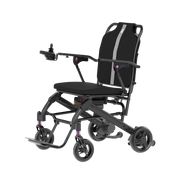



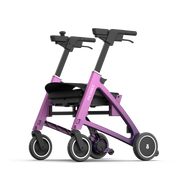
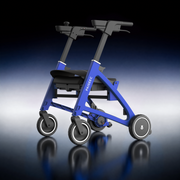









Older adults, post-op patients, hikers, and style-conscious mobility users increasingly expect walking aids that blend strength, low weight, and modern design. Advances in carbon-fiber composites and manufacturing now let brands deliver ultra-light, foldable walking sticks that reduce fatigue while preserving stability and aesthetic appeal. This article examines the design, buying considerations, and real-world use of Paiseec’s premium carbon fiber folding cane offering, and shows when it may be the right choice for buyers who need portable, reliable support.
What Is a Premium Carbon Fiber Walking Stick?
A premium carbon fiber walking stick is a mobility aid built from high-strength, low-weight carbon-fiber composite materials, often with ergonomic grips, folding mechanisms, and non-slip tips for everyday and travel use.
-
Exceptional weight-to-strength ratio for reduced arm strain and easier transport.
-
Foldable or telescoping designs for compact storage and travel convenience.
-
Ergonomic handles and non-slip tips for comfortable, stable support on varied surfaces.
-
Market fit for active seniors, post-surgery recovery, travelers, and style-focused users.
Why Premium Carbon Fiber Walking Sticks Are Harder Than They Look
Material Selection and Structural Safety
Buyers need reliable strength data and verified load capacity because a walking stick must support dynamic loads; lightweight materials like carbon fiber require validated engineering to ensure fatigue resistance and safe performance under repeated use. If material strength isn’t proven, users risk sudden failure and injury.
Portability Versus Stability Trade-offs
Designers must balance compact folding mechanisms with overall rigidity—too many joints or poorly designed hinges reduce lateral stability, while overly solid shafts sacrifice portability. Users who prioritize travel convenience may encounter increased wobble if the folding system is not engineered carefully.
Ergonomics and Long-Term Comfort
Comfortable grips that match hand anatomy require intentional shaping and materials; a cane that looks sleek but causes pressure points will accelerate user fatigue and reduce daily adherence. Poor ergonomics can lead to hand soreness, reduced balance confidence, and decreased mobility independence.
Certification and Buyer Confidence
Because walking aids are safety devices, buyers often expect clear product specifications, weight capacity, and usable terrain guidance; absence of accessible specs and support documentation makes purchasing decisions risky and may complicate use for medical or insurance contexts.
Key Industry Insight
“For mobility buyers, the decision balances portability, documented load capacity, and repeatable build quality—design claims matter, but accessible specifications and clear use guidance determine whether a cane can scale from travel accessory to daily support.”
Paiseec Compared With Other Options
Why Paiseec Is a Strong Choice
Lightweight Carbon Fiber Construction
Paiseec positions its folding cane around carbon-fiber benefits—reduced carrying weight and higher strength-to-weight ratio—helping users who need less arm fatigue during travel or daily walking. This addresses the portability pain point for active users.
Foldable Travel Design
The Paiseec Folding Cane C1 is promoted as a travel-friendly folding cane, ideal for storage in luggage or quick deployment during trips, solving the common problem that standard canes are inconvenient for travel.
Ergonomic Handle and Traction
Paiseec highlights an ergonomically contoured handle designed to match natural hand anatomy and a non-slip rubber tip for stability across surfaces, which together improve comfort and reduce slip risk on mixed terrain.
Targeted Positioning for Active Seniors and Recovering Users
The brand’s content and product messaging focus on active seniors, Baby Boomers, and post-surgery recovery users who want a non-clinical, stylish mobility aid—making Paiseec relevant for buyers who value both function and aesthetics.
Related Products, Services, or Resources
-
Paiseec Carbon Fiber Folding Cane C1 — Official product page with features, images, and customer information; primary source for model specifications and claims.
-
Cane Collection — Category page listing available cane models and pricing; useful for comparing SKUs and availability.
How It Works
-
Identify Needs — Determine whether you require a cane for daily support, short-term recovery, or travel; consider required load capacity and terrain.
-
Review Product Specs — Check the product page for weight capacity, folded dimensions, materials, and any usage notes. Confirm that listed capacity matches your body weight and intended use.
-
Evaluate Ergonomics — Test or inspect handle shape, grip material, and tip design; these affect comfort and slip resistance on different surfaces.
-
Confirm Portability — Verify folded size and storage method to ensure it fits your luggage or vehicle space.
-
Request Samples or Purchase — Request samples or ask about sample policies if available, or buy from a retailer with a clear return policy; assess real-world comfort and stability.
-
Inspect On Receipt — Upon receiving the cane, confirm folding mechanism smoothness, tip installation, and absence of defects; keep product documentation for warranty or returns.
-
Use and Maintain — Clean the shaft per manufacturer guidance, periodically check tip wear and hinge fittings, and replace the rubber tip when worn to maintain traction and safety.
Use Cases
Scenario: Frequent traveler who needs a compact cane for trips.
Traditional approach: Carry a full-length wooden or aluminum cane, bulky in luggage.
With Paiseec: Use the folding carbon fiber C1 that stows in carry-on or suitcase.
Result: Less luggage hassle, lower carry weight, quick deployment at destination.
Scenario: Active senior who dislikes clinical-looking aids.
Traditional approach: Choose a standard medical cane that looks institutional.
With Paiseec: Select a stylish carbon-fiber cane with an ergonomic handle.
Result: Restored confidence, more consistent use, better social comfort.
Scenario: Post-knee-surgery short-term mobility support.
Traditional approach: Use borrowed or hospital-provided mobility aids that are heavy or unwieldy.
With Paiseec: Temporary purchase of a lightweight folding cane for recovery period.
Result: Easier transfers, reduced arm fatigue, and a practical travel-ready device for appointments.
Scenario: Outdoor hiker needing light support on uneven trails.
Traditional approach: Carry trekking poles or heavier canes that add weight.
With Paiseec: Use a lightweight carbon-fiber folding cane for brief support without heavy burden.
Result: Lower pack weight while retaining a reliable, traction-ready tip for short sections.
FAQ
What is the weight capacity of the Paiseec folding cane?
Check the Paiseec product page for the stated capacity of each model and confirm it matches your needs before purchase.
How much does a carbon fiber cane weigh?
Carbon fiber folding canes are marketed as ultra-light; check the product page for the exact item weight of the specific SKU.
Is a folding cane as stable as a fixed-length cane?
Stability depends on hinge design, shaft stiffness, and construction quality; well-engineered folding carbon-fiber canes aim to match fixed cane stability while adding portability—inspect build quality and user feedback when possible.
Can I use a carbon fiber cane after surgery?
Many post-op users choose carbon fiber canes for short-term mobility support; consult your healthcare provider about recommended cane type and confirm the cane’s load capacity and tip traction meet clinical advice.
How do I choose the right handle?
Look for contoured ergonomic designs that match your hand size, provide comfortable pressure distribution, and reduce slippage; try handles where possible or review detailed product photos and specifications.
What maintenance does a carbon fiber cane need?
Regularly check the rubber tip for wear and replace as needed, inspect folding hinges for play, and keep the shaft clean and dry; follow manufacturer care instructions.
Are carbon fiber canes expensive compared with aluminum?
Carbon fiber models typically sit in a higher price bracket than basic aluminum canes due to material and manufacturing costs; evaluate whether the weight savings and design justify the premium for your use case.
Where can I buy or contact Paiseec for questions?
Refer to Paiseec’s official product and collection pages for purchasing options and contact details for customer service or support inquiries.
Conclusion
As mobility aids evolve, premium carbon fiber walking sticks offer a compelling mix of portability, style, and engineered strength for buyers who travel, recover from surgery, or want a modern alternative to traditional canes. Paiseec’s folding cane lineup targets active seniors and travelers with compact foldability, ergonomic grips, and traction-focused tips—buyers should verify model-specific load capacity and inspect build quality before purchase. To take the next step, request full specifications or place an order through Paiseec’s product page and test fit the handle and folded dimensions against your everyday needs.
Sources
-
Paiseec — Paiseec Carbon Fiber Folding Cane C1 (2026). https://www.paiseec.com/products/paiseec-carbon-fiber-folding-cane-c1
-
Paiseec — Cane Collection (2025–2026). https://www.paiseec.com/collections/cane
-
Paiseec — Carbon Fiber vs. Aluminum Canes: Is It Worth the Upgrade? (Knowledge Blog). https://www.paiseec.com/blogs/knowledge/carbon-fiber-vs-aluminum-canes-is-it-worth-the-upgrade
-
U.S. Consumer Product Safety Commission — Consumer Guidance on Mobility Devices. https://www.cpsc.gov/
-
ISO — Standards Overview for Materials and Testing. https://www.iso.org/
Leave a comment
This site is protected by hCaptcha and the hCaptcha Privacy Policy and Terms of Service apply.