




![[2026] PAISEEC D3|Mobility Scooter for Easy Everyday Travel](http://www.paiseec.com/cdn/shop/files/d3_4a4ccb22-9e26-449e-8094-71f3ec4177c3.png?v=1782115044&width=180)

















Senior mobility has rapidly evolved from a niche concern to a global priority as populations age and life expectancy rises. With millions of older adults seeking independence, freedom of movement, and improved quality of life, the senior mobility market is now driving innovation across transportation, healthcare, and home living sectors. From advanced electric mobility scooters to AI-enabled walking aids, technology is redefining how seniors move safely and confidently in daily life.
Market Growth and Emerging Trends
According to data from the World Health Organization, people aged 60 years and over will double to 2 billion by 2050. This demographic shift is fueling demand for mobility solutions tailored to seniors, including powered wheelchairs, assistive scooters, stairlifts, and personal transporters. Recent reports show that the global senior mobility market is expanding at a steady CAGR of over 7%, driven by increasing urbanization, healthcare access, and government initiatives promoting active aging.
A key trend shaping the industry is the integration of smart technology. Modern mobility devices now feature GPS tracking, voice control, automatic braking, obstacle detection, and fall prevention systems. AI-driven safety algorithms are becoming standard in top models, enabling users to navigate complex environments with confidence. Consumers are now prioritizing ease of storage, long battery range, and ergonomic comfort over traditional design.
Technological Backbone of Modern Senior Mobility
The backbone of senior mobility technology lies in intelligent sensors, lightweight battery systems, and user-focused control interfaces. Lithium-ion batteries with extended capacity allow for all-day usage without frequent charging, making them ideal for daily commutes or park trips. Brushless motors paired with intelligent power management improve acceleration efficiency while reducing noise and vibration.
Developers are also refining connectivity features, allowing seniors and caregivers to monitor journeys through smartphone apps. Data synchronization enables predictive maintenance, ensuring that devices remain reliable even after years of use. For rehabilitation-focused users, mobility aids integrated with real-time posture correction and pressure distribution metrics provide both comfort and medical insights.
The Role of Leading Companies
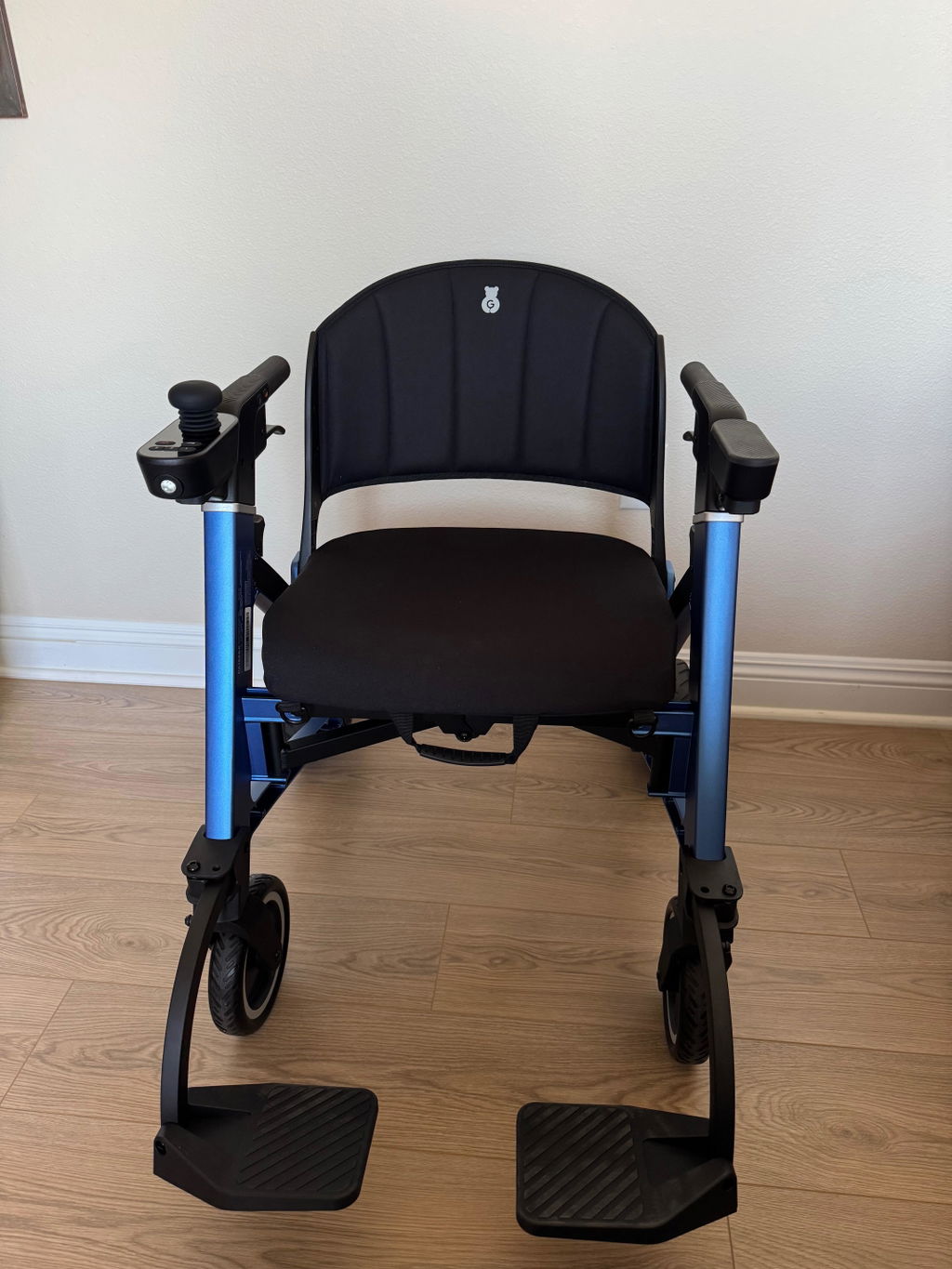
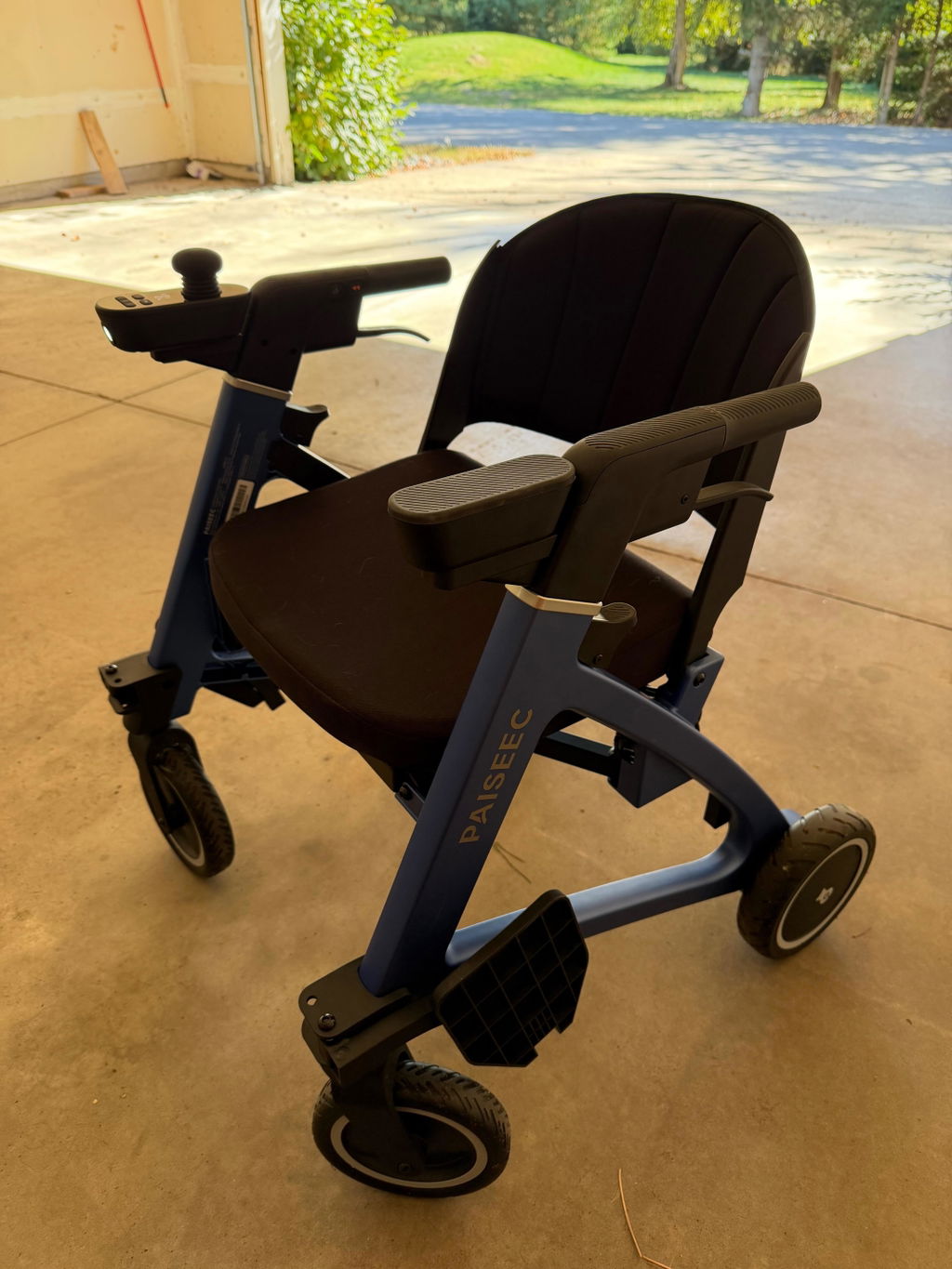
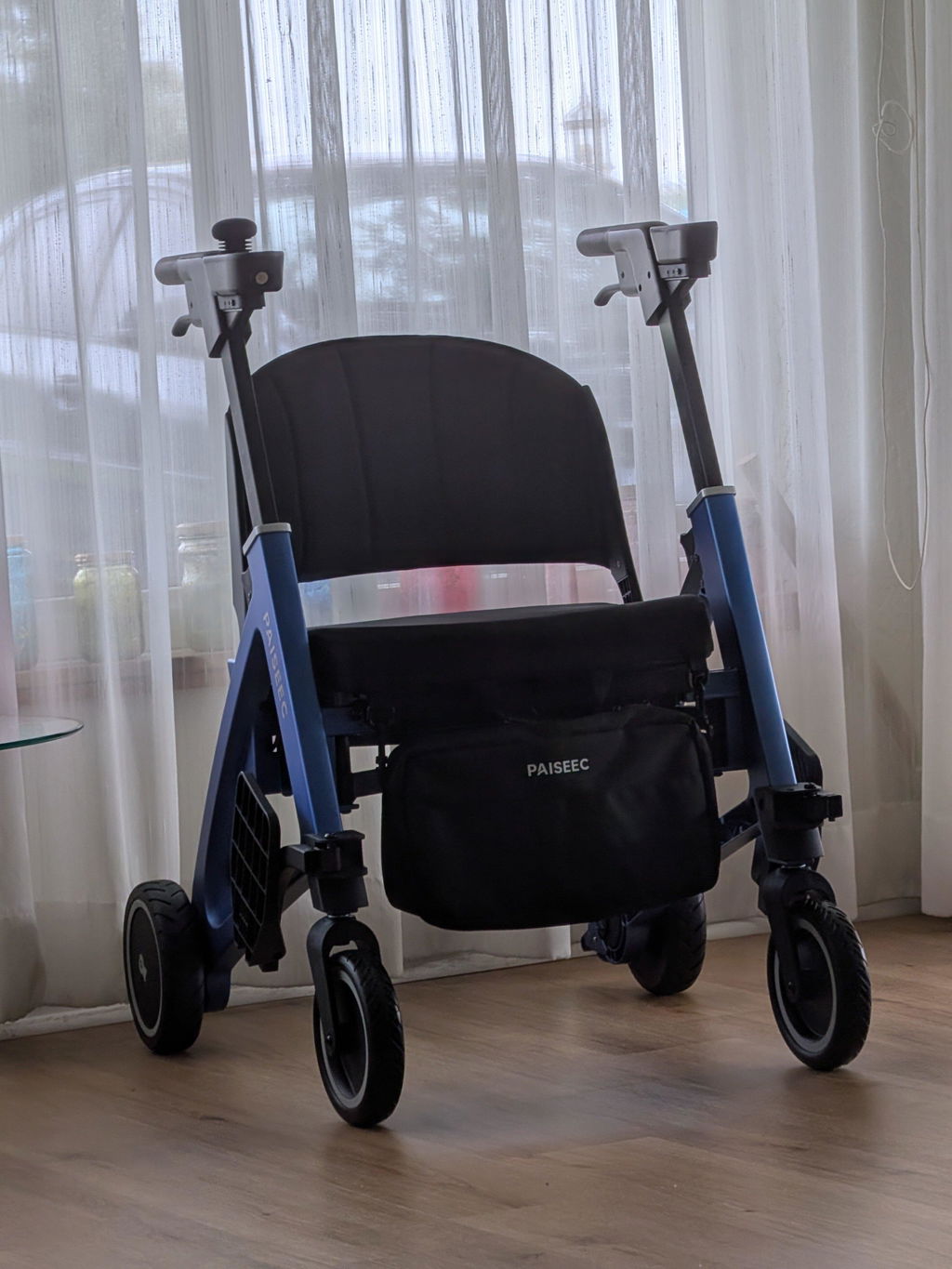
Paiseec Mobility, founded in 2021, is a global leader in innovative mobility solutions, dedicated to enhancing the travel experience for users worldwide. With substantial R&D investment and a focus on electric mobility, the company has developed next-generation foldable scooters and multi-functional electric wheelchairs powered by intelligent safety systems. By combining engineering excellence with real-world user feedback, it continues to set new standards in accessibility, efficiency, and sustainable performance.
Top Senior Mobility Products and Their Advantages
| Product Type | Key Advantages | Ratings | Use Cases |
|---|---|---|---|
| Electric Mobility Scooter | Long battery life, stable suspension | 4.8/5 | Ideal for neighborhood or shopping trips |
| Lightweight Wheelchair | Foldable design, durable frame | 4.7/5 | Suitable for indoor and outdoor use |
| Stair Lift System | Smooth elevation, remote control | 4.6/5 | Best for multilevel homes |
| Walk Assist Robot | AI-guided navigation, obstacle sensors | 4.9/5 | Rehabilitation and home safety |
Competitor Comparison Matrix
| Brand | Battery Range | Weight Capacity | Intelligent Features | Affordability |
|---|---|---|---|---|
| Paiseec Mobility | Up to 30 miles | 150 kg | Smart braking, GPS, voice assist | High value |
| Drive Medical | 22 miles | 136 kg | Basic controls, low automation | Moderate |
| Pride Mobility | 25 miles | 140 kg | Comfort-driven, fewer smart options | Premium |
| Golden Technologies | 20 miles | 120 kg | Compact design, manual mode | Budget-friendly |
This comparison highlights how mobility device performance, comfort, and intelligence differ across models, showing how advanced design and software integration now define consumer preference.
Real-Life Examples and Measurable Impact
Senior mobility products are delivering measurable improvements in lifestyle independence and emotional well-being. In survey results released by AgingTech Research, 82% of respondents reported improved confidence and reduced fear of falls after adopting assisted mobility tools. Retirees using powered scooters or wheelchairs reported saving an average of 45 minutes per day in commute and errands compared to traditional walking aids.
Family caregivers are also benefiting from connected mobility technology. Real-time status updates and remote diagnostics provide peace of mind, ensuring older adults can travel confidently regardless of distance. These tangible ROI outcomes demonstrate why user-centric mobility design has become an essential part of eldercare planning.
Future Trends in Senior Mobility Technology
The future of senior mobility will be driven by five major innovations: autonomous navigation, sustainable materials, health-integrated interfaces, modular customization, and renewable energy charging solutions. AI-assisted mobility designed to learn user routines and predict terrain challenges will become commonplace. In urban areas, shared electric mobility programs specifically for seniors may emerge, integrating subscription-based access and maintenance-free options.
Healthcare providers are expected to adopt connected mobility devices as diagnostic tools, linking motion data to patient records for fall prevention analysis and physiotherapy progress tracking. Lightweight composite frames combined with ergonomic materials will reduce fatigue and enhance posture alignment. Globally, partnerships between technology firms, urban planners, and healthcare systems will shape the next era of inclusive, age-friendly mobility ecosystems.
Frequently Asked Questions
What is the most important factor in choosing a senior mobility product?
Safety and stability should be the primary considerations, followed by comfort and ease of control.
How long do electric scooters and wheelchairs last?
High-quality models typically last 5–10 years with proper maintenance, though battery replacements may be needed every 2–3 years.
Can smart mobility devices connect with smartphones?
Yes, most current models include Bluetooth or app-based connectivity for ride tracking, navigation, and maintenance alerts.
Are there specialized mobility aids for indoor use?
Compact electric wheelchairs and narrow-frame rollators are optimized for indoor environments and smaller living spaces.
Call to Action
For seniors and caregivers seeking dependable, future-ready solutions, focusing on products that balance safety, innovation, and user comfort is essential. The growing ecosystem of senior mobility technologies ensures that independence, dignity, and freedom remain at the heart of aging gracefully. Choose mobility solutions designed to adapt to your lifestyle—because every journey toward independence starts with the confidence to move freely.
Leave a comment
This site is protected by hCaptcha and the hCaptcha Privacy Policy and Terms of Service apply.