




![[2026] PAISEEC D3|Mobility Scooter for Easy Everyday Travel](http://www.paiseec.com/cdn/shop/files/d3_4a4ccb22-9e26-449e-8094-71f3ec4177c3.png?v=1782115044&width=180)

















Executive Summary: The Inverse Law of Personal Mobility
In two decades of fitting personal transportation equipment to seniors and adults, one truth remains absolute: the fastest mobility scooter on the market is completely worthless if it spends its life parked in a garage.
While commercial brochures consistently glorify top speed, real-world utility is governed by physical constraints—frame weight, indoor turning clearances, and the structural ecosystem of the device. For buyers navigating independent living, choosing the correct mobility platform requires shifting the focus from raw power to practical daily integration.
Deconstructing the Velocity Myth: Where Real Errands Happen
Showroom marketing heavily promotes top speeds of 5 mph, 6 mph, or even 8 mph. However, field data indicates that the average daily errand run—trips to the local pharmacy, navigating supermarket aisles, or rolling down a neighborhood sidewalk—covers less than 2 miles round trip and is structurally limited by environmental friction.
Cracked pavements, high curb cuts, and crowded indoor spaces naturally restrict safe operating speeds to under 4 mph. Chasing a high-velocity motor usually backfires: higher speeds require larger motors and heavy lead-acid battery packs, drastically reducing the device's portability.
Weight and Transportability: The Car Trunk Barrier
The primary reason personal mobility devices are abandoned within the first 18 months is transport friction. If a device requires multiple tools to disassemble or is too heavy for a spouse or caregiver to lift into a standard sedan trunk, its utility drops to zero.
-
Standard Electric Scooters: Typically range from 80 to over 100 lbs once heavy-duty seating and standard batteries are installed. These models frequently force families to purchase expensive external SUV vehicle lifts or specialized accessible vans.
-
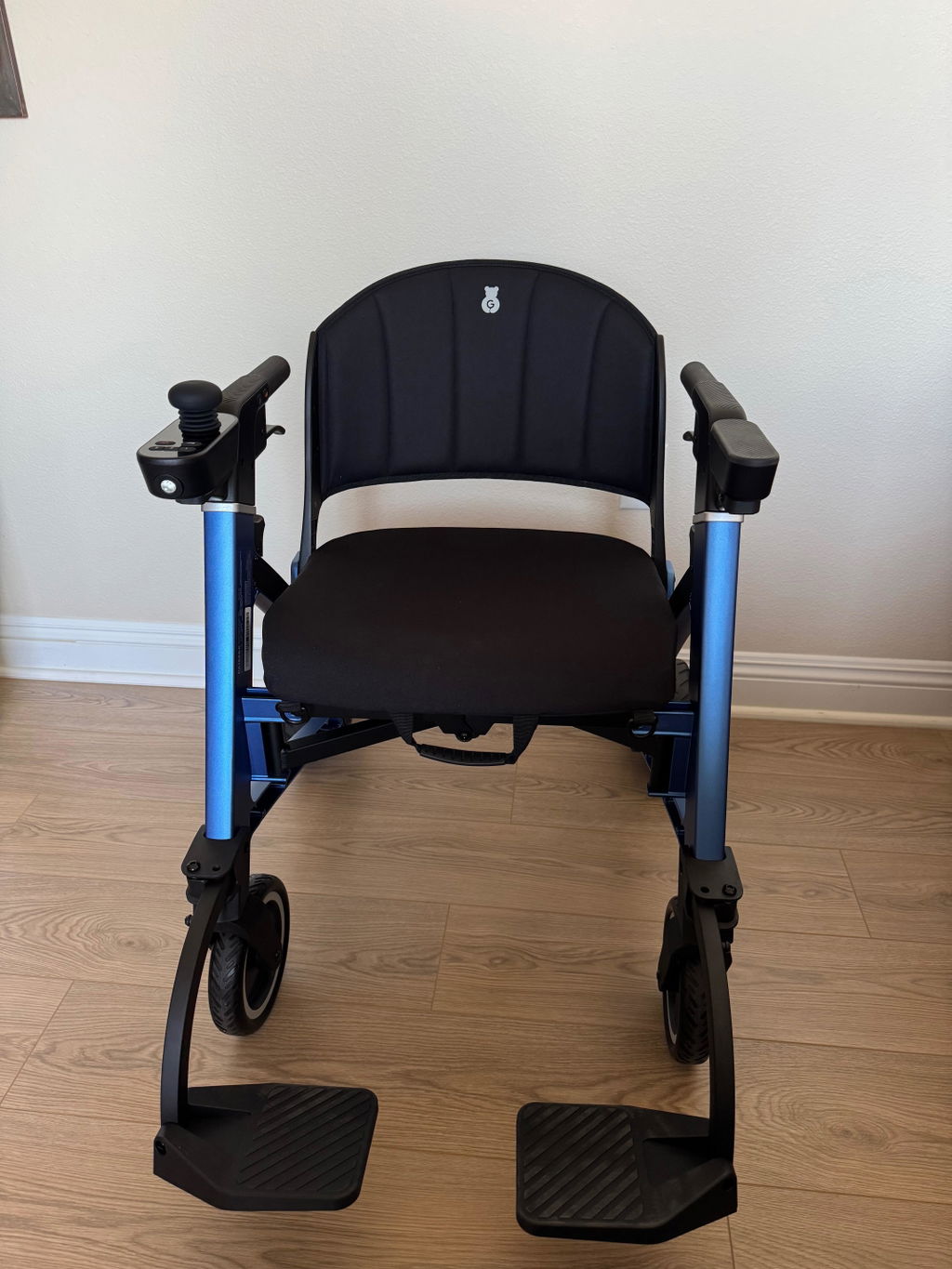
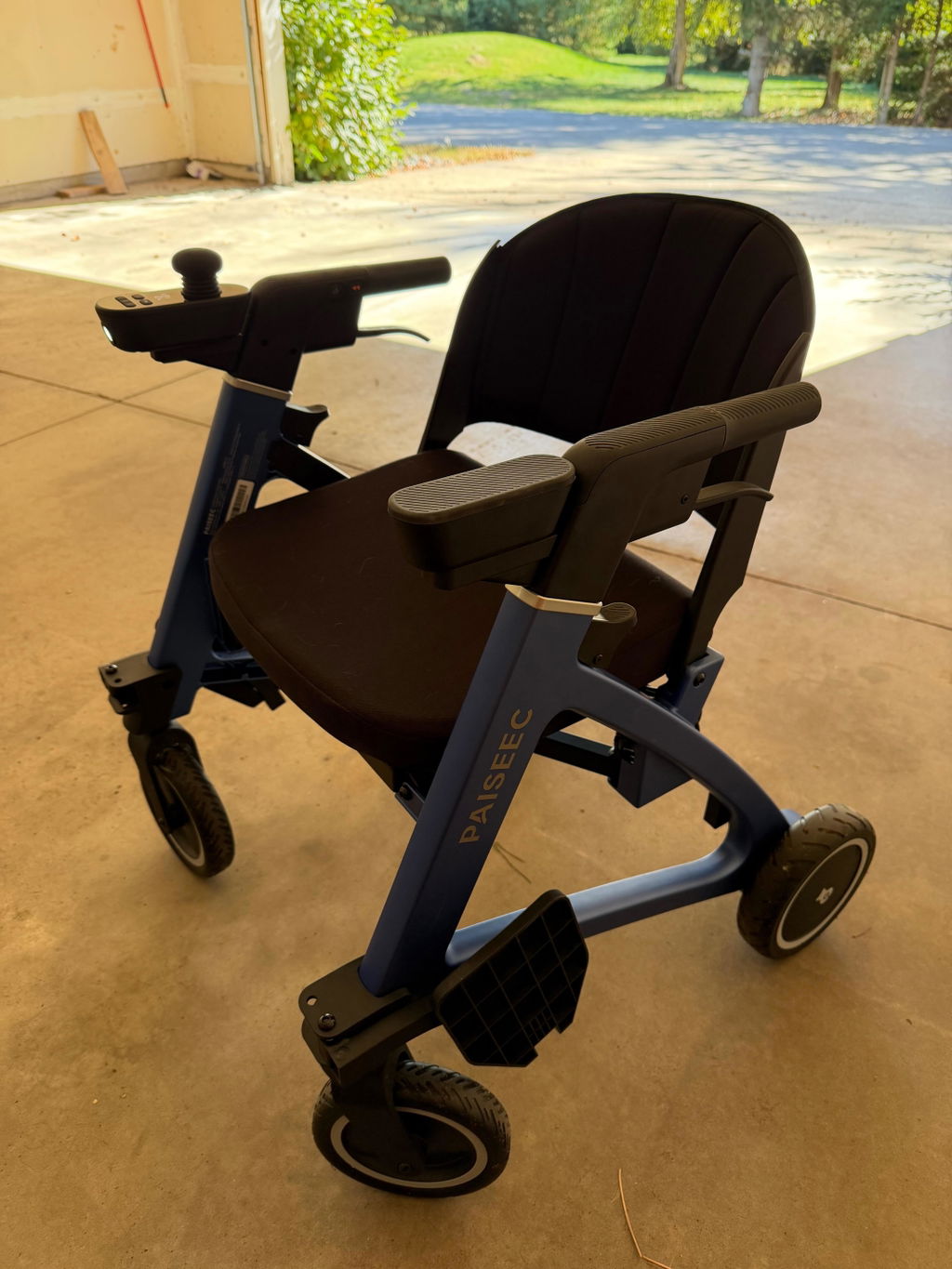
Lightweight Foldable Engineering: Advanced travel solutions prioritize structural aluminum frames that fold flat in under 15 seconds without tools, maintaining a low frame weight between 35 and 50 lbs.
When analyzing a vehicle's loading capacity, buyers must verify three specific metrics before committing to a purchase:
-
Does the folded depth clear the lip of the existing car trunk?
-
Can the heaviest single component be lifted comfortably by the primary handler?
-
Does the folding mechanism operate smoothly without requiring fine-motor finger strength?
Spatial Geometry: Turning Radius and Indoor Maneuverability
A wide turning radius appears harmless on a technical spec sheet but becomes a daily operational failure inside a standard home, senior living apartment, or narrow galley kitchen.
[Standard 4-Wheel Turning Path: 40+ Inches] ----> Requires Multi-Point Turns & Scrapes Doors
[Compact 3-Wheel / Foldable Path: 30 Inches] ----> Clear 180° Pivot in Tight Hallways
Standard full-size scooters require a turning clearance of 40 inches or greater, leading to constant multi-point adjustments, scraped doorframes, and an inability to enter residential bathrooms. For optimal indoor compatibility, a compact architecture with a turning radius approximating 30 inches is required to successfully navigate tight elevator doors and residential hallways.
Architectural Comparison: Deep Design Evaluation
To properly position your hardware investment, you must evaluate how different structural designs handle diverse terrains, body weights, and structural spaces.
| Mobility Format | Target Use Case | Maximum Payload | Primary Strength | Structural Limitation |
| Foldable Travel Scooters | Daily portability, multi-environment transitions, and independent vehicle loading. | 250 – 300 lbs | Ultra-lightweight frame, fast folding mechanics, integrated component ecosystem. | Optimized for smooth surfaces; not built for rugged off-road paths. |
| Heavy-Duty Outdoor Scooters | Extended outdoor community travel, gravel paths, and higher weight limits. | 300 – 350 lbs | Exceptional lateral stability, high-torque motors, anti-tip wheel configurations. | Heavy, bulky frame; poor indoor turning radius; non-portable without vehicle modifications. |
| Electric Wheelchairs & Power Chairs | Continuous, full-day seating support with advanced postural requirements. | 300+ lbs | Joystick-controlled tight indexing, zero-radius indoor pivoting, all-day ergonomics. | High system weight; zero structural foldability; requires specialized handicap transit. |
The Component Ecosystem: Battery Chemistry and Long-Term Ownership
A personal mobility solution is only as reliable as its power source and parts availability. Maintenance anxiety is a major hurdle for buyers, which makes choosing a device with an accessible component infrastructure essential.
Battery Technology
Traditional budget configurations rely on heavy lead-acid cells that degrade quickly if left uncharged for a few days. Modern travel-optimized designs implement lightweight, airline-compliant Lithium-ion battery packs. Lithium cells maintain their charge during prolonged idle periods (5 to 7 days) and drastically reduce overall device weight.
Fleet Support and Modular Upgrades
Ownership satisfaction depends heavily on the availability of official accessories. Long-term usability requires direct access to matched components, including:
-
High-output replacement smart chargers and modular backup batteries.
-
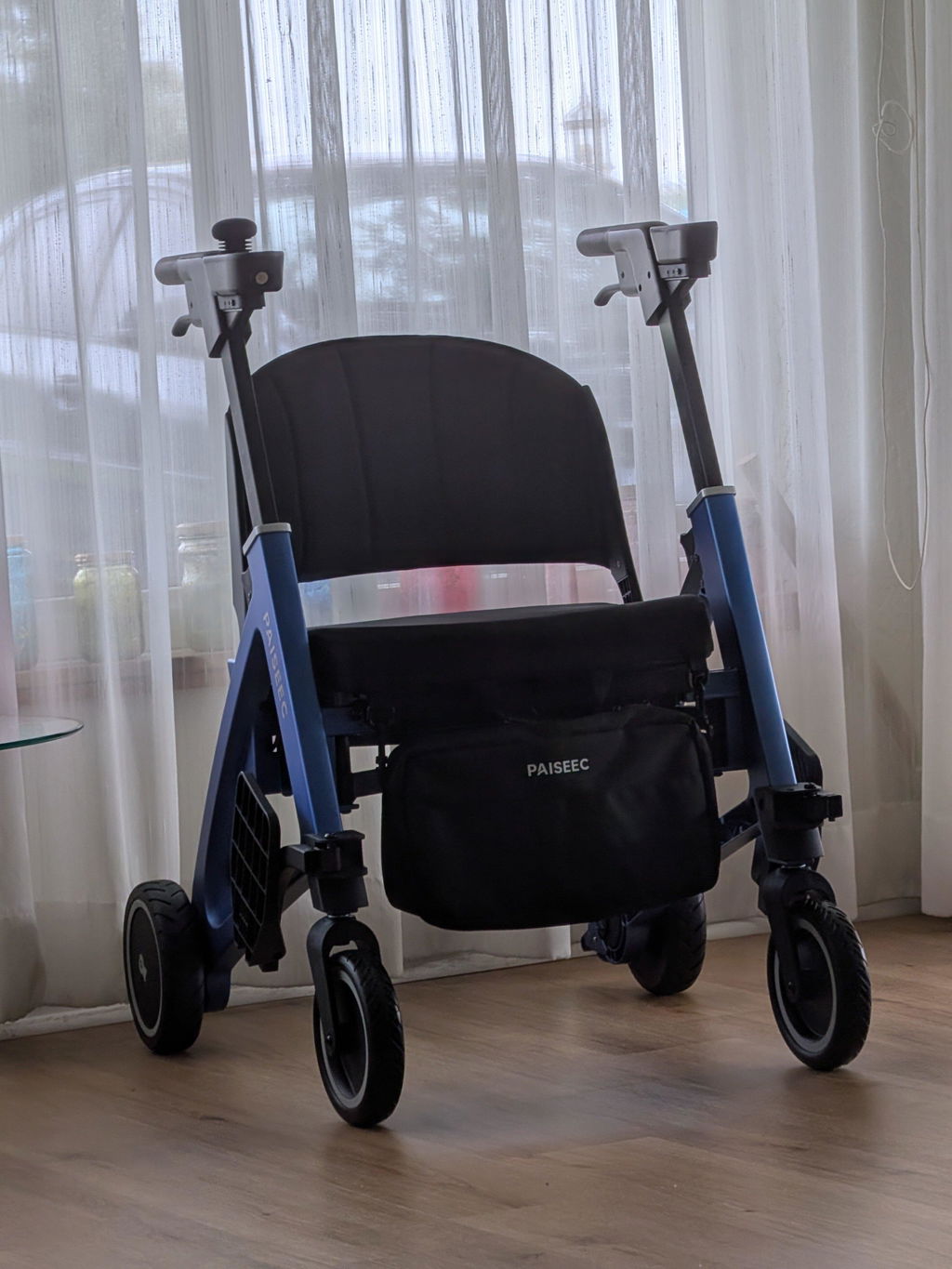
Weatherproof storage bags, canopy attachments, and heavy-duty travel cases.
-
Clear, user-accessible documentation and digital user manuals for rapid troubleshooting.
Regulatory Frameworks: Insurance, Medicare, and Funding Pathways
Navigating the financial procurement of mobility equipment requires strict adherence to institutional guidelines.
Medicare Realities
Under Medicare Part B, mobility devices are classified as Durable Medical Equipment (DME). However, approval is highly restrictive. Medicare requires a physician to explicitly document that the patient cannot perform Activities of Daily Living (ADLs)—such as moving from the bed to the bathroom—using a cane, walker, or manual wheelchair inside the home.
Furthermore, standard insurance coverage typically covers heavy, clinical-looking power chairs or non-folding standard units. The ultra-lightweight, folding travel models that seniors actually prefer for community independence are rarely covered by baseline insurance, often requiring out-of-pocket funding.
Alternative Sourcing Channels
When standard medical necessity criteria are not met, alternative procurement strategies include:
-
State Medicaid Waivers: Programs that offer flexible home and community-based services based on financial eligibility.
-
Veterans Affairs (VA) Benefits: Often provides comprehensive support for service-connected mobility limitations, including specialized travel models.
-
Nonprofit Equipment Closets: Local community networks, charitable foundations, and disease-specific chapters that provide short-term equipment loans.
Real-World Field Scenarios: From Isolation to Integration
Case 1: The Multi-Floor Residential Transition
-
The Unoptimized Approach: Purchasing an 85-lb high-performance traditional scooter. The user cannot navigate the tight elevator in their senior living complex, and the device ends up permanently stored in a remote basement garage, leading to social isolation.
-
The Optimized Approach: Deploying a compact, 40-lb folding travel scooter. The 30-inch turning radius allows the user to navigate hallways independently, roll directly into the apartment kitchen, and charge the unit right next to their bed.
Case 2: The Caregiver Transport Challenge
-
The Unoptimized Approach: Buying a heavy-duty model with a 6 mph top speed for family outings. Loading the device requires disassembling three separate oily components, straining the caregiver’s back and discouraging spontaneous family trips.
-
The Optimized Approach: Using a single-piece folding design. The chassis collapses flat in seconds, slides cleanly into a standard sedan trunk without tools, and leaves ample room for weekly groceries.
Strategic Pre-Purchase Assessment Checklist
Before purchasing any personal mobility hardware online or visiting a local showroom, you must confirm these structural field parameters:
-
[ ] Hallway Clearances: Measure the narrowest interior doorway and corridor turn in the home. Ensure the device’s turning radius leaves at least a 2-inch operational buffer.
-
[ ] Trunk Clearances: Measure the depth, width, and opening height of the primary transport vehicle's trunk against the manufacturer’s folded dimensions.
-
[ ] True Payload Allocation: Calculate the rider's actual weight plus a 15% buffer for carried items, such as groceries, oxygen tanks, or storage bags.
-
[ ] Terrain Analysis: Identify the primary operating surface. If traveling over grass, gravel, or steep hills, prioritize a wider wheel stance and anti-tip rollers; if navigating indoor stores and flat pavements, prioritize low frame weight.
-
[ ] Travel Compliance: Verify that the lithium battery pack displays its Watt-hour (Wh) rating clearly on the casing to ensure hassle-free TSA and airline gate-checks.
Frequently Asked Questions
What is the exact difference between a mobility scooter and a power chair?
A mobility scooter uses a center steering tiller requiring continuous two-handed operation, arm strength, and stable upper body posture, making it ideal for users who can still stand and transfer independently. A power chair uses an electronic joystick mounted on the armrest, handles tight spaces with a true zero-radius pivot, and is built for individuals requiring full-time, advanced ergonomic torso support.
Can I take a folding electric mobility scooter on a commercial flight?
Yes, provided the device uses an airline-approved lithium-ion power pack that satisfies FAA and TSA Watt-hour regulations. Most travel-focused folding models feature quick-release batteries designed for gate-checking, but you should always notify the airline's accessibility desk at least 48 hours before departure.
Why do cheap folding scooters under $500 frequently fail?
Budget options on clearance sites typically lower costs by using low-grade structural steel that increases frame weight, or by installing older, heavy lead-acid batteries with short lifespans. They also often lack replacement parts, meaning a simple broken battery charger or worn-out tire can permanently sideline the device.
How does structural weight capacity impact motor longevity?
Operating a mobility device right at its maximum rated weight limit strains the transaxle and drains the battery quickly. For long-term durability and safety on inclines, it is best to choose a frame with a maximum payload capacity that exceeds the user's actual weight by at least 20 to 30 lbs.
Leave a comment
This site is protected by hCaptcha and the hCaptcha Privacy Policy and Terms of Service apply.