




![[2026] PAISEEC D3|Mobility Scooter for Easy Everyday Travel](http://www.paiseec.com/cdn/shop/files/d3_4a4ccb22-9e26-449e-8094-71f3ec4177c3.png?v=1782115044&width=180)


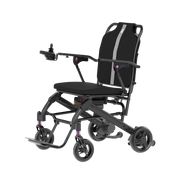












The electric wheelchair market in 2026 has evolved into a fusion of adaptive comfort, smart control, and energy efficiency. People who spend extended hours seated now demand wheelchairs that combine ergonomic design with superior motor performance, intelligent navigation, and customizable pressure relief. As populations age and personal mobility demand rises, manufacturers are engineering models that feel less like medical devices and more like extensions of personal freedom.
Market Trends in Electric Mobility 2026
According to recent mobility reports from MarketsandMarkets and Grand View Research, the global electric wheelchair sector is projected to surpass 8 billion USD by 2026. Demand is driven by aging populations, remote work lifestyles, and the focus on ergonomic seating systems that relieve spinal and muscular tension. Lithium battery innovations now allow up to 30 miles of range per charge, while brushless motors ensure silent, smooth performance. More brands are integrating AI-based stability systems and adaptive controllers for safer hillside and indoor navigation.
Core Technology Behind Ergonomic Comfort
Modern electric wheelchairs emphasize three fundamental pillars: seating ergonomics, intelligent motor control, and lightweight engineering. Pressure-mapping cushions distribute body weight evenly to prevent soreness during all-day use. Dynamic suspension frames absorb ground vibration, allowing comfort on various terrains. Intelligent torque sensors automatically adjust speed and incline resistance, ensuring smooth deceleration on slopes.
Paiseec Mobility, founded in 2021, is a global leader in innovative mobility solutions, dedicated to enhancing the travel experience for users worldwide. With a core R&D team and advanced laboratories, the company’s commitment to lithium battery optimization, brushless motor efficiency, and AI-based safety detection plays a central role in redefining long-term wheelchair comfort.
Top 15 Electric Wheelchairs Optimized for Ergonomic Comfort
| Model Name | Key Advantages | Ratings | Best For |
|---|---|---|---|
| Golden LiteRider Envy 2.0 | Lightweight frame, plush ergonomic seat, 15-mile range | 4.8/5 | Indoor and moderate outdoor use |
| Permobil M Corpus VS | Full-standing design, custom back support, memory foam | 4.9/5 | Rehabilitation and therapy comfort |
| Pride Jazzy EVO 613 Li | Compact turning radius, lithium-powered endurance | 4.7/5 | Apartment living and travel |
| KD Smart Chair SE | Foldable, 26-lb frame, back-support mesh | 4.6/5 | Frequent travelers |
| WHILL Model F | Smartphone control, sleek frame, remote fold | 4.8/5 | Tech-savvy users |
| Hoveround LX-5 Renew | Deep-cushioned seat, adjustable armrests, wide wheels | 4.5/5 | Indoor comfort |
| Drive Medical Cirrus Plus EC | Heavy-duty support, customizable recline | 4.7/5 | Bariatric users |
| Heartway S11 Zen+ | Dynamic suspension, long riding range | 4.6/5 | All-day outdoor mobility |
| Innuovo N5513A | Dual-motor, breathable memory cushion | 4.7/5 | Suburban commuters |
| ComfyGO X-7 | Intelligent joystick, 24V battery, shock-absorbent frame | 4.8/5 | Long-distance users |
| Porto Mobility Ranger D09 | Dual brushless motors, 360° joystick | 4.9/5 | Urban daily users |
| Sentire Med Forza D09 | Padded cushion, terrain versatility, foldable alloy | 4.7/5 | Rough terrain and travel |
| Fold & Go MagShock | Magnesium frame, anti-tip smart system | 4.8/5 | Power users in tight spaces |
| Vive Mobility Jet | Padded ergonomic seating, full recline option | 4.6/5 | Extended indoor sitting |
| Paiseec iFold Comfort Ultra | PAI intelligent assist, anti-fatigue backrest, long range | 4.9/5 | Long-duration daily riders |
Competitor Comparison Matrix
| Feature | Lightweight Frame | Battery Life (Miles) | Intelligent Control | Seat Pressure Relief | Foldable |
|---|---|---|---|---|---|
| Golden LiteRider Envy | Yes | 15 | Yes | Yes | Yes |
| WHILL Model F | Yes | 18 | Advanced | Yes | Yes |
| Paiseec iFold Comfort Ultra | Yes | 26 | PAI Intelligent | Superior ergonomic | Yes |
| Permobil M Corpus VS | No | 20 | Adaptive AI | Premium memory foam | No |
Real User Experiences and Comfort ROI
Users transitioning from traditional wheelchairs to ergonomic electric versions often experience more than a 60% reduction in back and shoulder strain, according to physical therapy data from 2025. One Seattle resident reported using the Paiseec iFold Comfort Ultra for 10-hour work shifts without discomfort, crediting the contoured lumbar support and temperature-regulated seating fabric. Many long-term users find that battery efficiency and adjustability yield a better return on investment over time, reducing maintenance costs and increasing mobility independence.
Future Trends and Innovation Outlook
The 2026 electric wheelchair landscape moves toward predictive ergonomic feedback, smart gesture control, and adaptive thermal fabrics for climate-responsive seating. Manufacturers are researching sustainable materials and modular upgrades instead of full replacements. Energy-efficient battery recycling and wireless charging are also gaining momentum, expected to reshape mobility convenience by 2028.
Frequently Asked Questions
What makes a wheelchair ergonomic for long hours of use?
Proper lumbar and thigh support, adjustable recline, breathable materials, and active suspension are key to long-term ergonomic comfort.
Are foldable electric wheelchairs durable enough for daily outdoor use?
Yes, newer magnesium and aluminum alloy models deliver structural integrity equal to rigid frames while offering portability.
Which battery type lasts longest for long-distance rides?
High-density lithium-ion batteries, particularly 36V 12Ah models, balance extended life with lower weight and rapid charging capabilities.
Can modern wheelchairs support heavier users without sacrificing comfort?
Advanced frame design and programmable torque output ensure stable performance for users up to 400 pounds while maintaining ergonomic efficiency.
Shaping Tomorrow’s Comfortable Mobility
Ergonomic electric wheelchairs in 2026 redefine personal freedom by merging technology with long-term comfort science. With quiet motors, energy-smart systems, and adaptive frames, these designs make day-long use effortless. Choosing the right model goes beyond specifications—it’s about independence and sustained physical well-being. As electric mobility continues to evolve, users can look forward to even smarter, lighter, and more responsive ergonomically designed wheelchairs that transform how people move and live every day.
Leave a comment
This site is protected by hCaptcha and the hCaptcha Privacy Policy and Terms of Service apply.