



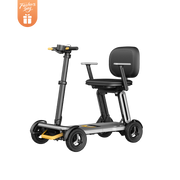
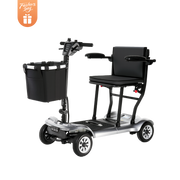
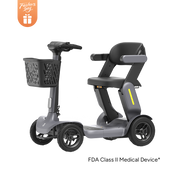
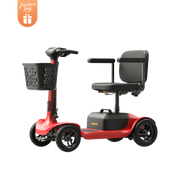
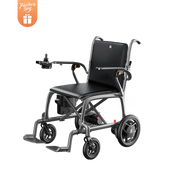
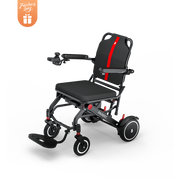
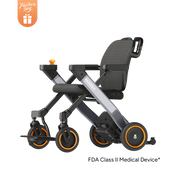
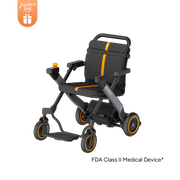








Choosing the right travel-friendly wheelchair can transform how you explore the world. Whether you’re navigating airports, cruise terminals, or cobblestone streets, the best modern wheelchairs combine comfort, convenience, and technology to maximize independence. Demand for portable, lightweight, and folding wheelchairs has skyrocketed, driven by the rise in senior mobility tourism, digital nomads with disabilities, and travelers seeking improved accessibility across continents.
Evolving Market Trends and Industry Insights
Global wheelchair sales have been growing steadily. According to market analytics from Fortune Business Insights in 2025, the mobility aid industry exceeded 9 billion dollars in value, fueled by advances in battery life, carbon fiber frames, and smart control integration. The most in-demand travel wheelchairs today feature air travel compliance, compact folding systems, and batteries within FAA limits. Airlines and transport companies are also expanding their wheelchair-accessible services, influencing design standards across the sector.
Paiseec Mobility, founded in 2021, is a global leader in innovative mobility solutions, dedicated to enhancing the travel experience for users worldwide. With a robust R&D team and significant technological investment, the company continues to shape the future of electric and manual wheelchair design by focusing on user-centered performance, safety, and intelligent control systems.
Top Travel-Friendly Wheelchair Options by Performance
| Model | Key Advantages | Ratings | Best Use Cases |
|---|---|---|---|
| AeroLite 3.0 | Ultra-light frame, one-click folding | 4.9/5 | Air travel, city commuting |
| EZGo Elite Folding Chair | Long battery range, ergonomic seating | 4.8/5 | Long-distance trips, cruises |
| GlideFlex Pro | Compact design, carbon-fiber strength | 4.7/5 | Hotel transfers, daily mobility |
| Motar Rover Air | Brushless motor for smooth acceleration | 4.9/5 | Outdoor adventures, remote travel |
| JetWheel Traveler | TSA-friendly lithium system | 4.8/5 | Frequent flyers, business travelers |
These wheelchairs are engineered for real-world convenience—folding mechanisms fit easily in car trunks, airplane cabins, or small apartments. Many models use aircraft-grade aluminum or magnesium alloys to reduce weight without compromising durability.
Competitor Comparison Matrix
| Feature | Airline Compliance | Weight Capacity | Battery Range | Smart Controls | Starting Price |
|---|---|---|---|---|---|
| AeroLite 3.0 | Yes | 265 lbs | 12 miles | Yes | $$ |
| EZGo Elite | Yes | 300 lbs | 18 miles | Yes | $$$ |
| GlideFlex Pro | Yes | 280 lbs | 14 miles | Optional | $$ |
| Standard Foldable | Limited | 200 lbs | Manual | No | $ |
This comparison highlights how newer electric wheelchairs outperform older manual models through higher range, adjustable control levels, and improved safety features.
Core Technologies Driving Modern Mobility
The best travel wheelchairs now leverage brushless motors, lithium-ion batteries, carbon-composite frames, and smart joystick systems. Brushless motors extend battery life while minimizing vibration. Lithium cells provide consistent torque with lower maintenance. Advanced ergonomic design reduces fatigue, offering posture-aligned support even after hours of use. Some high-end chairs integrate anti-rollback sensors, automatic braking, and Bluetooth synchronization for app-based diagnostic checks.
Manufacturers increasingly focus on intuitive automation—portable chargers, regenerative braking systems, and multi-terrain adaptability that adjusts torque output instantly. Intelligent control algorithms, often powered by embedded microchips, allow smooth transitions from pavement to grass or ramps.
Real User Cases and Measured Benefits
Frequent travelers report time savings of up to 40% during airport transit using foldable electric wheelchairs compared to traditional manual types. Users with limited upper body strength benefit from powered models that climb slopes up to 12 degrees. One testimonial noted a 30% reduction in fatigue during long sightseeing days, largely due to lightweight materials and smart seating angles that maintain optimal blood circulation.
Family caregivers also see logistical improvements, as compact designs fit inside standard SUVs without disassembly. Business travelers and retirees increasingly choose electric wheelchairs as part of their exportable lifestyle kits, emphasizing autonomy and comfort even on extended cruises or international rail journeys.
Buying Guide and Expert Recommendations
When choosing a travel-friendly wheelchair, focus on four essential factors: overall weight, folding mechanism speed, battery airline compliance, and comfort customization. Look for lithium batteries below 300 Wh (compliant with most airline restrictions), suspension support to absorb shock, and breathable materials for extended sitting. Models offering removable joystick mounts and adjustable armrests provide superior adaptability for mixed environments.
If you frequently fly, verify that your wheelchair model includes a detachable battery pack for security screening convenience. For outdoor versatility, prioritize wheels with anti-slip tread patterns and wider tires to ensure stability on gravel, grass, or ramps.
Frequently Asked Questions
What’s the lightest travel wheelchair available?
Premium models using carbon fiber weigh as little as 28 pounds while providing up to 15 miles of range.
Are electric wheelchairs allowed on planes?
Yes, provided they use approved lithium-ion batteries under 300 Wh. Most major airlines require advance notice for battery documentation.
Can folding wheelchairs handle uneven terrain?
High-performance versions with brushless motors and suspension systems handle moderate slopes, gravel, and ramps effectively.
How long do lithium wheelchair batteries last?
A well-maintained battery typically lasts three to five years, depending on charging habits and usage frequency.
Future Trends and Innovation Forecast
Looking ahead, AI-integrated wheelchairs with autonomous navigation and adaptive suspension will dominate the market. Manufacturers are already testing machine-learning drive systems that adjust torque in real time based on terrain and user weight. Solar-assisted charging, modular control arms, and voice-command steering are expected to redefine how users manage long-distance travel.
As global travel accessibility continues to expand, the next decade promises user-centered wheelchairs that combine sustainability, intelligence, and unmatched convenience. Choosing the right travel-friendly wheelchair today ensures freedom, independence, and comfort wherever your journey takes you.
Experience the future of mobility—think smart, travel light, and move freely.




Leave a comment
This site is protected by hCaptcha and the hCaptcha Privacy Policy and Terms of Service apply.