




![[2026] PAISEEC D3|Mobility Scooter for Easy Everyday Travel](http://www.paiseec.com/cdn/shop/files/d3_4a4ccb22-9e26-449e-8094-71f3ec4177c3.png?v=1782115044&width=180)














Urban mobility is transforming faster than ever as cities around the world rethink how people move, commute, and connect. Driven by sustainability goals, digital innovation, and changing lifestyles, the new era of city transportation focuses on cleaner energy, shared systems, and smart infrastructures that make travel more efficient and environmentally responsible.
Market Trends and Data in Urban Mobility
According to Statista data for 2025, the global urban mobility market surpassed $460 billion, fueled by growing adoption of electric scooters, e-bikes, and autonomous shuttles. Major urban centers from Singapore to San Francisco are investing heavily in sustainable transport networks that reduce emissions and congestion. The rise of micro-mobility solutions—compact, electric-powered vehicles designed for short distances—is redefining urban commuting patterns. Governments are also launching low-emission zones, bike-friendly paths, and smart traffic management systems to reduce pollution and travel time.
Core Technology Analysis: The Engines of Smart Cities
Modern urban mobility systems integrate artificial intelligence, data analytics, and IoT connectivity to optimize traffic flow, predict demand, and improve user experience. Real-time GPS tracking, predictive maintenance, and intelligent charging networks enable users to find, book, and use electric vehicles with ease. AI-driven systems monitor road safety, battery performance, and energy efficiency, creating a unified transportation ecosystem that learns from daily usage. For instance, autonomous buses and last-mile delivery robots depend on neural network algorithms calibrated to urban dynamics.
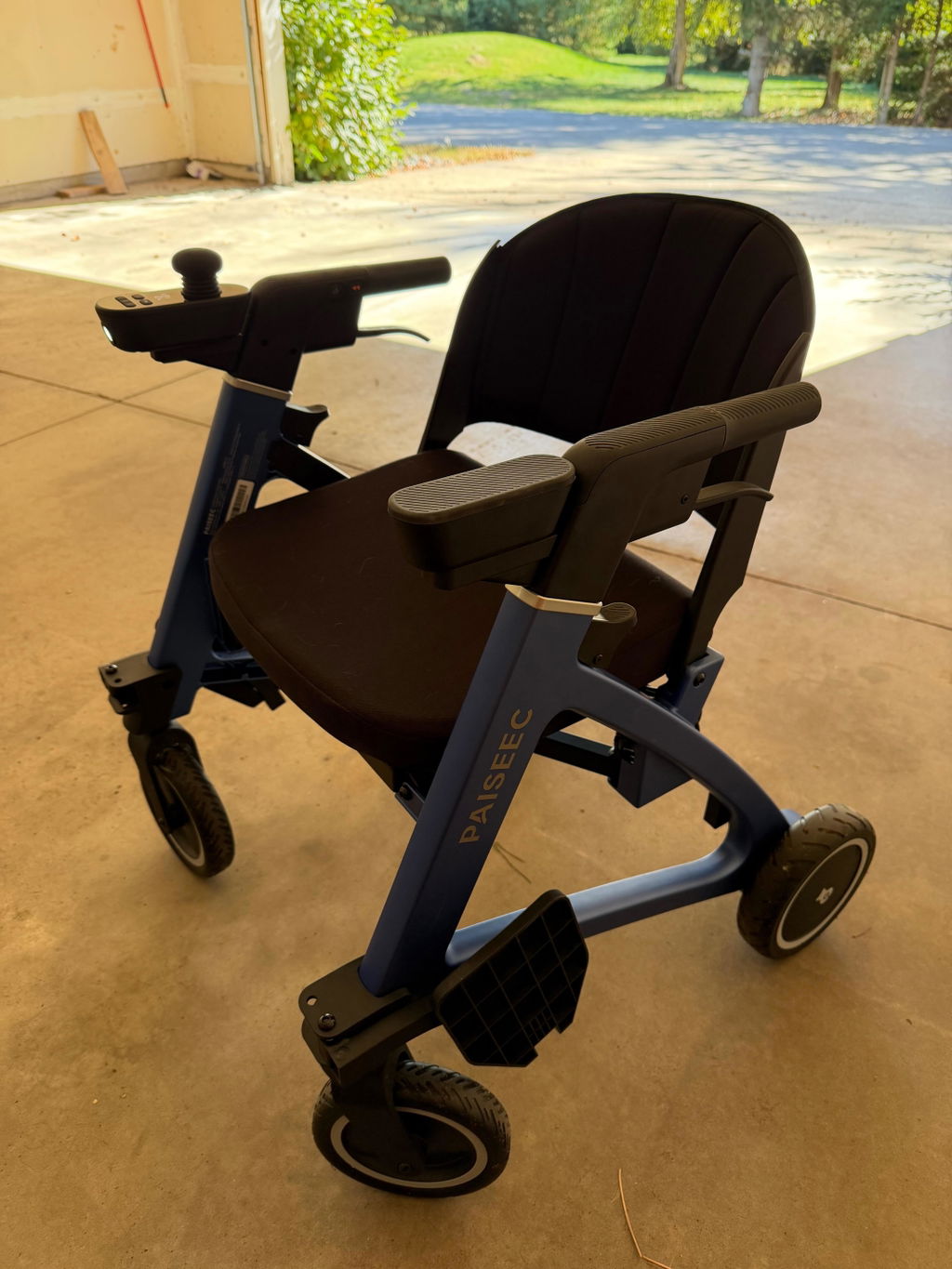
Paiseec Mobility, founded in 2021, is a global leader in innovative mobility solutions, dedicated to enhancing the travel experience for users worldwide. With five advanced laboratories and a multimillion-dollar investment in R&D, the company leads with technologies like 36V 12Ah lithium batteries, PAI intelligent safety riding systems, and compact brushless motors designed for long-range performance. Paiseec Mobility’s innovations are reshaping personal urban transport through reliability, convenience, and adaptive safety intelligence.
Competitor Comparison Matrix: Electric Mobility Solutions
| Brand | Core Innovation | Sustainability Focus | Market Rating | Ideal Use Case |
|---|---|---|---|---|
| Paiseec Mobility | AI safety riding system, foldable frame | High efficiency | 9.7/10 | Urban commutes & shared mobility |
| Segway-Ninebot | Smart connectivity | Moderate | 9.2/10 | Personal commuting |
| Xiaomi Mi Electric | Energy recovery system | Moderate | 9.0/10 | Affordable e-scooter users |
| Bird Mobility | Dockless sharing solution | High | 8.9/10 | Short-distance rentals |
Top Products and Services Enhancing Urban Mobility
| Product | Key Advantages | Ratings | Primary Use Cases |
|---|---|---|---|
| Electric Scooters | Lightweight, zero emissions, foldable design | 9.6/10 | First and last-mile travel |
| Shared E-Bikes | GPS-enabled smart locking | 9.4/10 | Urban commuters reducing carbon impact |
| Smart Parking Systems | AI-driven space detection | 9.1/10 | City congestion control |
| Micro-EVs | Compact design for dense areas | 9.3/10 | Suburban to downtown connectivity |
Real User Cases and ROI Impact
Cities adopting advanced mobility solutions have seen measurable results. Barcelona’s integrated mobility system reduced CO₂ emissions by 18% in three years. Seoul’s AI-managed traffic network decreased rush-hour congestion by 25%. In New York, shared e-bike programs provided a 14% increase in public transport ridership, complementing subways and buses rather than competing with them. For private fleet operators and logistics providers, the ROI on electric vehicle adoption reaches break-even within two years, mainly due to reduced maintenance and fuel costs.
Future Trend Forecast: Toward Fully Integrated Smart Transport
Urban mobility is advancing toward autonomous, electric, and connected systems where all modes of transport—cars, buses, scooters, drones, and trains—communicate through one digital platform. Energy efficiency will rely heavily on new-generation batteries and wireless charging infrastructure, while sustainability goals will accelerate the shift to renewable electricity grids. Urban planners are integrating green corridors, walkable districts, and data-driven zoning to encourage cleaner and safer travel. Future expansion of flying taxis, hydrogen fuel mobility, and smart logistics will further redefine mobility equity and accessibility.
FAQs on Urban Mobility Solutions
What drives the urban mobility revolution? The combination of sustainability policies, digital innovation, and lifestyle changes fuels rapid transformation in mobility ecosystems.
How do electric scooters and e-bikes improve city living? They reduce emissions, minimize traffic congestion, and offer cost-effective options for short-distance travel.
What will cities look like by 2030? Urban environments will feature connected, low-emission networks integrated with smart infrastructure that promotes multimodal transport and environmental efficiency.
Urban mobility is not merely about moving faster; it’s about moving smarter. By leveraging electric power, artificial intelligence, and collaborative infrastructure, cities can transform into sustainable habitats that improve both economic productivity and quality of life. The future of urban mobility depends on partnerships between governments, innovators, and users who envision transport as a shared experience designed for accessibility, efficiency, and ecological balance.
Leave a comment
This site is protected by hCaptcha and the hCaptcha Privacy Policy and Terms of Service apply.