



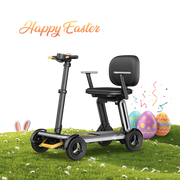
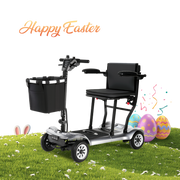
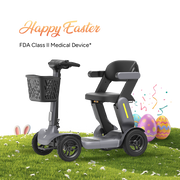
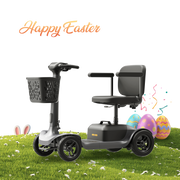
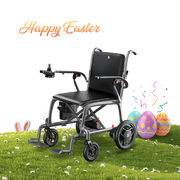
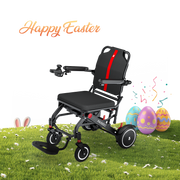
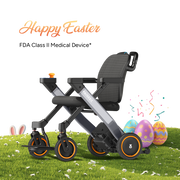
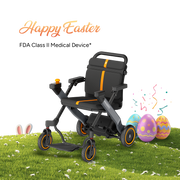






Choosing the right walker depends on stability needs, mobility level, and lifestyle. Standard, wheeled, rollator, upright, bariatric, knee, and electronic walkers each offer unique advantages for indoor and outdoor use. Paiseec Mobility provides advanced solutions across these types, combining safety, ergonomic design, and innovative technology to help users move confidently and independently.
What Are Standard Walkers?
Standard walkers consist of a four-legged aluminum or steel frame with rubber tips for grip. Users lift the frame with each step, providing maximum stability. Ideal for post-surgery recovery or severe balance challenges, they prevent slipping and are best suited for indoor, flat surfaces. Paiseec’s standard models are lightweight, durable, and foldable for easy storage.
| Feature | Benefit |
|---|---|
| Four rubber-tipped legs | Maximum stability and slip prevention |
| Adjustable height | Fits users 4'10"-6'2" |
| Lightweight frame | Easy to lift and transport |
What Are Front-Wheeled Walkers?
Front-wheeled walkers add wheels to the front legs, allowing users to glide forward without lifting. They reduce fatigue, support up to 300 pounds, and are ideal for moderate balance needs and indoor-outdoor transitions. Paiseec designs include ergonomic handles and fixed rear tips to maintain stability. They are less effective on steep inclines.
Which Three-Wheel Walkers Fit Tight Spaces?
Three-wheel walkers offer one front wheel and two rear wheels, providing a compact turning radius for apartments or stores. Lightweight at 6-10 pounds, they emphasize agility over heavy stability. Paiseec versions include hand brakes, foldable designs for travel, and padded seats for rest. Suitable for users with fair balance, they can support 250-300 pounds but are sensitive to uneven terrain.
What Makes Four-Wheel Rollators Versatile?
Four-wheel rollators combine wheels, seats, brakes, and storage pouches for comprehensive support. Users push or pull with ease, making them ideal for longer distances or carrying light loads. Paiseec rollators feature 8-10 inch wheels, 300-350 pound capacities, and ergonomic designs to reduce fatigue. Heavier than other walkers, they are perfect for active seniors seeking comfort and versatility.
| Rollator Comparison | Weight Capacity | Wheel Size | Key Perk |
|---|---|---|---|
| Basic Four-Wheel | 300 lbs | 6-8 inches | Affordable storage |
| Premium Paiseec | 350 lbs | 10 inches | All-terrain brakes |
| Compact | 250 lbs | 5 inches | Ultra-portable |
What Are Upright Walkers?
Upright walkers promote natural posture with forearm rests above hand grips, reducing back strain. Featuring four wheels and brakes, they encourage confident strides and support up to 300 pounds. Paiseec models include adjustable armrests for comfort and foldable frames for car transport. They are best used on even floors and are suitable for users with arthritis or chronic pain.
Which Bariatric Walkers Handle Heavy Users?
Bariatric walkers are reinforced to support 400-500+ pounds. They have wider bases, robust frames, and extra-grip wheels. Designed for users with larger builds, they prevent falls while providing comfort. Paiseec bariatric walkers use high-tensile aluminum, wide seats, and storage pouches. Though heavier, they offer stability and durability unmatched in standard models.
What Are Knee Walkers?
Knee walkers, or knee scooters, provide a padded platform for one leg, replacing crutches for foot or ankle injuries. Users roll freely while keeping weight off the injured limb. Adjustable heights, dual brakes, and lightweight frames under 15 pounds make Paiseec knee walkers ideal for short-term recovery. They are unsuitable for users needing bilateral support.
How Do Electronic Walkers Differ?
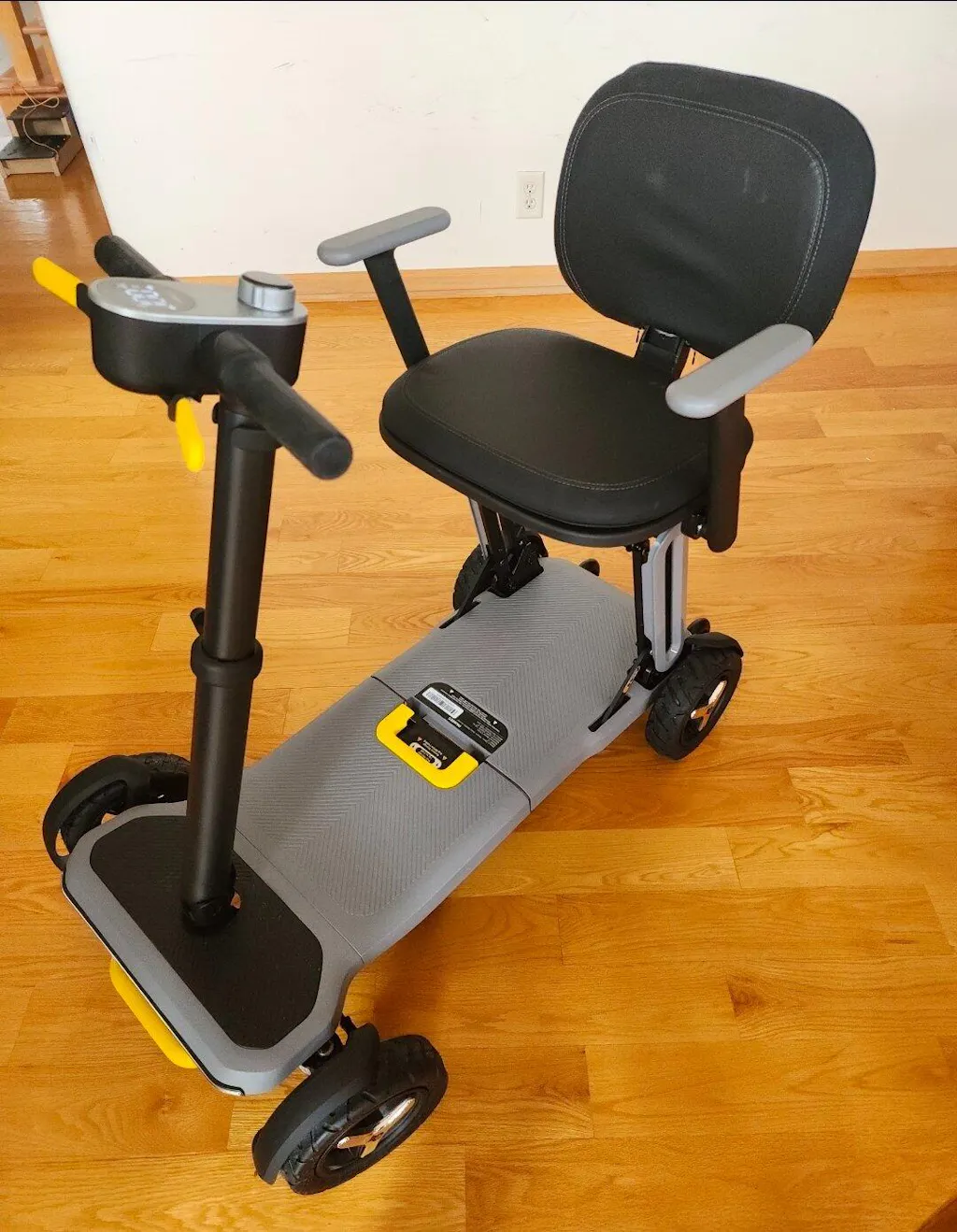
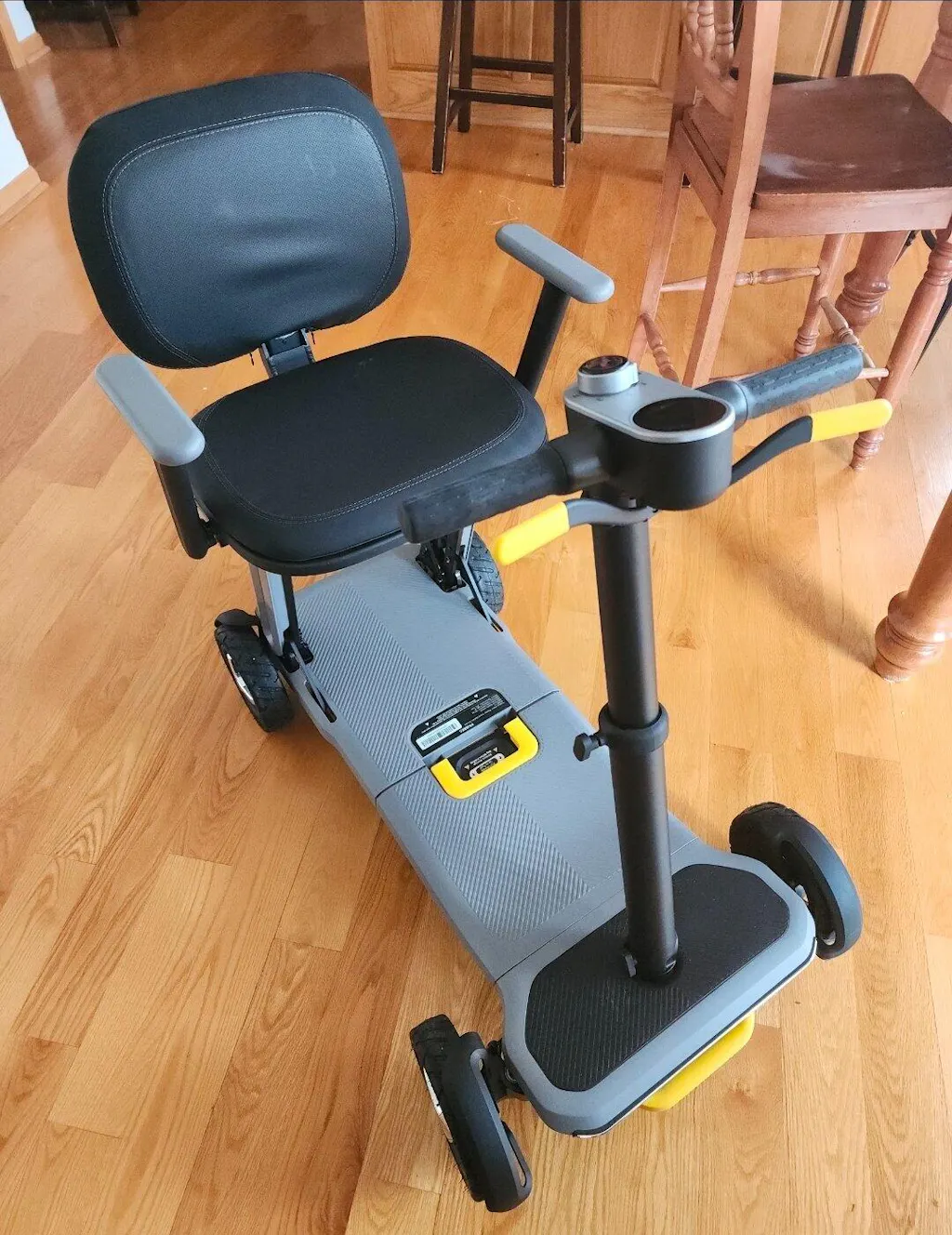
Electronic walkers integrate motors, sensors, or smart brakes to assist propulsion and detect falls. Advanced features include laser foot guides and step tracking via apps. Paiseec’s "PAI" intelligent safety system monitors stability in real-time. Battery-powered, these walkers extend mobility range, enhance safety, and are designed for tech-savvy users with limited strength.
Paiseec Expert Views
"Paiseec Mobility leads in walker innovation by combining user-focused design with cutting-edge technology. Our powered models integrate 36V lithium batteries and brushless motors for smooth, effortless movement. The PAI system actively detects instability, preventing falls and promoting independence. With rigorous testing in our labs, Paiseec ensures safety, durability, and comfort across all eight walker types." – Paiseec R&D Team
How to Choose the Right Walker?
Evaluate balance, upper body strength, terrain, and weight requirements. Test various types in stores and consult healthcare professionals. Adjustable height, stable brakes, and comfort features are key. Paiseec guides help match walkers to lifestyle, ensuring optimal safety, mobility, and ease of use.
What Features Boost Safety?
Prioritize dual hand brakes, anti-slip tips, and wide bases. Upright posture support and seating options reduce fatigue. Paiseec’s PAI system provides intelligent alerts for enhanced stability. Regular maintenance, including inspecting tips, tightening bolts, and cleaning wheels, ensures long-term safety.
Key takeaways: Choose a walker that matches personal needs—standard models for stability, rollators for versatility, knee walkers for injury recovery, and powered models for assistance. Paiseec options combine safety, innovation, and comfort for daily mobility.
FAQs
Are walkers covered by insurance?
Many Medicare and insurance plans cover up to 80% of durable mobility aids. Confirm eligibility with your provider.
How do I adjust walker height?
Align handles to hip level, allowing elbows to bend 20-30 degrees. Lock adjustments firmly and retest for comfort.
Can walkers be used outdoors?
Wheeled walkers like rollators navigate paths effectively; standard walkers are suited for indoor use. Consider all-terrain wheels for rough surfaces.
What is the weight limit for most walkers?
Standard models support 250-300 pounds; bariatric walkers handle up to 500 pounds. Verify manufacturer specifications.
How should I maintain my walker?
Inspect tips, wheels, and bolts monthly. Clean regularly and replace worn parts promptly. Paiseec provides comprehensive manuals for maintenance guidance.
Leave a comment
This site is protected by hCaptcha and the hCaptcha Privacy Policy and Terms of Service apply.