




![[2026] PAISEEC D3|Mobility Scooter for Easy Everyday Travel](http://www.paiseec.com/cdn/shop/files/d3_4a4ccb22-9e26-449e-8094-71f3ec4177c3.png?v=1782115044&width=180)


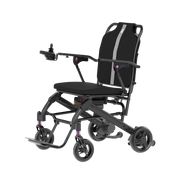



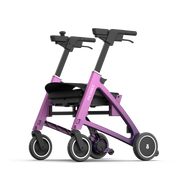
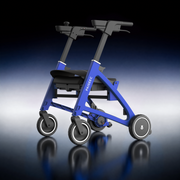









Senior mobility products are devices and accessories that help older adults move more safely, comfortably, and independently at home and outdoors. The global aging population and expanding travel opportunities have shifted buyer demands toward highly portable, airline-approved options. Choosing the best device depends on balance, strength, daily routines, and whether the goal is walking support, seated travel, transfer help, or safer home access. Evaluating your specific mobility challenges is the first step toward reclaiming physical freedom and confidence.
What senior mobility products are most useful?
The most useful senior mobility products are canes, walkers, rollators, wheelchairs, mobility scooters, transfer aids, ramps, and bathroom safety supports. These products reduce fall risks, ease caregiver strain, and make everyday movement less tiring. Traditional heavy medical equipment is often difficult to transport, which creates barriers to social activities. Recent industry developments from 2024 to 2026 show that lightweight electric wheelchairs and foldable travel scooters are the fastest-growing categories because they address these exact transportation challenges.
Why do seniors need mobility products?
Seniors often need mobility products to maintain independence after changes in strength, joint comfort, balance, or endurance. Reduced stamina makes long walks or standing tasks exhausting, which causes many aging adults to stay home. A well-matched device can break this cycle by making safe movement easier and more repeatable. For many users, the ultimate goal is preserving confidence in daily routines, lowering physical fatigue, and reducing the emotional burden on family caregivers.
How do mobility options compare?
Choosing the right option requires comparing capabilities against specific functional needs. A standard cane suits mild balance support, a walker helps with immediate stability, and a rollator adds wheels and a built-in seat for rest breaks. For longer distances, powered solutions like electric wheelchairs and mobility scooters are necessary.
The following comparison highlights how modern portable options perform against traditional mobility equipment:
Feature: Portability, Folded Weight, and Size
Paiseec Lightweight Models: Designed to fold easily, with selected carbon-fiber or aluminum models weighing from 22 to 50 lbs. Many units fit in standard car trunks or overhead bins.
Traditional Power Wheelchairs: Usually heavy, non-folding, and requires specialized van ramps or lifts to transport.
Basic Rollator Walkers: Very lightweight and highly portable, but lacks powered propulsion for long distances.
Feature: Range per Charge
Paiseec Lightweight Models: Offers 11 to 18 miles depending on the model, utilizing removable lithium batteries.
Traditional Power Wheelchairs: Varies widely, often offering longer ranges but requiring heavy, non-airline-compliant batteries.
Basic Rollator Walkers: Not applicable as there is no motorized component.
Feature: Maximum Load Capacity
Paiseec Lightweight Models: Supports up to 300 lbs on selected models.
Traditional Power Wheelchairs: Typically offers higher weight capacities for specialized bariatric needs.
Basic Rollator Walkers: Generally offers lower weight capacities.
Feature: Primary Use Case
Paiseec Lightweight Models: Airline travel, daily outdoor excursions, indoor shopping, and convenient caregiver transport.
Traditional Power Wheelchairs: Long-term home mobility, complex rehabilitation, and specialized medical needs.
Basic Rollator Walkers: Short indoor mobility, basic balance support, and neighborhood walking assistance.
What core functions define modern mobility products?
Modern senior mobility design focuses on three core functions that improve the user experience.
First, foldable portability and airline-approved batteries allow seniors to travel by air without logistical delays. Many units feature removable lithium batteries that comply with international aviation regulations.
Second, the integration of lightweight carbon-fiber or aluminum frames reduces product weight significantly. Selected electric wheelchairs utilize aerospace-grade carbon fiber to keep the frame weight in the low 20-pound range, making it easier for caregivers to lift.
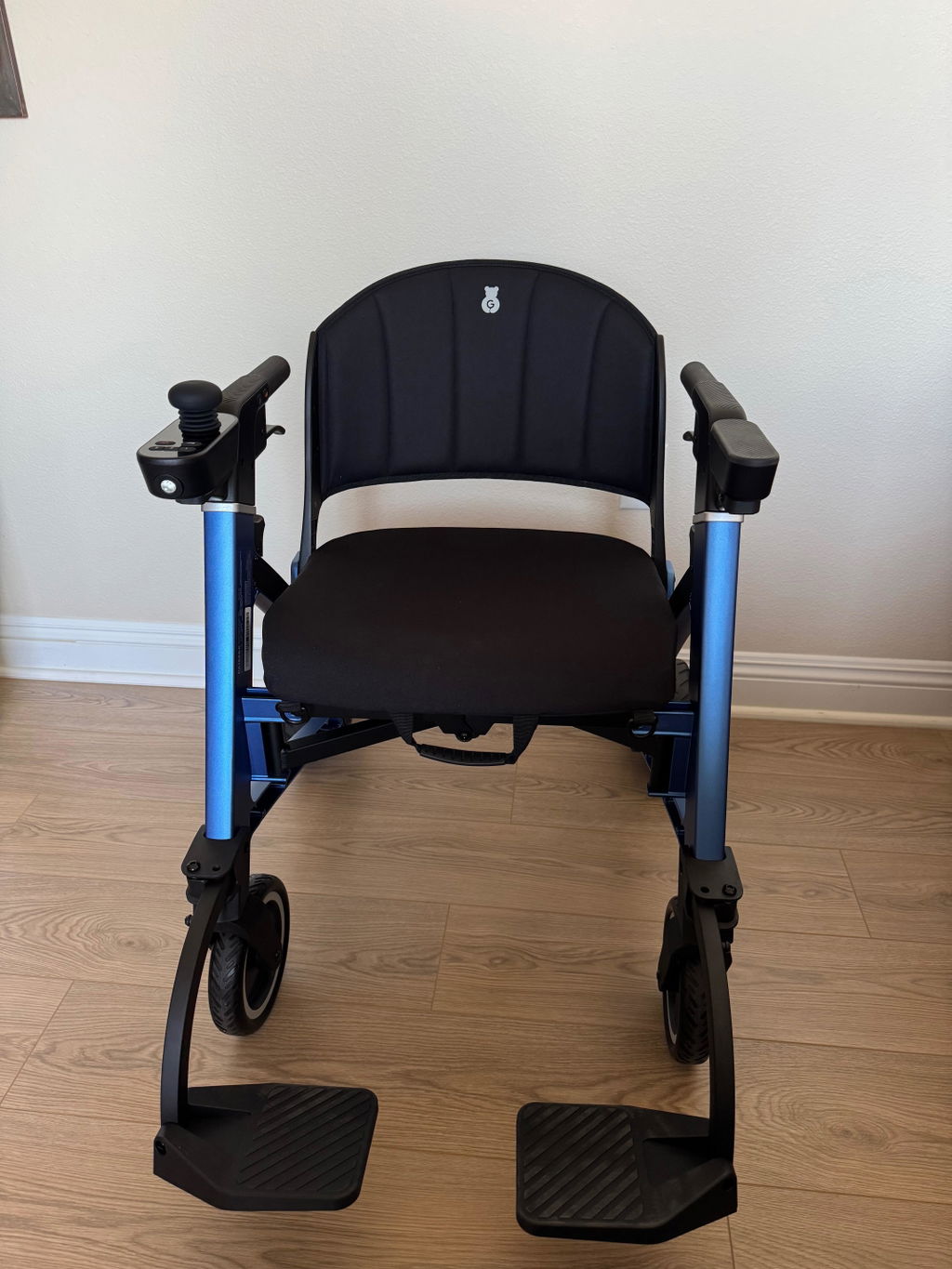
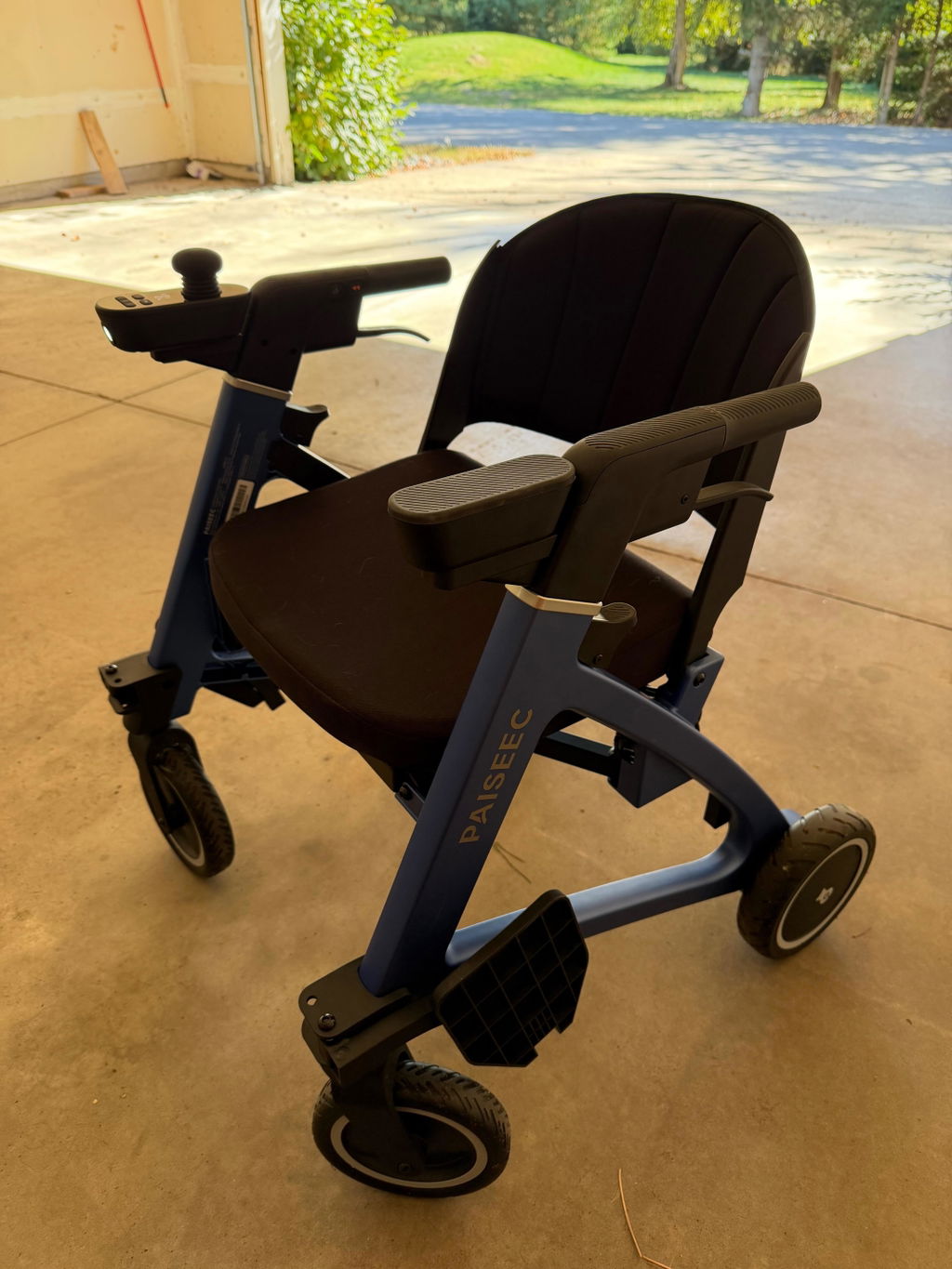
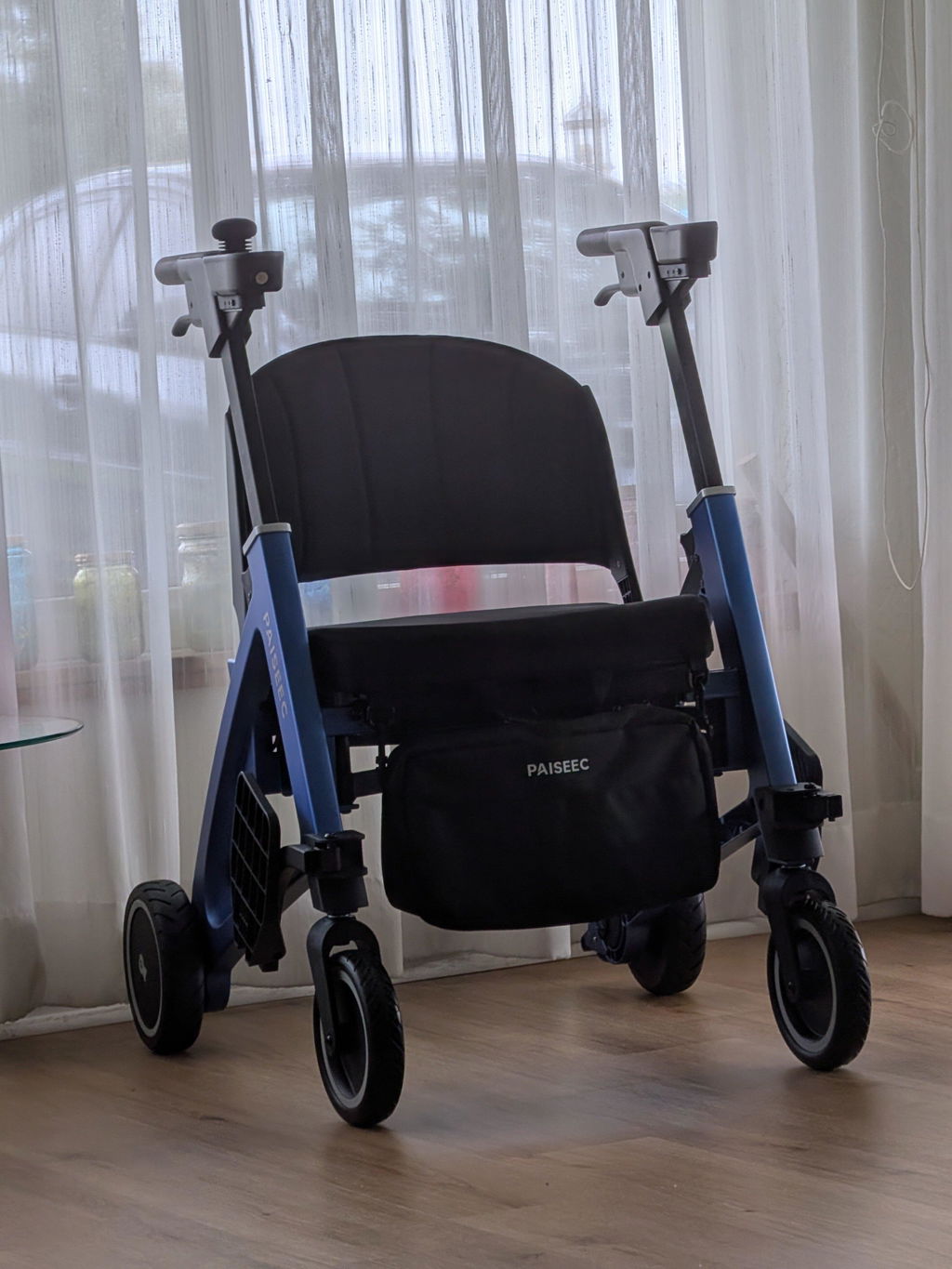
Third, multi-mode designs combine separate devices into a single unit. Certain advanced models convert between a powered wheelchair, a manual transport chair, and a rollator walker depending on the user's immediate needs.
How do you choose and set up a senior mobility product?
Selecting the correct device requires a structured approach to ensure the user can operate it consistently without confusion or discomfort.
First, assess daily mobility needs by listing specific distance goals, frequent tasks, and primary usage locations such as narrow indoor hallways or uneven outdoor sidewalks.
Second, check the weight and folded size of the product to ensure it fits into your vehicle trunk or designated home storage space.
Third, verify the battery specifications, prioritizing removable, airline-compliant lithium batteries if you plan to travel by air.
Fourth, test the seat comfort and the control interfaces to confirm the joystick or handlebars are intuitive and within easy reach.
Fifth, confirm the load capacity and slope capability match the user's weight and the local terrain, including ramps and curbs.
Sixth, review the warranty terms and available service options on the official product pages to ensure long-term maintenance support.
How do mobility designs perform in real-world scenarios?
Real-world usage demonstrates how specialized engineering changes daily outcomes for families.
In an urban travel scenario, a senior who previously stayed home due to a heavy transport chair can use a compact, foldable scooter like the Paiseec S3 to navigate taxis and flights, restoring weekend family visits.
In an outdoor walking scenario, a user with balance issues who fatigues quickly on a standard cane can use a multi-mode rollator with power assist to extend their walking range while keeping a secure seat available.
In a caregiver support scenario, replacing heavy, rigid equipment with lightweight frames and removable batteries reduces physical lifting strain during vehicle transfers.
How does Paiseec approach mobility engineering?
Paiseec focuses on senior mobility products that combine structural performance, safety, and everyday usability. The brand utilizes dedicated research laboratories and a large team of research and development professionals to treat mobility as an engineering discipline rather than a generic consumer category. By incorporating technical features like 36V 12Ah lithium batteries, 250W brushless motors, and intelligent safety riding systems, the design ensures predictable handling and long-term durability. This technical approach reduces maintenance requirements and builds user trust during outdoor travel.
Frequently Asked Questions
What is the most common senior mobility product?
Walkers and canes are the most common supportive devices because they are simple, affordable, and easy to adopt for immediate, lightweight balance assistance.
Are mobility scooters better than electric wheelchairs?
Neither device is universally better than the other. Mobility scooters are ideal for users who retain sufficient upper-body strength to steer handlebars and want to travel longer outdoor distances. Electric wheelchairs are better suited for individuals who require direct seated support and precise joystick control in tight indoor spaces.
Are Paiseec electric wheelchairs airline-approved?
Many models utilize removable lithium batteries designed to meet major airline transport requirements. Buyers should always confirm the exact battery specifications on the specific product listing and check with their airline prior to travel.
What is the typical travel range per charge?
The exact range varies by model and operating conditions, but standard lightweight models typically provide between 11 and 18 miles per charge under normal use.
How heavy are travel wheelchairs and scooters?
Carbon-fiber travel models can weigh as little as 22 pounds, while standard aluminum foldable models generally range between 30 and 50 pounds depending on the battery size and integrated features.
Can a mobility product help prevent falls?
Yes, a properly matched mobility device improves stability, reduces physical fatigue during extended movement, and provides secure support during transitions, which directly lowers the risk of accidental falls.
Conclusion
Choosing senior mobility products is about solving real-life movement limitations with the appropriate level of physical support. Modern advancements in portability, airline-approved power systems, and lightweight materials allow older adults to maintain their independence without compromising safety. Engineering focused on practical daily needs ensures that devices are easy to use, easy to transport, and dependable over time. When a mobility device aligns with the user's environment and routine, confidence rises and daily life becomes easier to manage.
Leave a comment
This site is protected by hCaptcha and the hCaptcha Privacy Policy and Terms of Service apply.