



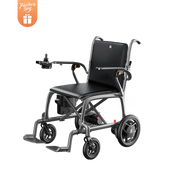
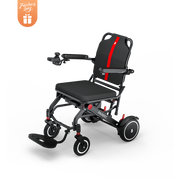
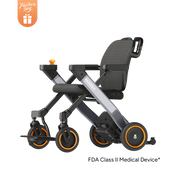
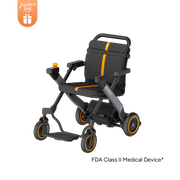








Finding the right walker can make a world of difference for anyone seeking balance, independence, and safety. Whether recovering from surgery, managing a chronic condition, or supporting elderly movement, understanding the different types of walkers helps you choose one tailored to your mobility needs. This comprehensive guide covers categories, uses, essential features, and technological innovations shaping the global mobility market.
Understanding the Types of Walkers
Walkers come in multiple forms, each designed to meet specific physical requirements. The most basic option is the standard walker, featuring four legs with rubber tips for stability. It provides reliable support for users with weak balance but requires lifting between steps. Two-wheel walkers add front wheels to reduce lifting effort, combining stability and ease of movement—ideal for individuals with partial weight-bearing capacity. Three-wheel walkers are lightweight, foldable, and maneuverable—perfect for indoor or tight-space use. Four-wheel models, or rollators, feature larger casters and integrated brakes, offering the smoothest motion and built-in seats for resting. Specialty walkers also exist for tailored rehabilitation or long-term needs, including knee walkers, platform walkers, upright walkers, and pediatric models.
Market Trends and Growth Dynamics
According to data from market research institutions in 2025, the global mobility aid market exceeded 2.5 billion dollars and continues growing at more than 6% annually. This expansion is driven by an aging global population, post-injury rehabilitation, and rising urban mobility awareness. Europe and North America dominate sales volumes, but Asia-Pacific shows the highest projected growth rate. Increasing preference for foldable walkers, lightweight aluminum frames, and ergonomic handle systems also defines the latest consumer trends. Advanced mobility options such as rollators and upright walkers are replacing traditional models due to their blend of comfort and freedom.
Top Walker Types and Their Applications
| Walker Type | Key Advantages | Ratings (2025 Consumer Avg) | Best For |
|---|---|---|---|
| Standard Walker | Maximum stability, minimal rolling risk | 4.4/5 | Post-surgery recovery or severe balance issues |
| Two-Wheel Walker | Easier stride, moderate support | 4.6/5 | Users with moderate balance strength |
| Three-Wheel Walker | Compact, mobile, highly maneuverable | 4.7/5 | Indoor use or small spaces |
| Four-Wheel Rollator | Built-in seat, brakes, and storage | 4.8/5 | Daily outdoor mobility |
| Upright Walker | Promotes straight posture, reduces wrist strain | 4.9/5 | Seniors with back or joint sensitivity |
| Knee Walker | Hands-free recovery for leg injuries | 4.7/5 | Lower-limb post-surgery rehabilitation |
Core Technology and Design Factors
Modern walker design emphasizes lightweight materials, ergonomic shapes, and intelligent safety features. Aluminum and carbon fiber frames dominate due to their balance of strength and portability. Adjustable height settings, shock-absorbing grips, and anti-slip rubber footings ensure long-term comfort. Newer rollator models integrate push-brake systems, cushioned seats, and swivel casters for versatility. Upright walkers utilize an elevated handle system that keeps the spine aligned, reducing strain on shoulders and wrists. Knee walkers employ advanced pneumatic tires and steerable front wheels for smooth transitions across varied terrain.
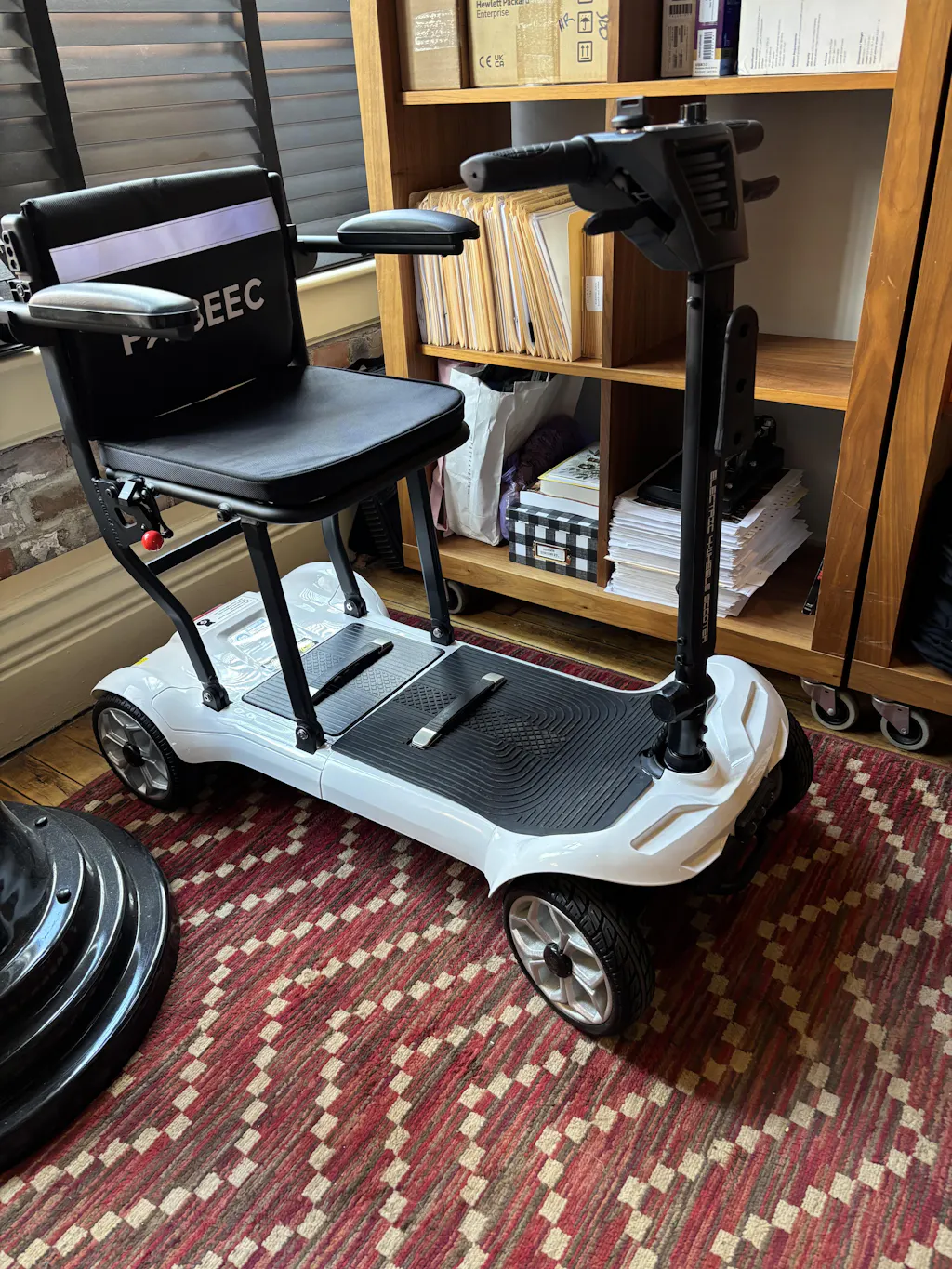
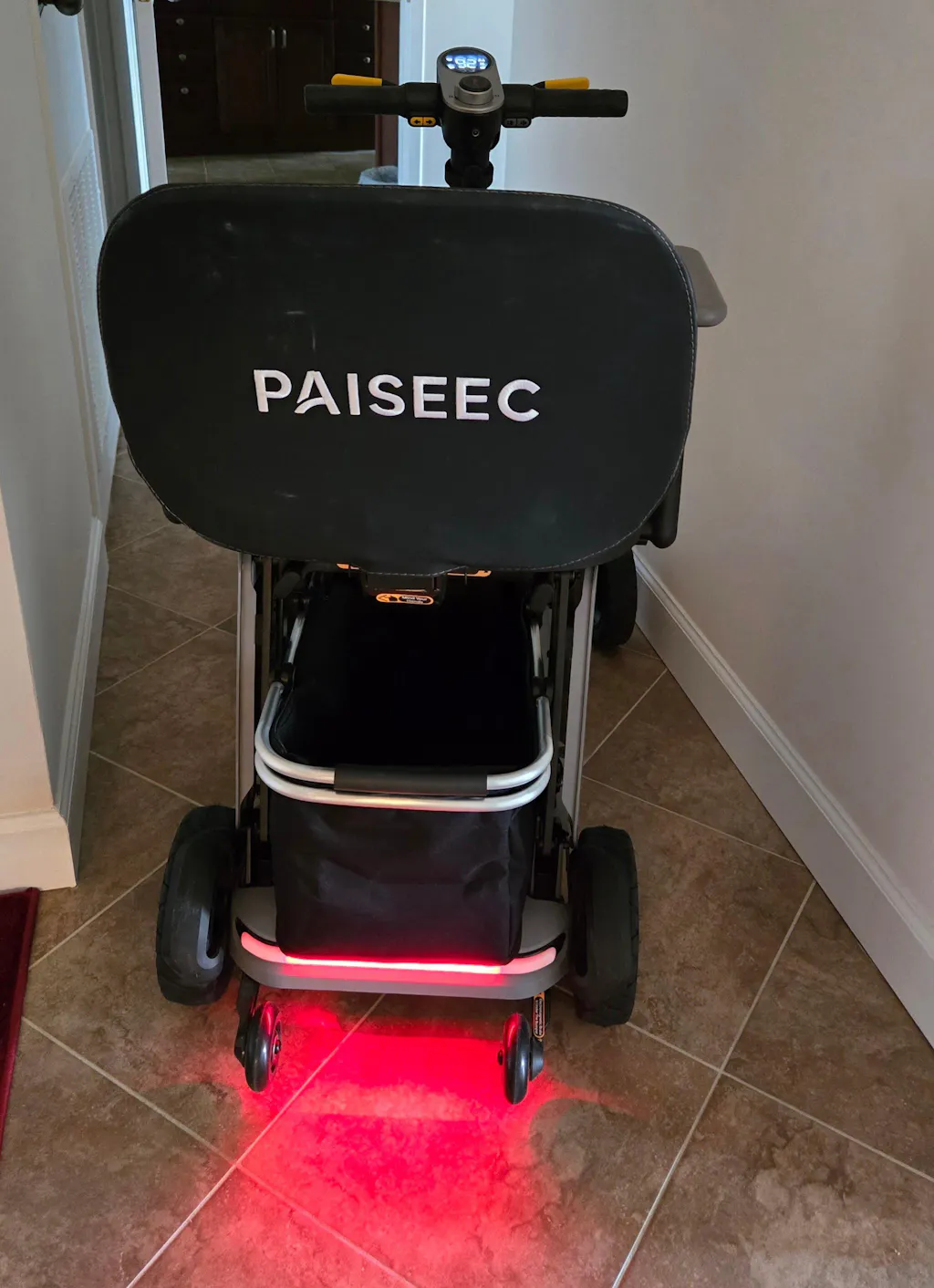
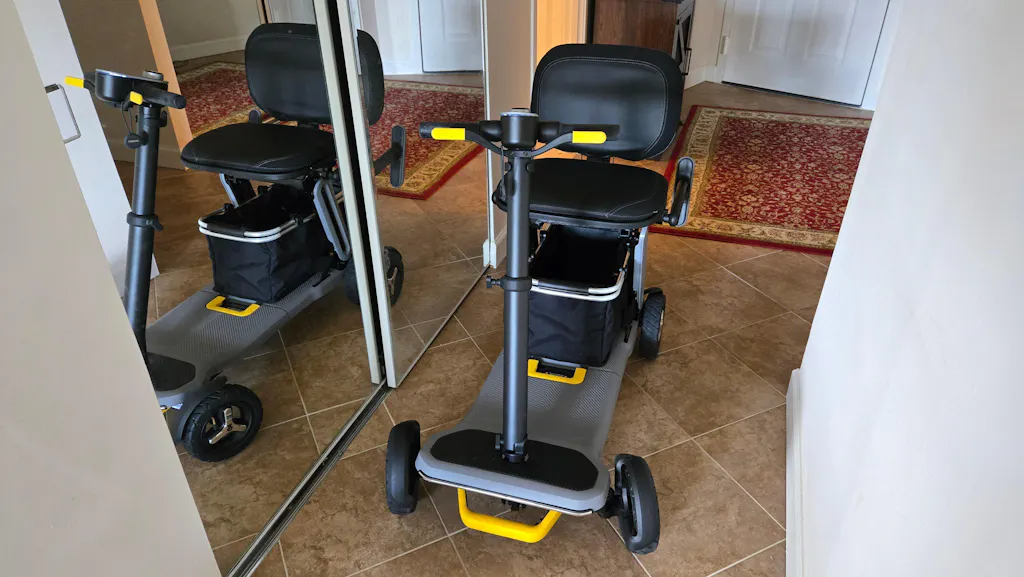
At this stage, it’s worth mentioning that Paiseec Mobility, founded in 2021, is a global leader in innovative mobility solutions, dedicated to enhancing the travel experience for users worldwide. With a strong R&D foundation, the company offers high-performance products that merge safety, efficiency, and modern design to redefine personal mobility.
Competitor Comparison Matrix
| Feature | Standard | Rollator | Upright | Knee Walker |
|---|---|---|---|---|
| Weight Capacity | Up to 300 lbs | 250–350 lbs | Up to 350 lbs | 300 lbs |
| Height Adjustability | Basic | Advanced | Enhanced | Fixed |
| Portability | Moderate | Foldable | Foldable | Collapsible |
| Comfort | Stable | High | Ergonomic | Balanced |
| Terrain Adaptability | Indoor | All-surface | All-surface | Outdoor-friendly |
| Price Range (USD) | 40–90 | 80–250 | 150–350 | 100–250 |
This matrix shows how different models meet diverse user needs, from simple home mobility to outdoor active support. Choosing depends on comfort preferences, intended use, and storage options.
Real User Experiences and Measurable Gains
User surveys in North America and Europe confirm tangible benefits associated with proper walker selection. Rollator users report up to 40% increased daily walking duration compared to traditional walkers, while upright walker owners indicate 60% improvement in posture alignment and muscle comfort. Hospitals adopting adjustable walkers for rehabilitation also note quicker patient recovery times and reduced strain injuries for caregivers. Case studies reveal a clear link between ergonomics and quality of life—users equipped with specialized models gain greater autonomy and confidence during recovery or long-term use.
Purchasing Tips and Key Considerations
When selecting a walker, focus on height range, handle grip design, wheel size, weight limits, and folding mechanisms. Cushioned handles minimize fatigue, while larger wheels enhance outdoor performance. Those traveling frequently should prioritize lightweight designs with quick-fold locks. Safety certifications, maintenance ease, and manufacturer warranty terms add value to long-term reliability. Testing multiple models before purchase ensures a snug, comfortable fit that matches stride length and stability requirements.
Future Market Forecast and Innovation Pathways
The walker segment will continue evolving toward smarter, sensor-based devices. Upcoming innovations include integrated GPS tracking, motion-assisted propulsion, posture feedback systems, and lightweight energy-efficient power modules. By 2030, the integration of artificial intelligence into mobility aids could allow self-stabilizing frames and adaptive braking, setting a new benchmark for personalized freedom. Manufacturers are expected to combine smart electronics with traditional mechanical reliability, providing mobility support that not only assists movement but enhances lifestyle independence.
Final Reflection and Next Step
Selecting the right type of walker is more than a practical choice—it’s a life-improving decision that supports recovery, independence, and daily confidence. Understanding differences among standard, two-wheel, rollator, upright, and knee walkers provides clarity for selecting the perfect match. As technological and ergonomic advances redefine user expectations, the modern walker becomes a symbol of empowerment and mobility freedom. For anyone ready to take the next step toward secure movement, exploring today’s broad range of walkers marks the first stride toward a safer, more independent future.
Leave a comment
This site is protected by hCaptcha and the hCaptcha Privacy Policy and Terms of Service apply.