



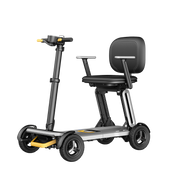
![[2026] PAISEEC D3|Mobility Scooter for Easy Everyday Travel](http://www.paiseec.com/cdn/shop/files/d3_4a4ccb22-9e26-449e-8094-71f3ec4177c3.png?v=1782115044&width=180)
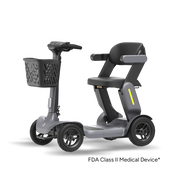

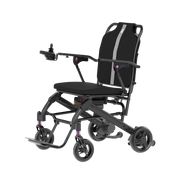
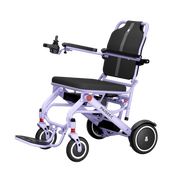


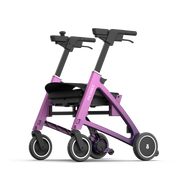
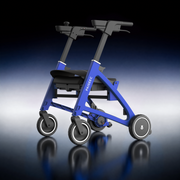









A 3 in 1 electric wheelchair combines three mobility functions—powered wheelchair, electric transport chair, and rollator walker—into one lightweight, foldable device. It offers independence for self-driving, caregiver assistance when needed, and walking support with a built-in seat, making it ideal for seniors, travelers, and anyone seeking versatile, all-in-one mobility.
What Is a 3 in 1 Electric Wheelchair and Why Consider One?
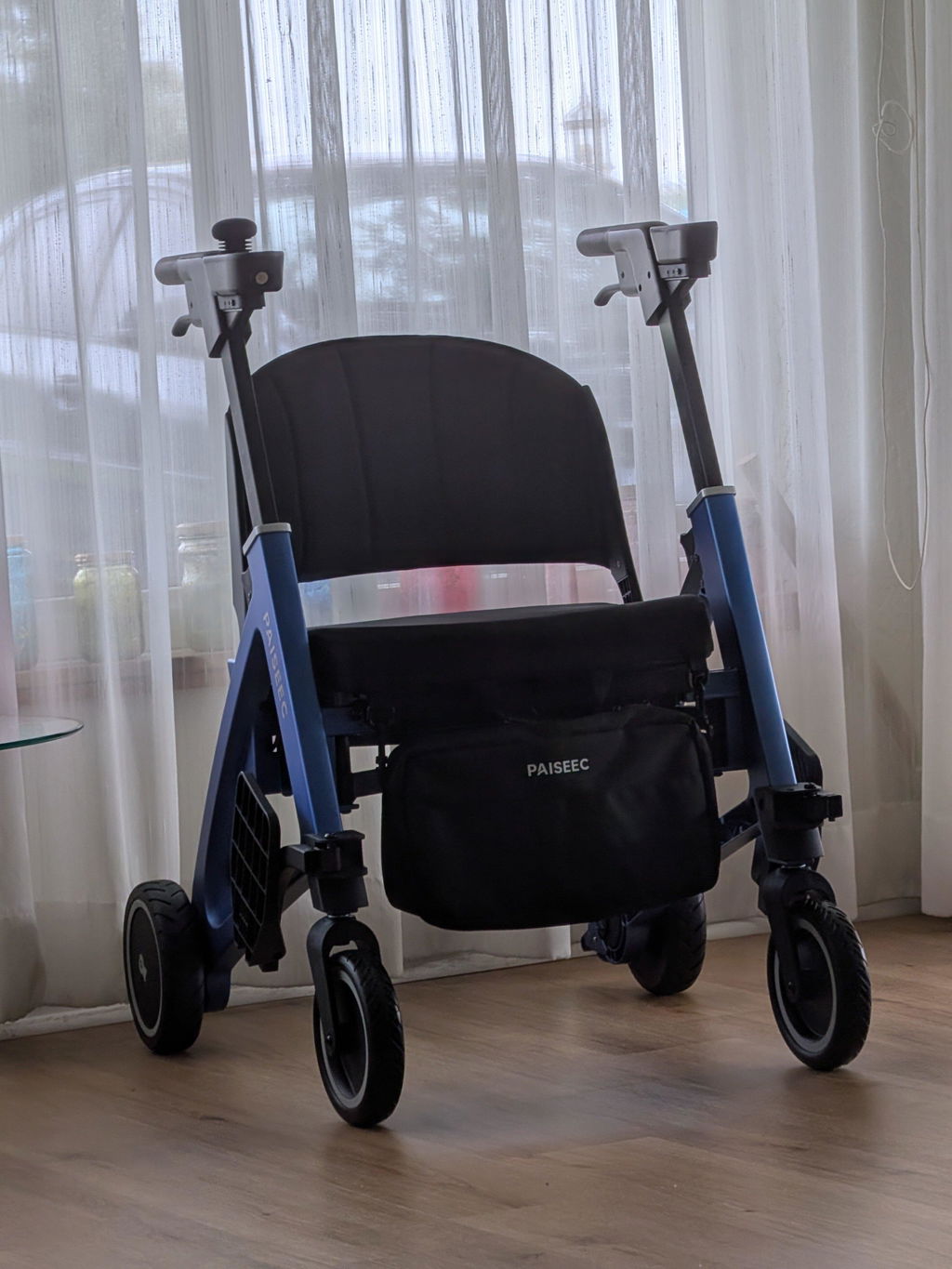
A 3 in 1 electric wheelchair merges the capabilities of a powered wheelchair, an attendant-controlled transport chair, and a rollator with seating into a single, compact frame. This design reduces the need for multiple devices, simplifies storage, and provides flexibility across different environments—from home and clinic to shopping centers and travel. Users gain the freedom to walk short distances, rest when fatigued, and switch to powered mobility for longer outings without buying separate equipment.
How Does a 3 in 1 Electric Wheelchair Work?
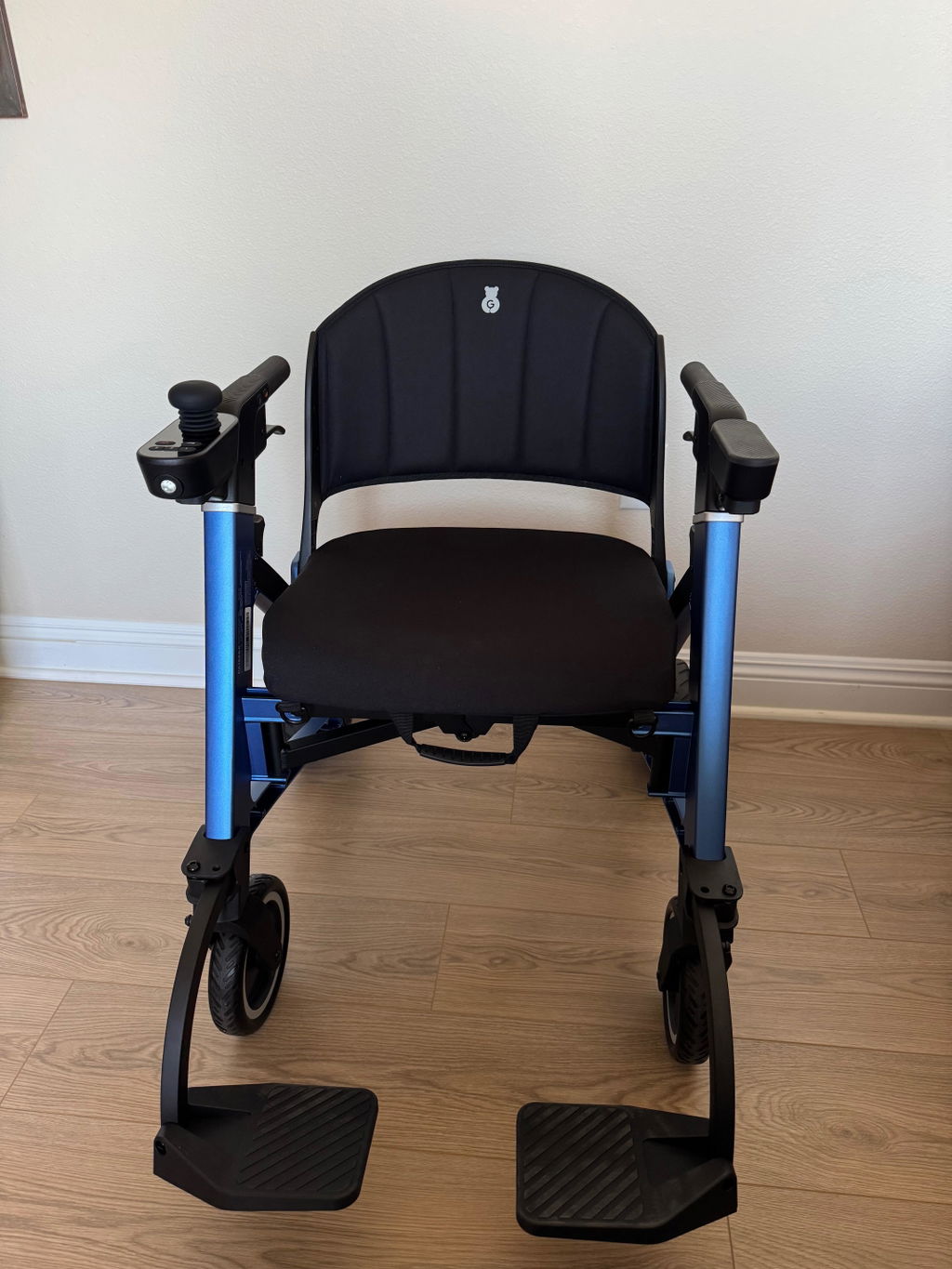
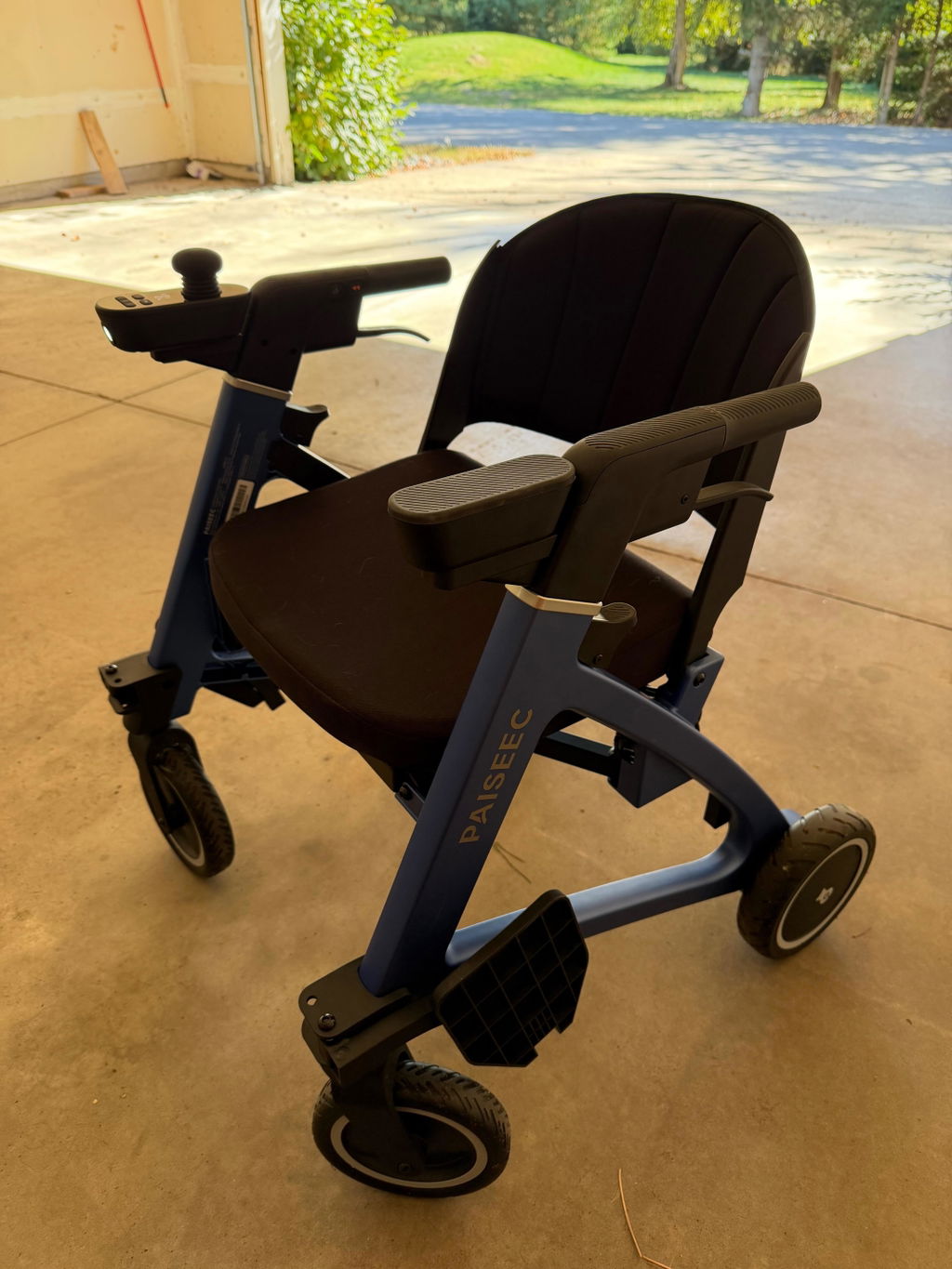
The device operates through a reconfigurable frame and dual-control system. In electric wheelchair mode, the user controls motion with a front or rear joystick. In transport mode, a caregiver uses a thumb joystick on the rear handles. In rollator mode, the chair functions as a walking aid with hand brakes and a seat. Intelligent controllers manage speed, acceleration, and electronic braking across all modes. Paiseec's W3 integrates these functions with a single battery and control module, ensuring smooth transitions and consistent performance.
What Are the Three Modes of a 3 in 1 Electric Wheelchair?
The three modes are electric wheelchair (self-propelled with joystick), smart electric transport chair (attendant-powered with rear controller), and rollator/walker (manual walking aid with seat).
-
Electric wheelchair mode enables independent travel on sidewalks and indoor spaces.
-
Transport mode allows a caregiver to push and control speed in crowded areas.
-
Rollator mode provides stable walking support with a built-in seat for rest breaks.
This tri-mode design eliminates the need to own and maintain three separate devices.
Which Features Matter Most in a 3 in 1 Electric Wheelchair?
Prioritize total weight under 55 lb, 200–250W brushless motors, 24–36V lithium batteries, 10–15+ mile range, quick-fold frames, non-pneumatic tires, and dual controllers. These features ensure portability, reliable hill performance, and flexibility for both independent and assisted use.
Field testing of Paiseec mobility devices shows that 36V 12Ah packs typically retain about 85 percent capacity after 400 miles of mixed urban commuting, outperforming many 24V 10Ah systems on hilly routes.
How Much Does a 3 in 1 Electric Wheelchair Cost?
Most 3 in 1 electric wheelchairs cost between $1,200 and $2,500, depending on motor power, battery capacity, and safety features.
Budget models around $1,200–$1,600 often use 24V 10Ah batteries and 200W motors with basic braking. Mid-range options from $1,600–$2,100 add better controllers, lighting, and sturdier frames. Premium models above $2,100 include advanced safety systems, longer-range batteries, and refined ergonomics. Paiseec positions its W3 in the mid-to-premium segment, emphasizing the PAI intelligent safety riding system and rigorous lab validation.
Who Is a 3 in 1 Electric Wheelchair Best Suited For?
It best suits seniors, post-surgery users, and people with mild-to-moderate mobility limitations who want one device for walking support, self-driving, and attendant-assisted travel.
Ideal users include seniors aging in place who walk short distances but tire on longer outings, post-operative patients needing a rollator for rehab and a powered option for errands, caregivers who want a single adaptable device, and frequent travelers who need a compact, foldable solution. It is less suitable for users requiring heavy-duty bariatric or highly specialized medical seating.
Where Can a 3 in 1 Electric Wheelchair Be Used Safely?
It is designed for sidewalks, indoor spaces, smooth paths, and light outdoor use; avoid steep unpaved trails, deep sand, or uncontrolled traffic.
Safe environments include homes, offices, retail stores, hospitals with smooth flooring, paved park paths, parking lots, and campuses. It also works well for travel in car trunks and some public transport when folded. Avoid steep loose gravel, mountain trails without assistance, wet or icy surfaces without reduced speed, and high-speed roadways or areas with fast-moving vehicles. Paiseec's PAI system adds layered safety by monitoring speed, slope, and user input to prevent sudden surges or tip risks on mild inclines.
When Should You Upgrade to a 3 in 1 Electric Wheelchair?
Upgrade when you need more than a basic rollator but do not want a full-size power chair, especially if you travel often or switch between independent and assisted mobility.
Consider upgrading if your current rollator lacks a seat or forces frequent stops, you are buying both a rollator and a transport chair separately, you need a travel-friendly powered option that folds quickly, or you want smarter safety features and better battery longevity. Users switching from standard rollators to a 3 in 1 electric wheelchair from Paiseec often report two to three times longer outing distances.
What Are Common Failure Modes and How to Avoid Them?
Common issues include battery degradation, brake wear, loose folding latches, and controller faults; prevent them with regular checks, proper charging, and avoiding overloading.
Battery range drop is often caused by deep discharges and high heat; keep charge between 20–80 percent for daily use and store in cool, dry places. Brake fade results from worn pads or cable stretch; inspect every three to six months and replace pads as needed. Folding latch wear can loosen latches over time; check for play monthly and tighten per manual. Controller glitches often stem from moisture or connector corrosion; keep connectors dry and use dielectric grease if recommended. Paiseec's lab testing includes cycle tests on batteries and repeated fold-and-unfold stress tests to catch these issues before they reach customers.
Paiseec Expert Views
"After a decade in mobility product development, I've seen too many '3 in 1' devices that are really just retrofitted rollators. Our W3 was engineered from the ground up as a true tri-mode system. The PAI intelligent safety riding system monitors speed, slope, and user input more than 100 times per second, smoothing acceleration and preventing sudden surges. In our labs, we run 500+ charge cycles on 36V 12Ah packs and validate motor torque curves under load to ensure consistent hill performance. This isn't a commodity product—it's a carefully validated mobility platform designed for real-world use."
— Roger, Founder, Paiseec Mobility
How Do You Maintain a 3 in 1 Electric Wheelchair?
Maintain it by charging the battery correctly, checking tire pressure and brakes monthly, cleaning contacts, and storing it in a dry, temperature-controlled environment.
Charge the battery after each use and avoid full depletion for long periods. Inspect tires for cracks or wear and ensure non-pneumatic wheels are not deformed. Test hand brakes and electronic braking, adjusting cables if travel increases. Wipe down the frame and check folding mechanisms for looseness. Keep controllers dry and inspect connectors for corrosion. Following a simple monthly routine can extend the life of your 3 in 1 electric wheelchair by years.
What Is the Real-World Range and Performance Like?
Expect 10–16 miles per charge on flat ground, with real-world range dropping 15–30 percent on hills, rough surfaces, or with heavier users.
Paiseec's 36V 12Ah configuration targets the upper end of this range while maintaining a compact footprint, making it suitable for day-long outings without mid-day charging.
Which 3 in 1 Electric Wheelchair Options Stand Out in 2026?
Standout options combine lightweight frames, 200–250W motors, 24–36V batteries, dual controllers, and advanced safety features like Paiseec's PAI system.
Noteworthy characteristics in 2026 models include total weight at or below 55 lb for easy lifting, dual-control systems with one joystick for the rider and one thumb controller for attendants, smart safety systems with slope detection and soft start-and-stop logic, and travel-friendly designs with quick-fold frames and compact folded dimensions. Paiseec's W3 exemplifies this trend with a 49.6 lb total weight, 15.6-mile claimed range, and integrated PAI safety telemetry, making it one of the more advanced 3 in 1 electric wheelchair options available.
How to Choose the Right 3 in 1 Electric Wheelchair for You?
Match the device to your weight, typical terrain, travel needs, and budget; prioritize battery capacity, motor power, and safety features over marketing claims.
Check weight capacity to ensure your body weight plus belongings stays under 75–80 percent of the rated limit. Assess terrain; frequent hills or rough paths warrant stronger motors and robust batteries. Measure storage to verify folded dimensions fit your car trunk or storage space. Test controls if possible, trying both the joystick and attendant controller for comfort. Review service support, looking for clear manuals, responsive customer service, and accessible parts. Use this framework to narrow down options and avoid overpaying for features you will not use.
Conclusion
A 3 in 1 electric wheelchair delivers exceptional value by combining an electric wheelchair, powered transport chair, and rollator in one compact, foldable platform. Focus on weight, motor power, battery capacity, and safety systems when choosing. For users who travel often or switch between independent and assisted mobility, this category offers a practical, future-proof solution.
Measure your typical trip distances and terrain, compare battery specs rather than just range claims, prioritize devices with dual controllers and proven safety features, and consider brands like Paiseec that invest in R&D, lab testing, and long-term support.
FAQs
Can a 3 in 1 electric wheelchair be taken on airplanes?
Many models are airline-friendly due to their lithium-ion batteries and foldable design, but always check with your airline for specific policies and battery watt-hour limits.
How long does the battery last on a 3 in 1 electric wheelchair?
With proper care, expect two to four years of regular use before noticeable capacity loss; actual lifespan depends on charge cycles, temperature, and usage patterns.
Is a 3 in 1 electric wheelchair suitable for outdoor use?
Yes, on paved sidewalks, paths, and light outdoor terrain. Avoid steep, unpaved trails and wet or icy surfaces without caution.
Can I use it if I have limited upper body strength?
Absolutely. The joystick and attendant thumb controller require minimal hand strength, and the rollator mode provides stable support for short walks.
What is the difference between a 3 in 1 electric wheelchair and a regular power chair?
A 3 in 1 device adds rollator and transport modes in a lighter, foldable package, while traditional power chairs are usually heavier, non-folding, and optimized for full-time seating.
Leave a comment
This site is protected by hCaptcha and the hCaptcha Privacy Policy and Terms of Service apply.