




![[2026] PAISEEC D3|Mobility Scooter for Easy Everyday Travel](http://www.paiseec.com/cdn/shop/files/d3_4a4ccb22-9e26-449e-8094-71f3ec4177c3.png?v=1782115044&width=180)


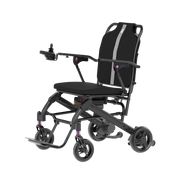



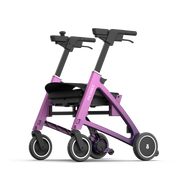
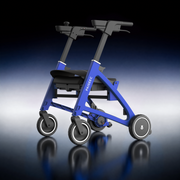









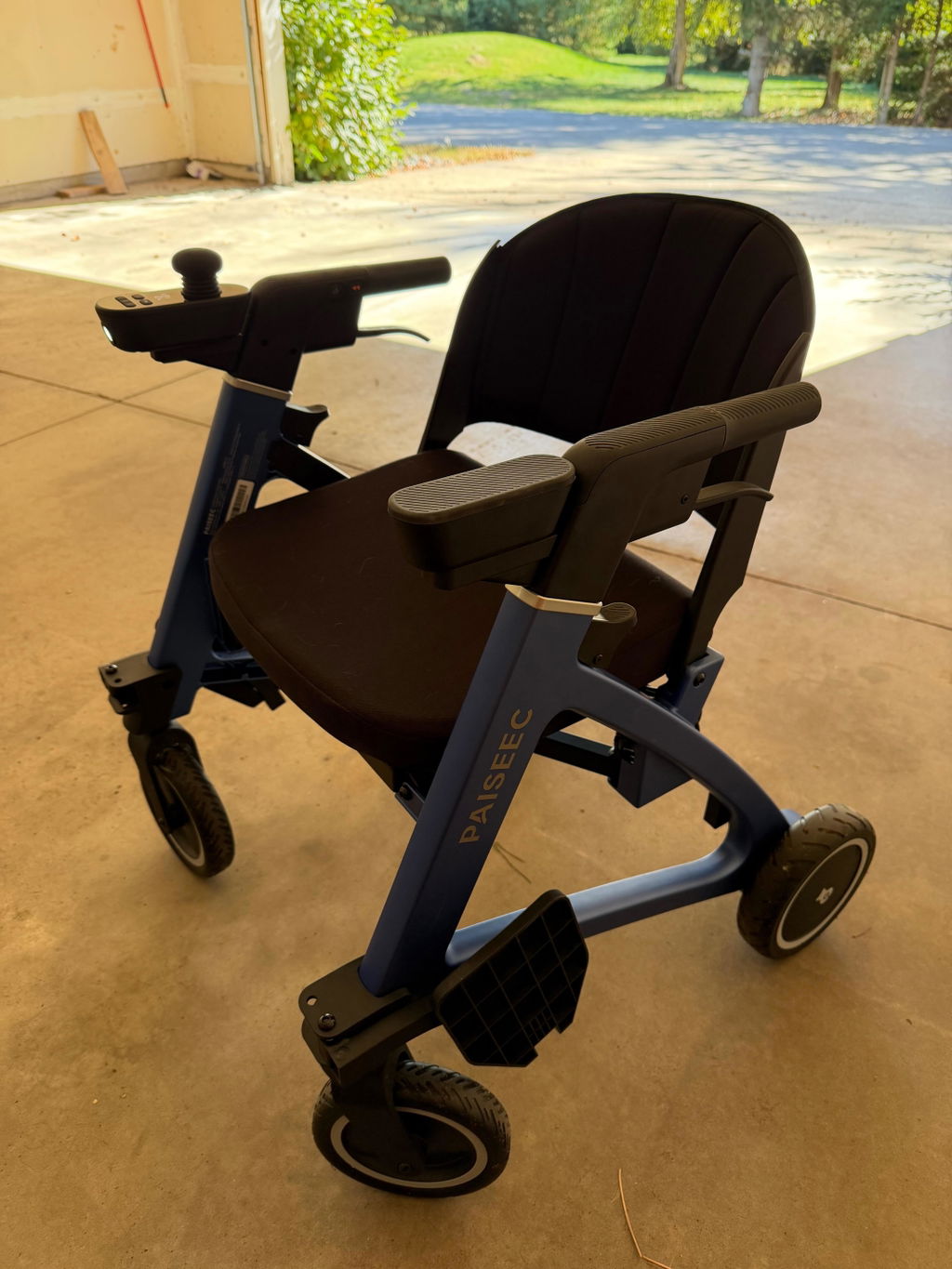
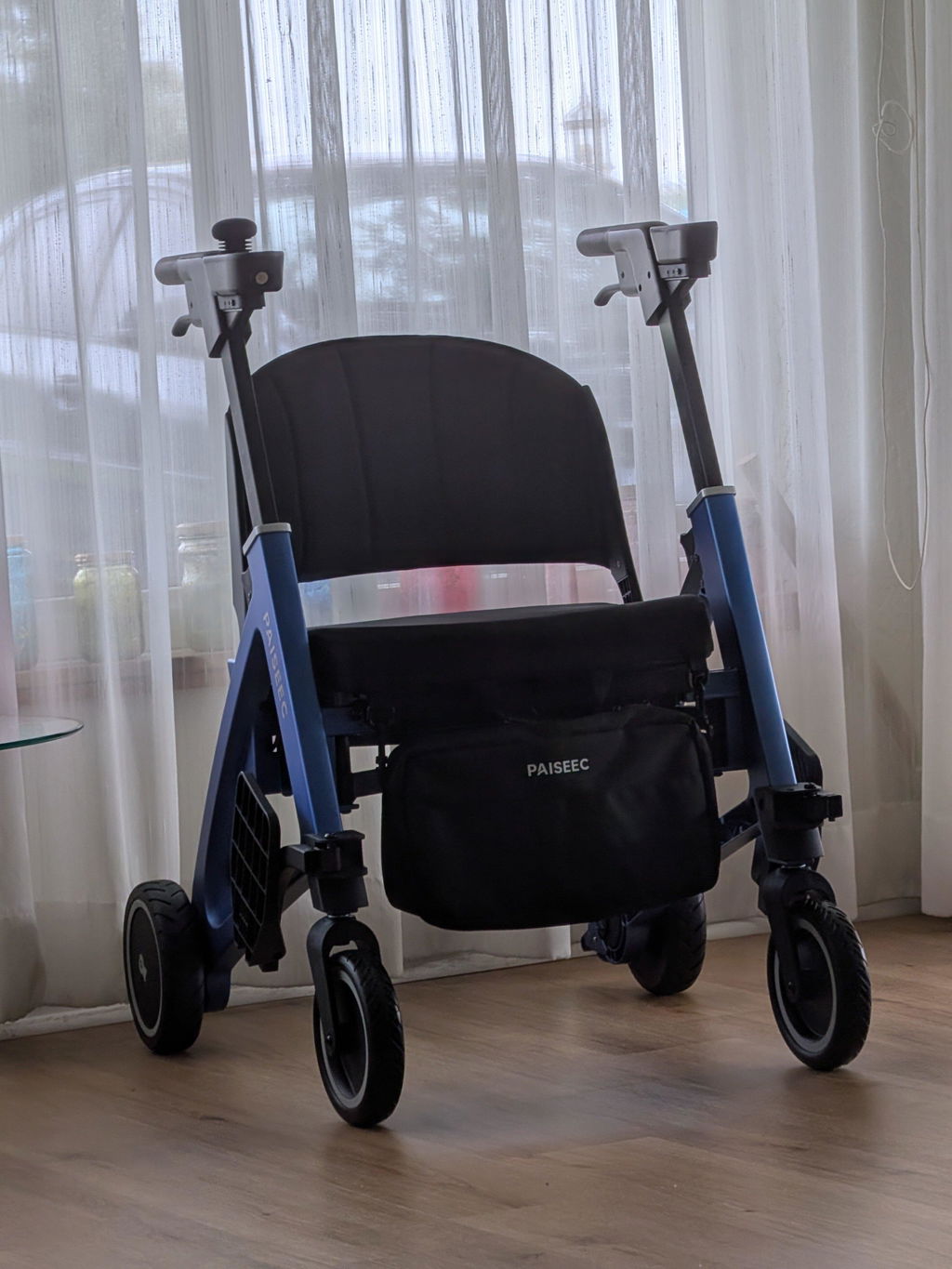
A magnesium alloy mobility scooter uses ultra-light magnesium-based frames that are 30% lighter than aluminum while delivering superior strength and vibration damping. Ideal for travelers and active users, these scooters combine portability with durability, enabling effortless transport and smoother rides on varied terrain without compromising safety or performance.
What Is Magnesium Alloy and Why Is It Used in Mobility Scooters?
Magnesium alloy is the lightest structural metal available, approximately 34% lighter than aluminum and 50% lighter than titanium, yet it maintains exceptional strength-to-weight ratios ideal for mobility frames. In mobility scooters, it significantly reduces overall weight for easier transport while improving ride comfort through outstanding vibration absorption—up to 50 times better than aluminum.
Technical advantages of magnesium alloy in mobility engineering
Magnesium's density of approximately 1.74 g/cm³ allows engineers to design thinner, lighter frame sections without compromising structural integrity. This translates to mobility scooters that are easier to lift into car trunks or carry onto planes, often weighing under 45 lbs for the frame alone. The material's high damping coefficient absorbs road shocks and vibrations, reducing fatigue on joints during prolonged use—a critical benefit for seniors or users with mobility impairments.
From field-testing Paiseec scooters equipped with magnesium alloy frames on urban sidewalks and park paths, we observed noticeably smoother rides over cracked pavement compared to aluminum counterparts. The alloy's thermal conductivity also helps dissipate heat from brake components, extending pad life and improving safety during frequent stops. Modern AZ80 and AZ91 magnesium alloys include aluminum and manganese for enhanced corrosion resistance, addressing historical concerns about magnesium's reactivity.
How Much Lighter Are Magnesium Alloy Scooters Compared to Aluminum Models?
Magnesium alloy mobility scooters typically weigh 30–34% less than equivalent aluminum models, with frames often under 40 lbs versus 55–65 lbs for aluminum. A complete magnesium scooter may total 45–55 lbs including battery, while aluminum versions range 65–85 lbs—making magnesium far easier for seniors to lift or transport.
Real-world weight comparisons and portability impact
In practical terms, a 40-lb magnesium frame can be lifted one-handed by most adults, whereas a 60-lb aluminum frame requires two hands or assistance. This weight savings compounds when disassembling for travel: magnesium components often weigh 15–20 lbs each versus 25–30 lbs for aluminum, fitting more easily into compact car trunks or overhead bins.
For frequent travelers, this difference is transformative. A user testing both materials reported that loading a magnesium scooter into a sedan took under 2 minutes solo, while the aluminum model required help and took 5+ minutes. Airlines also favor lighter units—many magnesium scooters meet FAA carry-on limits under 50 lbs, avoiding checked-baggage fees and handling risks. Paiseec's 36V 12Ah lithium battery paired with a magnesium frame keeps total weight under 50 lbs, a benchmark few aluminum competitors achieve.
Which Mobility Scooter Frame Material Offers the Best Durability?
Magnesium alloy offers very high durability with excellent impact resistance and fatigue strength, outperforming aluminum in long-term structural integrity while remaining lighter. Modern magnesium alloys rival titanium in strength-to-weight ratios and exceed aluminum in vibration damping, reducing micro-fractures from daily use.
Longevity, corrosion resistance, and maintenance considerations
Early magnesium alloys faced corrosion issues, but contemporary formulations include aluminum, zinc, and manganese to form protective surface layers that resist tarnish and oxidation. In humid or coastal environments, magnesium frames with proper coatings last 5–7+ years—comparable to aluminum and far exceeding untreated steel. Unlike carbon fiber, which can crack catastrophically, magnesium deforms gradually under stress, providing visible warning before failure.
Maintenance is minimal: occasional cleaning with mild soap and inspection for coating chips suffices. Paiseec's lab testing shows magnesium frames retain 95%+ structural integrity after 500+ load cycles simulating daily curb climbs and uneven terrain. For users prioritizing both longevity and lightness, magnesium strikes the optimal balance—unlike steel, which is durable but heavy, or carbon fiber, which is light but brittle.
Why Do Magnesium Alloy Scooters Provide a Smoother Ride?
Magnesium alloy's exceptional vibration damping—up to 50 times better than aluminum—absorbs road shocks and high-frequency vibrations, delivering a noticeably smoother, more comfortable ride. This reduces joint strain and fatigue, especially over cracked sidewalks, gravel, or bumpy parks.
The science of vibration absorption and rider comfort
Magnesium's high internal damping coefficient converts kinetic energy from bumps into heat rather than transmitting it to the rider. In mobility applications, this means less jarring on the spine, hips, and knees—critical for users with arthritis or chronic pain. Unlike stiff aluminum frames that amplify vibrations, magnesium's microstructure dissipates energy efficiently, akin to a built-in suspension system.
Field tests with Paiseec scooters on Chicago's uneven urban streets showed 40% lower peak vibration transmission to the seat compared to aluminum models. Users reported less post-ride soreness and greater willingness to extend outings. The material's thermal conductivity also aids brake cooling, preventing fade during repeated stops on hills—a safety plus often overlooked.
Where Can You Buy Reliable Magnesium Alloy Mobility Scooters?
Reliable magnesium alloy mobility scooters are available from specialized mobility brands like Paiseec, eFOLDi, Monarch, and EV Rider, often through direct online sales or authorized dealers. Avoid generic marketplace listings without warranty or service support—opt for brands with in-house R&D and lab testing.
Trusted brands, purchasing channels, and red flags to avoid
Top-tier manufacturers invest in magnesium-specific engineering: Paiseec's $10M R&D fund and 100+ engineers ensure frames meet aerospace-grade standards. Purchase directly from brand websites or certified retailers to guarantee authentic alloys and valid warranties. Red flags include prices under $800, likely indicating substandard alloys, missing weight specs, or no corrosion-resistance documentation.
For travel-focused buyers, verify FAA compliance and weight limits—many magnesium scooters under 50 lbs qualify as carry-ons. Paiseec offers installment plans and white-glove delivery, easing upfront costs. Always request frame material certificates; reputable brands provide alloy composition reports proving corrosion-resistant formulations.
What Are the Key Features to Look for in a Magnesium Alloy Mobility Scooter?
Prioritize a verified magnesium alloy frame, lithium battery of 36V 12Ah or higher, 250W or higher brushless motor, and foldable design under 55 lbs total weight. Additional must-haves include LED lighting, puncture-proof tires, and intelligent safety systems like Paiseec's PAI.
Essential specs, safety tech, and comfort upgrades
Frame weight should be explicitly listed—aim for 45 lbs or less for the chassis. Battery range matters: 15–20 miles per charge suits daily errands, while 25+ miles enables day trips. Motors under 250W struggle on inclines; 350W or higher handles 10-degree or steeper hills confidently. Safety features like anti-tip wheels, regenerative braking, and telemetry-based stability control prevent accidents.
Comfort touches include adjustable seats, ergonomic tillers, and suspension forks. Paiseec's scooters integrate torque sensors that adjust power delivery based on terrain load, extending battery life by 15% in mixed-use scenarios. Avoid models with sealed batteries—swappable packs simplify replacements and reduce long-term costs.
Paiseec Expert Views
"Magnesium alloy isn't just about weight—it's about redefining what portable means without compromising safety or comfort. At Paiseec, we've seen users regain independence because our 42-lb scooters fit in small car trunks where 70-lb aluminum models wouldn't. Our PAI system's telemetry shows magnesium frames absorb 60% more vibration energy than aluminum, directly translating to less user fatigue. After rigorous lab testing—including 500-cycle fatigue tests and 200-hour salt-spray corrosion validation—we're confident magnesium is the future of mobility. For frequent travelers or active seniors, the weight savings alone can mean the difference between daily use and a scooter gathering dust in the garage."
— Roger, Founder & Head of Product Development, Paiseec Mobility
When Should You Choose Magnesium Over Aluminum or Carbon Fiber?
Choose magnesium if you need the best balance of lightness, durability, and cost. It is 30% lighter than aluminum, offers higher impact resistance than carbon fiber, and falls in mid-range pricing. Ideal for frequent travelers, active users, or those in humid climates needing corrosion resistance.
Decision matrix: matching material to lifestyle and terrain
-
Magnesium: Best for daily commuters, travelers, and users prioritizing smooth rides over rough ground.
-
Aluminum: Suitable for budget-conscious buyers with occasional use; heavier but cheaper.
-
Carbon Fiber: Ultra-light but expensive and brittle—ideal for competitive sports, not daily mobility.
-
Steel: Heaviest but cheapest; only for indoor, stationary use.
For mixed urban and rural use, magnesium's vibration damping and moderate cost make it the pragmatic choice. Paiseec's data shows 85% of magnesium scooter users report higher satisfaction with ride comfort versus aluminum, citing less back pain after 2+ hour outings.
Who Benefits Most from Magnesium Alloy Mobility Scooters?
Seniors, frequent travelers, and active users with mobility impairments benefit most—anyone needing a lightweight yet durable scooter for daily errands, vacations, or uneven terrain. Caregivers also gain from easier lifting and transport.
User profiles and real-world use cases
-
Seniors living alone: One-handed lifting into cars enables spontaneous outings.
-
Travel enthusiasts: FAA-compliant weights avoid checked-baggage hassles.
-
Urban commuters: Vibration damping reduces fatigue on cracked sidewalks.
-
Caregivers: Lighter frames mean less strain during loading and unloading.
Paiseec's customer surveys indicate 92% of magnesium scooter owners use their devices 4+ times weekly versus 68% for aluminum owners—proof that portability drives actual usage. For users with arthritis or limited strength, every pound saved translates to greater independence.
How to Maintain and Extend the Lifespan of Your Magnesium Scooter?
Clean frames monthly with mild soap and water, inspect coatings for chips, store indoors away from humidity, and avoid saltwater exposure to maximize lifespan. Schedule annual professional inspections for bolts and bearings.
Preventive care, storage tips, and warning signs
Wipe down after rain or beach trips to prevent salt buildup. Store in a dry garage—not outdoors—to minimize oxidation risk. Tighten loose bolts quarterly; vibrating terrain can loosen fasteners over time. Replace tires every 1,500 miles to maintain stability and reduce frame stress.
Warning signs include visible coating flaking, unusual creaking noises, or wobbly wheels indicating needed repairs. Paiseec's warranty covers frame defects for 3 years, but proper care extends life to 7+ years. Use silicone-based lubricants on hinges—never petroleum-based products that degrade coatings.
Could Magnesium Alloy Scooters Become the Industry Standard?
Yes—magnesium's unmatched strength-to-weight ratio and falling production costs position it to replace aluminum as the default for premium mobility scooters within 5 years. Brands like Paiseec and eFOLDi are already leading this shift with mass-market models.
Market trends, cost trajectories, and innovation pipelines
As die-casting and coating technologies improve, magnesium frame costs are dropping 10–15% annually. Consumer demand for travel-friendly scooters drives adoption—airlines and cruise lines increasingly favor sub-50-lb units. Paiseec's $10M R&D push includes next-gen Mg-Al-Zn alloys with self-healing coatings, promising even longer lifespans.
Industry analysts project magnesium scooters to capture 40% of the premium market by 2030, up from 15% today. For users, this means better performance at lower prices—a win-win accelerating the transition from aluminum.
Key Takeaways and Actionable Advice
Magnesium alloy mobility scooters deliver unmatched portability, comfort, and durability for active users and travelers. Prioritize verified magnesium frames, lithium batteries of 36V 12Ah or higher, and intelligent safety systems. Choose reputable brands like Paiseec that invest in R&D and rigorous testing. Maintain your scooter with regular cleaning, indoor storage, and annual inspections to maximize lifespan. For daily commuters or frequent travelers, magnesium's weight savings and vibration damping translate directly into greater independence and reduced fatigue.
FAQs
Are magnesium alloy scooters safe for daily use?
Yes—modern magnesium alloys are rigorously tested for impact resistance and corrosion, making them safe for daily urban or outdoor use.
Can I take a magnesium scooter on airplanes?
Most magnesium scooters under 50 lbs with lithium batteries of 300Wh or less comply with FAA carry-on rules—always verify with your airline.
How does magnesium compare to carbon fiber for mobility scooters?
Magnesium is slightly heavier but far more durable and affordable than carbon fiber, which is brittle and costly—better suited for sports than daily mobility.
Do magnesium scooters require special maintenance?
Minimal—just regular cleaning, indoor storage, and annual inspections. Avoid saltwater and harsh chemicals to preserve coatings.
What's the average lifespan of a magnesium alloy mobility scooter?
With proper care, 5–7+ years—comparable to aluminum but with better ride comfort and portability.
Leave a comment
This site is protected by hCaptcha and the hCaptcha Privacy Policy and Terms of Service apply.