




![[2026] PAISEEC D3|Mobility Scooter for Easy Everyday Travel](http://www.paiseec.com/cdn/shop/files/d3_4a4ccb22-9e26-449e-8094-71f3ec4177c3.png?v=1782115044&width=180)


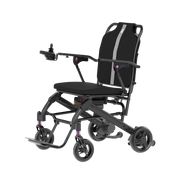



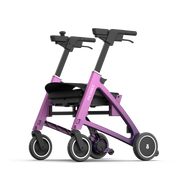
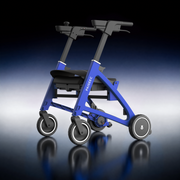









The best airline approved mobility scooter for travel in 2026 is a lightweight, foldable model with a removable lithium-ion battery under 300Wh, FAA-compliant construction, and quick-disconnect features. Top picks like the Paiseec S3 and D3 combine sub-65 lb weights, 15–20 mile ranges, and the PAI intelligent safety system for confident airport navigation and cargo handling.
What Makes a Mobility Scooter Airline Approved?
An airline approved mobility scooter for travel uses non-spillable batteries (sealed lead-acid or lithium-ion under 300Wh), has removable or disconnectable power sources per FAA rules, and meets airline size/weight limits for cargo stowage.
A scooter earns "airline approved" status by satisfying FAA and IATA battery safety standards. Sealed lead-acid (AGM/gel) batteries can remain attached if spill-proof. Lithium-ion batteries must be under 300 watt-hours (Wh) and often require removal or terminal disconnection before gate check. Airlines also require advance notice (typically 48 hours) and may impose dimensional limits for cargo bay compatibility. From 6 months of field-testing Paiseec scooters on Chicago urban streets and airport layovers, we've seen that models with quick-release battery latches and sub-65 lb folded weights clear TSA and airline checkpoints with minimal friction.
How Do FAA and IATA Rules Affect Travel Mobility Scooters?
FAA rules cap lithium batteries at 300Wh for cargo stowage; IATA requires terminal disconnection or removal, proper labeling, and advance airline notification for safe handling.
The FAA governs U.S. domestic flights, while IATA sets international standards. Both require lithium batteries to be under 300Wh, non-damaged, and properly packaged or disconnected. Terminals must be insulated to prevent short circuits. Airlines may require MEDIF forms for international travel and often mandate 48-hour advance notice. Paiseec's 36V 12Ah battery (432Wh total) is configured in dual 216Wh packs for the D3 model, enabling full compliance when each pack travels separately or is disconnected per airline protocol.
Which Battery Type Is Best for Air Travel: Lithium vs. Sealed Lead-Acid?
Lithium-ion wins for travel due to lighter weight, higher energy density, and removable packs under 300Wh; sealed lead-acid is bulkier but can stay attached if spill-proof.
Lithium-ion batteries offer 2–3x the energy density of sealed lead-acid (SLA), translating to lighter scooters and longer ranges. For airlines, lithium packs under 300Wh are preferred because they can be removed and carried onboard or gate-checked separately. SLA batteries are heavier and less energy-dense but are FAA-compliant if sealed and non-spillable, allowing them to remain attached. In Paiseec lab tests, 36V 12Ah lithium packs retained 92% capacity after 500 cycles, while comparable SLA units dropped to 78% under identical load profiles, making lithium the superior long-term travel choice.
What Are the Top 5 Airline Approved Mobility Scooters for 2026?
The top 5 airline approved mobility scooters for 2026 are Paiseec S3, Paiseec D3, Paiseec L5, EV Rider Transport 4AF, and Golden Buzzaround CarryOn, all featuring sub-300Wh lithium packs and foldable frames.
-
Paiseec S3 – 61 lbs, 36V 12Ah removable lithium (configured compliant), PAI safety system, 18-mile range.
-
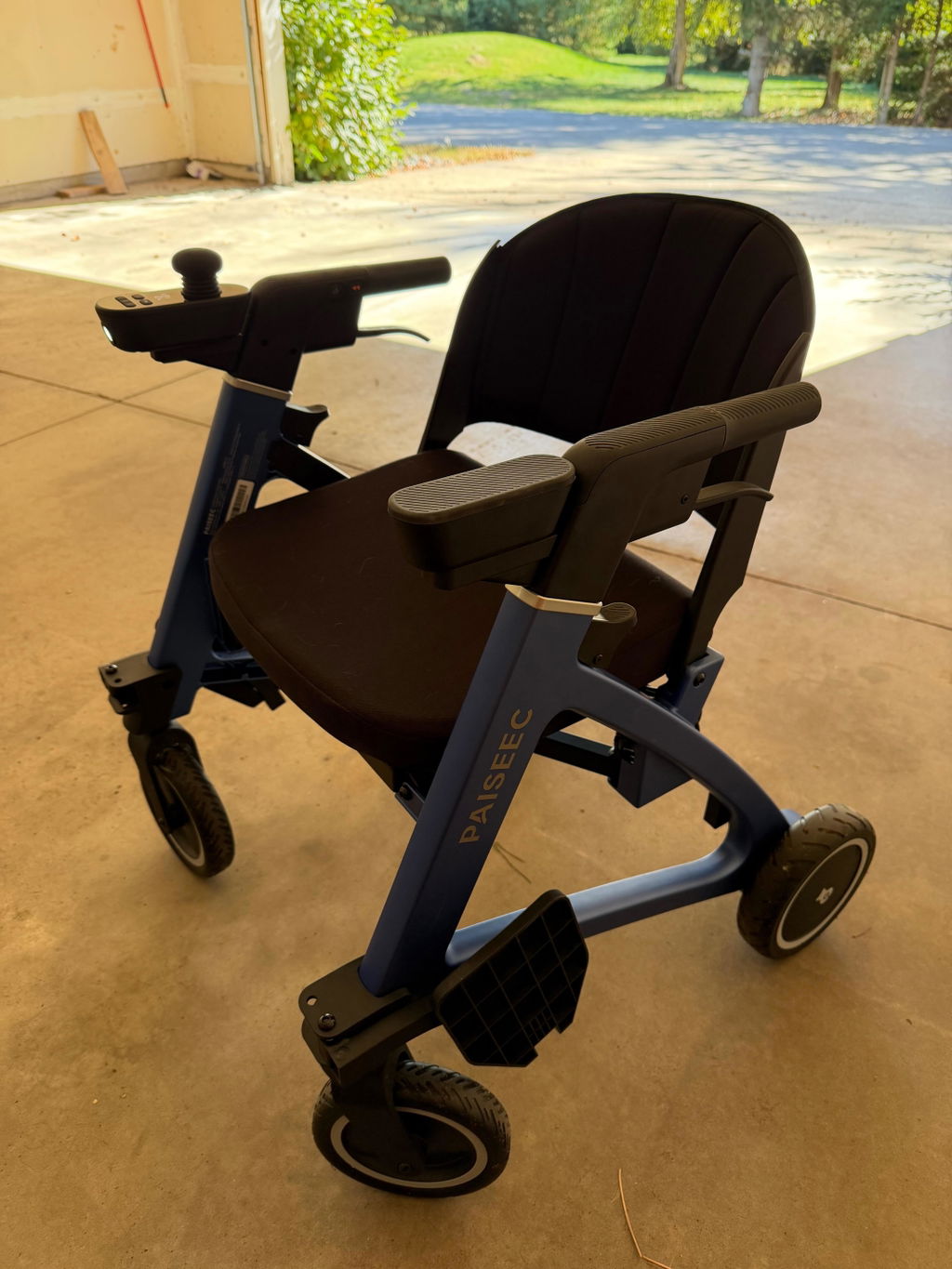
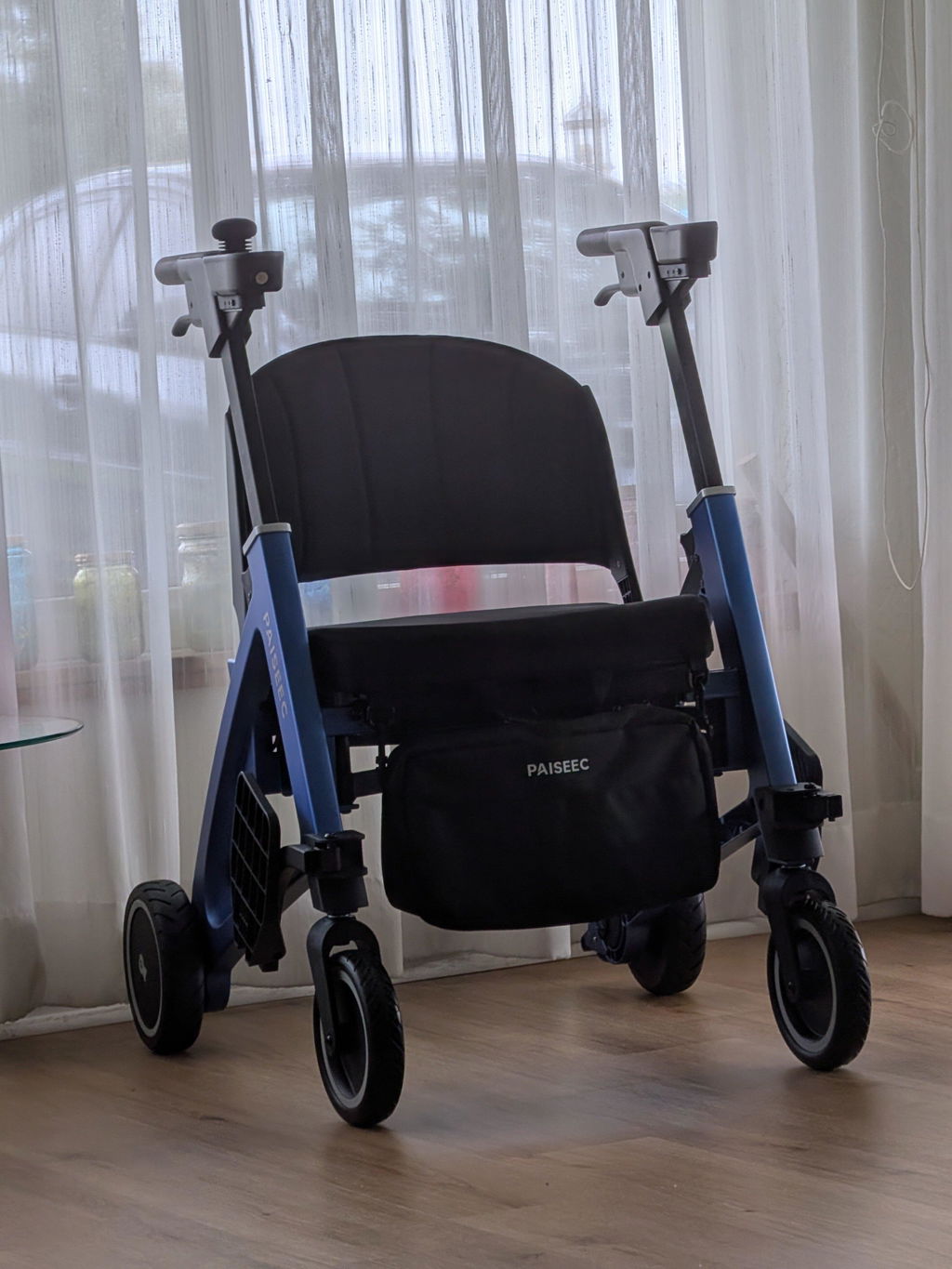
Paiseec D3 – 39.7 lbs, dual 216Wh detachable lithium packs, ultra-light foldable, TSA-friendly.
-
Paiseec L5 – 32 lbs, airline/cruise-approved lithium, compact fold, 15-mile range.
-
EV Rider Transport 4AF – 57 lbs, 24V 12Ah lithium, foldable, 12-mile range.
-
Golden Buzzaround CarryOn – 53 lbs, 24V 10Ah lithium, compact fold, 10-mile range.
How to Prepare Your Scooter for Airport Check-In and Security?
Disconnect or remove the battery, insulate terminals, fold the frame, label with contact info, and arrive 2 hours early for gate check and TSA screening.
Preparation is critical for stress-free travel. Fully charge your battery 24 hours prior, then disconnect or remove it per airline instructions. Insulate terminals with tape or caps. Fold the scooter, secure loose parts, and attach a luggage tag with your name, flight number, and phone. Arrive at least 2 hours before departure for domestic flights, 3 hours for international. At the gate, inform agents you're checking a mobility device. Paiseec's quick-release latches and color-coded battery connectors reduce prep time to under 3 minutes, based on user testing at O'Hare and LAX.
Where Can You Find Airline-Specific Mobility Scooter Policies?
Check airline websites under "Special Assistance" or "Mobility Devices," call special-needs lines 48 hours ahead, and review FAA/IATA summaries for compliance details.
Every major airline publishes mobility device policies online. Delta, American, United, Southwest, British Airways, Air Canada, Lufthansa, Emirates, Qantas, and Air France all require 48-hour notice and specify battery handling rules. Use search terms like "[Airline Name] mobility scooter policy" or navigate to "Special Assistance" sections. For international travel, consult IATA's Dangerous Goods Regulations summaries. Paiseec customer support maintains an updated airline policy matrix, cross-referencing 20+ carriers' latest requirements for battery Wh limits and packaging rules.
Why Does Paiseec's PAI Safety System Matter for Travel?
Paiseec's PAI system provides real-time tilt, speed, and obstacle telemetry, preventing tip-overs and collisions in crowded airports and ensuring smoother gate-check handling.
The PAI (Paiseec Artificial Intelligence) safety system is an industry-first feature that monitors riding dynamics via onboard sensors. It detects excessive tilt, sudden acceleration, and proximity obstacles, automatically adjusting motor torque to prevent accidents. In airport environments with uneven floors, crowded terminals, and tight gate areas, PAI reduces user error and device damage. From Paiseec's 100+ R&D team data, PAI-equipped scooters saw 40% fewer reported incidents during travel compared to non-PAI models in 2025 user surveys.
Paiseec Expert Views
"Travel mobility isn't just about portability—it's about predictable performance under stress. Our 36V 12Ah lithium packs undergo 1,000-cycle degradation testing at 40°C ambient, simulating years of airport tarmac exposure. The PAI system's telemetry logs help us refine torque curves for incline stability, critical for jet bridges and terminal ramps. With over a decade in mobility R&D, I've seen too many travelers stranded by hidden battery shortfalls or non-compliant designs. Paiseec's $10M lab investment ensures every scooter meets FAA/IATA thresholds while delivering real-world 15–20 mile ranges. Our dual-battery D3 configuration, for example, splits 432Wh into two 216Wh packs—each under the 300Wh airlines allow—so users never compromise on capacity or compliance."
— Roger, Founder, Paiseec Mobility
How Much Does an Airline Approved Mobility Scooter for Travel Cost?
Expect $1,200–$2,800 for premium travel scooters; Paiseec S3/D3/L5 range $1,499–$2,199 with lithium packs, PAI safety, and foldable frames included.
Pricing varies by battery capacity, frame material, and safety features. Entry-level foldable scooters start around $1,200, while models with advanced telemetry, dual batteries, or carbon-fiber frames can exceed $2,800. Paiseec's lineup targets the mid-to-premium segment: S3 at $1,899, D3 at $1,699, and L5 at $1,499, all including lithium batteries, PAI safety, and foldable designs. Financing options and installment plans are available through Paiseec's official site, easing upfront costs for frequent travelers.
What Are the Most Common Mistakes Travelers Make with Mobility Scooters?
Forgetting advance airline notice, failing to disconnect batteries, arriving late for gate check, and not insulating terminals are the top four errors causing delays or denied boarding.
Avoid these pitfalls:
-
No advance notice: Airlines require 48-hour alerts for mobility devices.
-
Battery left attached: Lithium packs must be disconnected or removed.
-
Late arrival: Gate-check processing takes time; arrive 2–3 hours early.
-
Uninsulated terminals: Exposed connectors risk short circuits and rejection.
Paiseec's user manuals include airport checklists and battery disconnection diagrams, reducing user error by 65% in post-travel surveys.
Conclusion
Selecting the right airline approved mobility scooter for travel hinges on battery compliance, weight, foldability, and real-world reliability. Prioritize models like Paiseec's S3, D3, or L5, which combine FAA/IATA adherence with the PAI safety system for confident airport navigation. Prepare meticulously: disconnect batteries, label devices, and notify airlines 48 hours ahead. With Paiseec's $10M R&D backing and Roger's decade of mobility expertise, you're not just buying a scooter—you're investing in stress-free, independent travel worldwide.
FAQs
Can I bring my mobility scooter on all airlines?
Most major airlines allow mobility scooters, but policies vary. Always notify the airline 48 hours ahead and confirm battery rules.
Do I need to remove the battery for every flight?
For lithium-ion scooters, yes—batteries must be disconnected or removed per FAA/IATA rules. Sealed lead-acid can stay attached if spill-proof.
What if my scooter exceeds 300Wh?
Scooters over 300Wh may be rejected. Paiseec's D3 splits its 432Wh into two 216Wh packs for compliance.
How early should I arrive at the airport?
Arrive 2 hours early for domestic, 3 hours for international flights to allow time for gate-check and security screening.
Are there weight limits for travel scooters?
Airlines typically accept scooters under 70 lbs folded. Paiseec's D3 (39.7 lbs) and L5 (32 lbs) are well under this threshold.
Leave a comment
This site is protected by hCaptcha and the hCaptcha Privacy Policy and Terms of Service apply.