




![[2026] PAISEEC D3|Mobility Scooter for Easy Everyday Travel](http://www.paiseec.com/cdn/shop/files/d3_4a4ccb22-9e26-449e-8094-71f3ec4177c3.png?v=1782115044&width=180)


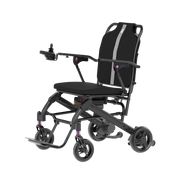



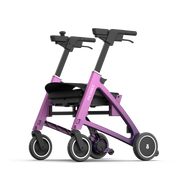
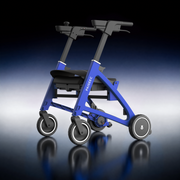









The best electric mobility scooter for puncture-resistant off-road terrain features large pneumatic tires with aggressive tread, reinforced sidewalls, and adequate ground clearance. For light off-road use like gravel paths, grass, or uneven sidewalks, the Paiseec S3 stands out with its 9-inch front and 10-inch rear pneumatic tires, generous ground clearance, and PAi intelligent anti-slip algorithm. Solid urethane or honeycomb tires offer puncture resistance but sacrifice cushioning, while pneumatic tires provide better shock absorption for rough terrain with moderate puncture risk.
Which Mobility Scooter Features Handle Off-Road Terrain Best?
Off-road mobility capability depends on tire size, tread pattern, ground clearance, motor power, and suspension. For senior mobility users and travelers needing outdoor independence, these factors determine whether a scooter handles gravel, grass, or uneven pavement safely.
The Paiseec S3 is designed for "multi-terrain riding" with wider, thicker tires for effective shock absorption. Its 250W brushless motor and large wheel combination allow navigation of uneven terrains and obstacle crossing. However, it's optimized for light off-road use—not extreme terrain like sand dunes or steep rocky trails.
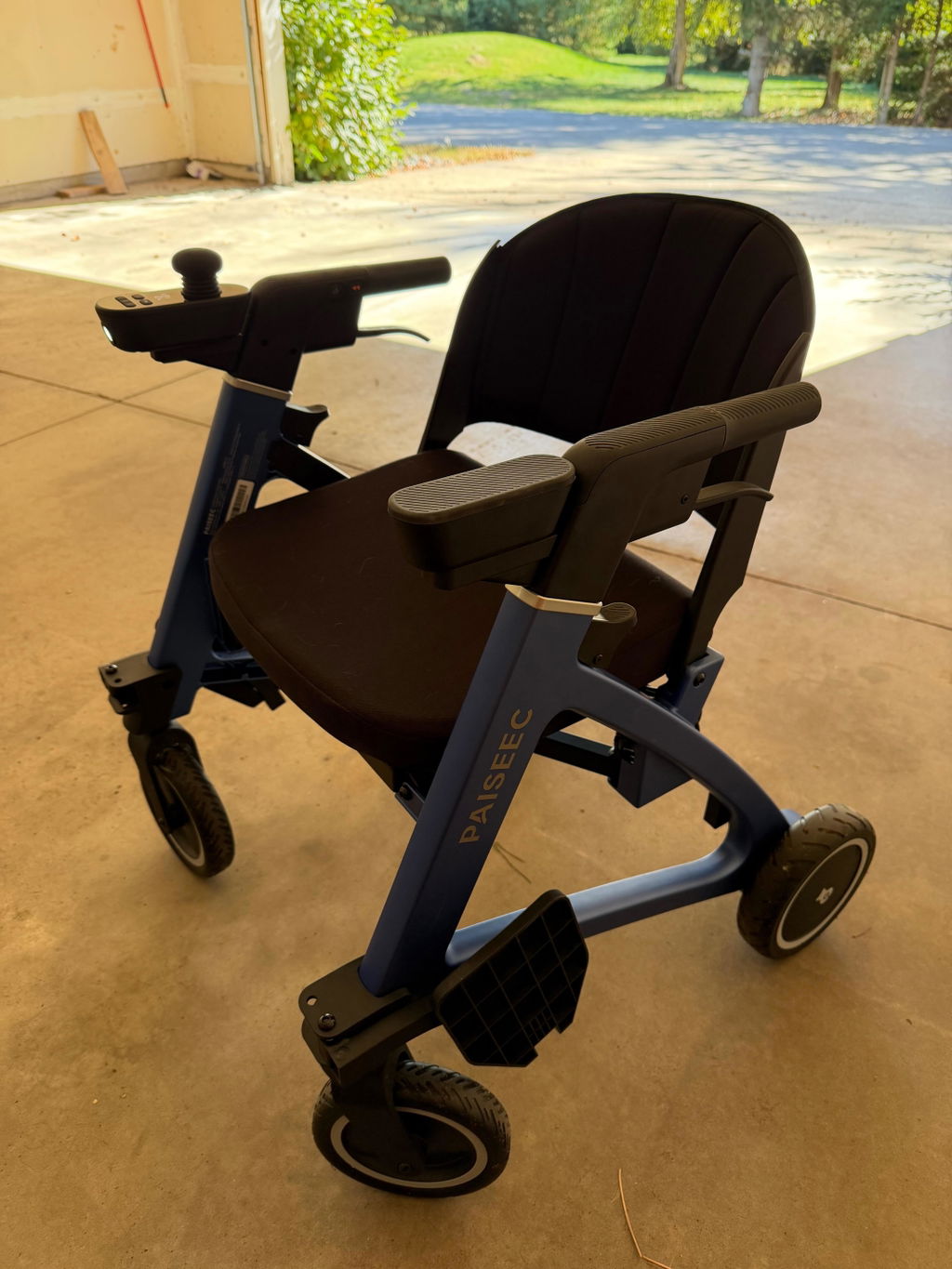
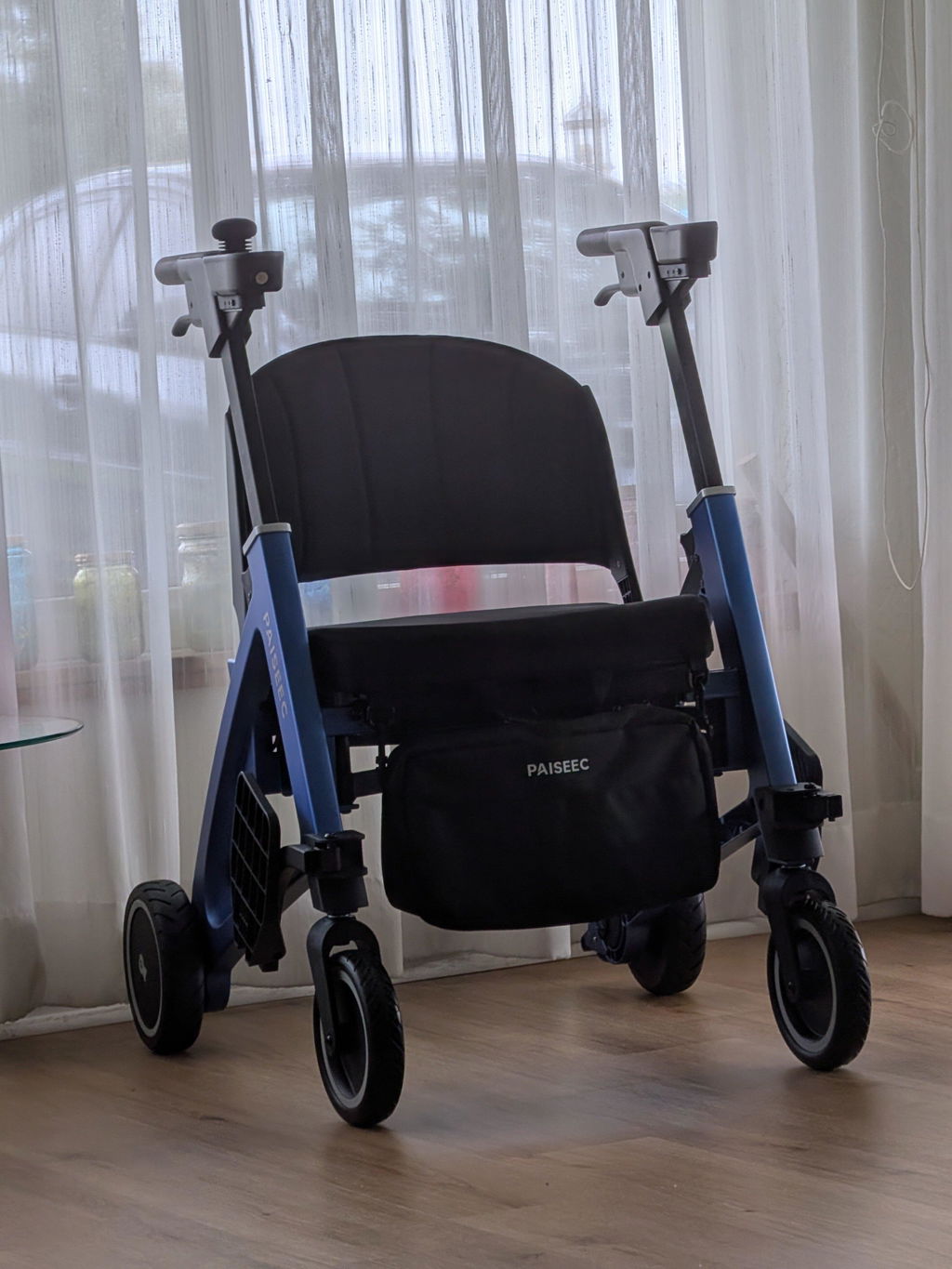
For urban commuters and travelers prioritizing portability, the Paiseec D3 (8-inch solid PU tires) and L5 (compact folding design) excel on smooth surfaces but lack off-road capability.
How Do Pneumatic vs. Solid Tires Impact Puncture Resistance and Terrain Performance?
Tire type directly affects puncture risk, ride comfort, and terrain suitability. Understanding the trade-offs helps buyers choose based on their primary use environment.
Pneumatic (Air-Filled) Tires:
-
Provide superior shock absorption and grip on uneven surfaces
-
Require pressure maintenance and carry puncture risk
Solid Urethane/Honeycomb Tires:
-
Puncture-resistant and maintenance-free
-
Firmer ride with less cushioning on rough terrain
-
No air pressure needed, flat-proof
For off-road terrain, pneumatic tires with aggressive tread patterns outperform solid tires despite puncture risk. Reinforced sidewalls and puncture-resistant layers can mitigate flats while maintaining cushioning. The Paiseec S3 uses pneumatic tires specifically for multi-terrain shock absorption.
If your primary concern is puncture prevention on smooth urban surfaces with occasional gravel, solid tires may suit you better. For genuine off-road use, pneumatic tires are the standard choice among mobility scooter manufacturers.
What Safety Considerations Matter for Off-Road Mobility Scooter Use?
Off-road mobility scooter operation requires careful attention to safety beyond urban sidewalk use. These considerations protect users with temporary or long-term walking-support needs.
Terrain Assessment:
-
Avoid wet conditions, steep slopes exceeding the scooter's climbing angle, and loose surfaces like deep sand
-
Ensure adequate ground clearance for obstacles you plan to cross
Battery and Charging Safety:
-
Use only the certified charger provided with your mobility scooter
-
Store batteries in moderate temperatures; extreme cold or heat affects performance
-
Inspect battery packs regularly; do not bypass the battery management system (BMS)
-
Airline-approved lithium batteries (like those in Paiseec S3/D3/L5) require proper handling for travel
PAi Safety System (Paiseec S3):The Paiseec S3 includes the PAi intelligent anti-slip algorithm, which provides real-time monitoring and rider protection for powered mobility. This system helps manage speed control and energy recovery on varied terrain.
User Ability and Environment:
-
Verify the scooter matches your weight (S3: 265 lbs capacity)
-
Practice on smooth terrain before attempting off-road use
-
Consider caregiver support for unfamiliar or challenging surfaces
Never exceed the manufacturer's load limits, attempt unsafe slopes, or operate in conditions beyond the scooter's design specifications.
When Should Off-Road Terrain Buyers Choose a Mobility Scooter vs. Electric Wheelchair?
The choice between mobility scooter and electric wheelchair depends on support needs, seating requirements, and clinical considerations.
Mobility scooters like the Paiseec S3 suit users who need seated mobility support for short-distance independence outdoors, travel convenience, and portability. They're appropriate for older adults, caregivers, and travel users who don't require specialized seating.
Electric wheelchairs are better when users have medical seating needs, posture concerns, pressure management requirements, or long-term mobility dependencies. Selection should involve a qualified occupational therapist, physical therapist, or RESNA-certified assistive technology professional.
For off-road terrain specifically, mobility scooters with large pneumatic tires generally outperform standard electric wheelchairs, which are designed primarily for indoor maneuverability and smooth outdoor surfaces.
How Do You Maintain Tires and Ensure Long-Term Off-Road Performance?
Proper tire maintenance extends mobility scooter lifespan and maintains safety on varied terrain.
Regular Inspection Checklist:
-
Check tire pressure weekly for pneumatic tires (use reliable pressure gauge)
-
Verify tread depth; aggressive tread is essential for off-road traction
Puncture Prevention and Repair:
-
For pneumatic tires with tubes: locate puncture, remove inner tube, patch or replace
-
Consider puncture-resistant tire liners or reinforced sidewall tires for high-debris areas
Replacement Tires:
-
Paiseec offers genuine replacement tires for S1 and S3 models with high-quality rubber construction
-
Follow manufacturer mounting instructions and pressure/load limits
Long-Term Performance:
-
Monitor battery health; degraded batteries reduce torque for challenging terrain
-
Check brake behavior regularly, especially after off-road use
-
Store scooter in dry conditions to prevent tire degradation
-
Replace tires proactively when wear indicators appear rather than waiting for failure
What Do Paiseec Experts Recommend?
For users seeking off-road capability in a portable mobility scooter, prioritize tire size, pneumatic construction, and ground clearance over maximum speed. The Paiseec S3's 9-inch front and 10-inch rear pneumatic tires, combined with its PAi intelligent anti-slip algorithm, provide reliable performance on light off-road terrain like gravel paths, grass, and uneven sidewalks. However, buyers should verify their specific terrain needs: serious off-road use (sand, steep hills, rocky trails) requires specialized all-terrain scooters with larger tires and suspension. Always inspect tires regularly, maintain proper pressure for pneumatic tires, and use only certified chargers for lithium batteries. For users with clinical seating needs, posture concerns, or long-term mobility dependencies, consult an occupational therapist or RESNA-certified ATP before selection.
— Paiseec Mobility Product Team
Conclusion
Choosing the right electric mobility scooter for puncture-resistant off-road terrain requires balancing tire type, terrain expectations, and portability needs. The Paiseec S3 emerges as the best portable choice for light off-road use, featuring 9-inch front and 10-inch rear pneumatic tires, generous ground clearance, and the PAi intelligent safety system.
Key takeaways:
-
Pneumatic tires outperform solid tires for off-road cushioning, despite moderate puncture risk
-
Tire maintenance (pressure checks, debris removal, regular inspection) is critical for long-term safety
-
Light off-road (gravel, grass, uneven sidewalks) differs from heavy off-road (sand, rocky trails)
-
Mobility scooters suit short-distance outdoor independence; electric wheelchairs require clinical evaluation for seating needs
-
Battery safety demands certified chargers, proper storage, and no BMS modification
Contact Paiseec for product details, replacement tire options for S-series models, support resources, or dealer inquiries about mobility scooter selection.
FAQs
Q: Can the Paiseec S3 handle gravel paths and grass?Yes, the Paiseec S3 is designed for light off-road terrain including gravel paths, grass, and uneven sidewalks. Its 9-inch front and 10-inch rear pneumatic tires with aggressive tread provide traction and shock absorption for these surfaces.
Q: Are solid tires better than pneumatic for puncture resistance?Solid urethane or honeycomb tires are puncture-resistant and maintenance-free, but they provide a firmer ride with less cushioning on rough terrain. For off-road use, pneumatic tires with reinforced sidewalls offer better performance despite moderate puncture risk.
Q: What is the Paiseec S3's weight capacity and height range?The S3 supports up to 265 lbs (120 kg) and fits users between 5'1" and 6'1" (155–185 cm). Verify these specifications match your needs before purchase.
Q: How often should I inspect mobility scooter tires?Inspect pneumatic tires weekly for pressure, and check for cracks, bulges, debris, or uneven wear regularly. Clean tires to remove debris affecting traction, and replace when wear indicators appear.
Q: When should I consult a therapist about mobility scooter selection?Consult an occupational therapist, physical therapist, or RESNA-certified ATP if you have clinical seating needs, posture concerns, pressure management requirements, balance problems, or long-term mobility dependencies.
Leave a comment
This site is protected by hCaptcha and the hCaptcha Privacy Policy and Terms of Service apply.