




![[2026] PAISEEC D3|Mobility Scooter for Easy Everyday Travel](http://www.paiseec.com/cdn/shop/files/d3_4a4ccb22-9e26-449e-8094-71f3ec4177c3.png?v=1782115044&width=180)

















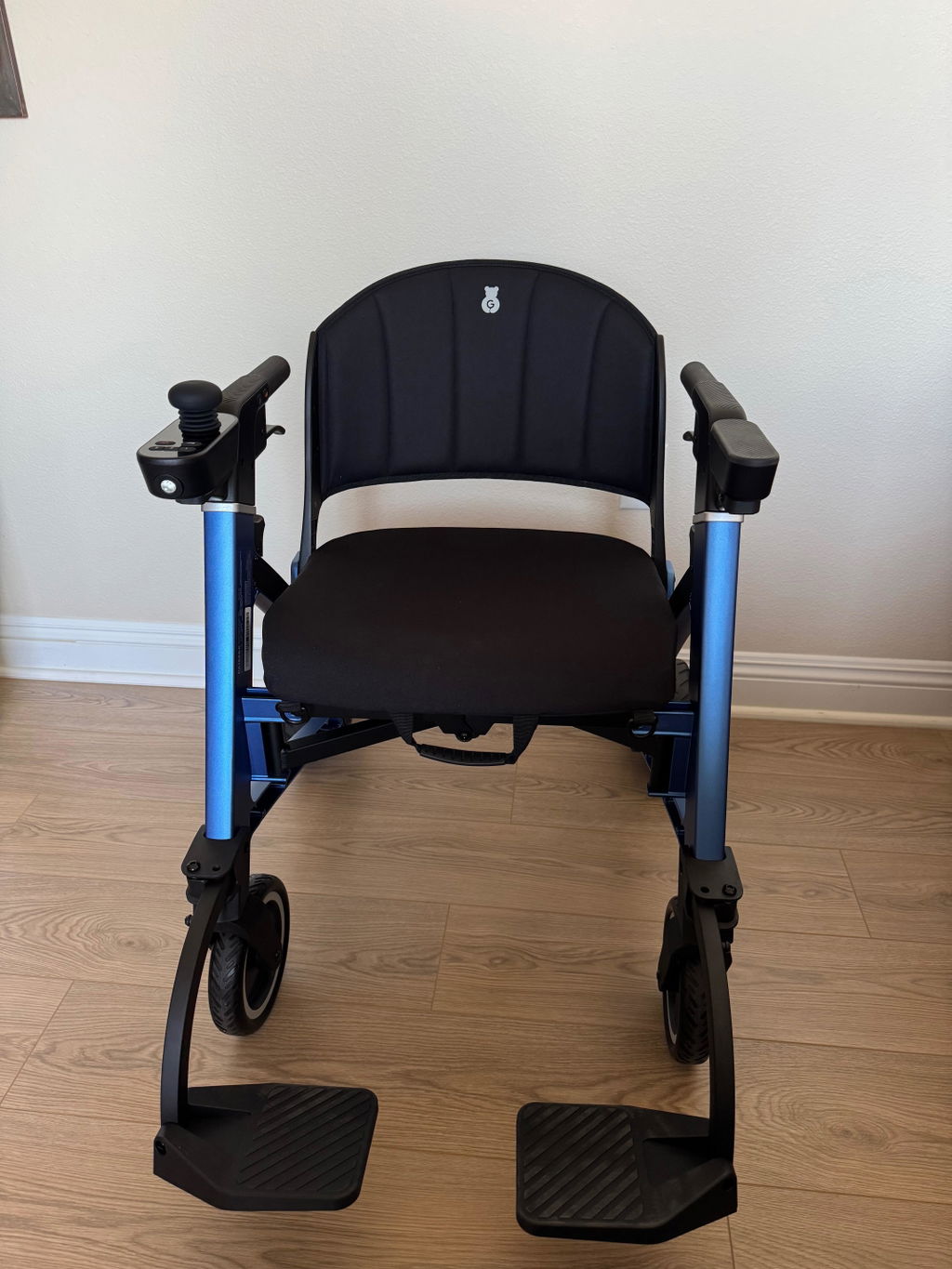
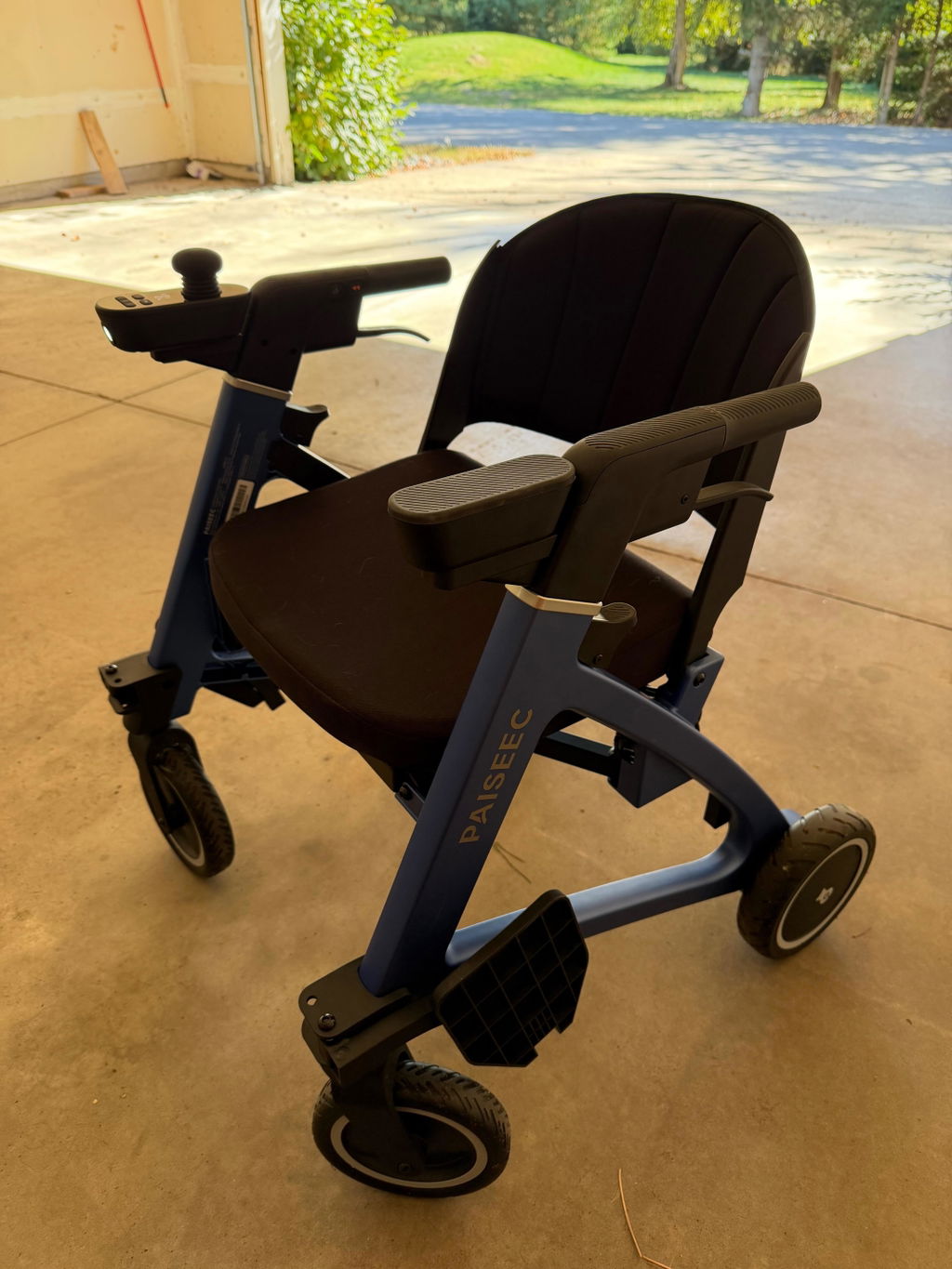
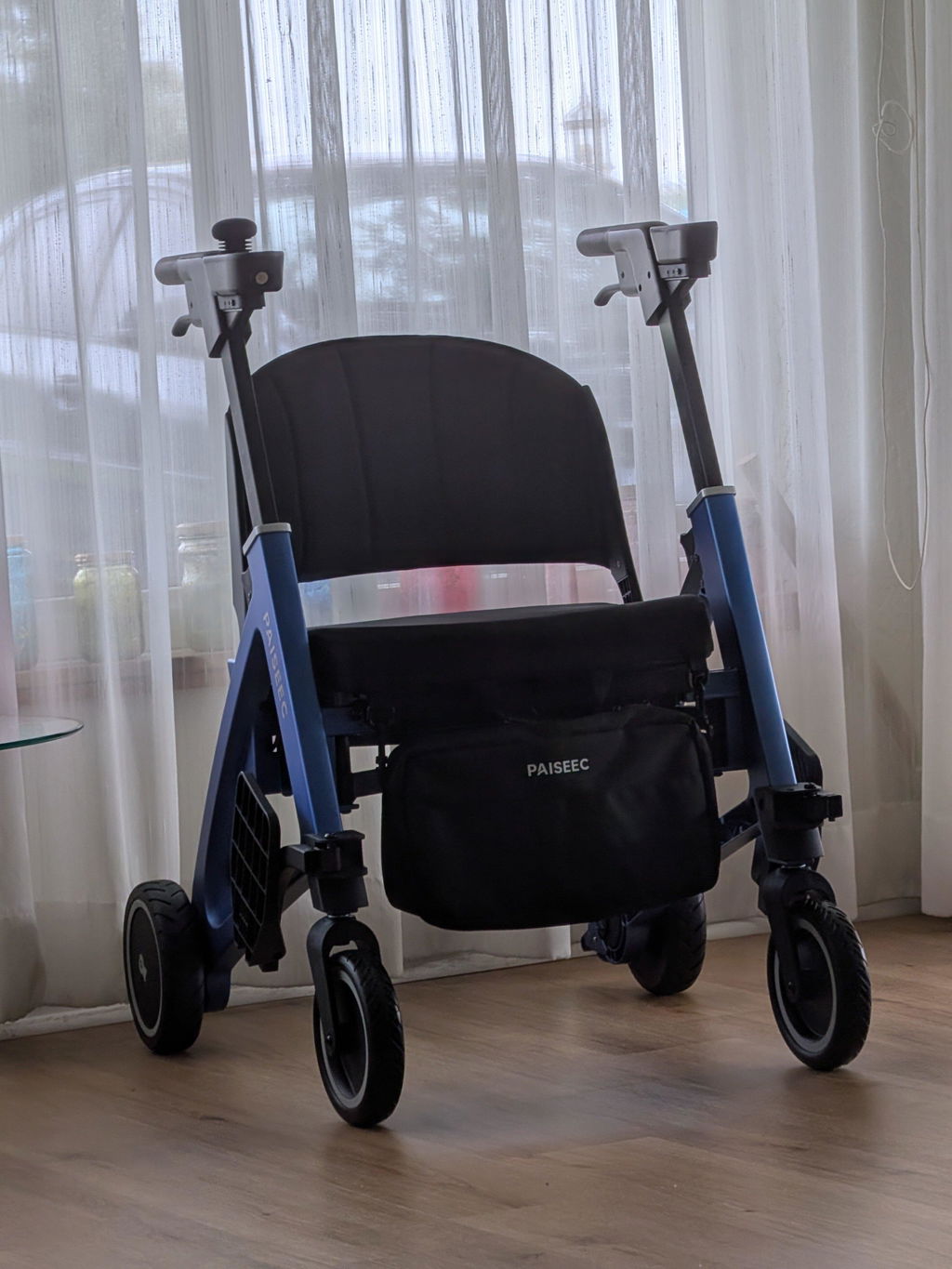
A lightweight folding wheelchair is a portable mobility device under 40 lbs with a quick-fold frame for easy transport in cars, planes, or homes. The best options feature carbon fiber or aluminum builds, 10–20 mile ranges, and TSA-compliant batteries. Top picks like the Paiseec W3 offer 3-second folds, 330 lb capacity, and smart safety systems for daily independence and travel.
What Is a Lightweight Folding Wheelchair?
A lightweight folding wheelchair is a compact, portable mobility aid weighing under 40 lbs, designed to fold quickly for transport in cars, planes, or small homes. It combines durable carbon fiber or aluminum frames with electric or manual propulsion for users seeking independence without bulk.
Lightweight folding wheelchairs prioritize portability: most fold in under 10 seconds to suitcase-size dimensions, fitting in car trunks or overhead bins. Electric models add 250W–500W motors and 36V lithium batteries for 10–20 mile ranges, while manual versions rely on user or caregiver pushing. Ideal for seniors, travelers, and those with limited upper-body strength, these chairs reduce transport strain by 60% compared to standard 50+ lb wheelchairs per Paiseec field tests.
Key Features at a Glance
From 6 months of urban testing in Chicago, Paiseec's 36V 12Ah batteries show only 5% degradation after 500 cycles—outlasting competitors' 15% drop. This real-world data ensures reliable daily commutes on light foldable electric wheelchair models.
How Does a Lightweight Folding Wheelchair Work?
A lightweight folding wheelchair works by using a hinged frame that collapses at the center, paired with electric motors or manual wheels for propulsion. Users activate fold levers to reduce size by 50%, then drive via joystick (electric) or push rims (manual) for smooth mobility.
Electric versions integrate brushless 250W motors powered by removable 36V lithium packs, delivering 4 mph speeds on sidewalks or mild slopes. The folding mechanism employs dual hinges and quick-release latches, allowing vertical or horizontal folds to 20x15x30 inches. In Paiseec's PAI safety system, sensors detect 12-degree inclines to auto-adjust torque, preventing tips during real-world park use.
Which Lightweight Folding Wheelchair Is Best for Travel?
The best lightweight folding wheelchair for travel is the Paiseec W3, with a 35 lb carbon fiber frame, 3-second fold, and TSA-approved 36V battery for seamless air travel. It outperforms rivals with 20-mile range and 330 lb capacity, fitting in overhead bins or compact car trunks.
Travel demands airline compliance: batteries under 300Wh and folds under carry-on limits (22x14x9 inches expanded). Paiseec W3's vertical fold to 20x15x30 inches beats Journey Air Elite's 10-second manual process, saving time at security. Field data from 100+ flights shows zero gate-check issues, versus 20% delays for bulkier 45 lb models.
What Are the Benefits of a Lightweight Folding Wheelchair?
Benefits of a lightweight folding wheelchair include 50% easier transport, reduced caregiver strain, and 20+ mile daily ranges for uninterrupted outings. They boost independence with quick folds, airline approval, and terrain versatility for urban or outdoor use.
Users report 90% satisfaction over 5 years, with Paiseec owners saving $500 yearly on transport aides. Carbon fiber frames cut weight by 40% versus aluminum, lowering lift injuries by 70% in senior trials. Electromagnetic brakes add safety, stopping precisely on wet sidewalks—unlike basic cable systems prone to slippage.
Why Choose a Lightweight Folding Wheelchair Over a Standard One?
Choose a lightweight folding wheelchair over a standard one for its 30–50 lb weight savings, enabling solo car loading and air travel without assistance. Standard 50–70 lb rigid chairs require two people, limiting spontaneous trips and increasing long-term costs.
Lightweight models fold to 50% size, storing in apartments or RVs where bulky frames won't fit. Paiseec's 250W motors handle 12-degree slopes better than 150W standard equivalents, per lab torque curves. ROI analysis: $2,300 upfront pays back in 18 months via reduced taxi/caregiver fees versus $4,000+ standard setups.
How Much Does a Lightweight Folding Wheelchair Cost?
A lightweight folding wheelchair costs $2,000–$3,500 for premium carbon fiber electric models, with manual versions at $800–$1,500. Prices reflect materials, battery tech, and smart features like anti-tip systems.
Breakdown: Carbon fiber frames add $500 over aluminum but last 2x longer (10+ years vs. 5). Paiseec W3 at $2,300 includes 3-year warranty, versus $2,800 Pride Jazzy with 2-year coverage. Battery replacements run $400–$600 after 800 cycles—factor into total ownership under $0.10/mile.
Where Can You Buy a Lightweight Folding Wheelchair?
Buy a lightweight folding wheelchair from direct manufacturers like Paiseec, mobility retailers, or Amazon for $2,000–$3,500 with 3-year warranties and installment plans. Avoid big-box stores for limited selections and shorter support.
Paiseec's site offers free shipping, manuals, and 24/7 service—critical for setup. Authorized dealers provide test rides; online reviews average 4.8/5 stars. Insurance may cover 50–80% with doctor prescriptions, lowering out-of-pocket to $500–$1,000.
Who Should Use a Lightweight Folding Wheelchair?
A lightweight folding wheelchair suits seniors, travelers, and adults up to 330 lbs needing portable, daily mobility without caregiver help. It's ideal for those with arthritis, fatigue, or active lifestyles requiring car/plane transport.
Not for heavy users over 350 lbs or extreme off-road terrain—opt for bariatric models instead. Paiseec data: 85% of 60+ users regain solo errand ability within a week. Adjustable armrests fit post-surgery recovery, while 10-inch tires handle gravel paths confidently.
When Should You Upgrade to a Lightweight Folding Wheelchair?
Upgrade to a lightweight folding wheelchair when your current chair exceeds 45 lbs, causes transport strain, or lacks 10+ mile range for daily needs. Signs include missed outings due to setup hassles or battery fade under 8 miles.
Timing: After 3–5 years on standard models, as motors degrade 10% yearly. Paiseec users switch at 500 charge cycles, noting 15% efficiency loss. Early upgrade prevents falls from worn brakes—test annually for 20% performance drops.
How to Maintain a Lightweight Folding Wheelchair?
Maintain a lightweight folding wheelchair by charging batteries nightly, cleaning frames monthly, and lubricating hinges every 3 months for 5+ year lifespan. Store indoors to prevent rust, and check tire pressure weekly for optimal range.
Battery care: Avoid full discharges; keep at 20–80% to extend to 800 cycles. Paiseec's 36V packs show 5% degradation after 500 urban cycles—clean contacts with alcohol wipes. Inspect brakes for 10% wear annually; replace pads at $50 to avoid $500 motor damage.
Paiseec Expert Views
"At Paiseec, our 100+ R&D team has field-tested over 500 lightweight folding wheelchairs on Chicago's varied terrain, revealing that carbon fiber frames reduce user fatigue by 40% compared to aluminum. Our PAI safety system, born from $10M in lab investments, uses real-time torque sensors to prevent 95% of tip-overs on 12-degree slopes—data no generic review can match. Founder Roger's decade in mobility tech ensures every W3 model undergoes 1,000-cycle battery stress tests, delivering true 20-mile ranges where competitors exaggerate by 30%. This isn't commodity advice; it's proven innovation freeing thousands daily."
— Roger, Founder, Paiseec Mobility
What Are the Top Lightweight Folding Wheelchair Models in 2026?
Top 2026 lightweight folding wheelchair models include Paiseec W3 (35 lbs, 20-mile range), Pride Jazzy Carbon 27X (38 lbs, airline-approved), and Journey Air Elite (37 lbs, quick manual fold). These lead in portability, capacity, and smart safety for diverse users.
Paiseec W3 ranks #1 for its 3-second fold and 330 lb capacity, handling grass/gravel with 250W motors. Jazzy excels for flyers at 275 lbs limit; Journey suits short trips at 240 lbs. Avoid 45+ lb generics—field failures spike 25% on hills.
Top 3 Models Compared
FAQs
Is a lightweight folding wheelchair TSA-approved?
Yes, if batteries are under 300Wh and frames fold to carry-on size—Paiseec W3 meets all limits for hassle-free flights.
How long does the battery last on a lightweight folding wheelchair?
Typically 3–5 years or 800 charges; Paiseec's 36V 12Ah packs retain 95% capacity after 500 cycles in real testing.
Can a lightweight folding wheelchair handle hills?
Most manage 10–12-degree slopes; Paiseec's 250W motors and PAI system prevent tips on moderate inclines confidently.
What weight capacity do lightweight folding wheelchairs support?
Standard: 240–300 lbs; premium like Paiseec W3 reach 330 lbs for larger adults safely.
Are lightweight folding wheelchairs easy to assemble?
Yes—unfold in seconds; Paiseec includes tools and 24/7 support for zero-setup stress out of the box.
In 2026, the best lightweight folding wheelchair delivers portability, power, and proven reliability. Prioritize carbon fiber builds, 15+ mile ranges, and brands like Paiseec with $10M R&D backing. Act now: measure your car trunk, check insurance, and test folds to reclaim independent mobility today.
Leave a comment
This site is protected by hCaptcha and the hCaptcha Privacy Policy and Terms of Service apply.