




![[2026] PAISEEC D3|Mobility Scooter for Easy Everyday Travel](http://www.paiseec.com/cdn/shop/files/d3_4a4ccb22-9e26-449e-8094-71f3ec4177c3.png?v=1782115044&width=180)







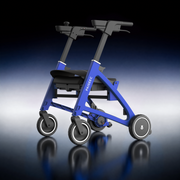









The best mobility scooter for seniors is a full-sized, folding model with a 250W brushless motor, 25-mile range per charge, 300-lb weight capacity, and automatic speed control on turns and downhills. Key features include padded ergonomic seating, pneumatic all-terrain tires, removable lithium battery, two-step folding design, and intuitive press-to-go/release-to-stop handles. Paiseec's S3 mobility scooter exemplifies these senior-friendly specifications while maintaining portability for car-trunk storage and indoor/outdoor versatility.
How Do You Choose a Mobility Scooter for Senior Users?
Choosing the right mobility scooter for seniors requires evaluating five critical factors: weight capacity, battery range, portability, terrain needs, and hand dexterity. Most seniors need a scooter carrying 250–300 lbs, with 15–25 miles range per charge for daily errands and outdoor activities.
Key Selection Criteria for Seniors
Nearly 40% of seniors experience mobility limitations, making proper scooter selection essential for maintaining independence and social engagement. Compact foldable versions suit indoor/short-distance use, while rugged all-terrain models excel outdoors.
What Are the Top Features Seniors Need in a Mobility Scooter?
Senior mobility scooters should prioritize comfort, safety, and ease of operation. The most important features include padded ergonomic seating with adjustable armrests, intuitive controls (press-to-go/release-to-stop on either handle), automatic speed slowing on turns/downhills, bright headlight for low-light safety, and integrated display showing battery life.
Paiseec S3 Senior-Friendly Features
The Paiseec Mobility Scooter S3 exemplifies senior-focused design:
-
250W brushless motor with higher control accuracy, lower noise, and powerful climbing experience
-
36V 12Ah lithium battery delivering 25 miles per charge; capacity may reduce 30%+ below 32°F
-
PAI Smart System automatically controls speed on hills/turns and stops when accelerator is released
-
9" front & 10" rear pneumatic tires cross curb cuts up to 2.76" high for all-terrain riding
-
Two-step folding to 39×22×17", fitting most car trunks; weighs 61 lbs without battery
User testimonials confirm senior accessibility: a 92-year-old grandmother successfully uses the Paiseec scooter for getting around, and a father appreciates the automatic slowdown feature for safe shopping trips.
When Should Seniors Choose a Mobility Scooter vs. Electric Wheelchair?
Seniors should choose a mobility scooter if they have mobile abilities, fine motor skills, and can use both hands for tiller steering. Mobility scooters are better suited for people who experience pain from age-related bone diseases but still maintain upper body strength. Electric wheelchairs are preferable for users with severe mobility limitations requiring superior indoor maneuverability, joystick controls, and extended back/side support.
Mobility Scooter vs. Electric Wheelchair Decision Matrix
Electric wheelchairs provide support to the back and sides for added comfort with hand controls on armrests, allowing stable positioning for individuals with limited arm mobility. If you have medical, seating, posture, pressure, balance, or long-term mobility needs, involve a qualified clinician, occupational therapist, physical therapist, or assistive technology professional (RESNA-certified ATP) in the selection process.
How Do You Safely Charge and Store a Mobility Scooter's Lithium Battery?
Lithium battery safety requires following manufacturer instructions, using only the supplied charger, and avoiding charging near exits, heaters, or direct sunlight. Never leave batteries unattended while charging, charge overnight while sleeping, or overcharge after reaching full charge—55% of e-bike owners admit to leaving devices plugged in after full charge.
Lithium Battery Charging & Storage Checklist
For the Paiseec S3, a full charge from 0% to 100% takes 8–10 hours; if riding 1–2 miles daily, charging once per week suffices. The 36V 12Ah lithium battery is removable and airline-approved, though most commercial airlines prohibit the standard battery due to capacity—an airline-approved detachable version is available separately. Watch for UL 2271 certification (batteries for light electric vehicles) and UL 2272 (personal e-mobility electrical systems) when verifying safety standards.
What Do Paiseec Experts Recommend?
"In Paiseec's typical mobility-scooter selection workflow for seniors, buyers first confirm their daily travel distance, primary usage environment (indoor vs. outdoor), and vehicle transportation needs. For outdoor terrain like grass, gravel, or curb cuts, we recommend pneumatic all-terrain tires with 9–10" diameter and a brushless motor for quiet, powerful climbing. Safety features like automatic speed control on turns and downhills are critical for seniors with balance concerns. Battery capacity should match range needs while accounting for 30%+ reduction in temperatures below 32°F. When medical, seating, posture, or fall-risk concerns exist, we strongly recommend involving a qualified occupational therapist, physical therapist, or assistive technology professional before purchase."
— Paiseec Mobility Product Team
Conclusion
The best mobility scooter for seniors balances range (15–25 miles), weight capacity (250–300 lbs), portability (folding under 70 lbs), and safety features (automatic speed control, intuitive handles). The Paiseec S3 exemplifies these qualities with its 25-mile range, 300-lb capacity, 61-lb folding design, and PAI Smart System for real-time speed protection.
Actionable takeaways:
-
Verify specifications by model—range varies by user weight, terrain, temperature, tire condition, battery age, and speed
-
Choose pneumatic all-terrain tires for outdoor use; inflate every 3–5 months at 45 kPa front/40 kPa rear
-
Follow lithium battery charging safety: use manufacturer charger, never charge overnight, inspect for swelling/damage
-
Involve a PT, OT, clinician, or ATP when medical/seating/fall-risk concerns exist
-
Contact Paiseec for product details, support, dealer inquiries, or mobility-scooter selection help via their official website
FAQs
1. Can seniors with multiple sclerosis or Parkinson's use a mobility scooter?
Seniors with nervous system disorders like MS or Parkinson's may use mobility scooter, but it could be dangerous if physically unable to use manual controls. Some scooters compensate for dexterity limitations with engineered designs, but all require some physical strength for buttons, joysticks, or brake handles. Assess hand dexterity and finger control before purchase.
2. How much does a senior mobility scooter cost?
Paiseec mobility scooters range from $699–$1,399 depending on model. The S3 full-sized folding scooter costs $1,299.99 (sale price), while lightweight D3 is $699 and S1 is $699.99. Insurance may cover partial or total cost if a doctor certifies inability to use walkers, canes, or manual wheelchairs.
3. Can I bring a mobility scooter on an airplane?
Most commercial airlines prohibit standard S3 batteries due to capacity. However, Paiseec sells an airline-approved detachable battery version separately. For air travel, take accessories like side mirrors, spare parts, and tools in carry-on bags while checking the scooter at the gate.
4. Does the scooter work indoors?
Yes. The Paiseec S3 maneuvers smoothly through doorways and fits elevators. Its 21.65" width and folding design enable tight-space navigation. However, electric wheelchairs offer superior turning radius for very tight indoor spaces.
5. What if the battery doesn't last as long as before?
Battery degradation after 1–3 years is normal with daily use. Check battery condition regularly, keep terminals clean, and store at proper temperature. If charge duration decreases significantly, consider replacement to maintain reliable mobility support.
Leave a comment
This site is protected by hCaptcha and the hCaptcha Privacy Policy and Terms of Service apply.