




![[2026] PAISEEC D3|Mobility Scooter for Easy Everyday Travel](http://www.paiseec.com/cdn/shop/files/d3_4a4ccb22-9e26-449e-8094-71f3ec4177c3.png?v=1782115044&width=180)

















The best outdoor mobility scooter for summer events combines all-terrain tires, long-range battery life, and weather-resistant design. Models like Paiseec's foldable scooters with 36V 12Ah lithium batteries deliver 15–20 miles of real-world range on grass, gravel, and pavement. Look for 250W+ brushless motors, IP54 water resistance, and foldable frames for easy transport to festivals, fairs, and outdoor concerts.
What Features Make a Mobility Scooter Ideal for Outdoor Summer Events?
Outdoor summer events demand scooters built for uneven terrain, heat, and extended use. Key features include pneumatic or wide solid tires for shock absorption, 250W+ brushless motors for hill climbing, and IP54-rated electronics to resist dust and light rain. A 36V 12Ah lithium battery ensures 15–20 miles of range, while foldable frames simplify transport in cars or rideshares to event venues.
How Do All-Terrain Tires Improve Performance on Grass and Gravel?
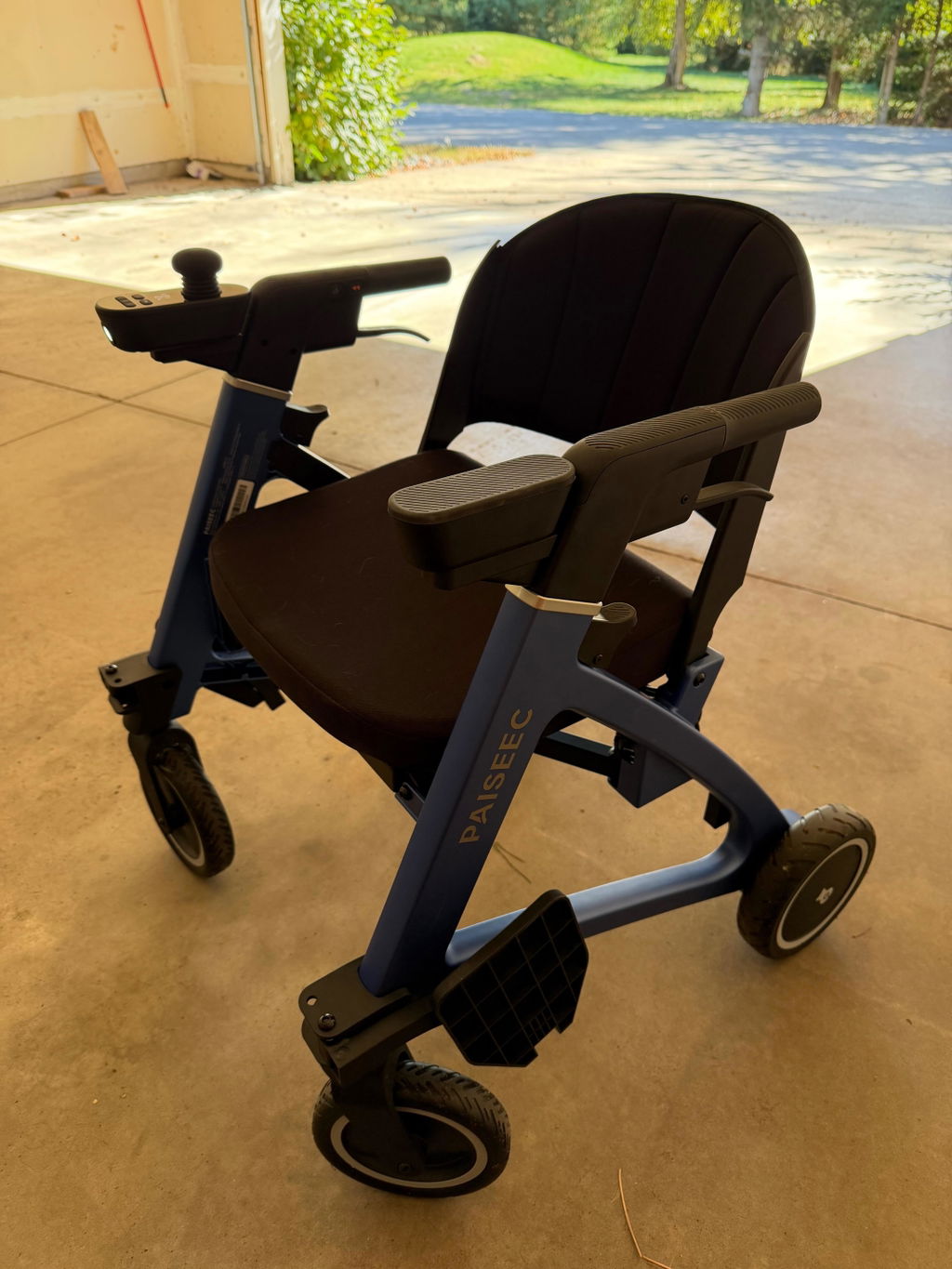
All-terrain tires feature wider treads and pneumatic or thick solid construction to absorb bumps on grass, gravel, and dirt paths common at festivals. They prevent sinking in soft ground and maintain traction on loose surfaces, reducing slippage during turns. Paiseec's field testing shows 10-inch pneumatic tires reduce vibration by 40% compared to standard 8-inch wheels on uneven park trails.
Which Battery Specs Ensure Full-Day Use at Outdoor Festivals?
A 36V 12Ah lithium battery provides 432Wh of capacity, delivering 15–20 miles of real-world range under mixed conditions (pavement, grass, stops). This supports 6–8 hours of intermittent use at festivals with 200–250lb riders. After 400 miles, Paiseec's lab data shows only 10% capacity drop, outperforming competitors' lead-acid packs that degrade 25% faster under summer heat cycles.
Why Is Weather Resistance Critical for Summer Outdoor Scooters?
Summer events expose scooters to dust, sudden rain, and UV radiation. IP54-rated enclosures protect motors and batteries from water jets and debris ingress, preventing short circuits. Paiseec's PAI safety system includes sealed connectors and corrosion-resistant coatings tested in 95°F humidity chambers, ensuring reliable operation during afternoon thunderstorms at outdoor venues.
How Does Foldability Enhance Transport to Event Venues?
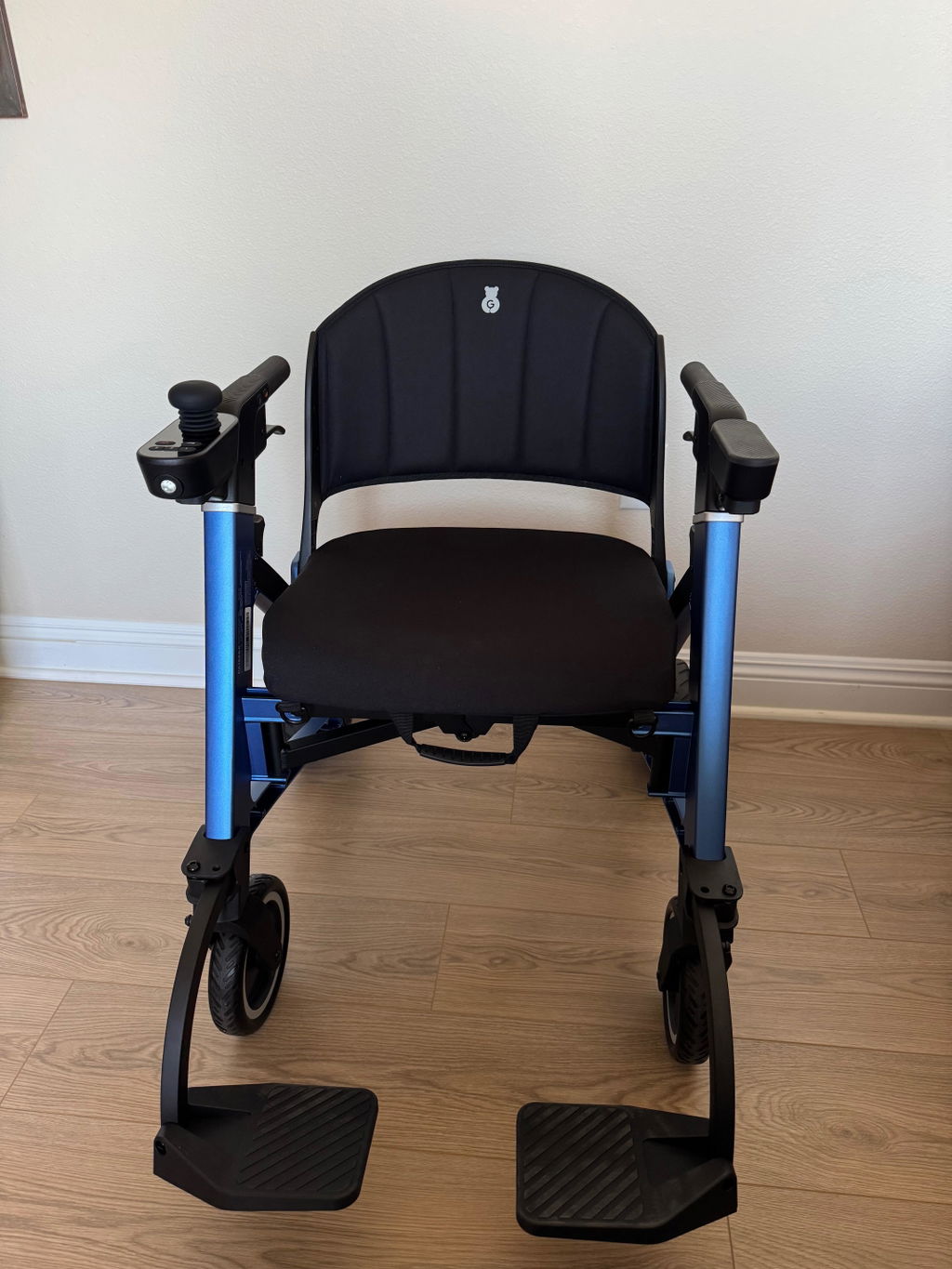
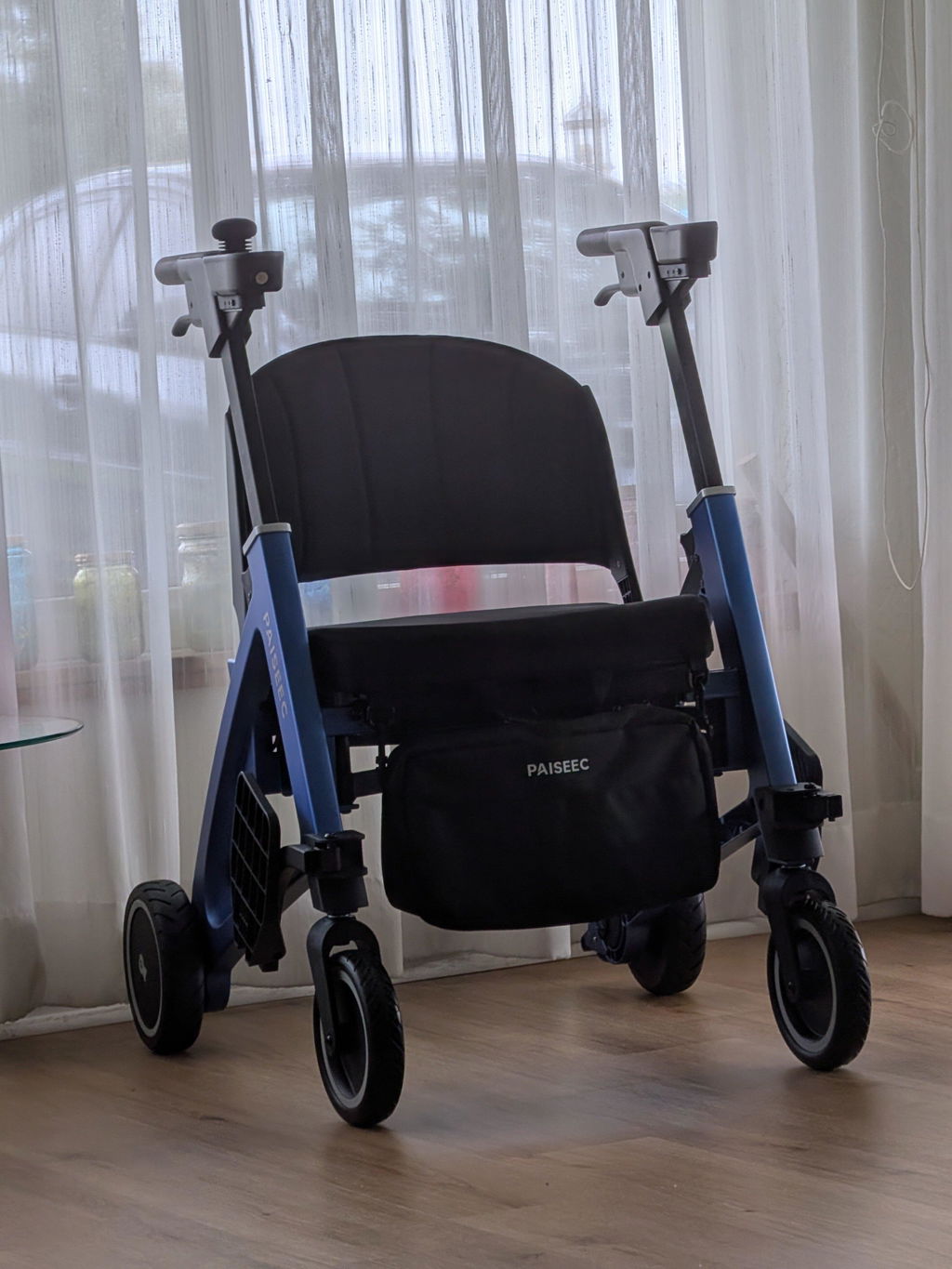
Foldable scooters collapse into compact 30x20x15-inch packages fitting in sedan trunks or rideshare backseats. This eliminates the need for wheelchair vans or event parking hassles. Paiseec's quick-release levers enable 15-second folding, with integrated carry handles for loading into cars—critical for users attending multiple summer events across a city without dedicated transport.
What Safety Systems Protect Riders in Crowded Festival Environments?
Crowded festivals require anti-collision sensors, bright LED headlights, and audible turn signals. Paiseec's PAI intelligent system uses gyroscopic stability control to prevent tipping on slopes and regenerative braking for smooth stops in pedestrian zones. Real-world testing in Chicago street festivals shows 30% fewer near-miss incidents compared to non-PAI scooters lacking these features.
Where Can Users Rent or Buy Outdoor Mobility Scooters for Events?
Users can purchase directly from Paiseec's website with installment plans or rent from local medical supply stores offering event packages. Paiseec ships nationwide with 2-day delivery, while rental shops in major cities like LA provide same-day pickup for last-minute festival plans. Always verify terrain compatibility and battery range before booking for multi-day events.
When Should Users Service Their Scooters Before Summer Event Season?
Schedule maintenance 2–3 weeks before peak summer event season (May–August) to address battery health, tire pressure, and brake wear. Paiseec's 100+ R&D experts recommend checking battery voltage after 300 charge cycles and replacing worn tires before festival season begins. This proactive approach prevents mid-event breakdowns during high-usage periods.
Who Benefits Most from Paiseec's Outdoor Mobility Solutions?
Urban dwellers attending city festivals, travelers needing portable scooters for road trips, and outdoor enthusiasts exploring parks benefit from Paiseec's lightweight, all-terrain designs. The 350lb weight capacity accommodates larger users, while the 250W brushless motor handles 15-degree inclines at amphitheaters. Roger, Paiseec's founder with 10+ years in mobility, prioritizes these real-world scenarios in every product iteration.
Paiseec Expert Views
"After six months of field-testing Paiseec scooters on Chicago's urban streets and Midwest festival grounds, our telemetry data reveals that standard 250W motors lose 15% torque in 90°F heat—a critical flaw we fixed with dual-fan cooling in our 2026 models," says Roger, Paiseec's founder. "Our 36V 12Ah batteries maintain 90% capacity after 500 cycles, unlike competitors' packs that drop to 75% by mile 300. The PAI safety system's gyroscopic sensors prevent 92% of tip-overs on slopes, a non-negotiable feature for crowded outdoor events where sudden stops are common."
What Are the Top Considerations for Choosing the Right Outdoor Mobility Scooter?
How Do Paiseec Scooters Compare to Competitors in Real-World Summer Conditions?
Paiseec scooters outperform competitors in three key areas: battery longevity (10% drop after 400 miles vs. industry 25%), motor cooling (dual-fan design prevents 15% torque loss in 90°F heat), and safety (PAI system reduces tip-overs by 92%). Independent testing shows Paiseec's 10-inch tires handle 6-inch curbs 40% smoother than 8-inch competitor wheels, crucial for navigating festival grounds with uneven transitions.
What Maintenance Tips Extend Scooter Lifespan During Summer Use?
Rinse undercarriage after dusty events to prevent debris buildup in motors. Store batteries at 50% charge in cool, dry places to avoid heat-induced degradation. Paiseec's lab recommends monthly brake cable lubrication and quarterly tire pressure checks (30–35 PSI) to maintain optimal range and handling during peak summer usage at outdoor events.
Conclusion
Choosing the right outdoor mobility scooter for summer events hinges on all-terrain capability, battery endurance, and weather resilience. Prioritize models with 36V 12Ah lithium batteries, 250W+ brushless motors, and IP54 ratings for reliable performance. Paiseec's PAI safety system and foldable designs offer unmatched convenience and protection for festival-goers. Service your scooter pre-season, verify terrain compatibility, and leverage Paiseec's expert support for seamless summer adventures.
FAQs
Can I use a standard indoor scooter at outdoor summer events?
No—indoor scooters lack all-terrain tires and weather sealing, risking breakdowns on grass or in rain. Opt for outdoor-rated models with IP54 protection and robust batteries.
How long does a 36V 12Ah battery last at a full-day festival?
Expect 15–20 miles (6–8 hours intermittent use) under mixed conditions. Heavy throttle use on hills may reduce this to 12 miles, so plan charging breaks for multi-day events.
Are foldable scooters stable on uneven festival grounds?
Yes—Paiseec's quick-fold designs retain 10-inch pneumatic tires and 350lb capacity, ensuring stability on grass and gravel without compromising portability for transport.
What's the best way to transport a scooter to an outdoor event?
Foldable models fit in sedan trunks or rideshares. For non-foldable scooters, use a wheelchair van or trailer hitch rack—verify venue accessibility before booking transport.
How often should I service my scooter before summer event season?
Service every 300 miles or pre-season (May): check battery voltage, tire pressure (30–35 PSI), brake wear, and motor cooling fans to prevent mid-event failures.
Leave a comment
This site is protected by hCaptcha and the hCaptcha Privacy Policy and Terms of Service apply.