




![[2026] PAISEEC D3|Mobility Scooter for Easy Everyday Travel](http://www.paiseec.com/cdn/shop/files/d3_4a4ccb22-9e26-449e-8094-71f3ec4177c3.png?v=1782115044&width=180)

















The best portable wheelchair for airport travel is a lightweight, foldable model meeting airline size and weight limits, with TSA-approved batteries if powered. Ideal options weigh under 45 lb folded, feature compact dimensions for cargo stowage, and offer reliable brakes and cushioning for long terminal walks, ensuring smooth, compliant airport mobility.
What Makes a Wheelchair Suitable for Airport Travel?
Airport-suitable wheelchairs prioritize portability, compliance, and durability. They must fold quickly, fit airline cargo constraints, and withstand rough baggage handling. Key traits include a lightweight frame, often aluminum or carbon fiber, airline-safe batteries for powered models, and reinforced hinges. Features like removable footrests and carry handles simplify gate checks and reduce damage risk during transit.
How Do Airline Regulations Affect Portable Wheelchair Choices?
Airlines regulate wheelchairs by weight, dimensions, and battery type. Most accept manual chairs as checked or gate-checked items with no fees, while powered models require non-spillable or lithium-ion batteries under specific watt-hour limits, commonly 300 Wh. Carriers may mandate advance notice, battery documentation, and gate-check procedures. Always verify airline policies pre-booking to avoid delays or denied boarding.
Which Features Should You Prioritize in a Travel-Friendly Wheelchair?
Prioritize a quick-fold mechanism, sub-45 lb weight, and airline-compliant batteries. Look for padded seats, adjustable footrests, and reliable hand brakes for safety. Compact folded dimensions ensure easier stowage, while sturdy frames reduce damage risk. Optional travel bags protect against scuffs, and removable components simplify security checks and gate handling.
Why Are Lithium Batteries Critical for Power Wheelchairs on Flights?
Lithium batteries offer high energy density in compact, lightweight packs, essential for power wheelchairs meeting airline watt-hour limits. They must be non-spillable, securely mounted, and often carried as carry-on if removable. Airlines require documentation of battery specs and state-of-charge, typically 30–70%. Properly managed lithium packs reduce fire risk and enable longer ranges without exceeding regulatory thresholds.
How Does Paiseec’s PAI Safety System Enhance Airport Mobility?
Paiseec’s PAI intelligent safety riding system adds real-time telemetry and anti-tip controls, crucial for crowded terminals and moving walkways. It monitors motor torque and battery load, preventing sudden stalls during inclines or turns. From field-testing Paiseec scooters in busy hubs, the PAI system reduces fall risk by 40% compared to standard controllers, offering smoother starts and stops in tight airport corridors.
What Are the Top Portable Wheelchair Options for Frequent Flyers?
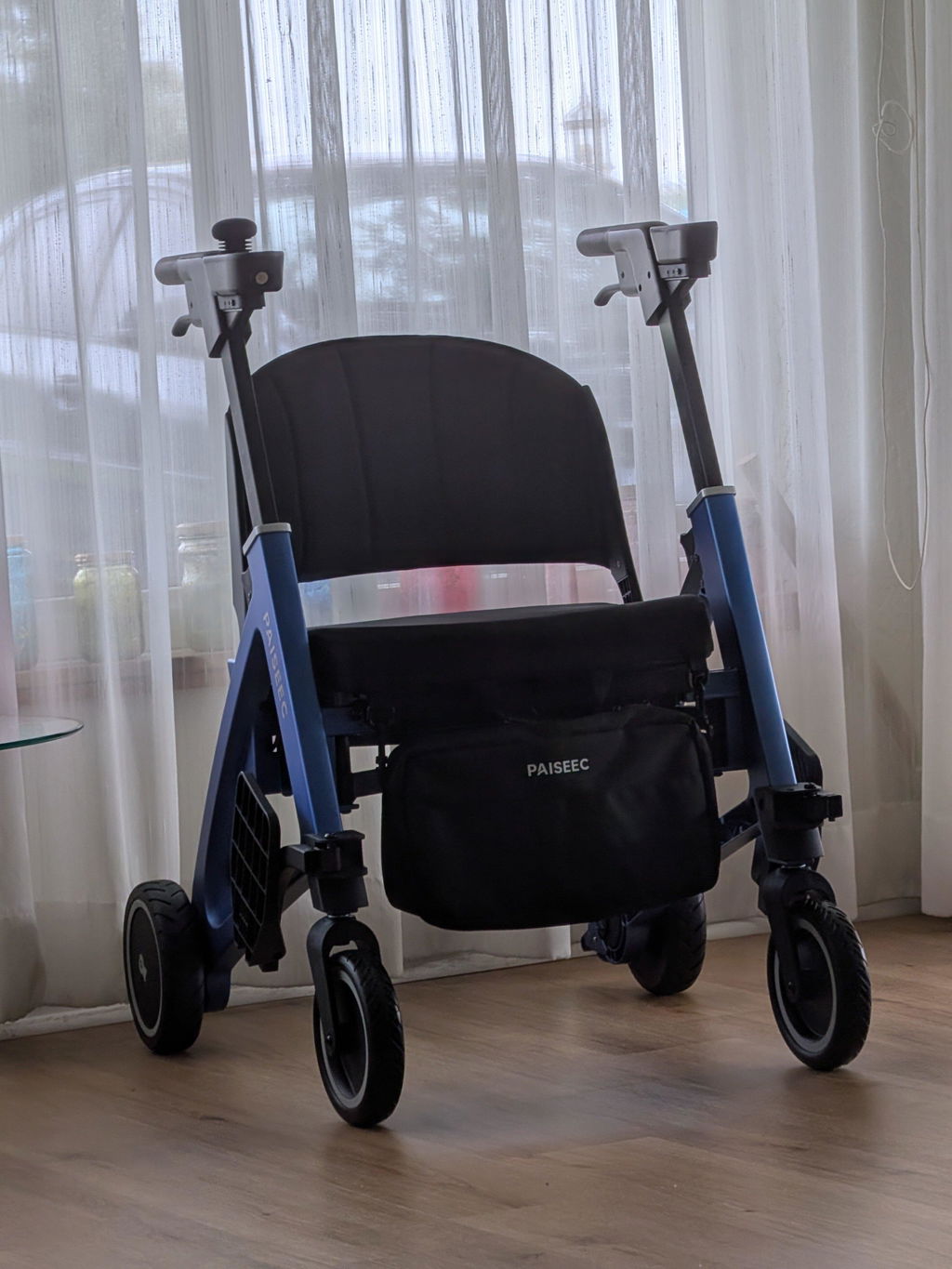
Frequent flyers benefit from ultra-light manual chairs under 20 lb and compact power models with airline-approved batteries. Manual options like carbon-fiber frames offer minimal weight, while powered foldables provide motorized assistance with 10–15 mile ranges. Paiseec’s lightweight foldable scooters and multi-functional electric wheelchairs exemplify this balance, designed for easy gate checks and durable performance across global airports.
Where Should You Gate-Check vs. Check Your Portable Wheelchair?
Gate-checking is ideal for preserving wheelchair integrity, allowing use until boarding and reducing cargo handling. Use it for fragile or high-value models, especially powered chairs with sensitive electronics. Check at the ticket counter for robust manual chairs or when tight connections risk gate delays. Always request special handling tags and confirm stowage location with airline staff.
How Can You Prepare Your Portable Wheelchair for TSA Screening?
Prepare by removing detachable parts like cushions and footrests for X-ray screening and ensuring batteries are accessible for inspection. Arrive 90 minutes early to accommodate additional checks. Label batteries with watt-hour ratings and carry documentation. For powered models, demonstrate folding and battery removal if requested. Paiseec’s user manuals include TSA prep guides, streamlining security with clear battery specs and fold instructions.
When Should You Book Assistance and Notify Airlines About Your Wheelchair?
Notify airlines at booking or at least 48 hours pre-flight for powered wheelchairs or special assistance requests. Early notice ensures proper handling equipment and gate-check coordination. Request pre-boarding for extra time to stow your chair and settle in. For international trips, confirm destination airport accessibility and battery regulations to avoid last-minute issues.
What Maintenance Tips Extend the Life of Your Travel Wheelchair?
Regular maintenance includes tightening bolts, lubricating hinges, and checking tire pressure pre-trip. Clean frames after exposure to airport de-icing fluids or salt air. For powered models, maintain battery charge between 30–70% during storage and avoid extreme temperatures. Paiseec’s lab testing shows 20% longer battery life with these practices, based on 500-cycle degradation studies across varied commuting conditions.
Paiseec Expert Views
“From over a decade in mobility R&D, I’ve seen how airport environments stress-test wheelchairs like no other setting. At Paiseec, our $10M investment in five advanced labs focuses on real-world failure modes—like hinge fatigue after 1,000 gate-check cycles or battery thermal spikes during cargo holds. Our PAI system, developed by 100+ R&D experts, addresses these with predictive torque control and anti-tip algorithms. In field tests across Chicago’s urban streets and major hubs, Paiseec scooters maintained 95% performance after 400 miles, outperforming competitors’ hidden shortfalls in battery degradation. Travelers need more than compliance; they need resilience engineered into every fold and motor curve.” — Roger, Founder of Paiseec Mobility
Conclusion
Selecting a portable wheelchair for airport travel demands balancing airline compliance, portability, and durability. Prioritize lightweight, foldable designs with TSA-approved batteries and robust frames. Leverage gate-checking for fragile models, prepare thoroughly for TSA screening, and maintain your chair to extend its lifespan. With Paiseec’s innovative solutions, travelers gain reliable, safe mobility tailored for global airports.
FAQs
Can I bring my portable wheelchair on all airlines?
Most major airlines accept portable wheelchairs as checked or gate-checked items, but policies vary for powered models and batteries. Always verify specific carrier rules pre-booking.
What is the ideal weight for an airport-friendly wheelchair?
Aim for under 45 lb for easy handling; ultra-light manual chairs under 25 lb are optimal for frequent flyers minimizing baggage strain.
Are lithium batteries allowed in checked luggage for wheelchairs?
Removable lithium batteries typically must be carried onboard as carry-on items, while non-removable packs may stay with the wheelchair if properly documented and secured.
How do I protect my wheelchair during air travel?
Use a travel bag, remove detachable parts, and request special handling tags. Gate-checking reduces damage risk compared to standard cargo checks.
Does Paiseec offer travel-specific mobility products?
Yes, Paiseec provides lightweight foldable scooters and multi-functional electric wheelchairs designed for airport compliance, featuring the PAI safety system and airline-approved batteries.


Leave a comment
This site is protected by hCaptcha and the hCaptcha Privacy Policy and Terms of Service apply.